ชินคันเซ็นจากโอซาก้าไปโตเกียว: ราคา เวลา และตั๋วปี 2026

สรุปสาระสำคัญ: รถไฟ Nozomi ที่เร็วที่สุดวิ่งให้บริการอย่างรวดเร็ว โดยใช้เวลาเดินทางในเส้นทางชินคันเซ็นจาก โอซาก้า ไปยังโตเกียวเพียง 2 ชั่วโมง 30 นาที ในราคาประมาณ 14,720 เยน ควรสำรองที่นั่งล่วงหน้าและ จองตั๋วรถไฟออนไลน์ เพื่อการันตีที่นั่งริมหน้าต่างสำหรับชมวิวภูเขาไฟฟูจิที่ดีที่สุด
แสงไฟนีออนที่วูบผ่านหน้าต่าง การนั่งรถไฟ ชินคันเซ็นจากโอซาก้าไปโตเกียว ให้ความรู้สึกเหมือนกำลังตัดผ่านใจกลางความทันสมัยของญี่ปุ่น การเดินทางในวันนี้ราบรื่นอย่างน่าเหลือเชื่อ คุณเดินทางผ่านระยะทางสามร้อยไมล์อย่างเงียบเชียบจนเหรียญที่วางตั้งไว้บนโต๊ะพับหน้าที่นั่งไม่ล้มลง สำหรับทั้งผู้ที่มาเยือนครั้งแรกและนักธุรกิจที่เดินทางเป็นประจำ เส้นทางรถไฟความเร็วสูงนี้ยังคงเป็นวิธีที่ดีที่สุดในการเดินทางระหว่างภูมิภาคคันไซและคันโต คุณน่าจะได้นั่งรถไฟรุ่น N700S ที่ล้ำสมัย ซึ่งเป็นสิ่งมหัศจรรย์ทางวิศวกรรมสมัยใหม่ที่มีระบบกันสะเทือนแบบแอคทีฟ ทำให้การเดินทางในปี 2026 ของคุณรู้สึกเหมือนกำลังร่อนอยู่บนกระจก
ชินคันเซ็นจากโอซาก้าไป โตเกียว: ข้อมูลเบื้องต้น

รถไฟหัวกระสุนวิ่งให้บริการบ่อยมากที่นี่ ในช่วงเวลาเร่งด่วนเช้าและเย็น จะมีรถไฟความเร็วสูงออกจากชานชาลาทุกๆ 3 ถึง 5 นาที ความล่าช้าเฉลี่ยของเส้นทางนี้วัดได้เพียงไม่กี่วินาที ซึ่งแสดงให้เห็นถึงวิศวกรรมระดับโลกของญี่ปุ่น ชินคันเซ็นเส้นทาง โอซาก้าไปโตเกียว วิ่งบนสาย Tokaido Shinkansen ซึ่งเป็นเส้นทางรถไฟความเร็วสูงที่เก่าแก่และพลุกพล่านที่สุดในโลก ควรเก็บข้อมูลการเดินทางที่สำคัญเหล่านี้ไว้สำหรับทริปปี 2026 ของคุณ
- คุณจะใช้เวลา 2 ชั่วโมง 30 นาทีในการนั่งรถไฟ Nozomi ระดับพรีเมียมระหว่างเมืองใหญ่เหล่านี้
- ตั๋วแบบระบุที่นั่งมาตรฐานราคา 14,720 เยนในช่วงเวลาปกติ
- รถไฟเที่ยวเช้าที่สุดออกจาก สถานี Shin-Osaka ตรงเวลาตอน 6 โมงเช้า เพื่อรองรับนักธุรกิจที่เร่งรีบ
- รถไฟจะไปจอดที่สถานี Tokyo โดยตรง ซึ่งเชื่อมต่อกับสาย Yamanote ได้ทันที
- คุณสามารถ จองตั๋วชินคันเซ็นโอซาก้าไปโตเกียวออนไลน์ ได้ล่วงหน้าสูงสุดหนึ่งเดือนก่อนวันเดินทาง
ชินคันเซ็นจากโอซาก้าไปโตเกียวราคาเท่าไหร่?
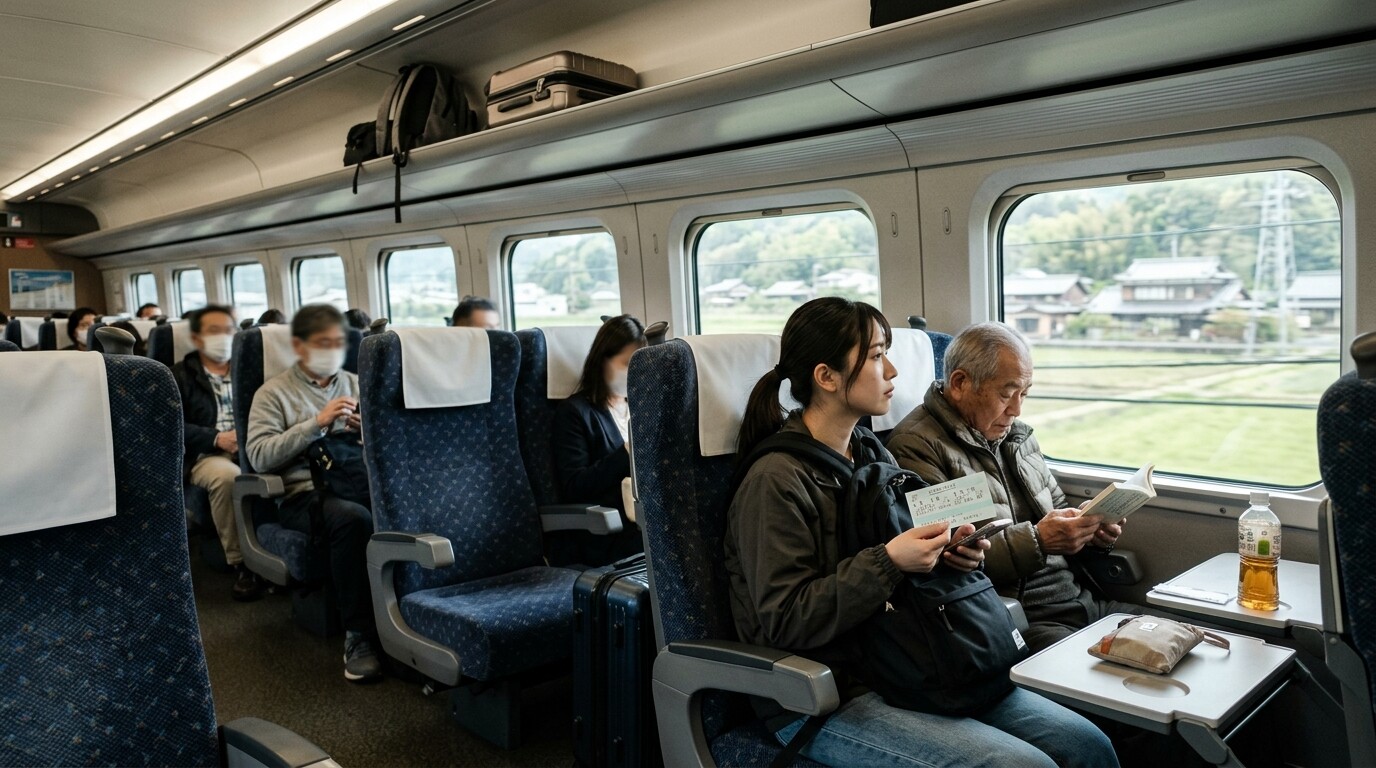
ราคาตั๋วขึ้นอยู่กับความเร็วของรถไฟและประเภทที่นั่งเป็นหลัก ที่นั่งแบบระบุที่นั่งมาตรฐานบนรถไฟ Nozomi ที่รวดเร็วปานสายฟ้าแลบราคา 14,720 เยนในช่วงฤดูกาลท่องเที่ยวปกติปี 2026 คุณจะจ่ายน้อยลงเล็กน้อยสำหรับการเดินทางที่ช้ากว่า การเลือกตู้แบบไม่ระบุที่นั่งจะช่วยประหยัดเงินได้ไม่กี่ร้อยเยน โดยลดราคาลงเหลือ 13,870 เยน แต่คุณอาจต้องเสี่ยงยืนนานกว่าสองชั่วโมงหากรถไฟเต็ม
ตู้ Green Car มีการอัปเกรดพื้นที่วางขาที่กว้างขวาง ตู้ระดับพรีเมียมเหล่านี้ราคา 19,590 เยน และมีที่นั่งที่นุ่มสบายเทียบเท่ากับชั้นพรีเมียมอีโคโนมีของสายการบินระหว่างประเทศ ตรวจสอบราคาล่าสุดบน japantrain.net ก่อนการเดินทางเสมอ ทาง Japan Railways Group เป็นผู้กำหนดค่าโดยสารพื้นฐาน แต่จะมีค่าธรรมเนียมเพิ่มเติมตามฤดูกาลในช่วงวันหยุดยาวของญี่ปุ่น เช่น Golden Week และปีใหม่ เตรียมจ่ายค่าธรรมเนียมช่วงพีคเพิ่ม 400 เยนหากเดินทางในช่วงกลางเดือนสิงหาคมหรือปลายเดือนธันวาคม ในทางกลับกัน วันที่เดินทางนอกช่วงพีคอาจช่วยให้คุณประหยัดได้ 200 เยน สำหรับครอบครัว เด็กอายุ 6 ถึง 11 ปีจะจ่ายเพียงครึ่งหนึ่งของค่าโดยสารผู้ใหญ่ ส่วนเด็กเล็กสามารถนั่งฟรีหากนั่งบนตักของผู้ปกครอง ควรวางแผนการเดินทางของครอบครัวแต่เนิ่นๆ และ จองตั๋วรถไฟญี่ปุ่นของคุณ เพื่อล็อคที่นั่งติดกันที่ดีที่สุด
| ประเภทที่นั่ง | ราคา Nozomi | ราคา Hikari/Kodama | ดำเนินการ |
|---|---|---|---|
| ไม่ระบุที่นั่ง | ¥13,870 | ¥13,870 | จองเลย |
| ระบุที่นั่งมาตรฐาน | ¥14,720 | ¥14,400 | จองเลย |
| Green Car (ชั้นหนึ่ง) | ¥19,590 | ¥19,270 | จองเลย |
ประเภทรถไฟ: Nozomi, Hikari และ Kodama
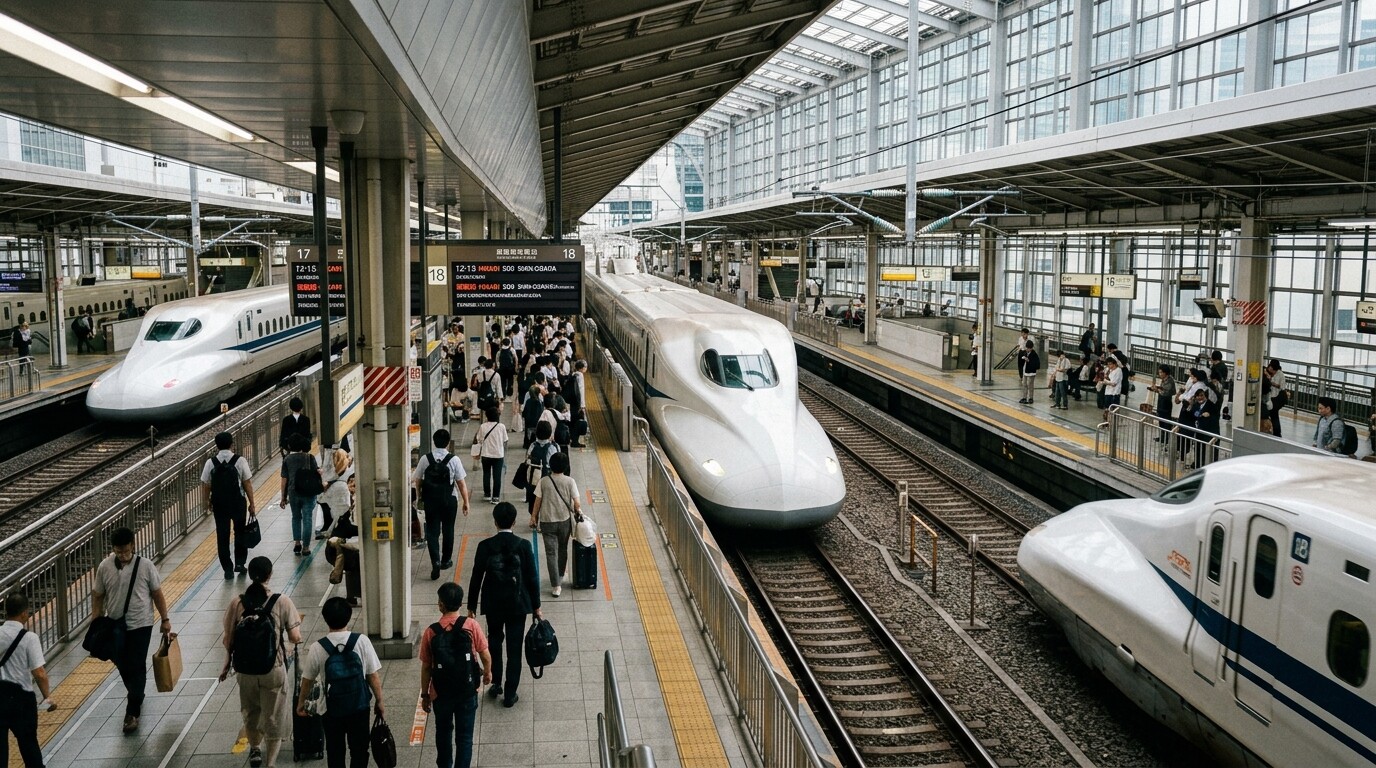
มีรถไฟสามประเภทที่วิ่งในเส้นทางชินคันเซ็นโอซาก้าไปโตเกียว รถไฟ Nozomi จะจอดเฉพาะสถานีหลักๆ เช่น นาโกย่า และ เกียวโต ก่อนจะสิ้นสุดที่เมืองหลวง เป็นบริการที่เร็วที่สุดและบ่อยที่สุด ทำให้เป็นตัวเลือกอันดับหนึ่งสำหรับนักเดินทางส่วนใหญ่
รถไฟ Hikari จะจอดเพิ่มอีกไม่กี่สถานีระหว่างทาง คุณจะถึงโตเกียวในเวลาประมาณ 3 ชั่วโมงด้วยรถไฟ Hikari ซึ่งเป็นตัวเลือกที่คุ้มค่าที่สุดสำหรับผู้ถือบัตรโดยสารรถไฟ (Rail Pass) ส่วนรถไฟ Kodama จะจอดทุกสถานีในเส้นทาง การนั่ง Kodama จะเปลี่ยนการเดินทางที่รวดเร็วให้กลายเป็นการเดินทางที่ยาวนานถึง 4 ชั่วโมง ซึ่งต้องใช้ความอดทนพอสมควร แม้ว่าจะมีตั๋วราคาประหยัดหากจองล่วงหน้าเป็นเวลานานก็ตาม
นักท่องเที่ยวต่างชาติส่วนใหญ่ชอบ Hikari หากมีบัตรผ่าน แต่สำหรับผู้ที่ซื้อตั๋วเป็นเที่ยวๆ ควรเลือก Nozomi อย่างแน่นอน เราขอแนะนำตัวเลือกที่เร็วที่สุด จองตั๋วชินคันเซ็นโอซาก้าไปโตเกียว สำหรับ Nozomi หากคุณให้ความสำคัญกับเวลาพักผ่อนอันมีค่าของคุณ
| ชื่อรถไฟ | เวลาเดินทาง | จุดจอดหลัก | เหมาะสำหรับ |
|---|---|---|---|
| Nozomi | 2 ชม. 30 นาที | เกียวโต, นาโกย่า, Shin-Yokohama, Shinagawa | นักธุรกิจและผู้ที่ต้องการความเร็ว |
| Hikari | 3 ชม. 00 นาที | เกียวโต, นาโกย่า, Hamamatsu, ชิซูโอกะ, Shinagawa | ผู้ใช้บัตร Rail Pass และนักเดินทางประหยัดงบ |
| Kodama | 4 ชม. 00 นาที | จอดทั้ง 15 สถานีในเส้นทาง | ผู้ที่เดินทางในท้องถิ่นและแฟนการท่องเที่ยวแบบช้าๆ |
สิ่งอำนวยความสะดวกที่ทันสมัยบนรถไฟ
ไม่ว่าคุณจะเลือกรถไฟขบวนไหน ความสะดวกสบายที่ทันสมัยรอคุณอยู่ รถไฟซีรีส์ N700S รุ่นใหม่ล่าสุดมีปลั๊กไฟที่ที่นั่งทุกที่นั่ง ช่วยให้คุณชาร์จโทรศัพท์หรือแล็ปท็อปได้อย่างง่ายดาย มีบริการ "Shinkansen Free Wi-Fi" ฟรีตลอดทั้งขบวน การเชื่อมต่อค่อนข้างเสถียร แม้ว่าอาจจะหลุดบ้างเป็นบางครั้งเมื่อวิ่งผ่านอุโมงค์ภูเขายาวๆ ในจังหวัดชิซูโอกะ ห้องน้ำสไตล์เครื่องบินที่สะอาดและห้องสูบบุหรี่โดยเฉพาะมีการจัดวางอย่างเหมาะสมตลอดขบวนรถไฟ 16 ตู้
| สิ่งอำนวยความสะดวก | ชั้นมาตรฐาน | Green Car (ชั้นหนึ่ง) |
|---|---|---|
| การเอนเบาะ | มาตรฐาน | เอนได้ลึกพร้อมที่วางเท้า |
| ปลั๊กไฟ | ที่นั่งริมหน้าต่าง (ทุกที่นั่งในรุ่น N700S) | ทุกที่นั่ง |
| พื้นที่วางกระเป๋า | ชั้นวางเหนือศีรษะ | ชั้นวางเหนือศีรษะ + พื้นที่วางขาพิเศษ |
| บริการเสริม | ไม่มี | ผ้าเย็น (oshibori) ฟรี, ไฟอ่านหนังสือ |
เคล็ดลับการเดินทางที่สำคัญสำหรับการเดินทางของคุณ
การจองที่นั่งที่ดีที่สุดและวิว ภูเขาไฟฟูจิ
ที่นั่งริมหน้าต่างมักจะถูกจองเต็มอย่างรวดเร็วในเส้นทางชินคันเซ็นโอซาก้าไปโตเกียว ผู้โดยสารที่เดินทางจากโอซาก้าต้องจองที่นั่ง E ทางด้านซ้ายเพื่อดูภูเขาไฟฟูจิได้อย่างชัดเจน ภูเขาจะปรากฏให้เห็นหลังจากผ่านสถานี ชิซูโอกะ คุณจะมีเวลาชมเพียงประมาณ 10 นาทีก่อนที่รถไฟจะวิ่งผ่านยอดเขาอันเป็นเอกลักษณ์นี้ ดังนั้นควรเตรียมกล้องให้พร้อม เช้าวันฤดูหนาวในช่วงต้นปี 2026 จะเป็นช่วงที่ท้องฟ้าใสที่สุดสำหรับการถ่ายภาพภูเขา หมอกในฤดูร้อนมักจะบังยอดเขาในช่วงกลางวัน ทำให้การเดินทางในตอนเช้าตรู่เป็นโอกาสที่ดีที่สุดสำหรับภาพถ่ายที่สมบูรณ์แบบ
สัมภาระขนาดใหญ่พิเศษต้องมีการจองล่วงหน้า หากกระเป๋าเดินทางของคุณมีขนาดรวมเกิน 160 เซนติเมตร (กว้างบวกยาวบวกสูง) คุณต้องจองพื้นที่วางสัมภาระโดยเฉพาะไว้ล่วงหน้า หากไม่จองจะถูกปรับหนัก พนักงานตรวจตั๋วจะเรียกเก็บค่าปรับ 1,000 เยนหากคุณนำกระเป๋าใบใหญ่ที่ไม่ได้จองขึ้นเครื่อง จองที่นั่งและพื้นที่วางกระเป๋าที่สมบูรณ์แบบของคุณบน japantrain.net อ่าน แนวทางปฏิบัติของ JR Central อย่างละเอียดเพื่อหลีกเลี่ยงปัญหา
การเดินทางในสถานี Shin-Osaka และ Tokyo
สถานี Shin-Osaka อาจดูเหมือนเขาวงกตขนาดใหญ่สำหรับผู้ที่มาเยือนครั้งแรก คุณต้องเดินตามป้าย Shinkansen สีน้ำเงินอย่างระมัดระวังเพื่อหาประตูทางเข้าสำหรับรถไฟความเร็วสูงที่ชั้นสาม อย่าสับสนกับสาย JR ปกติ ที่ Shin-Osaka รถไฟที่มุ่งหน้าไปโตเกียวมักจะออกจากชานชาลาที่ 23 ถึง 27 จอแสดงผลอิเล็กทรอนิกส์จะสลับระหว่างภาษาอังกฤษและภาษาญี่ปุ่นทุกๆ ไม่กี่วินาที เพื่อให้แน่ใจว่าคุณจะไม่พลาดชานชาลา สถานีโตเกียวนั้นยิ่งใหญ่กว่า การเดินผ่านทางเดินใต้ดินต้องใช้ความอดทน โดยเฉพาะอย่างยิ่งเมื่อคุณถือกระเป๋าหนักในช่วงชั่วโมงเร่งด่วน
มองหาป้ายทางออก Marunouchi เมื่อคุณมาถึงโตเกียว เส้นทางที่ทำเครื่องหมายไว้อย่างชัดเจนเหล่านี้จะนำคุณไปยังอาคารอิฐสีแดงที่มีชื่อเสียงของอาคารประวัติศาสตร์โดยตรง คุณสามารถตรวจสอบแผนที่สถานีโดยละเอียดได้ที่ japantrain.net การทำความคุ้นเคยกับแผนผังสถานีก่อนการเดินทางในปี 2026 จะช่วยป้องกันความเครียดเมื่อต้องเปลี่ยนไปใช้สายรถไฟใต้ดินท้องถิ่น
การอัปเกรดเป็นประสบการณ์ Green Car
ชั้นหนึ่งมอบความสะดวกสบายในการเดินทางที่น่าทึ่งบนชินคันเซ็นโอซาก้าไปโตเกียว Green Car มีที่นั่งที่กว้างกว่า ไฟอ่านหนังสือส่วนตัว และพรมหนาที่ช่วยดูดซับเสียงรบกวนรอบข้าง คุณจะได้รับผ้าเย็นที่เรียกว่า โอชิโบริ (oshibori) พนักงานจะเดินผ่านทางเดินหลังจากรถออกได้ไม่นานเพื่อแจกสิ่งของต้อนรับแบบญี่ปุ่นดั้งเดิมที่ให้ความสดชื่นนี้แก่ทุกคน
นักธุรกิจมักชอบตู้ที่เงียบสงบเหล่านี้ การอัปเกรดเป็น Green Car มีค่าใช้จ่ายเพิ่มเติมประมาณ 4,870 เยน แต่สภาพแวดล้อมที่เงียบสงบทำให้การทำงานหรือการนอนหลับเป็นเรื่องง่ายอย่างเหลือเชื่อ ให้รางวัลตัวเองและ จองตั๋ว Green Car ออนไลน์ การจองที่นั่งระดับพรีเมียมจะเปลี่ยนวันเดินทางธรรมดาให้กลายเป็นไฮไลท์ที่หรูหราของแผนการเดินทางในญี่ปุ่นของคุณ
เคล็ดลับจากผู้เชี่ยวชาญสำหรับการเดินทางด้วยความเร็วสูง
ปฏิบัติตามกฎเหล่านี้เพื่อการเดินทางที่ราบรื่นยิ่งขึ้น ผู้ที่เดินทางบ่อยจะรู้วิธีหลีกเลี่ยงฝูงชนและเพิ่มความสะดวกสบายสูงสุดในเส้นทางรถไฟที่พลุกพล่านนี้
- ซื้อข้าวกล่องเบนโตะในโอซาก้า รถเข็นขายอาหารบนรถไฟได้หายไปจากขบวนเหล่านี้แล้ว ดังนั้นคุณต้องซื้ออาหารและเครื่องดื่มทั้งหมดก่อนขึ้นรถ สถานี Shin-Osaka มีศูนย์อาหารขนาดใหญ่ที่ขาย "ekiben" (ข้าวกล่องสถานี) หลายร้อยแบบ ซึ่งมีเมนูเด็ดในท้องถิ่น เช่น เนื้อ โกเบ หรือซูชิแบบกดสไตล์คันไซ
- หลีกเลี่ยงชั่วโมงเร่งด่วนในตอนเช้า รถไฟที่ออกระหว่าง 7 ถึง 9 โมงเช้าจะแน่นไปด้วยพนักงานบริษัทญี่ปุ่นที่เหนื่อยล้า
- ใช้บริการส่งกระเป๋าอัจฉริยะ (Takuhaibin) การส่งกระเป๋าหนักของคุณตรงไปยังโรงแรมในโตเกียวจะทำให้การเดินในชานชาลาที่พลุกพล่านสะดวกสบายขึ้นมาก โดยปกติจะมีค่าใช้จ่ายประมาณ 2,000 เยนต่อใบ
- ยืนที่จุดมาร์กเกอร์ที่ทาสีไว้ พื้นชานชาลาจะระบุตำแหน่งที่ประตูตู้รถไฟของคุณจะเปิดออกเมื่อรถไฟมาถึง
- จองตั๋วล่วงหน้าเสมอ คุณควร จองตั๋วรถไฟออนไลน์ ล่วงหน้า โดยเฉพาะในช่วงฤดูชมดอกซากุระปี 2026 ที่พลุกพล่าน ซึ่งการจองอาจเต็มล่วงหน้าหลายสัปดาห์
คำถามที่พบบ่อย
ชินคันเซ็นจากโอซาก้าไปโตเกียวราคาเท่าไหร่?
ที่นั่งแบบระบุที่นั่งมาตรฐานบนรถไฟ Nozomi ราคา 14,720 เยน ในขณะที่ที่นั่งแบบไม่ระบุที่นั่งราคา 13,870 เยนสำหรับฤดูกาลปี 2026 ราคาจะแตกต่างกันเล็กน้อยขึ้นอยู่กับว่าคุณเลือกบริการ Nozomi ที่เร็วกว่า หรือ Hikari และ Kodama ที่ช้ากว่า การอัปเกรด Green Car ราคาประมาณ 19,590 เยน เด็กอายุต่ำกว่า 12 ปีเดินทางในราคาครึ่งหนึ่งของผู้ใหญ่
การนั่งชินคันเซ็นจากโอซาก้าไปโตเกียวใช้เวลานานแค่ไหน?
การเดินทางใช้เวลาประมาณ 2 ชั่วโมง 30 นาทีเมื่อเดินทางด้วยบริการ Nozomi ระดับพรีเมียมระหว่างสถานี Shin-Osaka และ Tokyo หากคุณเลือกขบวน Hikari จะใช้เวลาประมาณ 3 ชั่วโมง ในขณะที่ Kodama ใช้เวลาเกือบ 4 ชั่วโมงเนื่องจากจอดทุกสถานี
รถไฟชินคันเซ็นออกจากสถานีไหนในโอซาก้า?
รถไฟชินคันเซ็นจากโอซาก้าไปโตเกียวทั้งหมดออกจากสถานี Shin-Osaka ไม่ใช่สถานี Osaka หลัก คุณสามารถเดินทางไปยัง Shin-Osaka ได้อย่างง่ายดายผ่านสาย JR ท้องถิ่น หรือรถไฟใต้ดินสาย Midosuji จากย่านใจกลางเมืองอย่าง Umeda, Namba หรือ Tennoji ในเวลาเพียงไม่กี่นา
ฉันสามารถจองตั๋วรถไฟโอซาก้าไปโตเกียวออนไลน์ได้หรือไม่?
ได้ คุณสามารถ จองตั๋วชินคันเซ็นโอซาก้าไปโตเกียวออนไลน์ ได้อย่างง่ายดายผ่าน japantrain.net ล่วงหน้าสูงสุดหนึ่งเดือนก่อนวันเดินทาง แนะนำให้จองออนไลน์เพื่อสำรองที่นั่ง จัดการสัมภาระขนาดใหญ่ และเพลิดเพลินกับวิวภูเขาไฟฟูจิริมหน้าต่างระหว่างการเดินทาง
รถไฟ Nozomi และ Hikari ต่างกันอย่างไร?
Nozomi เป็นบริการที่เร็วที่สุดและมีจุดจอดน้อยที่สุด โดยถึงโตเกียวใน 2.5 ชั่วโมง ในขณะที่ Hikari มีจุดจอดมากกว่าและใช้เวลาประมาณ 3 ชั่วโมง แม้ว่า Nozomi จะเป็นตัวเลือกที่บ่อยที่สุดสำหรับผู้ซื้อตั๋วทั่วไป แต่ Hikari มักเป็นที่นิยมสำหรับผู้ที่ใช้บัตรโดยสารรถไฟบางประเภทเพื่อหลีกเลี่ยงค่าธรรมเนียมการอัปเกรด