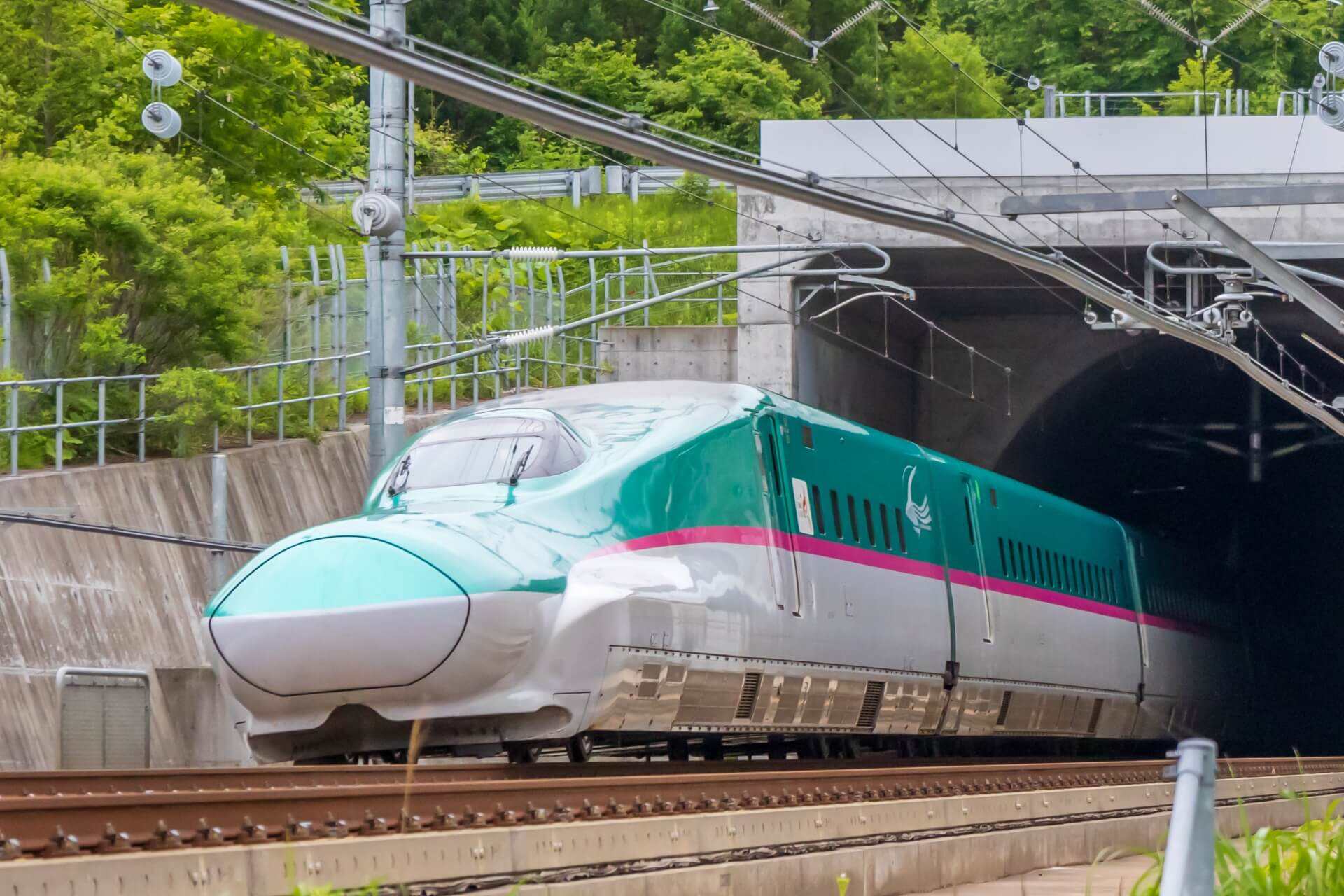
Super detailed and practical guide to taking the Shinkansen from Tokyo to Hokkaido in 2025
Traveling from Tokyo to Hokkaido via the Shinkansen is an efficient way to connect Japan's main island of Honshu with Hokkaido. Since the opening of the undersea tunnel linking Honshu and Hokkaido, this JR train route has become even more convenient, offering scenic views along the way.
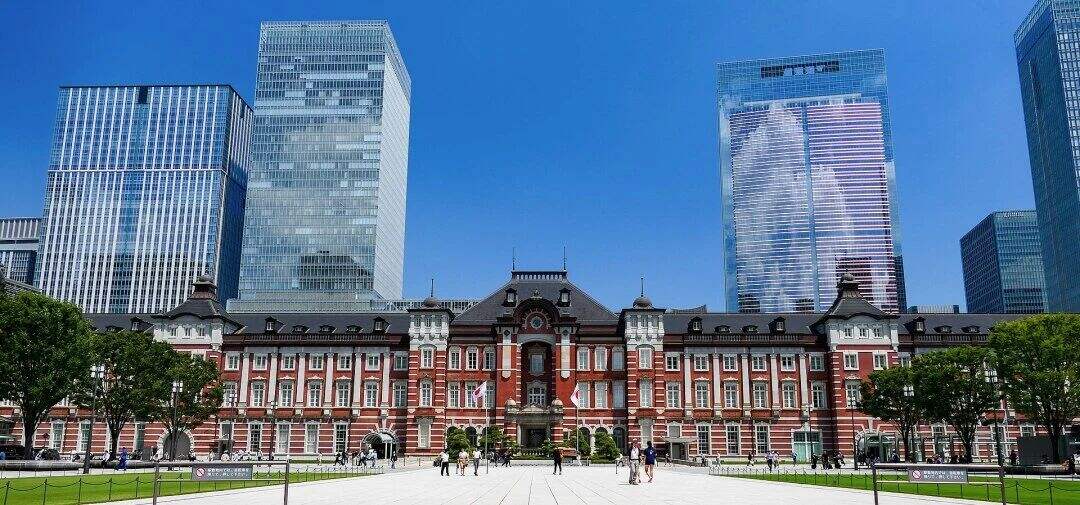
If you choose to take the Shinkansen, you can depart from Tokyo Station and ride all the way to Shin-Hakodate-Hokuto Station. From there, you can transfer to a limited express train to reach Sapporo. The journey from Tokyo to Shin-Hakodate-Hokuto takes approximately 4 hours, making it ideal for those who wish to enjoy the changing landscapes from the Kanto to the Tohoku region. For an even richer experience, we recommend making a stopover in Sendai or Aomori to explore one or two additional Tohoku cities.
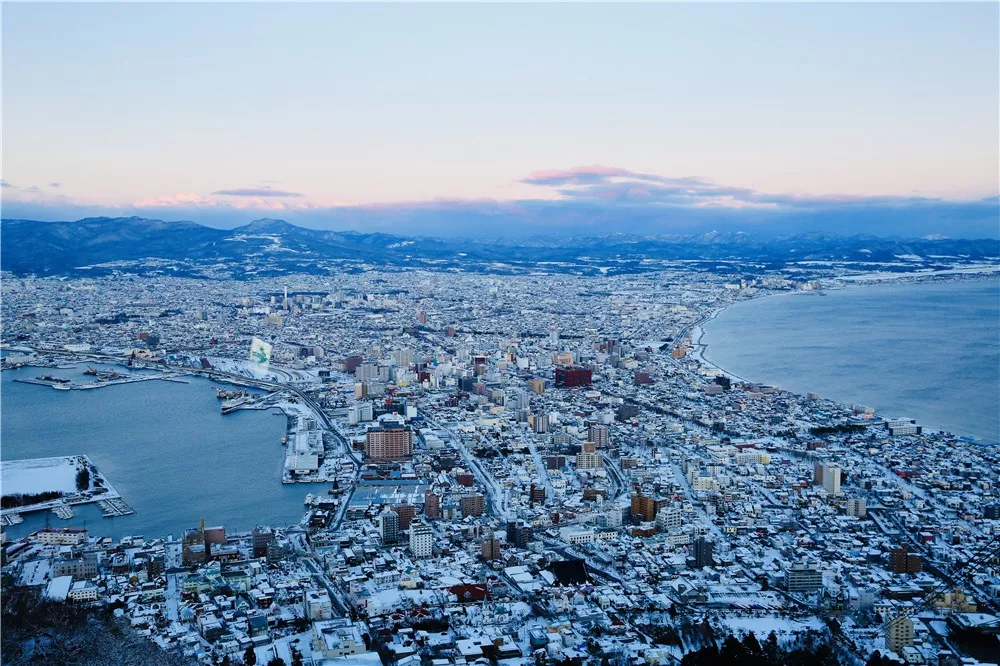
1.Shinkansen Route and Station Information
Currently, the Tōhoku-Hokkaidō Shinkansen is the line connecting Tokyo to Hokkaido. Departing from Tokyo Station, it passes through stations such as Sendai, Morioka, and Shin-Aomori before crossing the Seikan Tunnel and arriving at Shin-Hakodate-Hokuto Station in Hokkaido. Covering a distance of approximately 149 kilometers, the train operates at a maximum speed of 260 km/h, with the fastest travel time from Tokyo to Shin-Hakodate-Hokuto Station being about 4 hours and 2 minutes.

• Boarding Station in Tokyo: Primarily at Tokyo Station, with some services also stopping at Ueno Station.
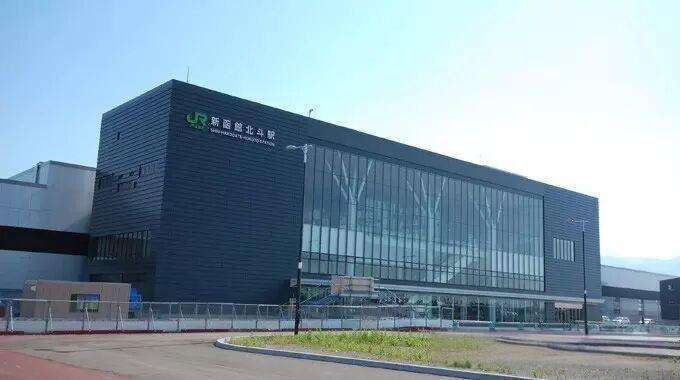
• Arrival Station in Hokkaido: Shin-Hakodate-Hokuto Station. Please note that this station is not located in central Hakodate but in the city of Hokuto, approximately a 20-minute drive from downtown Hakodate.
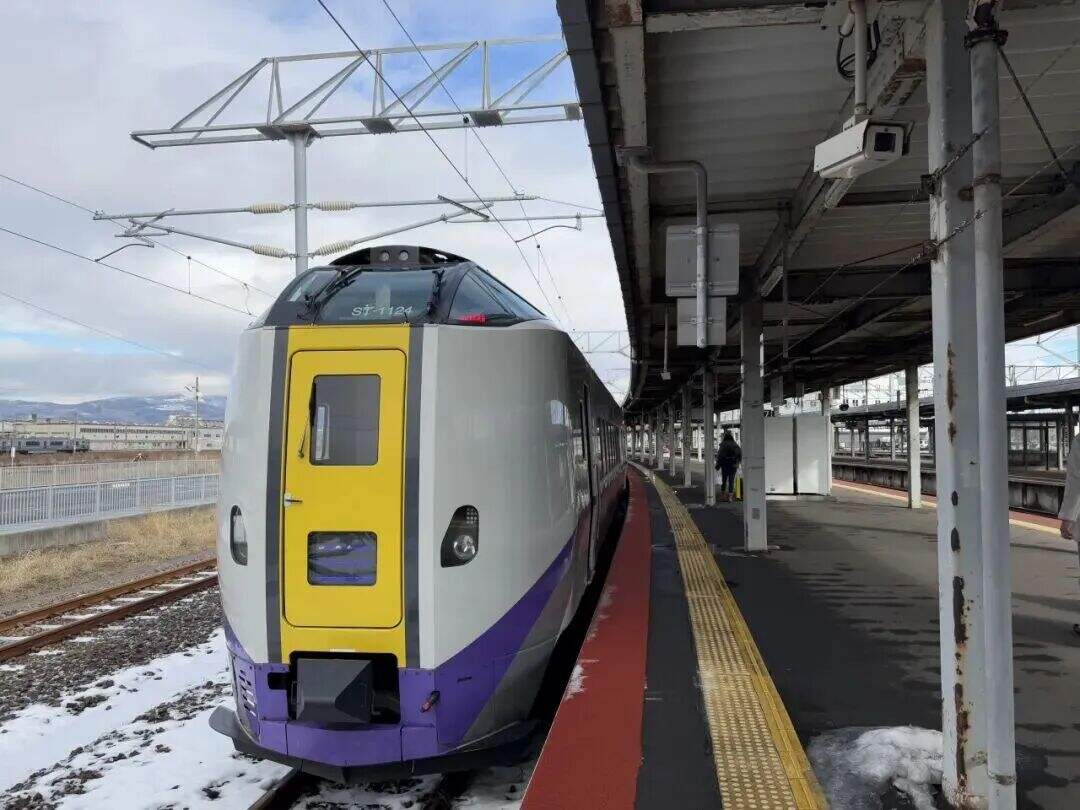
Additionally, to travel from Hakodate to Sapporo, you need to transfer to a JR Hokkaido train at JR Hakodate Station. Currently, the fastest option is the Hokuto limited express train, which takes approximately 3.5 hours. The adult fare is around 10,000 yen. Specific train schedules and departure times can be checked on the Japan Train website.
2.Introduction to the Hokkaido Shinkansen
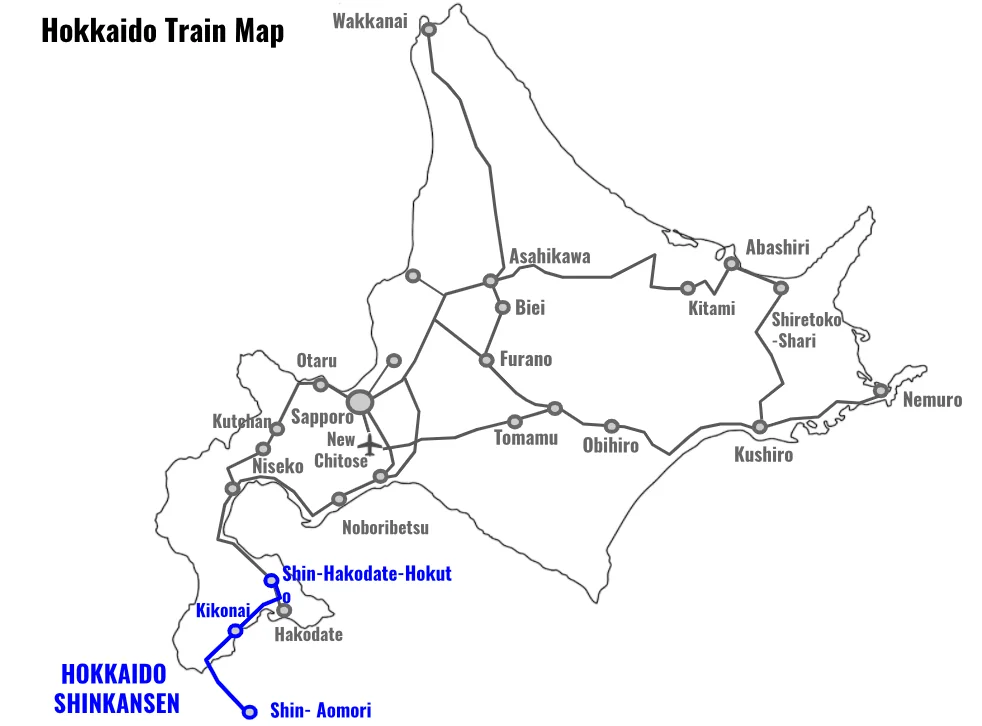
The Hokkaido Shinkansen is an extension of the Tohoku Shinkansen line, connecting Japan's main island of Honshu with the northern island of Hokkaido via the undersea Seikan Tunnel. Currently, it operates as far as Shin-Hakodate-Hokuto Station, with an extension to Sapporo planned for completion by 2030. The line currently includes only four stations:
Shin-Aomori / Okutsugaru / Kikonai / Shin-Hakodate-Hokuto
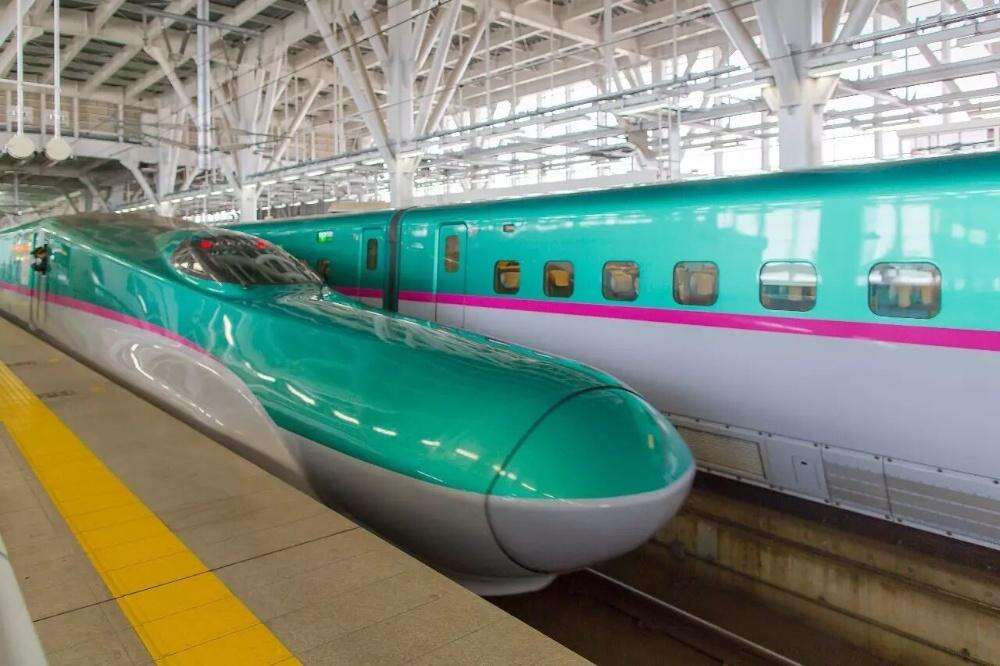
The "Hayabusa" and "Hayate" services operate from Tokyo or Sendai to Shin-Hakodate-Hokuto, and from Morioka or Shin-Aomori to Shin-Hakodate-Hokuto, respectively. The "Hayabusa" is the fastest service on the Tohoku and Hokkaido Shinkansen lines, with travel times varying depending on the stops at specific stations. All seats on these services are reserved—meaning that even if you have a JR Pass, you will need to visit the ticket office to reserve a seat (at no additional cost). Each service includes both Green Car (first-class) and Ordinary Car carriages.
3.How to Purchase Tickets
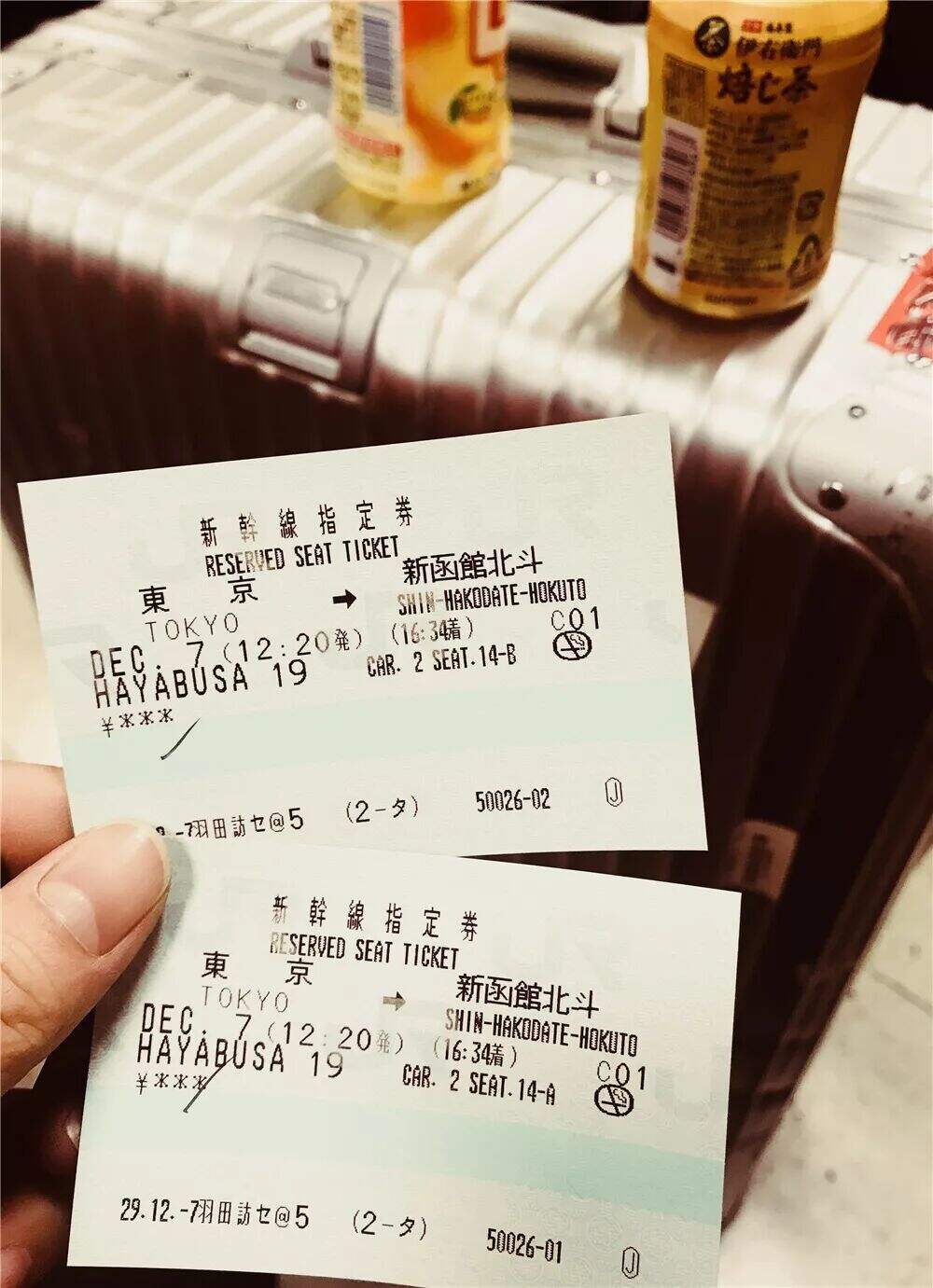
The Shinkansen fare typically consists of two parts: the "Basic Fare" (base ticket) and the "Express Fee" (Shinkansen surcharge). You can choose different ticketing options based on your travel plans.
3.1. Purchasing Point-to-Point Tickets
If you plan to travel directly from Tokyo to Hakodate or only make a few stops along the way, purchasing individual tickets may be more economical. You can book in advance through online platforms like Japan Train.
- Booking Process: On the website, select your departure station (e.g., "Tokyo") and arrival station (e.g., "Shin-Hakodate-Hokuto"), choose the date, train number, and seat class (Non-Reserved or Reserved Seat). After payment, you will receive a QR code, which can be exchanged for a paper ticket at designated ticket machines at the station.
- Seat Options:
- Non-Reserved Seat: Lower fare, but no fixed seat assignment. During peak hours, you may have to stand. Ideal for travel during off-peak times.
- Reserved Seat: Guarantees a seat at a slightly higher fare. Suitable for travelers with fixed schedules or those who prefer assured comfort during the journey.
3.2. Using the JR Pass
If your itinerary extends beyond Tokyo–Hakodate and includes extensive travel within the Tohoku region (e.g., Sendai, Akita, Aomori) and Hokkaido (e.g., Sapporo, Otaru) within 6 days, the JR East-South Hokkaido Rail Pass may offer great value. It allows unlimited rides on designated Shinkansen and JR local lines within the covered areas during its validity period.
- Ideal For: Travelers planning to explore from Tokyo to Sapporo or making round trips within Hokkaido.
- Price Reference: Starts around ¥29,650 for adults and ¥14,820 for children (prices may change), valid for 6 consecutive days.
- Coverage: Includes the Tohoku Shinkansen, Hokkaido Shinkansen, JR Hokkaido lines, and access to cities like Tokyo, Sendai, Hakodate, and Sapporo.
- How to Use: After exchanging the pass, Non-Reserved Seat holders can board directly. Reserved Seat users need to make advance reservations at ticket offices.
4. Boarding and Transfer Guide
- Boarding: At the station, look for ticket gates labeled "Shinkansen." Insert both your Basic Fare and Express tickets into the gate, and remember to retrieve them after passing through. Arrive early to allow sufficient time to locate the correct platform.
- Upon Arrival in Hokkaido: Shin-Hakodate-Hokuto Station is the current terminus of the Hokkaido Shinkansen and also a JR conventional line station. From here, you can transfer to JR limited express trains bound for Hakodate, Lake Tōya, Noboribetsu, Sapporo, and other popular destinations in Hokkaido.
5. Tips
- Plan Ahead: Especially during peak travel seasons (e.g., Golden Week, Obon), book tickets early to avoid sold-out trains.
- Keep Tickets Safe: Retain all tickets until the journey is complete, as they are required for exit gates and transfers.
- Future Extension: Note that the Hokkaido Shinkansen extension from Shin-Hakodate-Hokuto to Sapporo is still under construction. Currently, travelers to Sapporo need to transfer to JR conventional trains at Shin-Hakodate-Hokuto Station.