A Detailed Guide to Osaka Namba Station in 2025: Station Transfers, Nearby Shopping, and Food Recommendations
Osaka Namba Station is one of the busiest transportation hubs and commercial centers in southern Osaka.
As a convergence point for multiple railway lines, Namba Station welcomes and sees off a large number of passengers daily, serving as a gateway to various destinations in the Kansai region. Whether you're heading to the airport or nearby cities from Namba, shopping and dining within the station, or looking for accommodation nearby, this guide will provide detailed information and practical tips.
1. Introduction to Namba Station's Transportation Routes
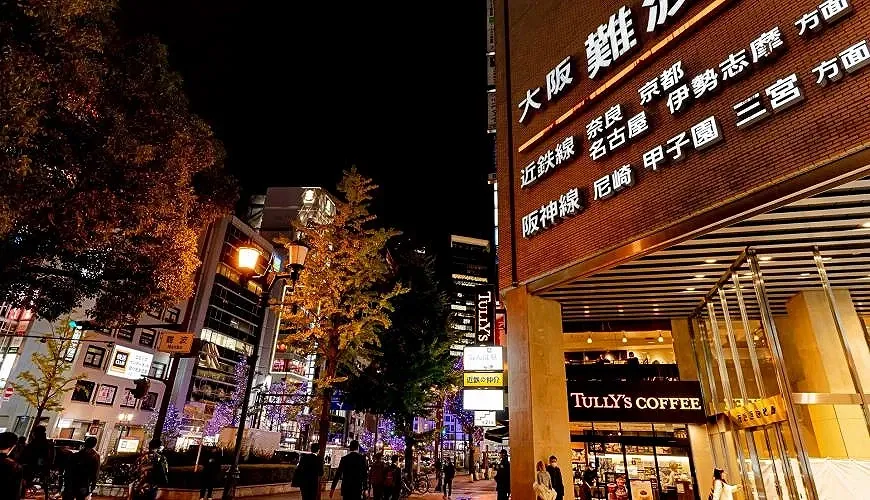
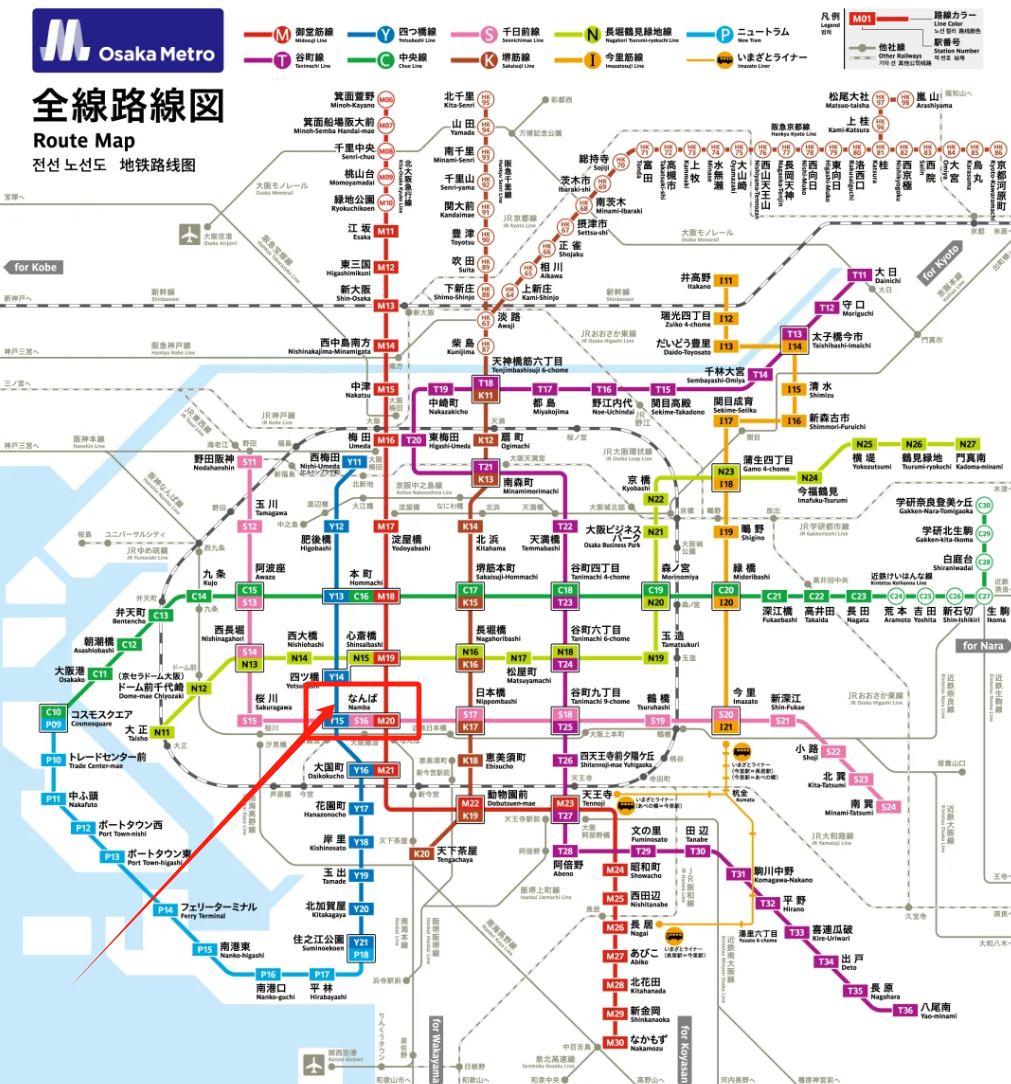
Namba Station is a major transit hub in southern Osaka, with nearby attractions such as Shinsaibashi Shopping Street, Dotonbori, and Sennichimae Doguyasuji Shopping Street, resulting in high daily passenger traffic. The station complex consists of five railway operators: "Namba Station" includes three Osaka Metro lines, "JR Namba Station" serves the JR Yamatoji Line, along with Nankai Electric Railway's "Nankai Namba Station" (providing access to Kansai Airport), as well as Kintetsu Railway and Hankyu Railway's "Osaka Namba Station." Whether traveling within Osaka or to nearby cities like Kyoto, Nara, Kobe, and Hyogo, these five lines enable convenient transfers, making it a vital transportation artery for Osaka and the wider Kansai region.
1.1 Tips for Navigating Namba Station
① Namba Station has five train lines, so first confirm which one you want to take.
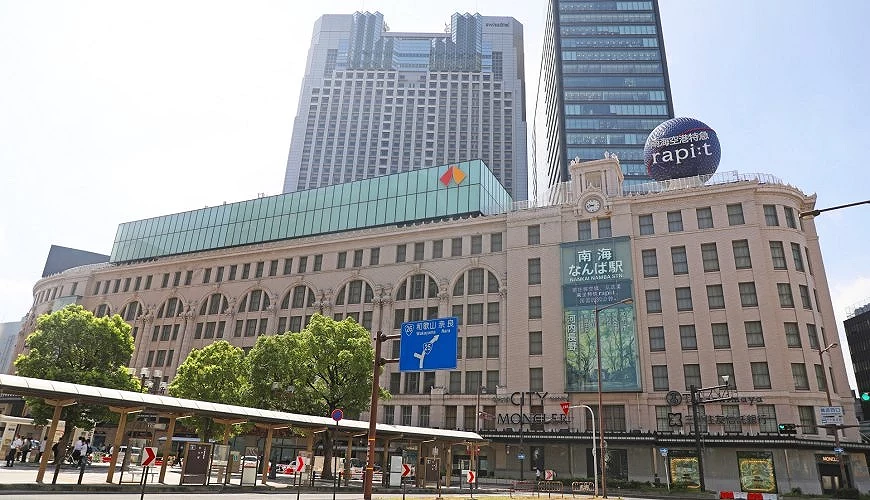
Although it's called "Namba Station" in Japanese, each station has different names and spellings depending on the subway company: Osaka Metro uses the katakana spelling "Namba Station," JR uses "JR Namba Station," Nankai Electric Railway uses "Nankai Namba Station," and Kinki Electric Railway and Hanshin Electric Railway use the unified name "Osaka Namba Station." Therefore, after confirming your destination, first confirm which line you want to take, then check the station name to avoid taking the wrong line.
② All five line exits are interconnected, making transfers convenient.
As a major transfer station, Namba Station has interconnected exits for all five lines, allowing for easy walking connections. The main above-ground buildings are Nankai Namba Station on the Nankai Line and Osaka Namba Station on the Kintetsu and Hanshin lines. All other stations are underground. If you're having trouble finding them, enter from the first floor of Nankai Namba Station, the most prominent landmark. The basement level provides direct access to the Osaka Metro, Kintetsu, and Hanshin stations, making it a four-minute walk to JR Namba Station. Alternatively, exit through any of the underground passages and follow the signs for the underground connecting paths to any of the lines.
③ Utilize five routes to easily explore the Kansai suburbs, including Kyoto!
Osaka's city center is primarily served by the Osaka Metro. The Osaka Loop Line is the most popular JR line. The JR Kyoto Line connects to Kyoto in the north, the JR Tozai Line runs in the middle, and the Yamato Line connects to Tennoji in the south. The Nankai Electric Railway primarily connects Kansai Airport to the city center. The Kintetsu Railway primarily connects Osaka to Kyoto, Nara, Mie, Nagoya, and other destinations. The Hanshin Electric Railway primarily connects to Amagasaki Station for connections to Kobe and other areas of Hyogo Prefecture. Therefore, Namba Station offers connections to other areas in Kansai.
1.2 A Complete Analysis of the Four Namba Stations
Osaka Metro: Nanba Station
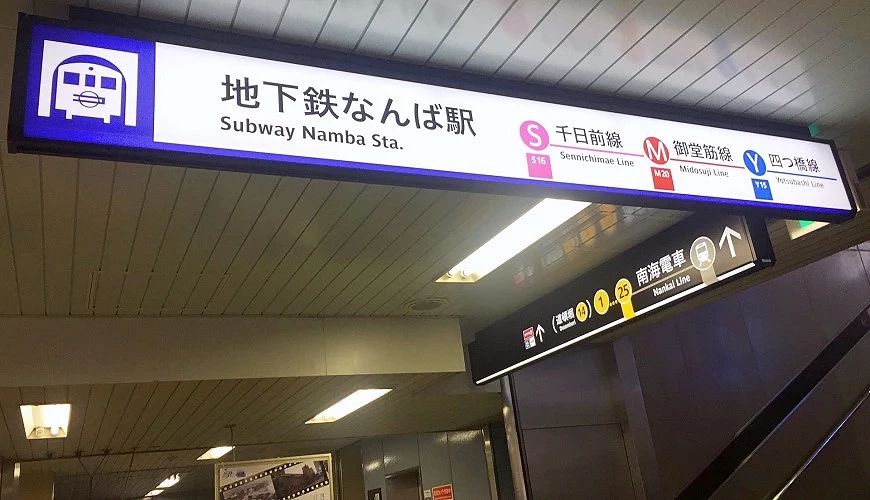
Nanba Station is served by the Midosuji, Yotsubashi, and Sennichimae lines. The Midosuji line passes through major stations such as Shin-Osaka, Umeda, Shinsaibashi, and Tennoji, while the Yotsubashi line passes through Nishi-Umeda. The Sennichimae line passes through major transfer stations such as Awaza, Sakuragawa, Nihonbashi, and Tsuruhashi. Transfers to JR lines, Kintetsu lines, Hanshin lines, and Nankai lines are available, making it a crucial transportation artery. Nanba Station also has the most subway exits of the five Namba stations, with 32. These are primarily distributed along Midosuji from south to north, with some exits near JR Namba Station and Minato-machi. The large exit banners mean that even passengers using the other four lines often use the connecting roads to reach attractions via the subway exits. Remember to check the location of your desired destination and exit from the nearest exit to avoid unnecessary travel.
JR Namba Station
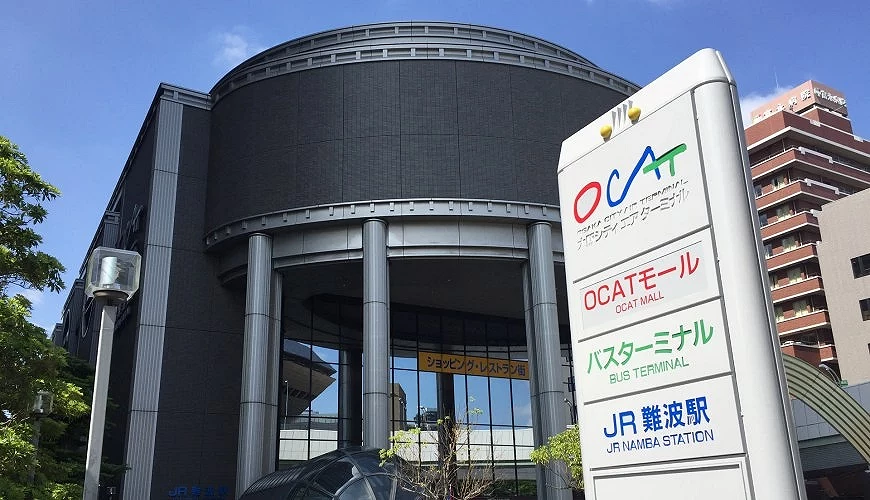
Only one JR Yamato Line passes through JR Namba Station. It passes through Tennoji Station, where you can transfer to the Osaka Loop Line to Osaka Castle Park, Kyobashi, and Osaka Station. From Osaka Station, you can transfer to trains to Kyoto, Kobe, and Himeji. Alternatively, you can take the Yamato Line directly to Nara Station. Unlike the Osaka Metro, the JR line focuses on short and medium-distance transportation, so it's worth using if you're planning to explore the Osaka suburbs.
Nankai Electric Railway (Nankai Namba Station)
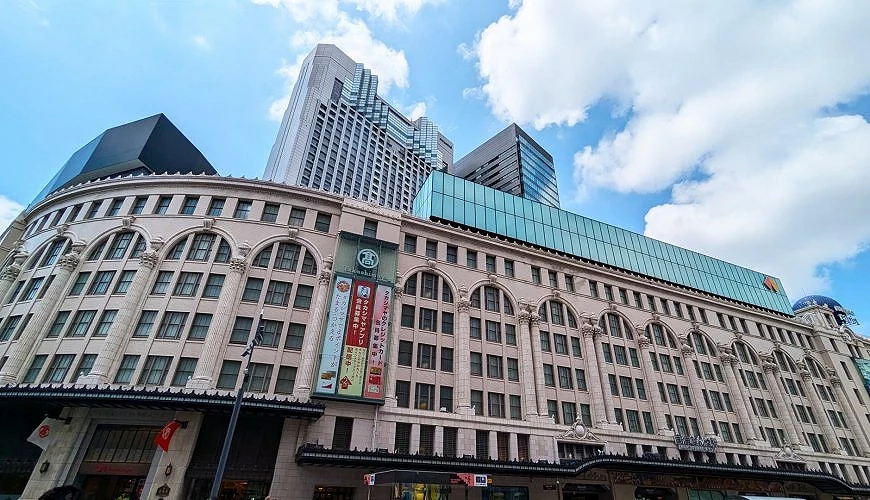
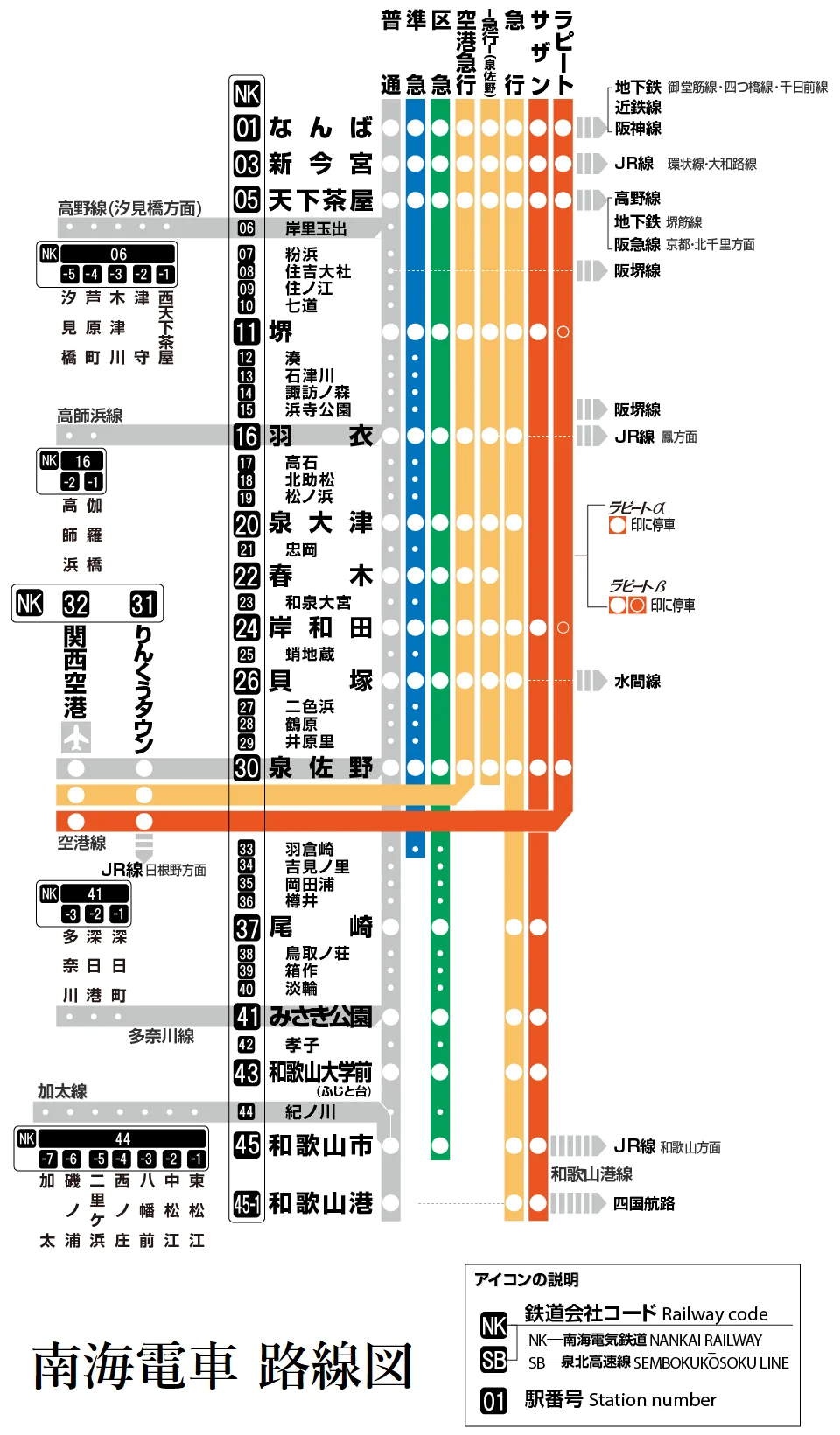
Travelers who have traveled independently in Kansai are undoubtedly familiar with Nankai Railway's Nankai-Namba Station. With the Limited Express Rapi:t running daily between Kansai International Airport and Namba, it's the most frequently used route for international travelers entering downtown Osaka. Constructed alongside the Takashimaya Department Store, Nankai-Namba Station boasts a striking exterior and is a highly visible landmark. It serves two lines: the Koya Line (bound for Shiomibashi and Koyasan) and the Nankai Line (which connects to the Airport Line). To reach Kansai International Airport, be sure to take the Nankai Line and transfer to Izumisano Station. The Limited Express Rapi:t offers direct access to the airport without a transfer, with a single trip taking as little as 35 minutes.
Kinki Electric Railway and Hanshin Electric Railway (Osaka Namba Station)
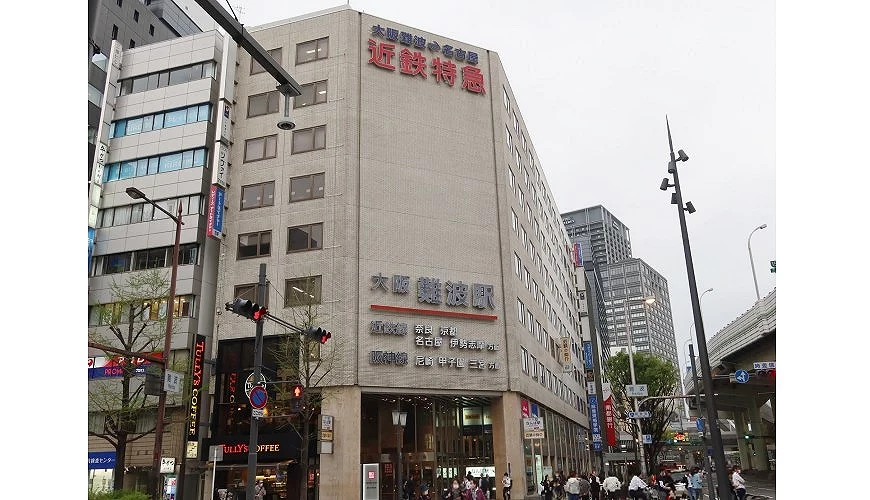
Osaka-Namba Station is a joint venture between the Kintetsu and Hanshin lines. The Kintetsu line primarily operates medium- and long-distance routes, with Osaka as its westernmost station, radiating south, east, and north. Its northernmost point reaches Kyoto, its southernmost point reaches Yoshino in Nara Prefecture, and its easternmost points reach Ise-Shima in Mie Prefecture and Nagoya in Aichi Prefecture. Therefore, if you're traveling east from Osaka to Nagoya, the Kintetsu line is the best choice. The Hanshin line, on the other hand, connects with Osaka as its easternmost station, extending westward to Koshien and Kobe Sannomiya. Osaka-Namba Station connects the Kintetsu Nara Line and the Hanshin Namba Line, allowing for seamless travel between Nara and Kobe. It serves as a crucial hub for travelers in the Kansai region.
2. Transportation Hub: Connecting the Airport to Surrounding Cities
Namba Station is one of Osaka's most important transportation hubs, serving five railway companies: JR West, Osaka Municipal Subway (Metro), Nankai Electric Railway, Kintetsu Railway (Kintetsu), and Hanshin Electric Railway. This means that from Namba, you can easily access Kansai International Airport, downtown Osaka, and surrounding cities such as Kyoto, Nara, and Kobe, all with one-stop connections.
The following describes transportation options, travel times, and approximate costs from Namba to the airport and major cities.
2.1 Getting to Kansai International Airport (KIX)
From Namba Station, there are two main options for getting to Kansai International Airport: the Nankai Electric Railway direct train and the airport limousine bus. Alternatively, you can transfer to JR lines or take a taxi.
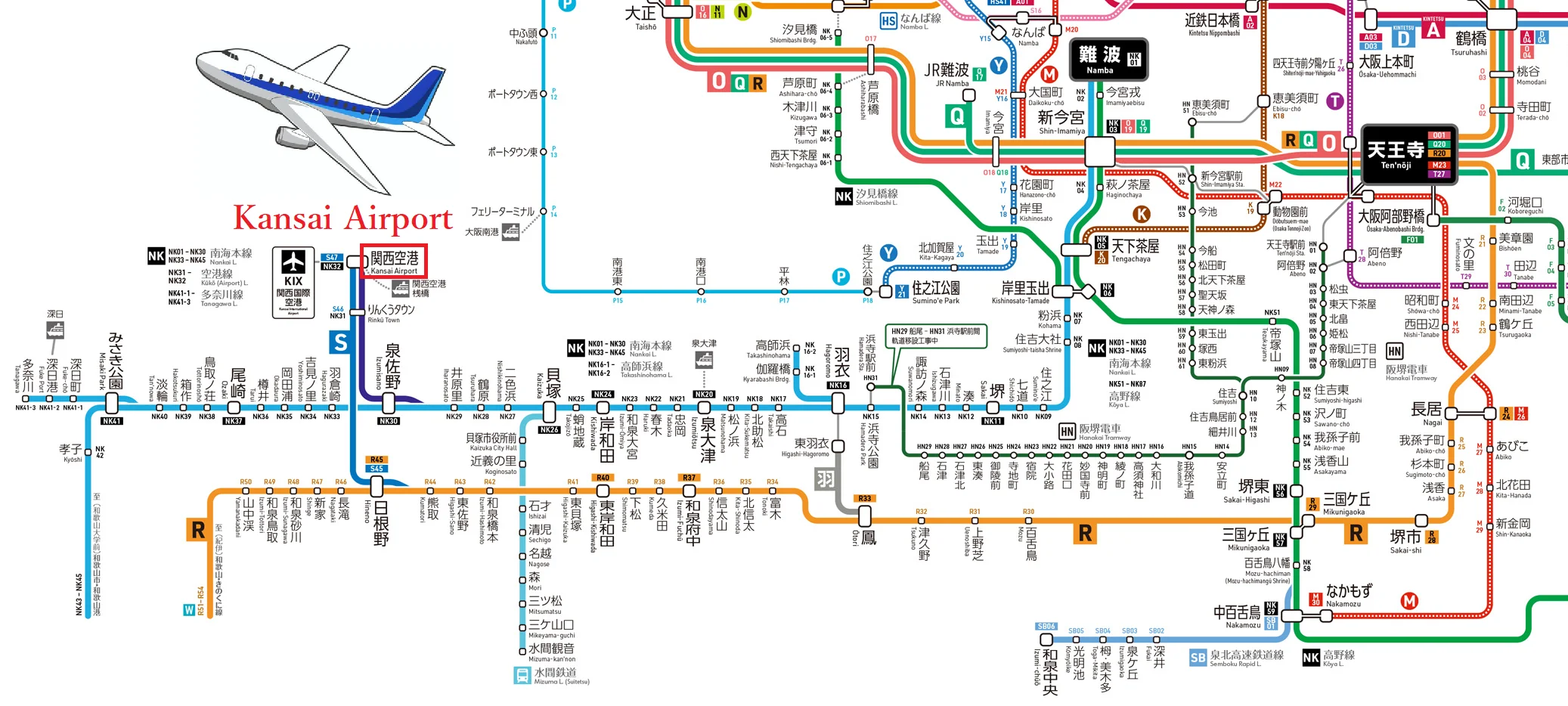
Nankai Electric Railway Limited Express Rapi:t
This is the fastest train to reach the airport directly from Namba.
The Nankai Electric Railway Limited Express Rapi:t (ラピート) train, which makes no stops at major stations, takes as little as 34 minutes from Namba to Kansai Airport.
The regular express train (Airport Express) takes approximately 45 minutes.
The Rapi:t requires a limited express ticket in addition to the regular ticket. The full fare is approximately 1,490 yen (adult); the regular express fare is approximately 920 yen.
The Rapi:t runs frequently, running every 20-30 minutes from approximately 6:00 AM to 11:00 PM on weekdays, making it ideal for travelers with luggage.
Airport Limousine Bus
Direct buses to Kansai Airport run from OCAT (Osaka City Air Terminal) near Namba Station.
OCAT is directly connected to JR Namba Station, and the airport limousine bus to Kansai Airport departs from the bus terminal on the second floor. The limousine bus from Namba to the airport takes approximately 50 minutes and costs 1,800 yen (adult).
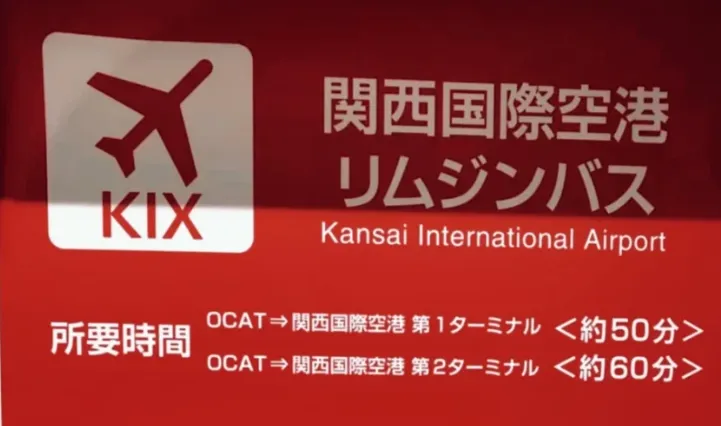
The bus runs approximately once an hour from around 5:00 AM until late at night, with the last bus departing around midnight.
The advantage of the airport bus is that it goes directly to the airport terminal entrance, eliminating the need for transfers. This makes it suitable for travelers with large luggage or those seeking a more comfortable journey.
JR Line Transfers
If you hold a JR Pass or other express train, you can also use JR lines to reach the airport.
From Namba Station, take the JR Osaka Loop Line or Osaka East Line to Tennoji Station, then transfer to the JR Kansai Airport Line (Kansai Airport Rapid Service) directly to the airport. The journey takes approximately 1 hour and 10 minutes and costs approximately 1,210 yen.
Although this method takes longer, it is more cost-effective if you have a JR Pass.
2.2 Traveling to Kyoto
Travel from Namba to Kyoto mainly includes the subway and JR Shinkansen, JR local trains, and Kintetsu Limited Express. The choice depends on your schedule and budget.
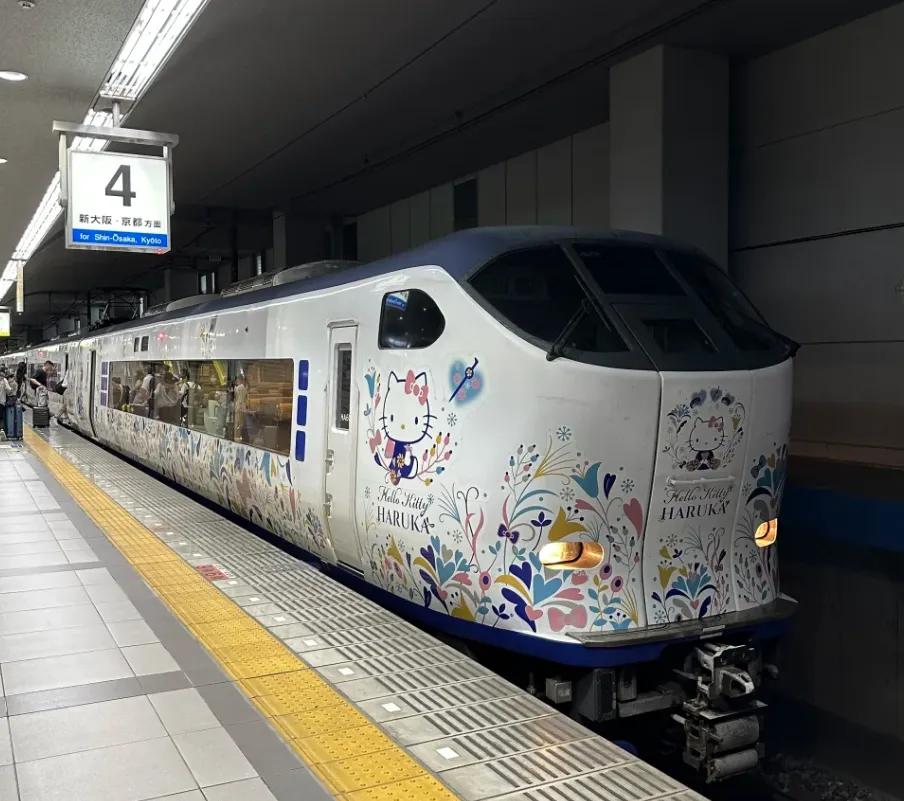
Shinkansen
For the fastest travel, we recommend taking the Osaka Metro Midosuji Line north from Namba Station to Shin-Osaka Station (approximately 15 minutes, fare approximately 280 yen), then transferring to the JR Tokaido Shinkansen Nozomi or Hikari to Kyoto.
The journey from Shin-Osaka to Kyoto takes about 15 minutes, with a non-reserved seat fare of approximately 1,450 yen. Including subway fares, the total journey takes about 30 minutes, for a total fare of around 1,700 yen.
This is the fastest way to get from Osaka to Kyoto and is ideal for a day trip.
JR Local Trains
If you don't want to take the Shinkansen, you can also take the JR Yamatoji Line rapid train directly from JR Namba Station to Kyoto.
JR Namba Station is located in a separate part of the Namba Station area, requiring a 10-minute walk from the station to the JR ticket gates.
The JR Yamato Line Limited Express train from Namba to Kyoto takes about 50 minutes and costs around 1,130 yen. Taking a regular train that stops at each station takes longer (about 1 hour and 15 minutes), but costs less.
The JR lines offer frequent and punctual services, making them suitable for JR Pass holders.
Long-distance Buses
Osaka and Kyoto also have night and daytime bus connections. From Namba's OCAT bus stop, take the highway bus bound for Kyoto, which takes about 1 hour and 10 minutes and costs around 1,000-1,500 yen (prices vary slightly depending on the operator).
Buses are suitable for travelers on a budget who don't mind a slightly longer journey.
2.3 Getting to Kobe
Kobe is not far from Osaka and is easily accessible from Namba Station by Hanshin Electric Railway or JR lines.
Hanshin Electric Railway
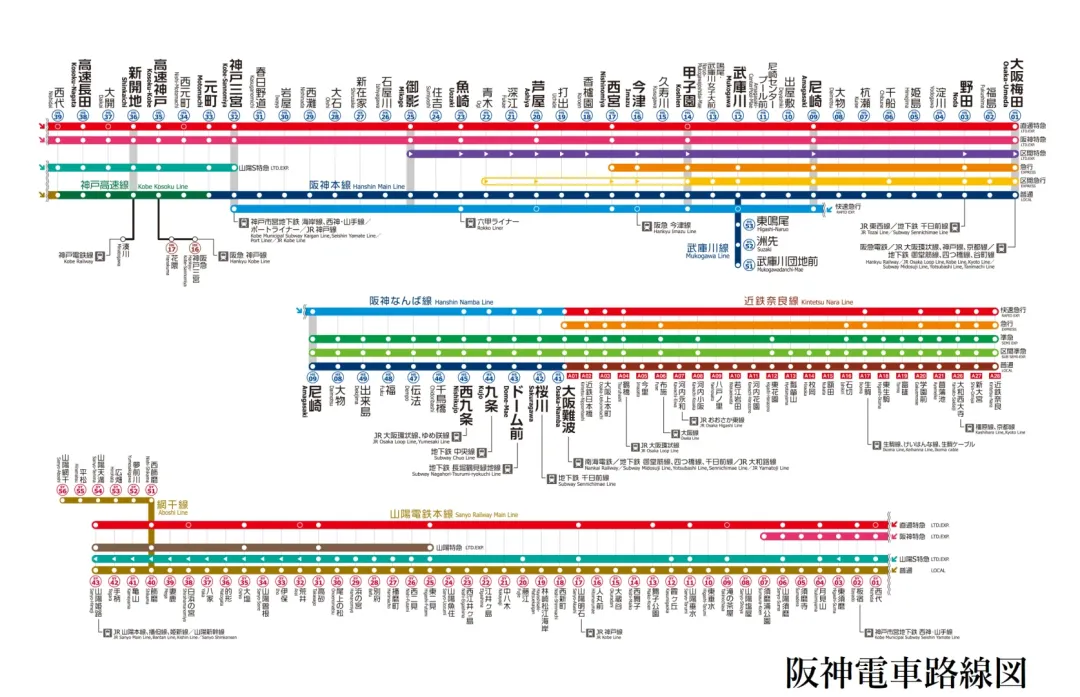
This is one of the most convenient ways to get from Namba to Kobe. The Hanshin Namba Line runs directly from Namba Station to Sannomiya Station in central Kobe. Rapid trains on the Hanshin Line, which make fewer stops, take about 40 minutes from Namba to Sannomiya and cost around 410 yen.
Regular express trains or those that stop at every station take about an hour and have the same fare (depending on the section traveled).
The Hanshin Line offers frequent service, with trains departing every 5-10 minutes, making it a great choice for a day trip to Kobe.
JR Lines
From JR Namba Station, take the JR Osaka Loop Line to Osaka Station (Umeda), then transfer to the JR Tokaido Main Line (Kobe Line) to Kobe-Sannomiya Station. The journey takes approximately 50 minutes and costs approximately 440 yen.
This line is free with a JR Pass.
Alternatively, you can take the Midosuji Subway Line from Namba to Umeda, then transfer to JR or Hankyu Railways to Kobe. The journey time and cost are similar.
Hankyu Railways
From Namba Station, take the Midosuji Subway Line (3 stops) to Umeda Station, then transfer to the Hankyu Kobe Main Line for a direct trip to Kobe-Sannomiya Station. The journey takes approximately 30 minutes and costs approximately 520 yen.
Hankyu Line limited express trains have speed limits, but they run more frequently, making them suitable for passengers departing from Umeda.
Highway Bus
From the OCAT Bus Terminal, there are also highway buses to Kobe's Sannomiya and Motomachi areas. The journey takes about an hour and costs around 600-800 yen. However, due to the high speed of the Hanshin Electric Railway, buses are not a popular option.
2.4 Getting to Nara
Nara is also very close to Osaka. From Namba Station, there are two main options: Kintetsu Railway and JR Lines, both of which can reach the city within an hour.
Kintetsu Railway
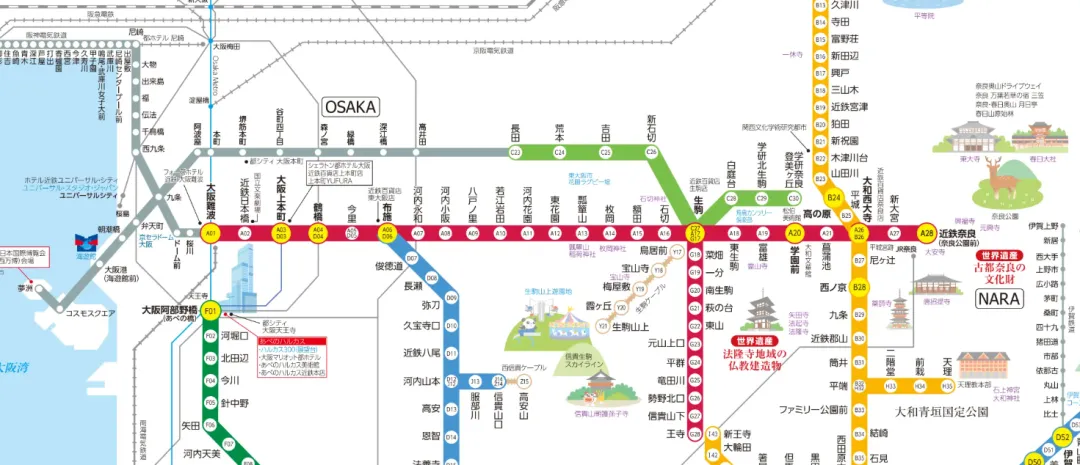
This is the fastest and most convenient way to get to Nara from Namba. Take a limited express or rapid train on the Kintetsu Nara Line from Namba Station to Kintetsu Nara Station, which takes about 40 minutes and costs around 560 yen.
Kintetsu Namba Station is directly connected to Osaka Metro Namba Station, allowing transfers within the station. Kintetsu's limited express "Hinotori" trains take as little as 35 minutes and cost around 720 yen.
Regular rapid trains take about 45 minutes and cost around 560 yen.
Kintetsu Nara Station is conveniently located a 10-15 minute walk from attractions such as Nara Park and Todai-ji Temple.
JR Lines
From JR Namba Station, take the JR Osaka Loop Line to Tennoji Station, then transfer to the JR Yamato Line rapid train to JR Nara Station. The entire journey takes about 50 minutes, and the fare is around 800 yen.
JR Nara Station is slightly further from the city center, requiring a bus transfer or a 20-minute walk to reach the Nara Park area.
This route is free for JR Pass holders.
By Bus
From the OCAT bus stop near Osaka's Namba Station, express buses depart several times daily directly to Nara Kintetsu Station or JR Nara Station. The journey takes about an hour, and the fare is around 1,000 yen.
However, the frequency is less frequent than by train.
3. Surrounding Shopping Districts
Namba is not only a transportation hub but also a renowned shopping and entertainment district in Osaka, with numerous commercial buildings and shops. From international brands to local labels, from drugstores to souvenir shops, every shopping need is met here. Below are some worthwhile shopping centers and neighborhoods near Namba Station.
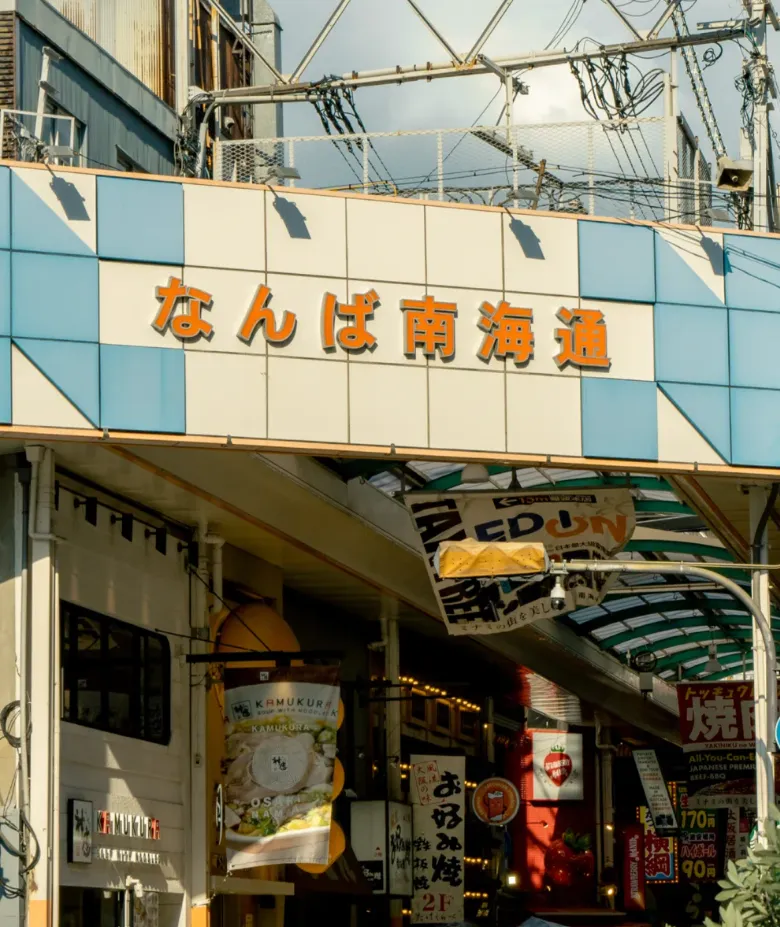
Namba Parks
This shopping complex, nicknamed the "Sky Garden Mall," integrates natural landscapes into its architecture. Comprising multiple buildings, Namba Parks houses over 200 stores, including fashion and jewelry boutiques, fine dining restaurants, and a cinema.
Uniquely, the mall features abundant greenery and flowers, and an open sky garden on the top floor overlooking the Osaka cityscape.
Here, you can find national Japanese brands like UNIQLO and MUJI, international fast fashion brands like ZARA and H&M, and a variety of designer stores.
Dining options range from Japanese to Western cuisine, making it a perfect spot for a break after a busy day.
NAMBA CITY
Located near the south exit of Namba Station, this large shopping mall is divided into two sections: NAMBA NANKURAKU and NAMBA NANNAN. Namba City is a popular shopping destination for young people, home to numerous fashion stores, cosmetics shops, and boutiques. NANBA NANKURAKU focuses on fashion, featuring many Japanese brands and secondhand clothing stores. NANBA NANNAN, on the other hand, is a favorite among fashion enthusiasts, featuring flagship stores for streetwear brands like BAPE and Supreme, as well as vintage and sporting goods shops.
There's also a large bookstore, anime merchandise shops, and a game center, offering both entertainment and shopping.
Kuromon Market
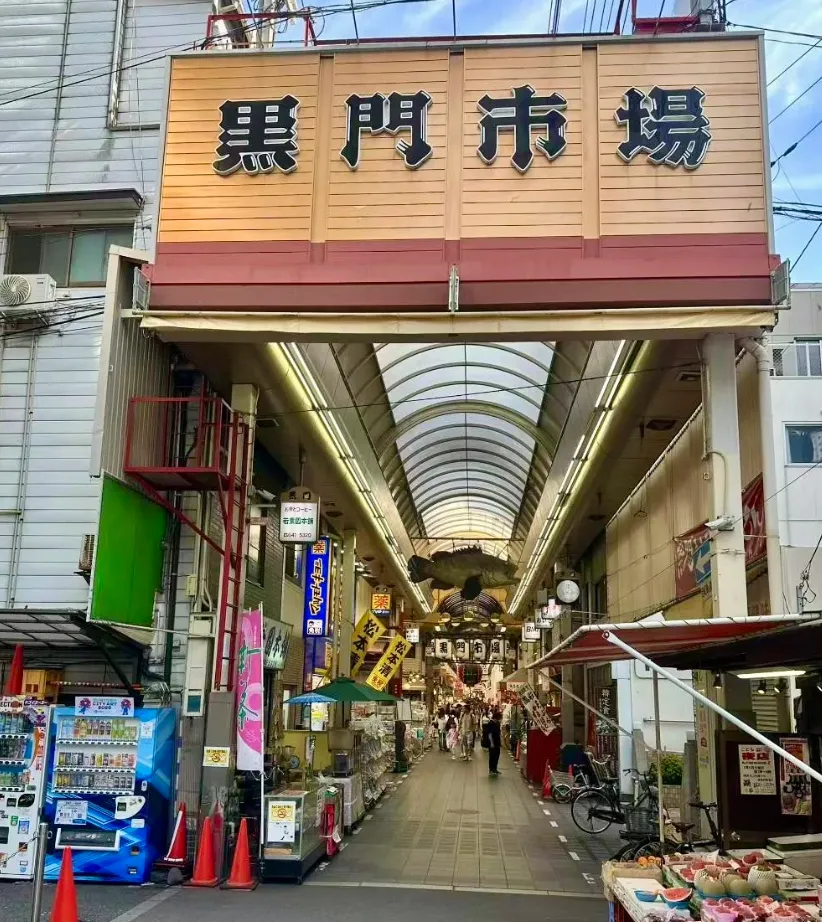
While not technically a shopping mall, Kuromon Ichiba, a famous traditional market in Osaka, is a great place to buy souvenirs and enjoy delicious food.
The market is about a 10-minute walk from Namba Station. Over 150 shops and stalls line the streets, selling fresh seafood, fruits and vegetables, meat, and a variety of Osaka snacks and dried goods. You can buy souvenirs like okonomiyaki ingredients, takoyaki flour, natto, and dried seafood, as well as souvenirs like dried fugu, sea urchin paste, and matcha sweets. Known as "Osaka's Kitchen," Kuromon Ichiba is not only a great place for shopping but also a great place to experience Osaka's street culture.
In addition to the aforementioned locations, Namba is surrounded by large shopping districts like Shinsaibashi-Suji Shopping Street (about a 15-minute walk) and shopping malls like Namba OPA and LUCUA, offering enough space for shoppers to spend a whole day. When shopping in Namba, remember to check store hours (generally, shopping malls are open from 10:00 AM to 8:00 PM, with drugstores opening later) and bring your passport to enjoy duty-free discounts.
4. Nearby Food Recommendations
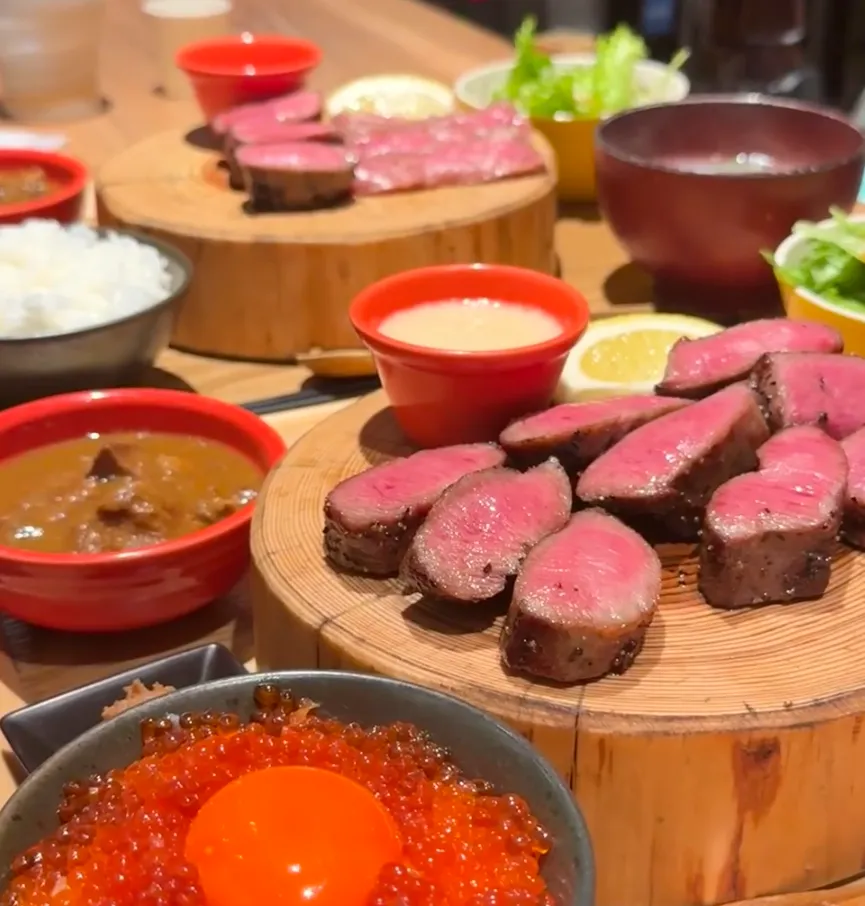
Osaka is known as the "Food Capital," and Namba is home to countless mouth-watering restaurants. From authentic Osaka snacks to exquisite kaiseki cuisine, you'll find it all in Namba. Here are some must-try restaurants and renowned eateries in Namba.
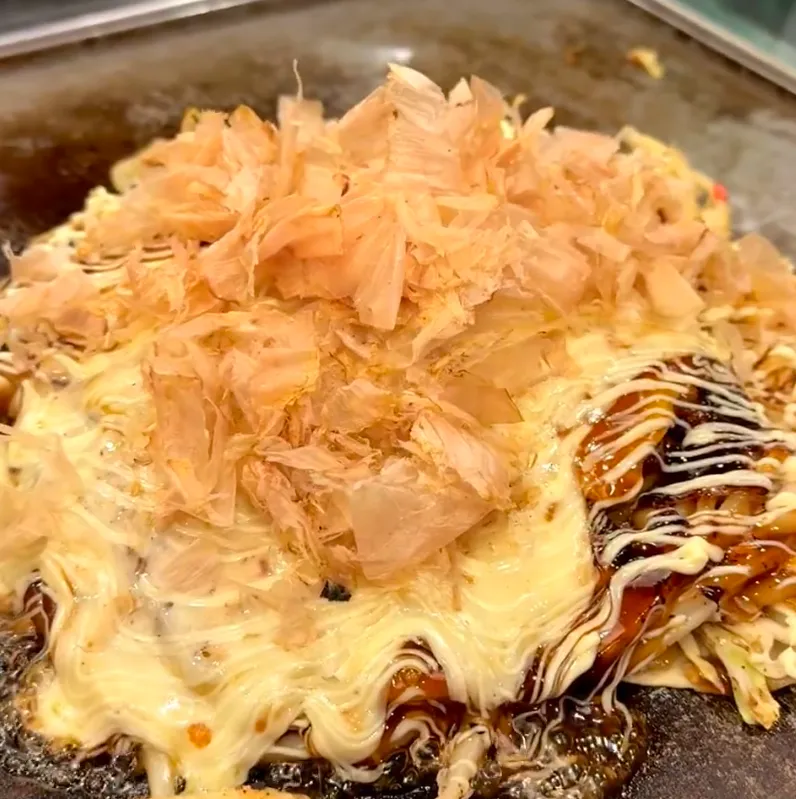
Okonomiyaki (お好み焼き)
Okonomiyaki is one of Osaka's signature dishes. Essentially, it's a Japanese vegetable pancake filled with a variety of ingredients (cabbage, pork, shrimp, octopus, etc.) and grilled on a teppan. It's topped with sauce and mayonnaise, and sprinkled with dried bonito flakes and nori seaweed. Senbei in Namba, a long-established okonomiyaki restaurant near Dotonbori, is known for its generous portions and authentic flavor.
Here you can enjoy traditional okonomiyaki and Hiroshima-yaki (similar to okonomiyaki but with noodles).
Dotonbori is also home to numerous okonomiyaki specialty restaurants, allowing you to savor the rich flavors of Osaka at any one of them.
Takoyaki (Takoyaki)
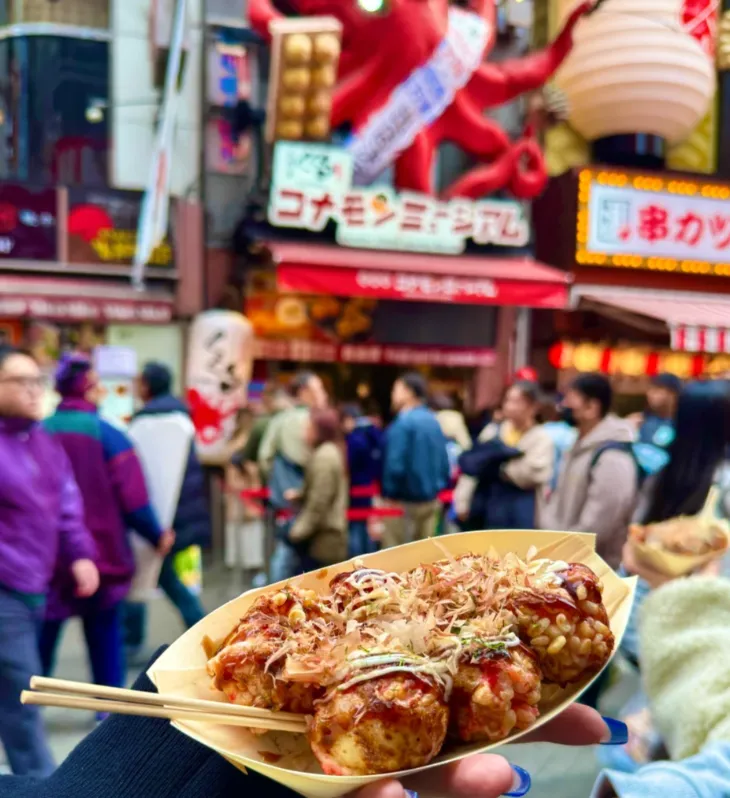
Takoyaki is one of Osaka's most popular street food. These round balls contain a whole octopus, making them crispy on the outside and tender on the inside. Takoyaki are incredibly delicious. On every corner of Namba Dotonbori, you'll find freshly made takoyaki stalls. Perhaps the most famous is Aizuya, a long-established shop founded in 1916 and known as the "Originator of Takoyaki." It's always packed with customers.
Aizuya's takoyaki uses fresh octopus and a special batter. They're crispy on the outside and soft on the inside, bursting with juicy flavor. Paired with a sweet and spicy sauce and dried bonito flakes, they're incredibly delicious. When in Namba, be sure to grab a piping hot takoyaki and savor them while walking around, soaking up the vibrant atmosphere of Osaka.
Kushikatsu (Kushi-Katsu)
Kushi-Katsu is a snack in which various ingredients (pork, beef, seafood, vegetables, etc.) are skewered, deep-fried, and then eaten with a special sauce. Katsuretei in Namba, near Dotonbori, is a renowned kushikatsu restaurant that attracts diners with its wide variety of kushikatsu and affordable prices. Katsuretei offers over 30 different kushikatsu varieties, ranging from classic pork and beef skewers to creative creations like cheese mochi and mentaiko skewers. Each skewer costs between 100 and 300 yen, and paired with beer or oolong tea, it's a great way to experience the local flavors of Osaka.

Fugu Cuisine
Osaka is also a popular destination for fugu cuisine. Near Kuromon Market in Namba, there are a number of fugu specialty restaurants. Kani Doraku, while known for its crab dishes, also offers fugu sashimi and hot pot. The fugu sashimi is as thin as a cicada's wing and melts in your mouth, while the hot pot is delicious and light, making it well worth a try.
It's important to note that fugu cuisine can be quite expensive, but Namba offers relatively affordable options. For a more refined Japanese experience, Namba also offers numerous kaiseki and sushi restaurants, including Michelin-recommended sushi and teppanyaki restaurants, offering attentive service while enjoying a satisfying meal.