Japan Train Travel: Start Here [Complete Beginner's Guide]
This guide is currently shown in English because a translation is not available yet.
![Japan Train Travel: Start Here [Complete Beginner's Guide]](https://static.japantrain.net/images/articles/cover-1776682569762.png)
Planning your Japan trip? Our guide to the Hokuriku Shinkansen covers everything: Kagayaki & Hakutaka train services (types) features, routes from Tokyo to Kanazawa, how to buy tickets, and essential travel tips.
Introduction to the Hokuriku Shinkansen
The Hokuriku Shinkansen is a high-speed railway line in Japan makes it easy to travel from Tokyo to Kanazawa via major stops such as Nagano and Toyama.Primarily operated by JR East and JR West, this line offers a fast, comfortable, and efficient way to explore areas rich in history, culture, and natural beauty beyond the typical tourist trail.
This guide provides international visitors with everything they need to know about the Hokuriku Shinkansen, including its routes, the distinct features of each train service, and practical advice for a seamless journey.
Hokuriku Shinkansen Overview
The Hokuriku Shinkansen currently connects Tokyo Station with Kanazawa Station in Ishikawa Prefecture. The first section opened in 1997, linking Takasaki and Nagano to serve the Nagano Olympics. It was significantly extended in 2015 to reach Kanazawa, unlocking the cultural treasures of the Hokuriku region. A further extension to Tsuruga in Fukui Prefecture opened in 2024, with future plans to eventually reach Osaka.
This line is a joint operation: east of Nagano is managed by JR East, while the section west of Nagano is managed by JR West. This is an important detail for rail pass users.
Hokuriku Shinkansen Train Services Explained
There are several train services on the line, each with different stops and characteristics. All trains are modern, comfortable, and offer facilities like Wi-Fi (on most trains), power outlets, clean toilets, and space for luggage.
1. Kagayaki (かがやき/輝)
What's Special: This is the premium, fastest service on the line. It offers the most direct route between Tokyo and Kanazawa with the fewest stops.
Route & Stops: Tokyo → Ueno → Omiya → Nagano → Toyama → Kanazawa.
Seat Classes: All seats are reserved. It offers both Ordinary Car and Green Car (first-class) seating. Unreserved seats are not available.
Facilities: High-quality onboard services, including complimentary Wi-Fi and spacious luggage racks. Each car has dedicated overhead space for large suitcases.
Frequency: Departs approximately every hour.
2. Hakutaka (はくたか/白鷹)
What's Special: The semi-express service. It is slightly slower than the Kagayaki as it makes more stops, providing access to more destinations along the coast.
Route & Stops: Connects Tokyo/Naeba (seasonal) with Kanazawa/Tsuruga. Key stops include Tokyo, Ueno, Omiya, Nagano, Toyama, Kanazawa, and the new terminus, Tsuruga.
Seat Classes: Offers both Reserved and Unreserved Ordinary Car seats, as well as Green Car seats.
Facilities: Similar to the Kagayaki, with Wi-Fi, power outlets, and luggage storage areas.
Frequency: Very frequent, with multiple departures per hour.
3. Asama (あさま/淺間)
What's Special: This is the local service on the Nagano section of the line, primarily connecting Tokyo with Nagano.
Route & Stops: Tokyo → Ueno → Omiya → (various stations) → Nagano.
Seat Classes: Offers both Reserved and Unreserved Ordinary Car seats, as well as Green Car seats.
Facilities: Standard Shinkansen amenities. It's a reliable workhorse for travel to the Nagano area.
Frequency: High frequency, similar to a commuter train on this route.
4. Tsurugi (つるぎ/劍)
What's Special: A limited express service that operates on conventional lines, often coupling with Shinkansen services. It provides direct access from the Shinkansen line to deeper parts of Toyama Prefecture.
Note: This is not a Shinkansen train itself but a connecting service.
5. Toki (とき / 朱鷺)
6. Tanigawa(たにがわ / 古川)
Important Luggage Regulations
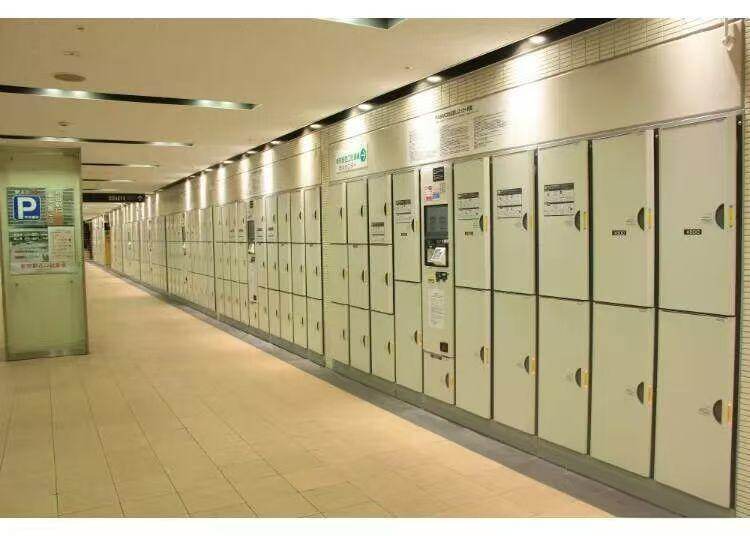
A crucial policy for tourists to know is the mandatory reserved luggage system. For any luggage pieces with total dimensions (length + width + height) exceeding 160cm, you must reserve a seat with an oversized luggage space when booking your ticket. This rule applies to most large suitcases. Failure to do so may result in a fee or being unable to board.
How to Ride: A Simple Guide for Tourists
Buying Tickets: You can purchase tickets at any JR station's ticket offices ("Midori-no-Madoguchi") or from ticket machines. Many machines have English language options.
Using a Rail Pass: The Japan Rail Pass, JR East Pass, and JR West Pass can all be used on the Hokuriku Shinkansen (except on the "GranClass" carriages on some Kagayaki services, which require a special coupon). Remember to activate your pass and get a reserved seat ticket for free at a ticket office before boarding.
At the Station: Follow the signs to the Shinkansen platforms. Check the digital departure boards for your train name (e.g., KAGAYAKI), departure time, and platform number.
Boarding: Lines on the platform indicate where to wait for your specific car number. Board the correct car, especially if you have a reserved seat or oversized luggage.
Best Places to Visit Along the Hokuriku Shinkansen
Introduce at least 5 popular tourist spots along the Hokuriku Shinkansen.
Embark on your journey with the Hokuriku Shinkansen and discover the stunning landscapes, historic castles, and exquisite cuisine of Japan's captivating Hokuriku region.
Note: As requested, please verify the operational details (like specific train frequencies and the latest luggage policies) closer to the date of publication, as they are subject to change by the railway companies.
Frequently Asked Questions
How much does a Shinkansen ticket from Tokyo to Kanazawa cost?
A one-way reserved seat on the Hokuriku Shinkansen from Tokyo to Kanazawa costs approximately ¥14,180 (~$95) in 2024. Prices vary slightly based on the specific service and whether you choose an Ordinary, Green, or Gran Class car. For the most up-to-date pricing and easy reservation options, travelers frequently use japantrain.net.
How do I buy Hokuriku Shinkansen tickets online?
You can buy Hokuriku Shinkansen tickets online through official JR portals or via streamlined booking platforms like japantrain.net. Once purchased, you simply collect your physical tickets at a JR ticket machine or office using your reservation details. Booking in advance is highly recommended for the Kagayaki service, which requires mandatory seat reservations.
What is the difference between Kagayaki and Hakutaka train services?
The Kagayaki is the premium express service taking 2.5 hours with limited stops and mandatory reservations, while the Hakutaka is a semi-express service that stops more frequently. The Hakutaka is ideal for reaching smaller stations like Itoigawa and offers unreserved seating, unlike the Kagayaki. You can compare the schedules for both services on japantrain.net to find the best fit for your itinerary.
Is the JR Pass valid on the Hokuriku Shinkansen?
Yes, the nationwide Japan Rail Pass and the regional Hokuriku Arch Pass are fully valid for travel on all Hokuriku Shinkansen services, including the Kagayaki and Hakutaka. While the pass covers the fare, you must still book a seat reservation for the Kagayaki as it has no unreserved cars. Plan your route and check pass compatibility via the guides on japantrain.net.
How long is the train ride from Tokyo to Kanazawa?
The train ride from Tokyo to Kanazawa takes approximately 2 hours and 30 minutes on the fastest Kagayaki service. If you take the Hakutaka service, the journey typically lasts between 3 hours and 3 hours and 20 minutes due to the additional stops. Both options provide a comfortable, high-speed connection that can be booked through japantrain.net.