Kikonai Shinkansen Tour: Route, Tickets and Station Tips
This guide is currently shown in English because a translation is not available yet.
Kikonai Shinkansen Tour: What to Know Before You Go
A search for a Kikonai Shinkansen tour usually means one of two things: you want to join a special rail event at Kikonai Station, or you want clear travel advice before going there on your own. This page covers both. It focuses on the practical questions first: how to reach Kikonai, what kind of ticket you may need, what to expect at the station, and how to verify current tour details without relying on stale fare or schedule claims.
Quick answer: Kikonai Station is a Shinkansen stop in southern Hokkaido with strong appeal for rail fans because of its connection to the Seikan Tunnel corridor and the nearby local railway network. If a special tour is running, treat it as a separate event from your train trip and confirm the latest booking rules, meeting point, language support, and photo policy through the official organizer before travel.
Why Kikonai matters to rail fans
Kikonai is not one of Hokkaido's big tourist stations. That is part of the appeal. It sits on a section of railway that matters far beyond its size: this is southern Hokkaido, close to the Seikan Tunnel route and the handoff between long-distance high-speed travel and local coastal rail.
For enthusiasts, the draw is simple:
- It is on the Hokkaido Shinkansen.
- It is linked to the wider story of trains moving between Honshu and Hokkaido.
- It offers a rare contrast between high-speed infrastructure and quieter regional service.
If a formal event or backstage visit is available, that can make the stop even more interesting. But Kikonai is still worth understanding as a station stop, not just as an event venue.
What the Kikonai Shinkansen tour usually means
The term can refer to a limited rail-themed event, often organized by a railway operator or partner group, with access beyond the normal passenger areas. The exact format can vary. Some events focus on station operations. Others lean into track engineering, rolling stock, or local line connections.
Do not assume every event includes the same areas or privileges. Before booking, confirm these points:
- Who is running the event: JR operator, local railway, or tour agency
- Whether the event starts inside Kikonai Station or at another meeting point
- Whether your train fare is separate from the event fee
- Language used on the day
- Age limits, safety rules, and walking conditions
- Whether photography is allowed everywhere or only in certain zones
If those details are not stated clearly, wait for the official release or contact the organizer.
How to get to Kikonai Station
From Honshu
Kikonai is reached via the Hokkaido Shinkansen. If you are starting from Tokyo or elsewhere in eastern Japan, your route usually involves a reserved Shinkansen service northbound, then continuation to Kikonai on the eligible segment.
From Hakodate area
Some travelers base themselves around Hakodate and head to Kikonai as a side trip. Depending on the route you choose, this may involve local rail rather than the Shinkansen. That can be slower, but it is often the more relaxed option if your main goal is station spotting or a short regional outing.
From within Hokkaido
If you are already in southern Hokkaido, compare transfer time, reservation needs, and the total number of connections. The fastest route is not always the easiest route, especially on a day with weather issues or tight transfer windows.
| Starting area | Typical approach | What to check |
|---|---|---|
| Tokyo / Tohoku | Reserved Shinkansen journey north | Seat reservation, total travel time, transfer rules |
| Hakodate area | Local rail or other regional connection | Connection timing, service frequency, last train back |
| Southern Hokkaido | Regional rail with transfers if needed | Weather impact, waiting time, platform changes |
For any route, check live timetables close to departure. Kikonai is straightforward once you are on the correct line, but connection planning matters.
Tickets: train fare vs event booking
This is where many travelers get tripped up. A station tour and a train trip are not the same purchase.
What your train ticket covers
Your train ticket or rail pass covers transportation to Kikonai Station on eligible services. Depending on the route, that may mean base fare plus a Shinkansen supplement and a seat reservation.
What it does not automatically cover
If a special Kikonai rail event is running, it may require:
- A separate reservation
- A separate participation fee
- A named booking tied to the attendee
- Advance check-in at a specific time
Do not assume that arriving at Kikonai with a valid JR ticket gets you into a backstage event.
Rail pass users
Rail passes can be useful for reaching Kikonai, but pass rules change. Before relying on a pass, confirm:
- Whether the route to Kikonai is covered on your pass version
- Whether Shinkansen reservations are required
- Whether there are any exclusions on specific trains or seat classes
- Whether the event itself is outside pass coverage
How to book safely
If your goal is the event, book in this order:
- Confirm the event exists and is open for public booking.
- Read the organizer's rules before paying for your train.
- Check whether attendance is capped or lottery-based.
- Only then finalize your route to Kikonai Station.
If your goal is simply to visit Kikonai, book your train based on your preferred departure time and transfer margin, not around rumors of a special tour.
A few practical booking tips:
- Pick a route with breathing room if the event starts at a fixed hour.
- Avoid risky tight transfers on the outbound leg.
- Keep a screenshot or printout of the event confirmation if reception is poor.
- Check the last return options before you leave.
What to expect at Kikonai Station
Kikonai is functional, not grand. That is good news if you like stations that are easy to read. You are there for railway interest and local geography, not for a giant shopping complex.
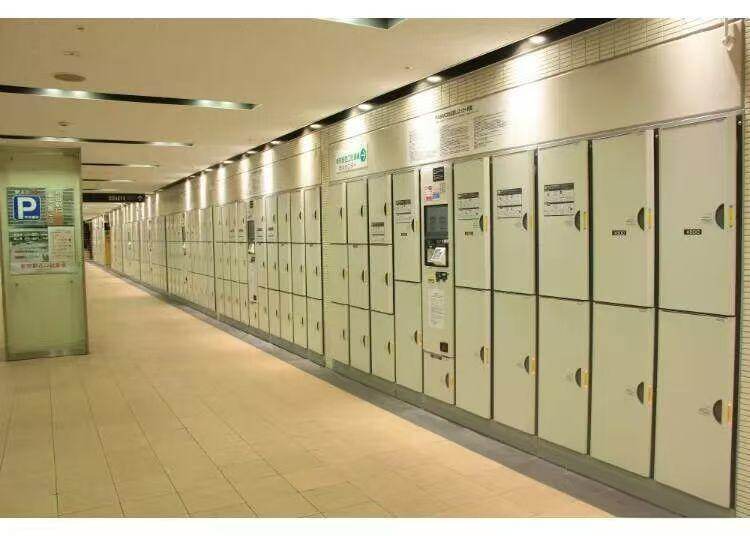
Expect a station environment that feels small compared with major city terminals. Services and amenities can change, so verify anything mission-critical in advance, especially if you need coin lockers, food options, or accessible route details.
Boarding and transfers
Give yourself extra time if you are switching between Shinkansen and local service. Smaller stations can be easier to navigate than large hubs, but service frequency is often lower, so one missed connection matters more.
Weather and platform comfort
Southern Hokkaido weather can turn quickly. Wind, rain, and cold air matter more here than they do at enclosed urban stations. Dress for waiting time on platforms, not just for the train ride itself.
Why the Seikan Tunnel connection matters
Kikonai attracts attention because it sits close to one of Japan's most important rail corridors. The Seikan Tunnel is central to the story of rail travel between Honshu and Hokkaido, and the surrounding infrastructure reflects the complexity of running high-speed and regional services in a demanding environment.
Even if you never enter a restricted area, the location still has context that rail fans care about:
- Long-distance high-speed service reaching Hokkaido
- Infrastructure shaped by tunnel operations and northern conditions
- A visible contrast between national rail engineering and local transport needs
That is why interest in a Kikonai event tends to be strong. It is not only about seeing a station. It is about seeing a piece of the network that explains how Japan's northern rail system fits together.
Is it worth going if no tour is running?
Yes, if your expectations are right.
Go to Kikonai if you want:
- A rail-focused side trip
- A quieter stop outside the usual Hakodate loop
- A station tied to the Hokkaido Shinkansen story
- A base for connecting regional rail in southern Hokkaido
Skip it if you want:
- A full day of station shopping and dining
- Large museum-style displays
- Guaranteed sightseeing without checking local conditions first
The payoff here is context, not spectacle.
Practical tips before boarding
- Reserve seats early on busy travel dates if your route uses the Shinkansen.
- Check the return trip before you set out, especially if using local lines.
- Bring food or buy it before boarding if your connection window is short.
- Dress for wind and waiting time.
- Do not rely on a single source for event details; compare the organizer page and live train information.
What to verify before you travel
For this destination, live verification matters more than broad travel inspiration. Check these items close to departure:
| Item | Why it matters |
|---|---|
| Train timetable | Connection gaps can be significant |
| Seat reservation status | Some long-distance services may sell out on peak dates |
| Event booking details | Meeting point, check-in time, and eligibility may change |
| Weather | Coastal conditions can affect comfort and timing |
| Pass coverage | Rules and eligible segments can change over time |
FAQ
What is the Kikonai Shinkansen tour?
It usually refers to a special rail event or behind-the-scenes visit connected to Kikonai Station and Hokkaido Shinkansen operations. Exact content depends on the organizer, so check the latest official event page before making plans.
How do I get to Kikonai Station?
Kikonai Station is served by the Hokkaido Shinkansen and connects with local rail in southern Hokkaido. The simplest route depends on your starting point, so check live timetables and transfer options before departure.
Do I need a separate ticket for the tour?
Usually yes. A normal train ticket gets you to Kikonai Station, but a special event or backstage tour often requires separate advance booking. Rail passes may cover the trip to the station but not the event itself.
Can I use a rail pass to reach Kikonai?
Some national or regional passes may cover travel to Kikonai on eligible JR segments, but rules change. Always confirm current pass validity, reservation requirements, and blackout conditions before booking.
What can I see at Kikonai if no tour is running?
Kikonai still appeals to rail fans because it sits near the Hokkaido Shinkansen route and the Seikan Tunnel corridor. Even without a special event, it works as a stop for observing trains, making local connections, and exploring southern Hokkaido.
Bottom line
The best reason to search for a Kikonai Shinkansen tour is not hype. It is that Kikonai offers a real look at how northern rail travel works. If a special event is available, book it carefully and treat the train ride and the event as separate steps. If no event is running, Kikonai can still be a worthwhile stop for travelers who care more about railway context than big-city convenience.
Before you go, confirm the current route, fare, pass rules, and any event page tied to your date. That is the difference between a smooth rail day and a wasted trip.