Shinkansen Tokyo-Kyoto : Prix, Horaires et Billets 2026
L'essentiel : En 2026, un siège réservé sur le Shinkansen de Tokyo à Kyoto coûte 14 370 ¥ et le trajet dure exactement 2 heures et 15 minutes avec le service rapide Nozomi. À moins que vous ne prévoyiez de voyager de manière intensive à travers le Japon sur une période de 7 jours, l'achat de billets individuels est bien plus économique que le Japan Rail Pass. Garantissez votre horaire de départ et un siège côté fenêtre en consultant les derniers horaires et en réservant vos billets sur japantrain.net.
Le carillon du quai joue une mélodie douce, presque nostalgique. Puis, le nez profilé d'un train de la série N700S glisse dans la gare. Vous êtes sur le point d'embarquer sur le Shinkansen Tokyo-Kyoto, sans aucun doute la ligne ferroviaire à grande vitesse la plus fréquentée de la planète. J'ai emprunté la ligne Tokyo-Kyoto plus de fois que je ne peux en compter au cours de la dernière décennie. Et le frisson de voir l'étalement urbain s'effacer au profit des champs de thé à 285 km/h ne s'estompe jamais. Planifier ce voyage en 2026 implique de naviguer parmi quelques changements récents du réseau ferroviaire japonais, notamment concernant la validité des pass et les règles relatives aux bagages.
La plupart des voyageurs hésitent sur le train à choisir. Pourtant, le système est étonnamment simple une fois que l'on comprend la hiérarchie de la ligne Tokaido Shinkansen. Il suffit de savoir ce que vous payez, combien de temps vous souhaitez rester assis, et si vous acceptez de sauter quelques gares secondaires en chemin. Pour garantir un voyage serein, réservez vos billets de Shinkansen en ligne avant d'arriver à la gare.
Aperçu rapide : Le Tokaido Shinkansen en un coup d'œil
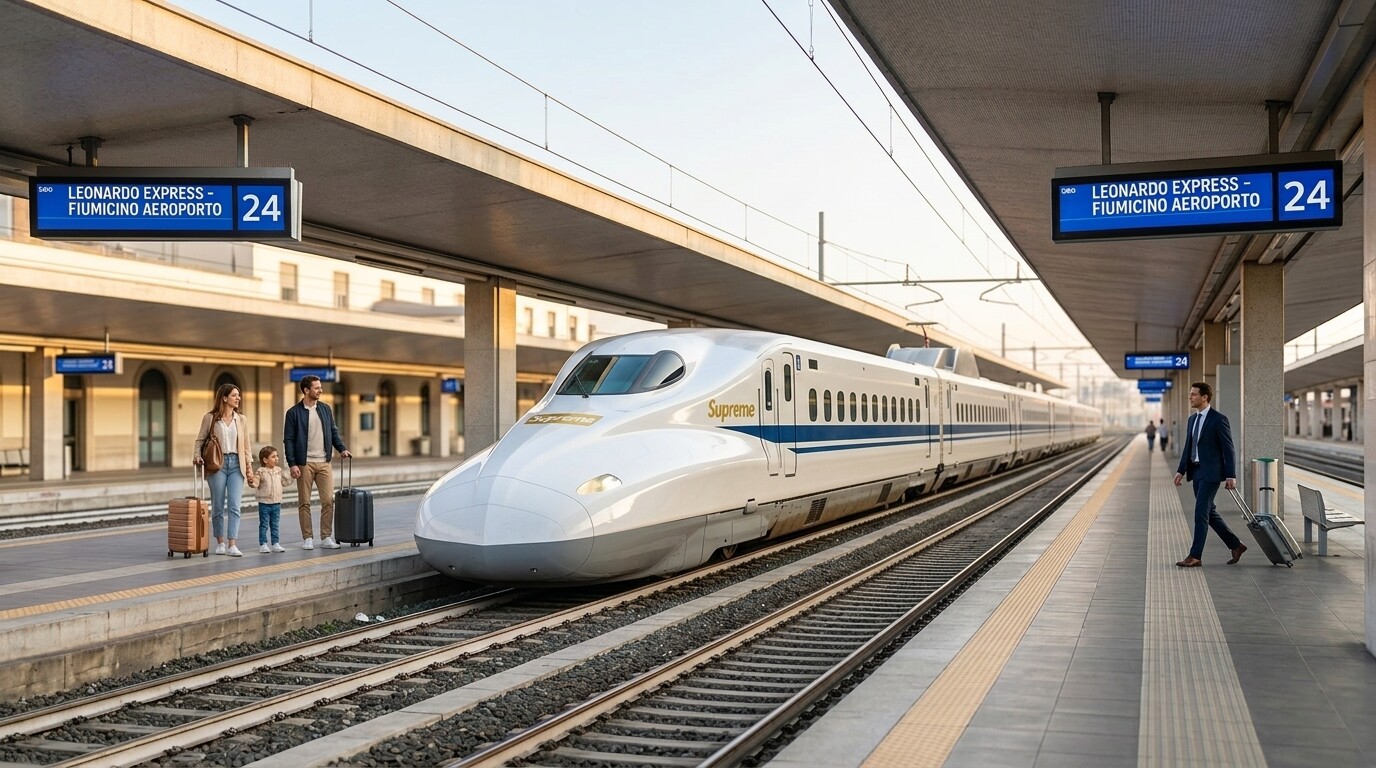
Avant de détailler les tarifs spécifiques et les catégories de trains, voici les faits essentiels concernant le Shinkansen Tokyo-Kyoto en 2026 :
- Distance : 513 kilomètres (318 miles) le long de la côte est.
- Vitesse maximale : 285 km/h (177 mph).
- Fréquence des départs : Jusqu'à 12 trains par heure en période de pointe. On attend rarement longtemps.
- Terminus : Les trains partent de la gare de Tokyo (ou Shinagawa) et arrivent à la gare de Kyoto.
- Services à bord : Wi-Fi gratuit, prises électriques à chaque siège côté fenêtre (et à tous les sièges sur les nouveaux modèles N700S), et toilettes impeccables.
Shinkansen Tokyo-Kyoto : Tarifs 2026 et classes de sièges
Les tarifs ferroviaires au Japon fluctuent rarement de manière brutale, mais de légers ajustements et des suppléments de haute saison s'appliquent en 2026. Vous avez trois choix principaux lors de l'achat d'un billet : Non réservé (jiyuseki), Réservé (shiteiseki) et Green Car (l'équivalent de la première classe). Un siège réservé standard sur le Nozomi de Tokyo à Kyoto coûte 14 370 ¥ en 2026, ce qui représente le meilleur équilibre entre prix et rapidité.
Les billets non réservés vous permettent d'économiser quelques centaines de yens. Mais ils comportent un risque majeur. Pendant les périodes de forte affluence comme la saison des cerisiers en fleurs ou la Golden Week, les voitures non réservées (généralement les voitures 1 à 3) se transforment en zones où l'on voyage debout. Vous ne voulez pas rester debout dans le couloir pendant deux heures. Payez les 1 050 ¥ supplémentaires pour un siège réservé. Cela garantit votre place et vous permet de choisir entre fenêtre ou couloir.
Les Green Cars offrent des sièges plus larges, une inclinaison plus profonde et une atmosphère plus calme. L'espace pour les jambes ferait honte à la plupart des compagnies aériennes domestiques. Si vous voyagez avec beaucoup d'équipement ou si vous voulez simplement vous détendre après un long vol, le surclassement est réellement confortable. Les enfants de moins de 12 ans paient généralement exactement la moitié du tarif adulte pour le tarif de base et la réservation de siège. Pour garantir votre place dans n'importe quelle classe, réservez vos billets de train en ligne avant votre arrivée à la gare.
| Classe de billet | Prix Nozomi (¥) | Prix Hikari/Kodama (¥) | Idéal pour | Action |
|---|---|---|---|---|
| Non réservé (Ordinaire) | 13 320 ¥ | 13 320 ¥ | Voyageurs à petit budget avec horaires flexibles | Réserver |
| Réservé (Ordinaire) | 14 370 ¥ | 13 850 ¥ | La plupart des voyageurs souhaitant un siège garanti | Réserver |
| Green Car (1ère Classe) | 19 270 ¥ | 18 750 ¥ | Espace supplémentaire et confort premium | Réserver |
Temps de trajet : Nozomi vs Hikari vs Kodama
Les trois catégories de trains circulent sur les mêmes voies et utilisent les mêmes rames profilées. La seule différence réside dans le nombre d'arrêts sur la ligne Tokyo-Kyoto. Le Nozomi gagne 30 minutes pleines sur votre trajet par rapport au Hikari, simplement en sautant les gares intermédiaires.
Le Nozomi est le roi incontesté de la ligne Tokaido. Il ne s'arrête qu'à Shinagawa, Shin-Yokohama et Nagoya avant d'entrer en gare de Kyoto. Si vous tenez à votre temps de vacances, c'est le train qu'il vous faut.
Le Hikari est l'option intermédiaire. Il effectue quelques arrêts supplémentaires dans des villes comme Shizuoka ou Hamamatsu. Le trajet dure environ 2 heures et 45 minutes. C'était autrefois le choix par défaut des touristes car c'était le train le plus rapide couvert par le Japan Rail Pass. Mais avec l'évolution des règles du pass, le Nozomi est désormais l'achat individuel le plus judicieux.
Enfin, il y a le Kodama. Il s'arrête à chaque gare le long de la route. Le voyage s'étire alors jusqu'à 3 heures et 40 minutes. Évitez le Kodama à moins d'utiliser un billet à tarif réduit spécifique ou de vouloir descendre dans une petite gare précise.
| Type de train | Temps de trajet | Nombre d'arrêts | Couverture JR Pass (2026) | Action |
|---|---|---|---|---|
| Nozomi | 2h 15m | 4 | Nécessite un billet de supplément | Réserver |
| Hikari | 2h 45m | 7-9 | Entièrement couvert | Réserver |
| Kodama | 3h 40m | 15 | Entièrement couvert | Réserver |
Lorsque vous êtes prêt à finaliser votre itinéraire, consultez les derniers prix sur japantrain.net pour trouver les horaires de départ exacts qui correspondent à votre planning.
S'orienter dans les gares : Tokyo et Kyoto
Embarquer sur le Shinkansen Tokyo-Kyoto nécessite de naviguer dans deux des hubs de transport les plus fréquentés du Japon. La gare de Tokyo est un complexe massif. Les quais du Shinkansen sont situés du côté Yaesu (côté est) de la gare de Tokyo. Si vous arrivez par le côté Marunouchi (le bâtiment historique en briques rouges), vous devrez traverser le hall de la gare en suivant les panneaux bleus indiquant le Tokaido Shinkansen.
La gare de Kyoto est tout aussi impressionnante, avec un design moderne saisissant. Les quais du Shinkansen se trouvent du côté Hachijo (côté sud). Si votre hôtel est dans le centre de Kyoto, près de Gion ou Kawaramachi, vous sortirez des portillons du Shinkansen pour vous diriger vers le côté Karasuma (côté nord) afin de prendre un taxi ou les lignes de métro locales. Connaître ces dispositions vous évitera de traîner vos bagages dans des couloirs bondés.
Expérience à bord : Wi-Fi, restauration et confort
L'expérience à bord du Shinkansen Tokyo-Kyoto est conçue pour un confort maximal, en particulier sur les trains modernes N700S. Le "Shinkansen Free Wi-Fi" est disponible dans toutes les voitures, bien que la connexion puisse occasionnellement s'interrompre lors du passage dans les tunnels. Chaque siège côté fenêtre dispose d'une prise électrique dédiée, et sur les modèles les plus récents, chaque siège possède sa propre prise.
Un changement majeur à noter pour 2026 est la suppression complète des fumoirs à bord, qui ont été réaménagés pour stocker de l'eau potable d'urgence. Tous les trains Tokaido Shinkansen sont désormais 100 % non-fumeurs. De plus, comme mentionné plus bas, les chariots de vente ambulante ont disparu. Vous devez acheter vos repas et boissons avant d'embarquer. Les gares proposent d'incroyables "ekiben" (boîtes bento de gare) mettant en avant des spécialités locales comme le bœuf de wagyu ou les fruits de mer de saison.
Le dilemme du Japan Rail Pass en 2026
Pendant des décennies, le JR Pass était l'astuce ultime. On l'achetait, on le montrait au portillon, et on montait dans le train Hikari "gratuitement". Cette ère s'est terminée fin 2023 lorsque les prix du pass national ont bondi de près de 70 %. Pour un simple aller-retour, l'achat de billets individuels pour le Shinkansen Tokyo-Kyoto en 2026 est radicalement moins cher que l'achat d'un Japan Rail Pass de 7 jours.
Un pass national de 7 jours coûte désormais environ 50 000 ¥. Un billet aller-retour Tokyo-Kyoto coûte environ 28 740 ¥. Le calcul n'est tout simplement pas en faveur du pass, à moins que vous n'ajoutiez également un trajet Shinkansen Tokyo-Osaka, un voyage vers Hiroshima et une visite à Kanazawa, le tout dans la même semaine.
De plus, les JR Pass standards ne couvrent toujours pas le train Nozomi par défaut. Si vous détenez un pass et souhaitez emprunter le train rapide, vous devez acheter un billet de supplément (environ 4 960 ¥ l'aller simple) juste pour monter à bord du Nozomi. Évitez-vous ce casse-tête. Achetez des billets de point à point. Selon les données officielles des passagers de JR Central, plus de 80 % des voyageurs domestiques utilisent la billetterie point à point pour cet itinéraire.
6 conseils d'expert pour le trajet Tokyo-Kyoto
Maîtriser le trajet Shinkansen Tokyo-Kyoto demande un peu de connaissances d'initié. Voici mes meilleures recommandations pour un voyage parfait en 2026 :
- Réservez le siège E pour la vue sur la montagne : Si vous voulez voir le Mont Fuji, demandez le siège E (ou le siège D en Green Car) lors d'un voyage de Tokyo vers Kyoto. La montagne apparaît généralement environ 45 minutes après le départ, juste après la gare de Mishima. Si vous voyagez dans le sens inverse (Kyoto vers Tokyo), demandez également le siège E.
- Comprenez la règle des bagages volumineux : Depuis 2020, si les dimensions totales de votre valise (hauteur + largeur + profondeur) dépassent 160 cm, vous devez réserver un "siège avec espace pour bagages volumineux". Ce sont les sièges de la dernière rangée de la voiture. Si vous montez avec des bagages massifs sans réservation, le contrôleur vous facturera une amende de 1 000 ¥ et déplacera vos sacs. Consultez notre guide complet Règles des bagages Shinkansen 2026 : évitez l'amende de 1 000 ¥ pour plus de détails.
- Achetez un Ekiben avant d'embarquer : Les chariots de nourriture à bord ont été retirés du Tokaido Shinkansen fin 2023. Vous ne pouvez plus acheter de café chaud ou de bento auprès d'un chariot circulant dans l'allée. Achetez vos collations, boissons et magnifiques bento régionaux dans le hall de la gare avant de passer les portillons.
- Utilisez la gare de Shinagawa si possible : La gare de Tokyo est immense et déroutante. Si votre hôtel se trouve dans le sud ou l'ouest de Tokyo (comme Shibuya ou Shinjuku), il est souvent bien plus rapide de prendre le Shinkansen à la gare de Shinagawa. Tous les Nozomi s'y arrêtent, et le transfert des lignes locales vers le train à grande vitesse est incroyablement rapide.
- Évitez la cohue du vendredi soir : Les voyageurs d'affaires inondent le Shinkansen entre 17h00 et 20h00 le vendredi. Les trains affichent complet rapidement. Si vous devez voyager durant ce créneau, réservez vos billets des semaines à l'avance.
- Évitez les distributeurs de billets : Les machines à la gare de Tokyo ont souvent de longues files d'attente. Vous pouvez totalement éviter cela pour votre trajet Tokyo-Kyoto. Il vous suffit de réserver vos billets en ligne via japantrain.net, de recevoir votre code QR et de retirer vos billets physiques aux bornes automatiques en quelques secondes.
Foire aux questions
Quel est le prix du Shinkansen Tokyo-Kyoto en 2026 ?
Un siège réservé standard sur le Shinkansen Tokyo-Kyoto (service Nozomi) coûte 14 370 ¥ en 2026. Les prix peuvent varier légèrement selon que vous choisissez un siège non réservé, moins cher, ou un siège en Green Car (première classe).
Combien de temps dure le trajet en Shinkansen entre Tokyo et Kyoto ?
Le service rapide Nozomi met exactement 2 heures et 15 minutes pour relier Tokyo et Kyoto. Le service Hikari prend environ 2 heures et 45 minutes, tandis que le service Kodama est le plus lent avec près de 3 heures et 40 minutes.
Quelle est la différence entre les trains Nozomi et Hikari ?
Le Nozomi est la catégorie la plus rapide avec le moins d'arrêts, tandis que le Hikari s'arrête dans plus de gares et met environ 30 minutes de plus. Point crucial : le Hikari est couvert par le Japan Rail Pass, alors que le Nozomi nécessite un supplément.
De quel côté du train faut-il s'asseoir pour voir le Mont Fuji ?
Pour voir le Mont Fuji en voyageant de Tokyo vers Kyoto, vous devez réserver un 'Siège E' en voiture ordinaire ou un 'Siège D' en Green Car. Ces sièges sont situés sur le côté droit du train au départ de Tokyo.
Le Japan Rail Pass est-il rentable pour un aller-retour Tokyo-Kyoto ?
Non, un simple aller-retour entre Tokyo et Kyoto coûte environ 28 740 ¥, ce qui est bien inférieur au prix d'un Japan Rail Pass de 7 jours (environ 50 000 ¥). Vous devriez voyager beaucoup plus, par exemple en ajoutant un trajet vers Hiroshima, pour rentabiliser le pass.
Dois-je réserver mes billets de Shinkansen Tokyo-Kyoto à l'avance ?
Réserver vos billets de Shinkansen Tokyo-Kyoto à l'avance est fortement recommandé pendant les périodes de pointe comme la saison des cerisiers en fleurs, la Golden Week et le Nouvel An pour garantir un siège réservé. En dehors de ces périodes, vous pouvez souvent acheter des billets à la gare peu avant le départ, mais la réservation en ligne vous assure d'obtenir votre siège préféré et l'horaire souhaité.