Fukutoshin Line Delays: Shibuya Door Issue Updates [2026]
This guide is currently shown in English because a translation is not available yet.
Key Takeaway: If you are searching for real-time Fukutoshin Line delay updates, as of April 10, 2026, the Tokyo Metro Fukutoshin Line is experiencing significant delays following a door inspection at Shibuya Station. Travelers should expect 15-30 minute schedule deviations and consider using the JR Yamanote Line as a primary alternative. For guaranteed seating on longer routes across Tokyo, book your limited express tickets online via japantrain.net to avoid the platform scrum.
The Fukutoshin Line is the backbone of Western Tokyo's underground transit. It dives deep beneath the city to connect the massive hubs of Ikebukuro, Shinjuku, and Shibuya. But tonight, that efficiency has hit a snag. A technical issue at Shibuya Station has sent ripples across the entire network, leaving commuters searching for answers on crowded platforms. Getting accurate Fukutoshin Line delay updates is crucial when you are trying to navigate the evening rush hour.
Current Status: Fukutoshin Line Delay Updates
Operations are currently unstable across the entire Fukutoshin Line. A door inspection at Shibuya Station earlier this evening is the primary cause of the disruption. While trains are still moving, they are not adhering to the published 2026 timetable. This creates a cascading effect because the Fukutoshin Line is not a closed loop. It shares tracks with four other major railway companies, meaning a door glitch in Shibuya can stall a commuter all the way out in Saitama.
| Service Metric | Current Status | Recommended Action |
|---|---|---|
| Delay Duration | 15–30 minutes | Check digital displays at gates |
| Affected Section | Entire Line (Wakoshi to Shibuya) | Use JR Yamanote for North-South travel |
| Through-Service | Delayed/Adjusted | Verify Seibu/Tobu connections |
| Ticket Handling | Transfer honors in place | Check rail pass validity |
What Happened: The Shibuya Door Incident
The trouble started during the peak evening transition. A train crew at Shibuya Station noticed an irregularity during a standard door closing cycle. Safety protocols in Japan are incredibly strict. Even a minor sensor misalignment requires a full manual inspection before the train can proceed. Technicians were called to the platform to verify the door's integrity at approximately 8:13 PM JST.
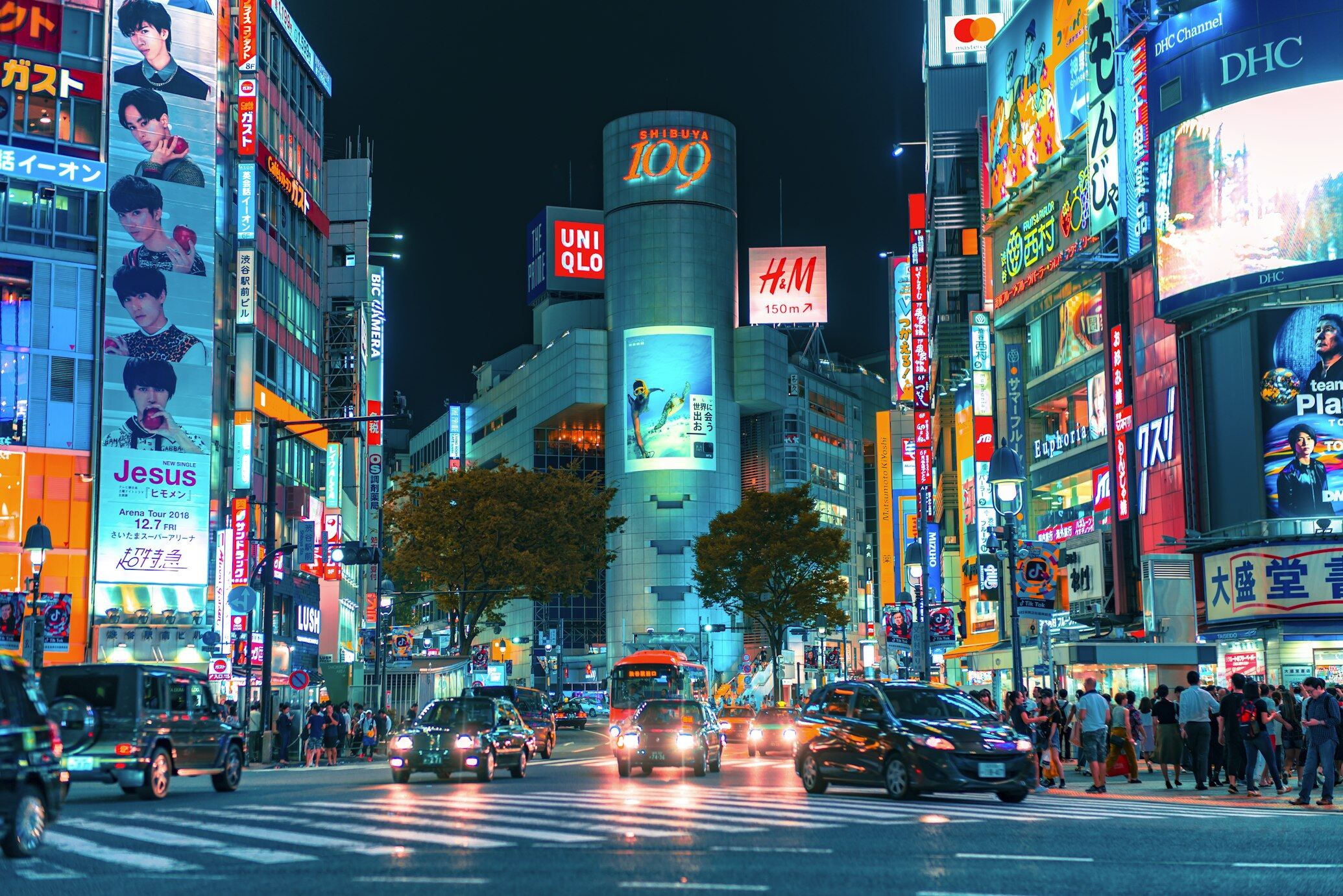
Shibuya is a critical bottleneck for the line. The station sits at the junction where Tokyo Metro tracks hand off to the Tokyu Toyoko Line. Because the platforms are located deep underground (often requiring several long escalator rides to reach), moving a disabled train out of the way is a slow process. This forced following trains to hold at their previous stations, including Shinjuku-sanchome, Meiji-jingumae, and Zoshigaya. It is a classic "accordion effect" where a small stop at the front causes a massive pile-up at the back.
Affected Services and Through-Connections
The Fukutoshin Line is famous for its "through-services." This means trains from the Tokyu Toyoko Line, Minatomirai Line, Seibu Ikebukuro Line, and Tobu Tojo Line all share these tracks. When the Fukutoshin Line stalls, five different railway networks feel the heat. If you are heading toward Yokohama or up toward Kawagoe, your "Direct" train (like the rapid F-Liner) may be cancelled or terminated early at a major hub.
Commuters should pay close attention to the train's final destination. During delays, Tokyo Metro often truncates routes to get schedules back on track. A train originally bound for Motomachi-Chukagai might now end at Shibuya. Premium reserved-seat services, such as the S-Train, are also subject to sudden cancellations during these events. Always check the electronic signage on the side of the train car before boarding. If you need a reliable way to navigate these changes, book your Shinkansen and express tickets at japantrain.net to ensure you have a backup plan for longer journeys.
What Travelers Should Do Right Now
Don't just stand on the platform waiting. The Fukutoshin Line is exceptionally deep, sometimes taking five minutes just to reach the surface. If the delay is over 20 minutes, it is often faster to hike up to a shallower line. The JR Yamanote Line is your best friend during a Fukutoshin meltdown. It runs parallel to much of the Fukutoshin route and sits much closer to street level.
- Seek Alternative Routes: If you are at Ikebukuro and need to get to Shibuya, jump on the JR Yamanote or Saikyo Line.
- Get a Delay Certificate: If you are late for work or an appointment, grab a "Chien Shomeisho" (delay slip) from the kiosks near the ticket gates.
- Check "Furikae Yuso": Tokyo Metro often allows you to use your ticket on JR or other private lines at no extra cost during major delays.
- Monitor Apps: Use the Tokyo Metro official app or Yahoo Transit for real-time GPS tracking of train locations.
For those planning travel later this week, don't let a single delay sour your experience. The 2026 rail network remains the best in the world. You can check latest prices and alternative routes on japantrain.net to stay ahead of the crowds.
Official Source Information
Original Japanese Headline: 東京メトロ副都心線 列車遅延Published at: 2026-04-10 11:13 UTC
Source: Yahoo! Japan Transit / Tokyo Metro Official Operations Notice
Source URL: https://transit.yahoo.co.jp/diainfo/540/0
Navigating Tokyo During Rail Disruptions
Tokyo's rail map looks like a bowl of colorful noodles. It is intimidating at first glance. But this complexity is actually your biggest advantage when a delay hits. Because so many lines overlap, you are almost never truly stranded. If the Fukutoshin (the brown line) is down, you can often take the Marunouchi (red line) or the Shinjuku Line (leaf green line) to get within walking distance of your destination.
| Route Name | Average Time | Price (IC Card) | Reliability Today |
|---|---|---|---|
| Fukutoshin Line (Express) | 11 mins | ¥209 | Low (Delays) |
| JR Yamanote Line | 16 mins | ¥178 | High |
| JR Saikyo / Shonan-Shinjuku | 11 mins | ¥178 | High |
| Taxi / Uber | 25-40 mins | ¥3,500+ | Variable (Traffic) |
The price difference between JR and Metro is negligible for most travelers. Honestly, when a delay hits, the ¥30 difference shouldn't even enter your mind. Speed and sanity are the priority. If you're carrying heavy luggage, the JR Saikyo line is often better anyway because the platforms at Shibuya are much easier to access than the subterranean Fukutoshin caves. Book your regional passes on japantrain.net to ensure you have access to all these lines without fumbling for change at the ticket machines.
Pro Tips for Handling Fukutoshin Delays
- Avoid the "First Train" Trap: When service resumes, the first train will be dangerously packed. Wait for the second or third one; they usually follow within two minutes.
- Use the Shinjuku-sanchome Connection: This station is a massive underground hub. If the Fukutoshin is stuck, you can walk underground to the Shinjuku JR station in about 10-12 minutes.
- Check the "Terminating" Signs: If a train says "Shibuya" but you need to go to Yokohama, don't get on. It will likely go out of service at Shibuya, and you'll just be stuck on a crowded platform again.
- Charge Your IC Card: Ensure your Suica or Pasmo has at least ¥1,000. Furikae Yuso (alternative transport) is great, but sometimes it's faster to just tap into a different company's gate.
- Look for the "Green" Cars: On through-service trains heading to the Seibu or Tobu lines, there are sometimes reserved seats. If you're stressed, paying the small premium for a seat is the best money you'll spend all day.
- Trust the Station Staff: They might look busy, but they have the most up-to-date info. Point to your destination on a map and say "Alternative?"—they will point you to the right gate.
Frequently Asked Questions
Is the Fukutoshin Line completely stopped?
No, the line is operational but running with significant delays. Trains are moving slowly between stations as they manage the backlog from the Shibuya door inspection. You can still use the line, but add at least 20 minutes to your travel time. For a smoother experience, book your cross-city travel tickets at japantrain.net.
Can I use my JR Pass on the Fukutoshin Line?
No, the JR Pass is not valid on Tokyo Metro lines, including the Fukutoshin. You must use a Suica, Pasmo, or buy a separate ticket. However, if a "Furikae Yuso" (Alternative Transport) order is issued during a major delay, you might be able to use your Metro ticket on a JR line. Check the latest 2026 pass rules at japantrain.net.
How long will the delay last?
Tokyo Metro has not provided a specific recovery time for the April 10 disruption. Typically, door-related delays are cleared within an hour, but the ripple effect on the schedule can last until the end of service. Most 2026 disruptions of this nature see a return to "near-normal" operations within 90 minutes of the initial incident.
What is the fastest alternative from Ikebukuro to Shinjuku?
The JR Yamanote Line or the JR Saikyo Line are the fastest alternatives right now. Both take about 5-8 minutes to reach Shinjuku from Ikebukuro. Avoid the Marunouchi Line for this specific trip as it loops around the city and takes much longer. To compare all 2026 routes and prices, visit japantrain.net.
Where can I get a delay certificate for my employer?
You can find delay certificates at the "Correction" machines near the exit gates or on the official Tokyo Metro website. These are digital in 2026, so you can often just screenshot the notice from the official portal. They are essential if you are using a commuter pass and need to prove the delay caused your tardiness.
Are refunds available for S-Train or reserved tickets during Fukutoshin Line delays?
Yes, if your reserved S-Train or limited express service is delayed by more than two hours or outright canceled, you are entitled to a full refund of the limited express surcharge. Standard base fares are generally not refunded if you still travel. For tickets purchased online, the refund is often processed automatically. You can review the 2026 refund policies and manage your bookings securely at japantrain.net.
Final Thoughts for Commuters
A delay in Tokyo is rarely a disaster; it’s just a puzzle. The Fukutoshin Line's current struggle at Shibuya is a reminder of how interconnected our 2026 travel world has become. One door sensor fails, and thousands of plans shift. But with a Suica in your pocket and a quick look at the JR map, you'll be home before your dinner gets cold. Stay patient, keep an eye on the digital boards for the latest Fukutoshin Line delay updates, and remember that there is always another way around the city. For your next trip, make sure to book your tickets in advance at japantrain.net to keep your journey as stress-free as possible.