Tokyo to Mount Fuji: Fuji Excursion, Bus and Rail Pass Guide
This guide is currently shown in English because a translation is not available yet.

Cover: Mount Fuji seen from Lake Kawaguchi, photographed on 1 December 2024. Visibility and snow cover vary with the weather and season. LMP 2001 · Wikimedia Commons · CC BY-SA 4.0. Resized source photograph; no additional crop or retouch.

Getting from Tokyo to the Mount Fuji area is not one single journey: the destination you want determines the route. This guide focuses on Kawaguchiko and the Fuji Five Lakes on the northern side of the mountain. That is not the summit and it is not one of the mountain's fifth stations. If your plan is simply to see the mountain, photograph the lakes or spend a day in a lake town, this guide covers the four transport options worth comparing — the direct Fuji Excursion train, a transfer at Otsuki, a highway bus and a rental car — together with rail pass boundaries and a realistic local sightseeing plan.
Choose Your Destination First: Kawaguchiko, a Fifth Station, or the Summit?
Choose the part of the Mount Fuji area you want to visit before choosing a train. The Shinkansen does not run directly to Kawaguchiko or up the mountain. The Tokaido Shinkansen passes through the Fuji area on the mountain's southern side and serves stations such as Mishima and Shin-Fuji, with onward transport needed for a lakeside visit. They can be useful for a southern-side itinerary, but they are not Kawaguchiko Station. For the Fuji Five Lakes, the practical gateways are Shinjuku Station and, secondarily, Tokyo Station. If your real goal is climbing or a fifth station visit, read on for the separate mountain access note, because seasonal road and bus restrictions apply. For a trip starting farther west, our Osaka to Mount Fuji guide covers that different departure point.
Option 1: Direct Fuji Excursion Train from Shinjuku
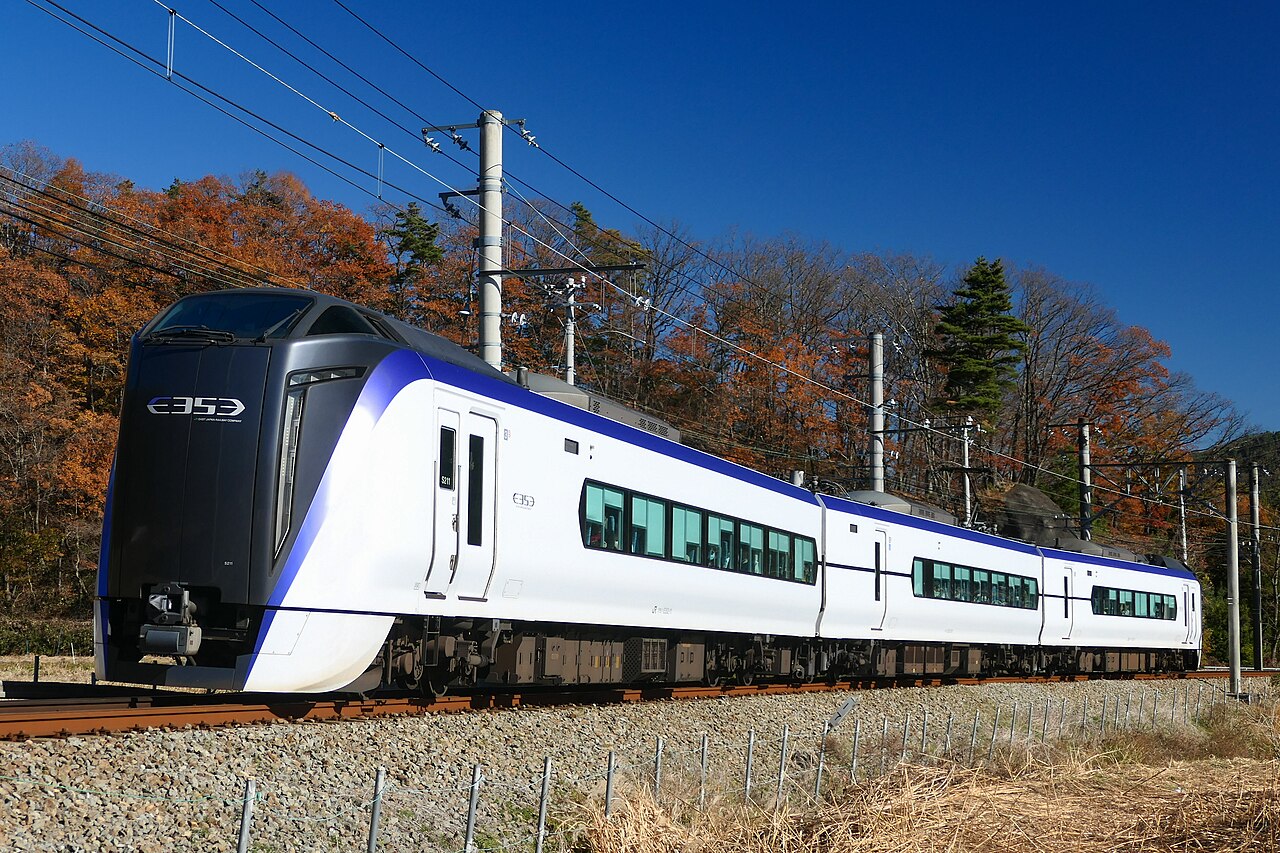

The FUJI EXCURSION is a conventional limited express train operated on the Chuo Line corridor and through-running onto the Fujikyu Railway. According to JR East train information, it calls at Shinjuku, Tachikawa, Hachioji and Otsuki before continuing to Kawaguchiko. It offers a direct limited express journey to Kawaguchiko without changing trains, and it is the natural choice when a departure suits your schedule and seats are still available.
Two points cause most confusion. First, this is not the bullet train — no shinkansen runs to Kawaguchiko. Second, per Fujikyu Railway's Fuji Excursion page, the ticket structure is a base fare plus a limited express ticket, and the service has no conventional non-reserved cars. A reserved-seat ticket assigns you a specific seat; a seat-unassigned ticket does not guarantee you will sit down. Check seat availability for your date before relying on a departure. Read the operator timetable and any special-service notices; the train shown in a static guide is not proof of availability.
Option 2: Transfer at Otsuki onto Fujikyu Railway
If direct seats are gone, or you want a later start, choose a Chuo Line service that actually stops at Otsuki, then change there for a Kawaguchiko-bound Fujikyu train. Some Azusa and Kaiji services can be useful, but check their stops rather than assuming every limited express calls at Otsuki. The total journey depends on the services and connection time. Because the Otsuki–Kawaguchiko section belongs to Fujikyu Railway rather than JR East, check your pass coverage for that segment. The nationwide JAPAN RAIL PASS and JR TOKYO Wide Pass have different rules, explained below.
Is every connecting train the Fujisan View Express?
No. Fujikyu's Fujisan View Express page describes a specific sightseeing train running between Otsuki and Kawaguchiko, with its own timetable and seat options. Plenty of connections use ordinary local or express trains instead. Select an actual departure from the current timetable, confirm whether any extra seating fee applies, and treat the sightseeing train as a bonus rather than a guarantee.
Option 3: Highway Bus
The operator bus guide lists direct services from Shinjuku to the Kawaguchiko area. A bus may suit you when its terminal and departure match your itinerary. Check the exact boarding point, return stop, baggage conditions and current fare before buying. Road congestion can affect arrival, so leave a margin for any onward connection.
Option 4: Rental Car
A rental car gives you freedom around the lakes, but it is not automatically convenient. The total cost depends on the rental contract, highway tolls and parking, which is often charged per vehicle at lakeside attractions. Winter means potential tyre requirements, and some mountain roads close seasonally. Choose this option when you plan to visit several lakes or outlying sights in a single day.
Which Route Should You Choose?
| Option | Route | Train changes | Reservation | Best suited to |
|---|---|---|---|---|
| Fuji Excursion (limited express) | Shinjuku → Kawaguchiko | None | Reserved seat recommended; unassigned ticket gives no seat guarantee | Fixed day trip, luggage, comfort |
| Chuo Line + Fujikyu Railway | Shinjuku → Otsuki → Kawaguchiko | One, at Otsuki | Check the seat type, stops and charges on both legs | Flexible timings, sold-out direct trains |
| Highway bus | Shinjuku → Kawaguchiko area | None | Advance booking advised in peak season | A direct journey from a convenient bus terminal |
| Rental car | Tokyo → Fuji Five Lakes by expressway | None | Book vehicle; add tolls and parking | Multi-lake touring, groups |
Tickets and Rail Pass Boundaries
As read on 10 October 2026, the operator Fuji Excursion page lists a Shinjuku–Kawaguchiko one-way example of ¥4,200: ¥2,580 base fare plus ¥1,620 limited express charge. This is an operator reference, not a JapanTrain live quote or starting price. Check the fare and conditions shown for your actual date and ticket before paying.
Nationwide JAPAN RAIL PASS versus JR TOKYO Wide Pass
The nationwide JAPAN RAIL PASS route list confirms that the Fuji Excursion Shinjuku–Kawaguchiko is covered as far as Otsuki, with the Otsuki–Kawaguchiko Fujikyu section requiring an extra fare and fees. The JR TOKYO Wide Pass, by contrast, includes Fujikyu Railway but excludes the Tokaido Shinkansen, with additional charges for specified Fujikyu services or reserved seating under its published terms. Compare the pass price against your actual itinerary rather than assuming one is the best value; see our JR Pass price guide for current nationwide options.
Local bus and train passes around the mountain
For foreign visitors staying longer, the Mt. Fuji Pass comes in one-, two- and three-day versions with defined coverage of specified local buses, trains and attractions. Its published details are dated, so verify current prices and coverage before purchase. It covers local sightseeing travel only: it does not include your Tokyo highway bus ride or guaranteed access to every fifth station.
A Modest Sightseeing Plan Around Kawaguchiko
Lake Kawaguchiko and the north shore
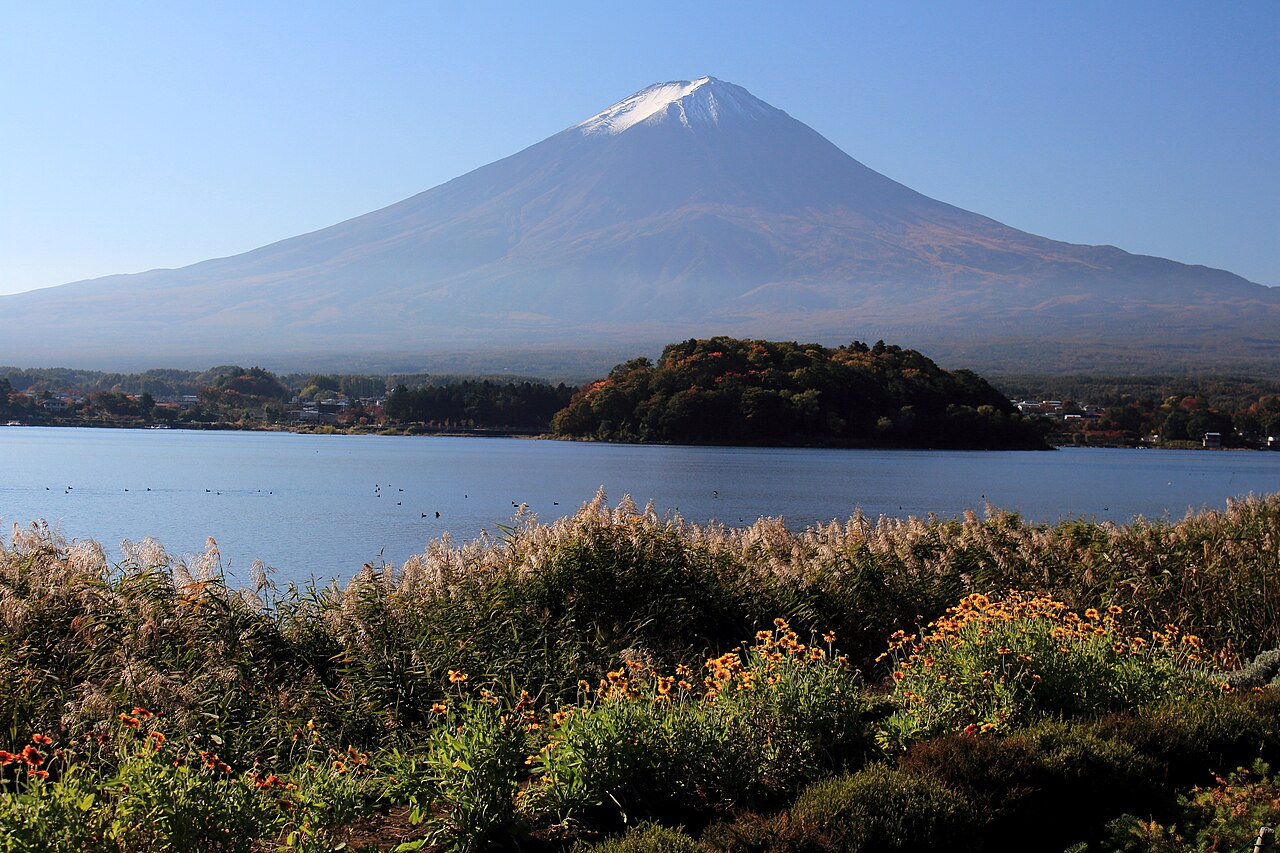

On calm, clear mornings the lake can mirror the mountain in the famous "upside-down Fuji", but visibility is never guaranteed. The north shore, Oishi Park and the Kawaguchiko Natural Living Center make a relaxed half-day route, and the Fujikyu sightseeing bus network links them with the lake town. Check the current timetable at the stop and allow slack in your return connection.
Oshino Hakkai as a separate optional outing
The ponds of Oshino Hakkai are a separate outing from the lakeshore. The national tourism guide describes access by train and then bus from Fujisan Station. Allow time for those connections rather than treating the village as a short walk from Kawaguchiko Station.
Fifth station and summit access
Kawaguchiko is a base for onward mountain transport, rather than a fifth station or the summit. Read the operator destination guide and check current mountain bus, road and climbing rules before planning that separate trip. Do not assume that a lakeside rail ticket includes a mountain bus or summit access.
Frequently Asked Questions
What is the most direct train route from Tokyo to Kawaguchiko?
The Fuji Excursion is a direct limited express from Shinjuku to Kawaguchiko. A transfer at Otsuki is another practical option. Check the current timetable for the departure, stops and seat type that fit your date.
Does the bullet train go to Mount Fuji?
No shinkansen serves Kawaguchiko or the Fuji Five Lakes. The Tokaido Shinkansen stops on the mountain's southern side, which suits trips toward Mishima or Shin-Fuji. Travellers bound for Kawaguchiko should use the Shinjuku corridor instead.
Should I take the train or the highway bus?
The train avoids highway congestion, and a confirmed reserved-seat ticket assigns a seat. A direct bus may suit your departure point and budget, but road traffic can delay it. Rail services can also be disrupted; compare the actual departures, luggage rules and return connections.
What makes up the total cost of the train journey?
Rail travel to Kawaguchiko is charged as a base fare plus a limited express ticket where applicable, and the Fujikyu section between Otsuki and Kawaguchiko can carry separate charges. Reserved seats on some Fujikyu sightseeing trains are billed separately again, so check the full fare breakdown before buying.
Which rail pass covers the trip: nationwide JAPAN RAIL PASS or JR TOKYO Wide Pass?
The nationwide pass covers the Fuji Excursion only as far as Otsuki, with the Fujikyu section charged extra. The JR TOKYO Wide Pass includes Fujikyu Railway but excludes the Tokaido Shinkansen. Check its additional charges for specified Fujikyu services or reserved seating. Compare both against your route.
Does a seat-unassigned ticket guarantee me a seat on the Fuji Excursion?
No. On this service a reserved-seat ticket assigns a specific seat, whereas a seat-unassigned ticket does not. Since there are no conventional non-reserved cars, book a reservation if sitting for the whole journey matters to you.
How is the Fujisan View Express different from the Fuji Excursion?
The Fujisan View Express is a sightseeing train for the Otsuki–Kawaguchiko section only, while the Fuji Excursion is the direct limited express from Shinjuku. Not every connecting service is the sightseeing train, so select an actual departure and check for extra fees.
Is Kawaguchiko the same as a fifth station or the summit?
No. Kawaguchiko is a lakeside town at the foot of the mountain. Fifth stations sit higher up the slopes and are reached by mountain buses under seasonal schedules and road restrictions, while summit access follows separate seasonal rules.