Japan Rail Travel 2026: April Magazine & Updates
This guide is currently shown in English because a translation is not available yet.
Key Takeaway: When it comes to Japan rail travel 2026, the April edition of the JAPAN Monthly Web Magazine offers vital updates on seasonal routes and regional festivals across Honshu and Kyushu. Most featured destinations are reachable via the Tokaido Shinkansen, with Tokyo-Kyoto tickets starting at ¥13,320 for unreserved seats. Book your train tickets online via japantrain.net to secure the best window views of the late-blooming cherry blossoms.
The morning sun hits the tray table of the E7 series Shinkansen as we pull out of Tokyo Station. I have a lukewarm black coffee in one hand and my tablet in the other, scrolling through the latest "JAPAN Monthly Web Magazine" update. It is April 10, 2026, and the rail network is buzzing with travelers heading north to catch the final petals of the season. This official digital publication remains the gold standard for finding those weird, wonderful corners of Japan that don't always make it into the heavy guidebooks. If you are planning a trip this quarter, these updates are not just suggestions; they are your tactical map for the rails.
What is the JAPAN Monthly Web Magazine for Japan Rail Travel 2026?
This is the official editorial arm of the Japan National Tourism Organization (JNTO). It functions as a living, breathing guide that refreshes every month to reflect exactly what is happening on the ground. For Japan rail travel 2026, the focus has shifted heavily toward sustainable transit and "slow" regional lines. You won't just find the usual Tokyo-Kyoto highlights here. Instead, the magazine highlights specific station-side experiences that make a rail pass actually worth the investment.
- Route Coverage: Full national coverage with a focus on JR East and JR Kyushu seasonal specials.
- Price Range: The magazine is free to access, but featured rail journeys range from ¥2,000 local hops to ¥30,000 luxury sightseeing trains.
- Update Frequency: Monthly, with the latest "Rail and Tradition" issue published on April 10, 2026.
- Key Focus: Logistics, regional food (ekiben), and timing your arrivals for local festivals.
The magazine acts as a bridge between high-level inspiration and the cold, hard logistics of the Japan Rail timetable. It is the best place to find out which rural line just added a new panoramic car or which station started offering a limited-edition eel bento. Before you head to the platform, check current ticket availability on japantrain.net to ensure your itinerary matches the magazine's recommendations.
How Much Does Rail Travel Cost in 2026?
Prices have stabilized after the major shifts of the last two years. While the Japan Rail Pass is the "big name" option, the JAPAN Monthly Web Magazine often highlights routes where point-to-point tickets are actually more economical. For instance, if you are strictly following the "Golden Route" mentioned in the April issue, buying individual Shinkansen tickets is often cheaper than a full-price 7-day pass. But you have to be smart about how you book.
| Route | Train Type | Duration | Price (Reserved) | Book Now |
|---|---|---|---|---|
| Tokyo to Osaka | Nozomi | 2h 30m | ¥14,720 | Book Now |
| Tokyo to Kanazawa | Kagayaki | 2h 25m | ¥14,380 | Book Now |
| Kyoto to Hiroshima | Nozomi/Sakura | 1h 35m | ¥11,300 | Book Now |
| Hakata to Kagoshima | Mizuho | 1h 15m | ¥10,640 | Book Now |
The Nozomi remains the fastest way to move between major hubs. Is it worth the extra few hundred yen over the Hikari? Honestly, yes, because the frequency is much higher. You can show up at the station and usually find a seat within 10 minutes. If you are traveling on a budget, look for the "Kodama" options which stop at every station—they take longer, but the "Platt Kodama" deals can save you a significant chunk of change. You can compare these fares on japantrain.net before committing to a pass.
What Travelers Should Do for the April 2026 Season
The official notice from the magazine emphasizes the "Northward Push." As the southern regions warm up, the rail traffic moves toward Tohoku and Hokkaido. This means seat reservations on the Hayabusa Shinkansen (the green and white one that looks like a needle) are becoming gold dust. If you are planning to visit Aomori or Hakodate this month, you cannot rely on unreserved carriages because the Hayabusa is a "reserved-only" service. You must book your Hayabusa seats at least 14 days in advance to get a decent departure time. Fares from Tokyo to Shin-Aomori currently sit at ¥17,670, and the 3-hour, 20-minute journey is heavily booked on weekends.
And here is a practical tip: check the "Event" section of the magazine for the Hirosaki Castle Park festival. The train from Shin-Aomori to Hirosaki is a short 30-minute hop, but it gets incredibly crowded. Travelers should use an IC card (like Suica or Pasmo) to breeze through the gates rather than fumbling with paper tickets at the machines. You can also purchase digital tickets on japantrain.net to keep everything on your phone.
Affected Services and Logistics
The April 10 update mentions minor maintenance on the San'yo Shinkansen line between Osaka and Okayama during the late-night hours. This won't affect daytime travelers, but if you are planning to take the last train of the night, expect a 15-minute delay. Always check the live board at the station. Most major hubs now have English-speaking staff near the "Midori-no-madoguchi" (Ticket Offices), but the queues are often 45 minutes long. Skip the line and reserve your seats online instead.
| Feature | japantrain.net | Station Ticket Office | Ticket Machine |
|---|---|---|---|
| Wait Time | 2-3 Minutes | 30-60 Minutes | 5-10 Minutes |
| English Support | Full Interface | Varies by Staff | Limited Menu |
| Seat Selection | Interactive Map | Staff Choice | Basic Selection |
| Payment | International Cards | Cash/Some Cards | Cash/Local Cards |
Pro Tips for Navigating the 2026 Rail Schedule
- The "Mt. Fuji Side" Secret: When booking the Tokaido Shinkansen (Tokyo to Kyoto), always request "Seat E" in a 3-2 layout. This is the window seat on the right-hand side when leaving Tokyo, giving you a perfect view of Mt. Fuji about 45 minutes into the journey.
- Luggage Rules: If your suitcase is larger than 160cm (total dimensions), you MUST book a seat with a "large luggage area." If you don't, the conductor will charge you a ¥1,000 fine and you'll have to move. Book luggage-specific seats on japantrain.net to avoid the hassle.
- Ekiben Strategy: Don't buy your bento on the train; the selection is tiny. Go to the "Ekiben-ya Matsuri" shop inside Tokyo Station. They stock over 200 types of regional lunchboxes from across Japan.
- The 5-Minute Rule: Japanese trains don't just leave on time; they arrive on time. If your ticket says 10:14, the doors will close at 10:13:50. Be on the platform at least 10 minutes early.
- Skip the Nozomi if using a JR Pass: Remember that the basic JR Pass still requires a supplemental fare for the Nozomi and Mizuho trains. If you want to avoid the extra fee, stick to the Hikari or Sakura trains.
- Power Outlets: On newer N700S trains, every single seat has a power outlet. On older models, they are only at the window seats. If you need to charge your phone, book a window seat online.
Frequently Asked Questions
How do I access the JAPAN Monthly Web Magazine?
The magazine is available for free on the official Japan Travel website. It is designed for mobile viewing, making it a great companion while you are actually on the train. For the best experience, use it to find destinations and then book your transport on japantrain.net.
Is the Japan Rail Pass still worth it for Japan rail travel 2026?
It depends on your mileage. For a simple Tokyo-Kyoto round trip, it is usually cheaper to buy individual tickets. However, if you are going from Tokyo to Hiroshima and then up to Kanazawa, the pass starts to save you money. You can calculate your total fare on japantrain.net to see which option wins.
Can I book Shinkansen tickets from outside Japan?
Yes, and you absolutely should. Popular routes like Tokyo to Osaka can sell out during peak morning hours or holiday periods. Using a service like japantrain.net allows you to secure your seats weeks in advance using an international credit card.
What should I do if I miss my reserved train?
Don't panic. If you miss your specific departure, your ticket is usually still valid for a "Non-Reserved" seat on any subsequent train of the same category (e.g., another Nozomi) on the same day. Just hop into carriages 1, 2, or 3.
Are there luggage lockers at the stations mentioned in the magazine?
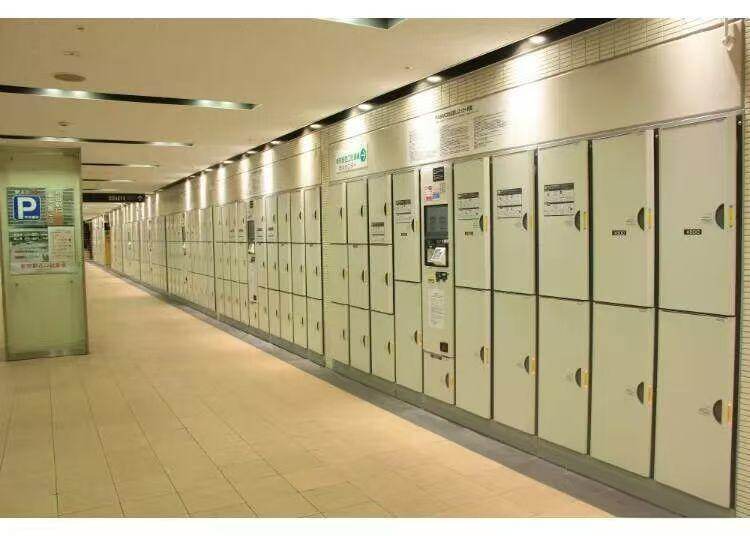
Almost every station in Japan has coin lockers, but they fill up by 10:00 AM in places like Kyoto or Nara. Look for "Luggage Delivery" (Takkyubin) services to send your bags from hotel to hotel for about ¥2,500 per bag. It’s a game-changer for rail travel.
Official Source Information
Original Headline: JAPAN Monthly Web Magazine
Published: 2026-04-10 10:17 UTC
Source: JNTO (Japan National Tourism Organization)
Region: National (Japan)
Link: Official Japan Magazine
Final Thoughts on Planning Your Trip
The beauty of the Japanese rail system isn't just the speed; it's the precision. The JAPAN Monthly Web Magazine gives you the "why" for your journey, but the "how" comes down to smart booking. Planning your Japan rail travel 2026 itinerary doesn't have to be stressful. Don't leave your seat selection to chance, especially during the busy April season. Whether you are chasing the cherry blossoms in Tohoku or exploring the hidden shrines of Kyushu, having your tickets sorted before you hit the platform makes all the difference. Ready to start your journey? Book your Shinkansen tickets now and get ready to see Japan the way it was meant to be seen—from the window of a train.