Is the Japan Rail Pass Worth It? 2026/2026 Cost Analysis

Key Takeaway: When asking if the Japan Rail Pass is worth it, keep in mind that following the massive 70% price increase, the 7-day National JR Pass now costs ¥50,000 and only pays off if you travel well beyond a standard Tokyo-Kyoto round trip. Most travelers save significant money by purchasing point-to-point tickets instead. Check your exact itinerary costs and book train tickets online before committing to a pass.
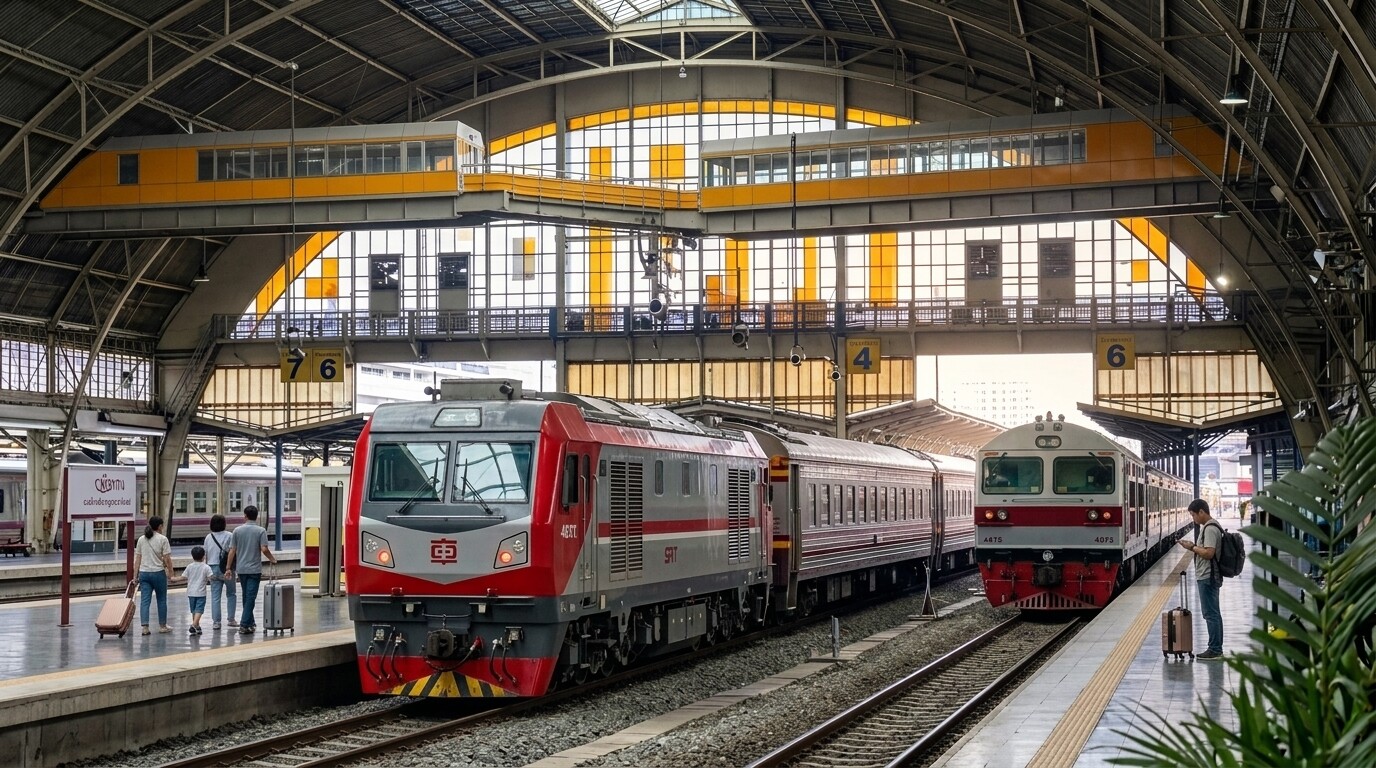
Stand at the electronic departure board at Tokyo Station, and you will see a sea of orange and green flashing signs. If you are holding a ¥50,000 piece of cardboard, you might be wondering if you just made a massive financial mistake. So, is the Japan Rail Pass worth it right now? The 2026/2026 analysis data shows a brutal reality for tourists. The golden era of unlimited, cheap bullet train rides is over. But that does not mean you should panic. You just need to change your strategy and look at the actual numbers to determine if a Japan Rail Pass is worth it for your specific travel style.
The Brutal Math: Is the Japan Rail Pass Worth It in 2026/2026?

Since the recent price hike, many tourists find the Japan Rail Pass less worth it than before. Here is the current situation:
- The new baseline: A 7-day ordinary pass costs ¥50,000, up from the old ¥29,650.
- The Kyoto test: A simple round trip from Tokyo to Kyoto no longer covers the pass cost.
- The Nozomi perk: You can finally ride the fastest Nozomi trains, but it costs an extra fee per trip.
- The regional shift: Localized passes like the JR East or JR West passes survived with much smaller price bumps.
- The 2026/2026 outlook: Prices are locked in, meaning individual ticket purchases will remain the default choice for most tourists.
JR Pass vs Individual Tickets: Breaking Down the Costs

Let me give you the hard numbers. I have stood at the ticket machines in Kyoto watching tourists calculate their losses in real-time. The price hike completely flipped the script on Japanese rail travel. The 7-day National JR Pass requires at least three major long-haul Shinkansen trips just to break even. This is the main factor in deciding if the Japan Rail Pass is worth it for your budget.
If you are planning the classic "Golden Route" (Tokyo, Kyoto, Osaka, and back), you will lose money on the pass. Period. A standard Tokyo to Kyoto Shinkansen ticket costs around ¥13,320. Double that for the return, add a quick hop to Osaka, and you are still hovering around ¥29,000. You just overpaid by ¥21,000. Even if you throw in a side trip to Nara or Kobe, you will not close that gap. The math simply does not work in your favor anymore.
Check the latest individual ticket prices and book your Shinkansen seats securely at japantrain.net to avoid overspending.
| Trip Itinerary | Individual Ticket Cost | JR Pass Cost (7-Day) | Verdict | Action |
|---|---|---|---|---|
| Tokyo → Kyoto → Osaka → Tokyo | ¥28,500 | ¥50,000 | Lose ¥21,500 | Book individual tickets |
| Tokyo → Kyoto → Hiroshima → Tokyo | ¥41,000 | ¥50,000 | Lose ¥9,000 | Book individual tickets |
| Tokyo → Kanazawa → Kyoto → Tokyo | ¥35,200 | ¥50,000 | Lose ¥14,800 | Book individual tickets |
| Tokyo → Hakodate → Sapporo → Tokyo | ¥54,000 | ¥50,000 | Save ¥4,000 | Buy the JR Pass |
How to Calculate if the Japan Rail Pass is Worth It for Your Itinerary
To determine if the Japan Rail Pass worth it for your specific trip, you need to map out every single intercity train ride. Do not count local subway rides in Tokyo or Kyoto; those are usually run by non-JR companies and only cost ¥200-¥300 a pop anyway. They will not move the needle on a ¥50,000 pass.
Instead, list out your Shinkansen (bullet train) and Limited Express journeys. Look up the base fare plus the seat fee for each leg. If your total exceeds the pass price, buy the pass. If it falls short, buy individual tickets. For 85% of modern tourists, individual tickets win. You can easily compare your exact route prices on japantrain.net to get an accurate total and see if the Japan Rail Pass is worth it for your route.
Are Regional Passes the New Secret Weapon?

Forget the national pass for a second. The real value hides in regional alternatives. Japan's railway system is divided into six distinct companies. And each one issues its own localized passes. They are cheaper, highly focused, and incredibly efficient. While the national version struggles, regional options often make a Japan Rail Pass worth it for specific prefectures like Kyushu or Hokkaido.
Take the JR East Tohoku Area Pass, for example. It covers five consecutive days of unlimited travel for ¥30,000. You can ride the Hayabusa Shinkansen up to Aomori, soak in hot springs, and zip back to Tokyo while saving thousands of yen. Down south, you can take the Fukuoka to Kagoshima Shinkansen using a JR Kyushu pass and break even on day one. These regional options survived the massive inflation wave mostly intact.
If you only need to get between two major cities, skip the pass entirely. Just check point-to-point fares on japantrain.net and travel on your own schedule.
The Nozomi Problem: Speed vs. Surcharges

Here is a crucial detail most blogs miss. The fastest train on the Tokaido line is the Nozomi. It blasts from Tokyo to Osaka in just two and a half hours, running up to 12 times an hour during peak times. For decades, JR Pass holders were banned from riding it. Now, you can finally board the Nozomi. But there is a massive catch.
You have to pay an upgrade fee. Riding the Nozomi with a JR Pass requires a ¥4,960 surcharge between Tokyo and Kyoto, killing any remaining value the pass had. With these extra costs, it is difficult to argue the Japan Rail Pass is worth it for those prioritizing speed.
If you buy a regular ticket, the Nozomi is included in the standard price. So, why pay ¥50,000 for a pass only to get hit with hidden fees at the station? It makes no sense. The Osaka to Tokyo Shinkansen: Prices, Times & Tickets data confirms this surcharge will remain active for the foreseeable future. You are effectively paying a premium for the privilege of paying another premium.
Save yourself the headache at the ticket office. Book Nozomi train tickets directly at japantrain.net.
Who Actually Benefits from the JR Pass in 2026/2026?
I am not saying the pass is entirely useless. It still serves a very specific type of traveler. You just have to be a bit of a transit masochist to make it work. The only travelers who should buy the National JR Pass are those covering extreme distances, like Tokyo to Kagoshima, within a tight timeframe, making the Japan Rail Pass worth it through sheer volume of travel.
Let's look at the break-even scenarios. The 14-day pass costs ¥80,000. To make that worthwhile, you need to be on a train almost every single day. Japan Guide notes that less than 15% of foreign tourists actually travel enough to justify the new 14-day pricing. If you are a slow traveler who likes to spend three or four days in one city, you will likely find the Japan Rail Pass is not worth it for your pace.
| Travel Style | Recommended Pass | Why It Works (or Doesn't) |
|---|---|---|
| First-timers (Tokyo, Kyoto, Osaka) | None. Buy Individual Tickets. | You will lose over ¥20,000 using a 7-day pass on this route. |
| Hyper-active Explorers | 14-Day National Pass | Works if visiting Tohoku, Kansai, and Kyushu in one trip. |
| Deep Regional Travel | JR West / JR East Passes | Excellent value for focused exploration within one specific region. |
| Families with Children | Individual Tickets | Kids under 6 ride free on individual tickets (unreserved seats). |
Don't guess your travel costs. Compare your exact route prices on japantrain.net before making a final decision.
Pro Tips: 7 Ways to Save on Japan Train Travel
- Book point-to-point early. Shinkansen tickets go on sale 30 days in advance. You can travel comfortably without needing to worry if the Japan Rail Pass is worth it by booking online via japantrain.net before you even land.
- Exploit the Hayatok discount. JR offers "Hayatok" advance purchase fares on certain routes. If you book 21 days out, you can save up to 15% on long-distance journeys like Nagoya to Fukuoka.
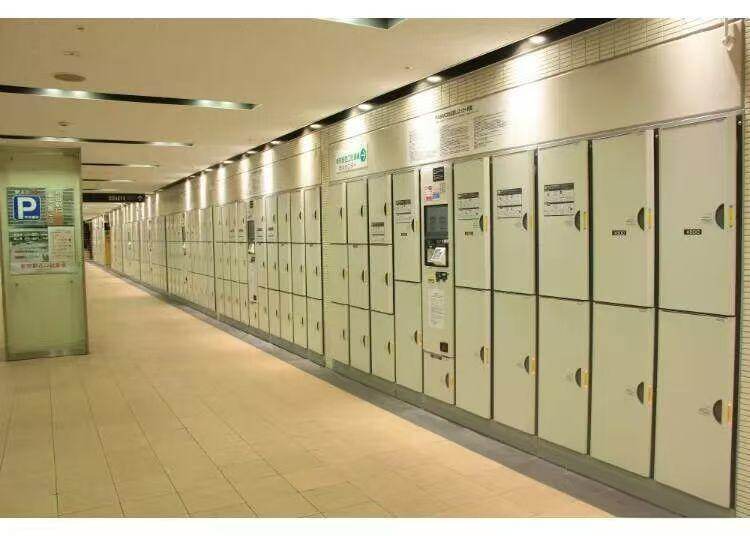
- Ship your heavy bags. Navigating Tokyo Station with massive luggage is a nightmare. Use Yamato Transport (Ta-Q-Bin) to send bags hotel-to-hotel for about ¥2,000. It is cheaper than the oversized baggage fine on the train.
- Use the unreserved cars. Cars 1-3 on most Shinkansen are unreserved. If you travel outside rush hour (10 AM to 3 PM), you can easily grab a window seat without paying the ¥500-¥1,000 reservation fee.
- Look for discount ticket shops. Kinken shops (discount ticket stores) near major stations sell slightly discounted Shinkansen tickets. It takes effort, but you can save 5% on a standard fare.
- Fly domestic for extreme distances. Going from Tokyo to Sapporo? A low-cost carrier like Peach or Jetstar will cost ¥6,000 and take two hours. The train takes eight hours and costs ¥27,000, which is another reason why a Japan Rail Pass is rarely worth it for long-haul jumps to the north.
- Master the local IC card. Suica and Pasmo cards don't save you money on base fares. But they save you hours of queuing at ticket machines for local JR lines and subways.
Frequently Asked Questions
Is the Japan Rail Pass still worth it for the Golden Route?
No, the Japan Rail Pass is worth it generally only for long-haul travel; for the standard Tokyo-Kyoto-Osaka Golden Route, individual tickets cost roughly ¥30,000, while a 7-day pass is ¥50,000. Most travelers will save over ¥20,000 by purchasing point-to-point tickets instead.
How much does a 7-day Japan Rail Pass cost in 2026/2026?
A 7-day National JR Pass currently costs ¥50,000 for an Ordinary Car and ¥70,000 for a Green Car, following the massive 70% price hike implemented in late 2023. These prices are expected to remain stable through 2026 and 2026.
Can I ride the Nozomi train with a JR Pass?
Yes, you can ride the Nozomi and Mizuho trains with a JR Pass, but you must pay an additional supplemental fee for each journey. This makes the pass even less cost-effective for travelers who want the fastest service between Tokyo and Osaka.
What are the best alternatives if I decide the Japan Rail Pass is not worth it?
The best alternatives to the National JR Pass are regional passes like the JR West Kansai Wide Area Pass or the JR East Tohoku Area Pass, which offer significantly better value for specific regions. Alternatively, buying individual Shinkansen tickets online is the most flexible and cheapest option for most tourists.
When is the Japan Rail Pass worth it?
The Japan Rail Pass worth it scenario only occurs if your itinerary includes extreme long-distance travel, such as a round trip from Tokyo to Hiroshima followed by a trip to Hokkaido within 7 days. For standard tourist itineraries, the pass rarely pays off under the new pricing structure.