Tokyo to Osaka Shinkansen, Tokaido Shinkansen line, Shin-Osaka Station, Nozomi train price, Japan Rail Pass, N700S series trainGeneral12 min read

Tokyo to Osaka Shinkansen 2026: Tickets, Routes & Prices

Tokyo to Osaka Shinkansen 2026: Tickets, Routes & Prices

Key Takeaway: The fastest way to travel between Japan’s two biggest cities is the Tokyo to Osaka Shinkansen Nozomi service, completing the journey in just 2 hours and 21 minutes. A standard reserved seat costs ¥14,720 in 2026, and you'll want to secure it early if you're traveling during peak seasons or want a guaranteed view of Mt. Fuji. Skip the station queues and book train tickets online to lock in your preferred seat.

You grab a freshly made wagyu bento at the station, sink into a plush window seat, and watch the urban sprawl melt into green mountains at 285 km/h. Just over two hours later, you're stepping out into the neon glow of Dotonbori. The Tokyo to Osaka Shinkansen 2026 route remains a highly efficient transit option. But picking the right train—Nozomi, Hikari, or Kodama—can mean the difference between a fast trip and a frustratingly slow commute.

Here is exactly how to navigate the Tokaido line this year, complete with updated prices, luggage rules, and the insider tricks that separate first-time tourists from seasoned riders.

Quick Overview: Tokyo to Osaka Shinkansen 2026

Photo illustrating Quick Overview: Tokyo to Osaka Shinkanse

Before we break down the specifics of the Tokyo to Osaka Shinkansen, here are the hard numbers you need to plan your trip.

  • Departure points: Tokyo Station or Shinagawa Station.
  • Arrival point: Shin-Osaka Station (requires a short local train transfer to reach central Osaka).
  • Fastest journey: 2 hours 21 minutes via the Nozomi train.
  • Base fare (2026): ¥13,870 for an unreserved seat; ¥14,720 for a standard reserved seat.
  • Frequency: Up to 15 departures per hour during peak morning and evening rushes.
  • First/Last trains: Departures begin around 6:00 AM, with the final Tokyo departure leaving just before 9:30 PM.

Nozomi vs. Hikari vs. Kodama: Choosing Your Speed

Photo illustrating Nozomi vs. Hikari vs. Kodama: Choosing Y

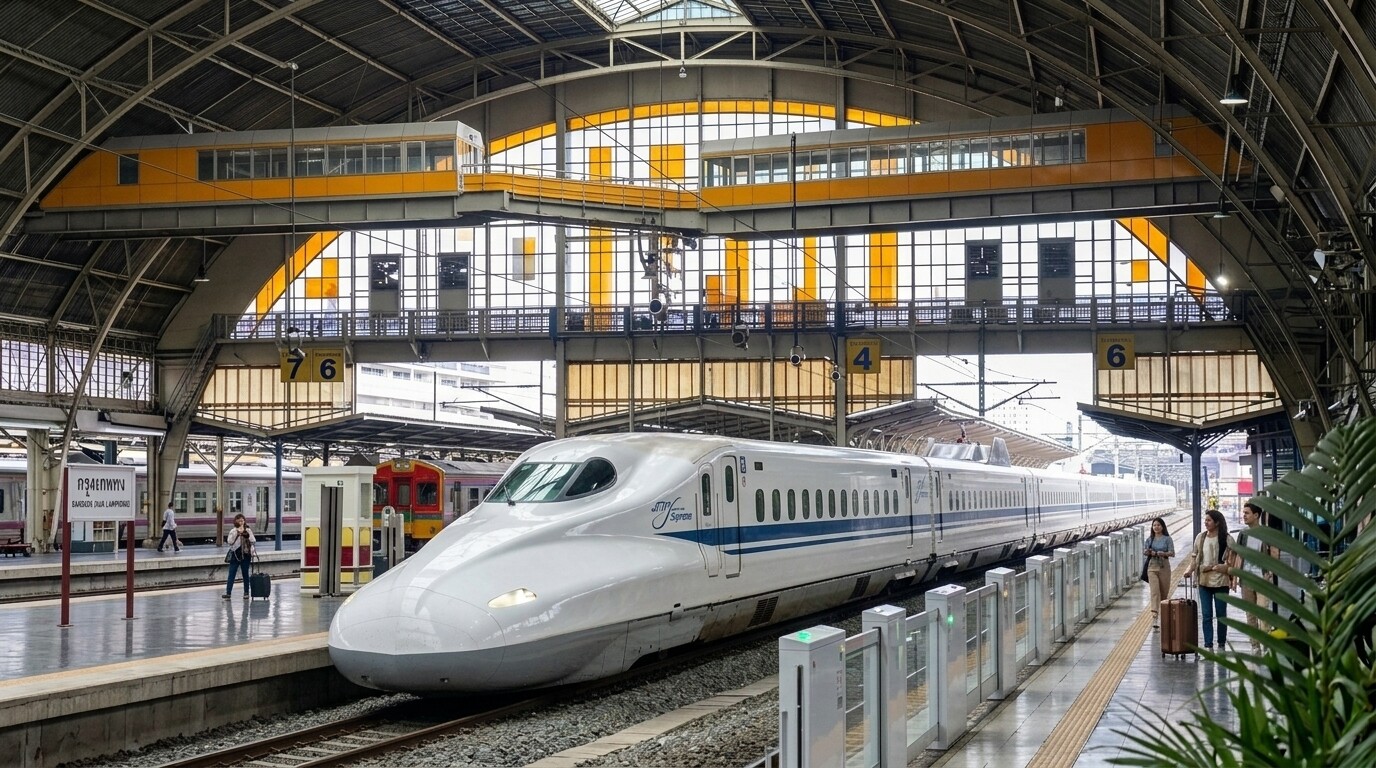
Let's settle the biggest source of confusion right away. All three train types run on the exact same physical track. And they all use the exact same sleek N700S or N700A series train cars. So what are you actually paying for? Stops.

The Nozomi completes the Tokyo to Osaka Shinkansen journey in a rapid 2 hours and 21 minutes, making it the undisputed king of the Tokaido line. It bypasses dozens of smaller towns, stopping only at Shinagawa, Shin-Yokohama, Nagoya, and Kyoto before pulling into Shin-Osaka. If your goal is simply to get from city to city as fast as possible, this is your train.

The Hikari takes the middle ground. It makes a few extra stops along the way (often at places like Shizuoka or Hamamatsu), pushing the total travel time to about 2 hours and 54 minutes. It's slightly cheaper, and historically, it was the fastest train covered by the standard Japan Rail Pass.

Then there is the Kodama. The Kodama stops at every single station on the line. The journey takes nearly 4 hours. Unless you are specifically visiting a small regional town or have booked a heavily discounted "Platt Kodama" ticket, you should avoid this train for the full Tokyo to Osaka Shinkansen run. It’s a sluggish ride.

Speed and Stopping Comparison

Tokyo to Osaka Shinkansen Types (2026 Data)
Train Type Travel Time Stops (Approx.) Best For Action
Nozomi 2h 21m 4 stops Maximum speed, business travelers Book Nozomi
Hikari 2h 54m 7-9 stops Balancing speed with regional passes Book Hikari
Kodama 3h 54m 15 stops Accessing small towns only Book Kodama

Ready to lock in your speed? Check live timetables and book train tickets online to secure your spot.

2026 Ticket Prices and Seat Classes Explained

Photo illustrating 2026 Ticket Prices and Seat Classes Expl

Fares have seen slight adjustments to account for peak season variations, so you'll want to budget accordingly for your Tokyo to Osaka Shinkansen trip in 2026. A standard reserved seat on the Tokyo to Osaka Shinkansen Nozomi currently costs ¥14,720, though peak season surcharges can add up to ¥400 to your ticket.

You have three main decisions to make when buying your ticket: train type, seat reservation status, and carriage class.

Unreserved vs. Reserved Seats

Cars 1 through 3 on most Tokaido Shinkansen trains are unreserved. You buy a slightly cheaper ticket, show up, and sit wherever you find an empty spot. But here is the catch. If the train is full, you stand in the aisle. For over two hours.

Reserved tickets guarantee you a specific seat in cars 4 through 16. The price difference is usually less than ¥1,000. Pay it. The peace of mind is entirely worth the minor upgrade fee, especially if you are traveling with a group and want to sit together.

Ordinary vs. Green Car

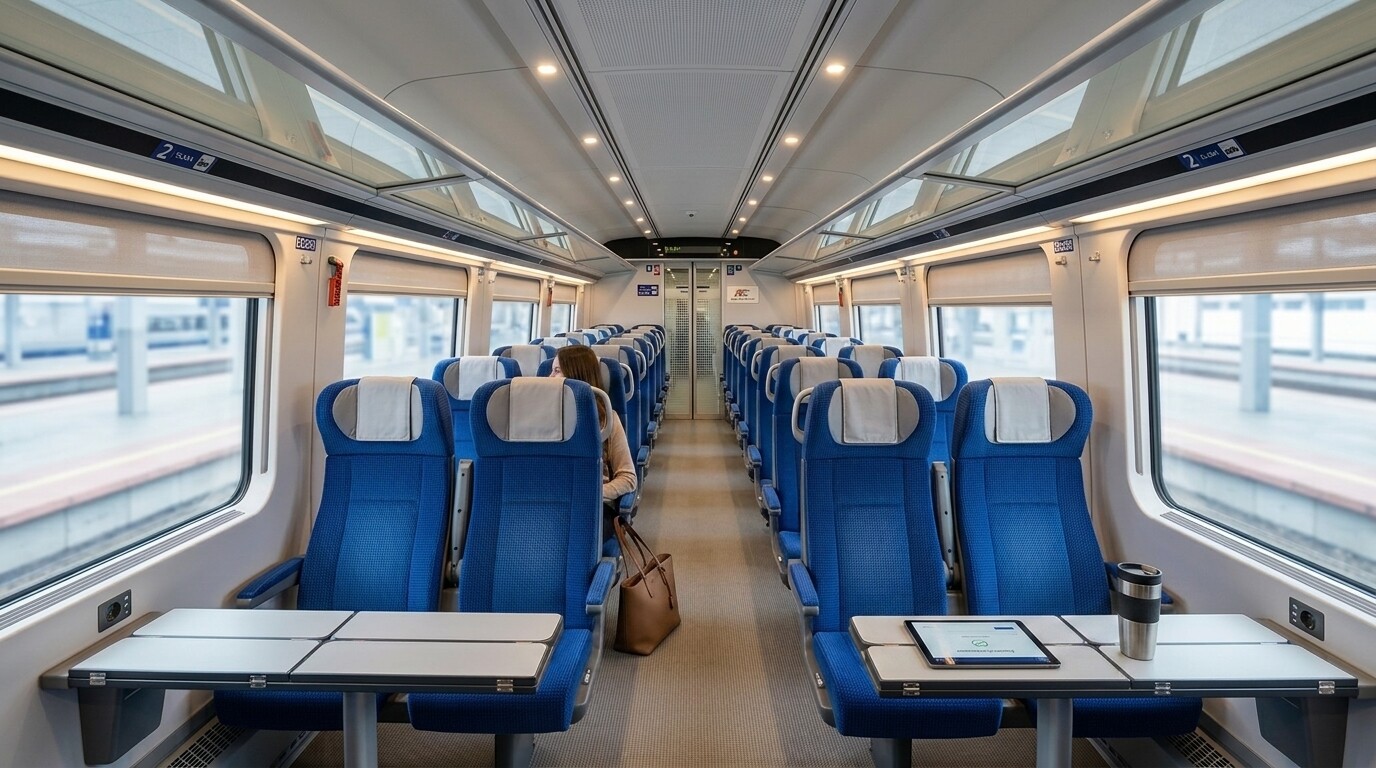
Ordinary cars feature a 3-2 seating layout. The legroom puts most airlines to shame, and the seats recline deep enough for a proper nap. For 90% of travelers, Ordinary class is perfectly comfortable.

The Green Car is Japan’s version of first class. The layout shifts to 2-2, giving you significantly wider seats, plush footrests, personal reading lights, and a quieter cabin atmosphere. It costs about ¥5,000 more than an Ordinary ticket. If you are tall, exhausted, or simply want to treat yourself, the Green Car is a great choice.

2026 Fare Breakdown (One-Way)

2026 Tokyo to Osaka Shinkansen Ticket Prices
Class Nozomi Fare Hikari Fare Booking Link
Unreserved (Cars 1-3) ¥13,870 ¥13,870 Check Availability
Reserved Ordinary ¥14,720 ¥14,400 Check Availability
Reserved Green Car ¥19,590 ¥19,270 Check Availability

Don't wait until you arrive at the station to find out the Green Car is sold out. Check latest prices on japantrain.net.

Navigating Shin-Osaka Station Upon Arrival

One common mistake travelers make is assuming the Tokyo to Osaka Shinkansen drops them off in the center of Osaka. The high-speed trains actually terminate at Shin-Osaka Station, which is located north of the downtown core.

To reach popular areas like Namba, Dotonbori, or Umeda, you will need to transfer to the local train network. The most convenient option is the Midosuji Subway Line (Red Line). It connects Shin-Osaka directly to Umeda (Osaka Station) in about 6 minutes, and Namba in 15 minutes. Alternatively, if you hold a JR Pass, you can use the JR Kyoto Line to reach Osaka Station for free.

If you have heavy luggage, elevators are clearly marked in English. Be sure to grab an ICOCA transit card from the ticket machines if you don't already have a digital IC card on your phone.

Alternatives to the Tokyo to Osaka Shinkansen

While the Tokyo to Osaka Shinkansen is the most popular method of travel, it is not the only option. Depending on your budget and schedule, you might consider flights or highway buses.

Flying: Haneda/Narita to Itami/Kansai

Domestic flights between Tokyo (Haneda or Narita) and Osaka (Itami or Kansai International) take about 1 hour and 15 minutes in the air. However, when you factor in travel time to the airports, security checks, and baggage claim, the total journey often exceeds 3.5 hours. Budget airlines like Peach or Jetstar can offer fares as low as ¥5,000, making it a viable option for budget travelers.

Overnight Highway Buses

If you want to save money on both transport and accommodation, overnight buses run between Tokyo and Osaka. The trip takes roughly 8 to 9 hours and costs between ¥3,000 and ¥8,000 depending on the seat type. It is cost-effective but significantly less comfortable than the train.

Ready to skip the airport hassle and slow buses? Book your Tokyo to Osaka Shinkansen tickets online for a faster, more comfortable journey.

The Japan Rail Pass Factor in 2026

Photo illustrating The Japan Rail Pass Factor in 2026

The math for foreign tourists taking the Tokyo to Osaka Shinkansen changed drastically after the massive nationwide price hike a few years ago. Many travelers still operate under outdated advice.

Unless you are taking at least three major long-distance round trips within a 7-day window, buying individual tickets for the Tokyo to Osaka Shinkansen route is now significantly cheaper than a nationwide JR Pass.

A 7-day JR Pass costs roughly ¥50,000 in 2026. A round trip from Tokyo to Osaka costs about ¥29,440. You would need to add a trip like the Tokyo to Hiroshima Shinkansen just to break even. Furthermore, the standard JR Pass still requires you to pay a hefty supplemental fee if you want to ride the fast Nozomi trains.

For the vast majority of modern itineraries, point-to-point tickets are the smarter financial move. According to the Japan National Tourism Organization, regional passes or single tickets now offer better value for standard "Golden Route" travelers.

First-Time Rider Etiquette on the Tokaido Line

Riding the Tokyo to Osaka Shinkansen is a quiet, orderly experience. To blend in with local commuters, follow these basic etiquette rules:

  • Keep phones on silent: Do not take phone calls in your seat. If you must answer a call, walk to the deck areas located between the train cars.
  • Eating is allowed: Unlike local subways, eating bento boxes and drinking alcohol is perfectly acceptable on the Shinkansen. Just avoid bringing hot foods with strong odors.
  • Recline with care: The seats recline quite far. It is polite to glance behind you and ensure the passenger behind you is not leaning forward or using their tray table before you push your seat back.
  • Dispose of trash: Conductors occasionally walk through with garbage bags, but you should generally take your trash to the bins located in the vestibules between cars when you disembark.

7 Pro Tips for the Tokyo to Osaka Route

Riding the Shinkansen is easy, but mastering the Tokyo to Osaka Shinkansen takes a bit of insider knowledge. Here is how to upgrade your experience.

  1. Book the "E Seat" for Mt. Fuji: If you are heading from Tokyo to Osaka via Shinkansen, Mt. Fuji will appear on the right side of the train about 45 minutes into the journey. When selecting your reserved seat, specifically choose Seat E (or Seat D in the Green Car). If you are traveling the reverse Osaka to Tokyo Shinkansen route, it will be on your left, but it's still Seat E.
  2. Understand the Oversized Baggage Rule: If your suitcase's total dimensions (height + width + depth) exceed 160cm, you cannot just bring it on board. You must reserve a specific "Oversized Baggage Seat" at the back of the carriage. If you fail to do this, conductors will charge you a ¥1,000 penalty fee and move your bag.
  3. Board at Shinagawa Instead of Tokyo: Tokyo Station is a massive underground complex. It is very easy to get lost. Shinagawa Station, located just a few minutes south, is much smaller, highly intuitive, and every single Shinkansen stops there. It's a much less stressful departure point.
  4. Buy Your Ekiben Early: The food carts that used to roam the aisles of the Tokaido Shinkansen were retired. You must buy your bento boxes, snacks, and drinks at the station before boarding. The "Ekiben Matsuri" shop in Tokyo Station offers over 200 regional varieties.
  5. Beware the Holiday Rush: During New Year's, Obon (August), and Golden Week (early May), trains sell out weeks in advance. If you are traveling during these windows, read our Golden Week 2026 Shinkansen: May 5 U-Turn Rush Peak Guide to understand exactly when to book.
  6. Use Digital QR Tickets: Navigating paper tickets and physical ticket gates can be clumsy. When you book Tokyo to Osaka Shinkansen tickets online via a modern provider, you can often link your reservation directly to your digital IC card (like Suica or Pasmo) or use a QR code for seamless boarding.
  7. Don't Rely on the Free Wi-Fi: While the N700S trains do offer free onboard Wi-Fi, the connection frequently drops as the train blasts through tunnels and rural mountains. Download your movies or large files before you leave the hotel.

Frequently Asked Questions

How much does the Tokyo to Osaka Shinkansen cost in 2026?

A standard reserved seat on the Tokyo to Osaka Shinkansen costs ¥14,720 in 2026, while an unreserved seat is priced at ¥13,870. These rates apply to the Nozomi service, which is the most popular choice for travelers between these two cities.

How long is the Tokyo to Osaka Shinkansen train ride?

The fastest journey from Tokyo to Osaka takes exactly 2 hours and 21 minutes via the Nozomi Shinkansen. If you opt for the Hikari service, the trip takes approximately 2 hours and 54 minutes, while the Kodama service takes about 4 hours.

Which side of the train should I sit on to see Mt. Fuji?

You should book a seat on the right-hand side (Seat E) when traveling from Tokyo to Osaka to get the best view of Mt. Fuji. For the return journey from Osaka to Tokyo, you will need to sit on the left-hand side of the train.

What is the difference between Nozomi and Hikari trains?

The main difference is the number of stops, with the Nozomi being the fastest service by bypassing smaller stations to reach Osaka in 2 hours 21 minutes. While both use the high-speed N700S or N700A train sets, the Hikari makes more frequent stops, resulting in a longer travel time of nearly 3 hours.

Do I need to book Shinkansen tickets in advance?

Booking Shinkansen tickets in advance is highly recommended during peak travel periods like Golden Week, Obon, and New Year's to ensure seat availability. Online booking allows you to skip long station queues and secure specific requirements, such as oversized luggage areas or Mt. Fuji views.

Does the Tokyo to Osaka Shinkansen stop at Kyoto?

Yes, every Shinkansen train running from Tokyo to Shin-Osaka makes a scheduled stop at Kyoto Station. Kyoto is the final major stop before the train arrives at its terminus in Osaka, making it easy to combine both cities in one trip.

よくある質問

How much does the Tokyo to Osaka Shinkansen cost in 2026?

A standard reserved seat on the Tokyo to Osaka Shinkansen costs ¥14,720 in 2026, while an unreserved seat is priced at ¥13,870. These rates apply to the Nozomi service, which is the most popular choice for travelers between these two cities.

How long is the train ride from Tokyo to Osaka?

The fastest journey from Tokyo to Osaka takes exactly 2 hours and 21 minutes via the Nozomi Shinkansen. If you opt for the Hikari service, the trip takes approximately 2 hours and 54 minutes, while the Kodama service takes about 4 hours.

Which side of the train should I sit on to see Mt. Fuji?

You should book a seat on the right-hand side (Seat E) when traveling from Tokyo to Osaka to get the best view of Mt. Fuji. For the return journey from Osaka to Tokyo, you will need to sit on the left-hand side of the train.

What is the difference between Nozomi and Hikari trains?

The main difference is the number of stops, with the Nozomi being the fastest service by bypassing smaller stations to reach Osaka in 2 hours 21 minutes. While both use the high-speed N700S or N700A train sets, the Hikari makes more frequent stops, resulting in a longer travel time of nearly 3 hours.

Do I need to book Shinkansen tickets in advance?

Booking Shinkansen tickets in advance is highly recommended during peak travel periods like Golden Week, Obon, and New Year's to ensure seat availability. Online booking allows you to skip long station queues and secure specific requirements, such as oversized luggage areas or Mt. Fuji views.

Does the Tokyo to Osaka Shinkansen stop at Kyoto?

Yes, every Shinkansen train running from Tokyo to Shin-Osaka makes a scheduled stop at Kyoto Station. Kyoto is the final major stop before the train arrives at its terminus in Osaka, making it easy to combine both cities in one trip.

Tags:Tokyo to Osaka ShinkansenTokaido Shinkansen lineShin-Osaka StationNozomi train priceJapan Rail PassN700S series train