Kyoto Station Shinkansen Access: A Guide to Navigating the Gates
This guide is currently shown in English because a translation is not available yet.
Key Takeaway: Kyoto Station is divided into two main sides: the north Karasuma Side (facing Kyoto Tower, best for buses and JR local lines) and the south Hachijo Side (best for Kyoto Station Shinkansen access and airport limousines). To catch a bullet train, enter via the Hachijo gates to save 10 minutes of walking; you can book tickets in advance via japantrain.net to skip the chaotic ticket machines.
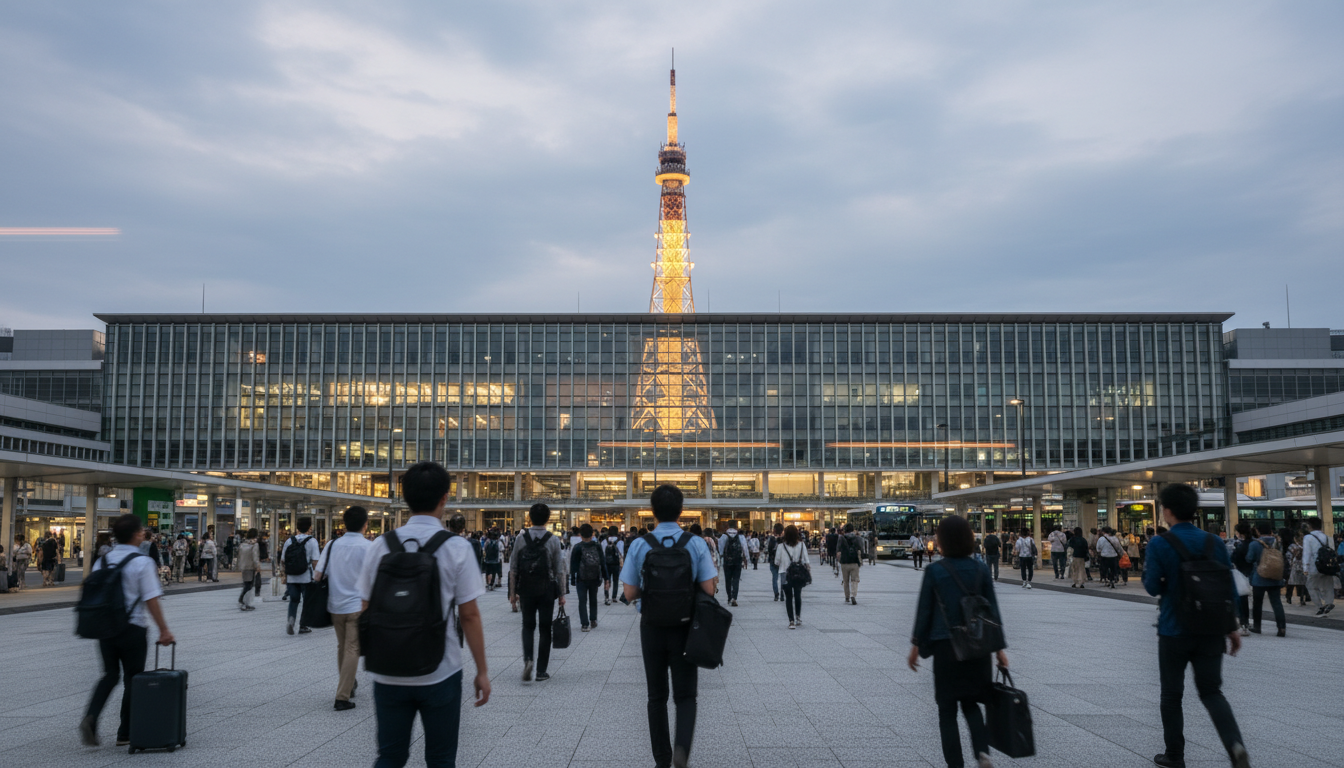
Stepping out of a taxi and looking up at Kyoto Station for the first time is usually a shock to the system. You expect wooden beams, sliding doors, and the smell of incense; what you get is a futuristic steel-and-glass cathedral that looks like it was dropped from orbit. It is massive, loud, and arguably one of the most confusing transit hubs in Japan. I’ve watched seasoned travelers stand in the main concourse, luggage in hand, spinning in slow circles as they try to distinguish the Central Gate from the Hachijo Gate. Don't worry—it happens to the best of us; mastering Kyoto Station Shinkansen access is the first step to a stress-free trip.
Navigating this station isn't just about finding a train; it's about understanding the layout of a vertical city. This guide cuts through the noise to help you optimize your Kyoto Station Shinkansen access and get from the street to your seat without the stress sweat.
The Two Faces of Kyoto Station: Karasuma vs. Kyoto Station Shinkansen access at Hachijo
Photograph illustrating The Two Faces of Kyoto Station: Karasuma
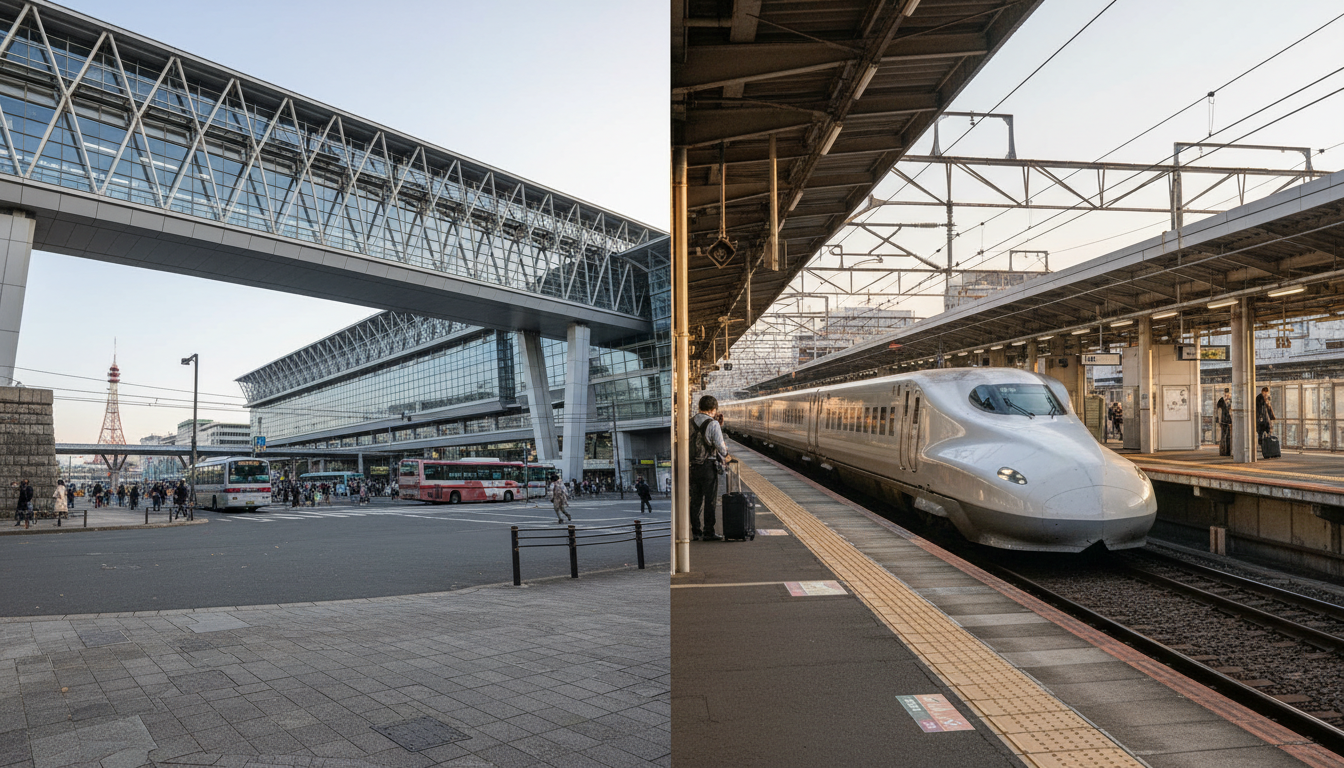
Before you even step inside, you need to know which "face" of the station you are approaching. This is where 90% of travelers get lost. Kyoto Station is essentially a giant bridge spanning the tracks, with two distinct entrances on opposite sides.
The Karasuma Side (North) is the "front" door. If you look up and see the white-and-red needle of Kyoto Tower, you are here. This side houses the massive bus terminal, the Hotel Granvia, and the grand central atrium. It feels like an airport terminal.
The Hachijo Side (South) is the "back" door. It’s quieter, closer to the AEON Mall, and critically, it provides the most direct Kyoto Station Shinkansen access. If you are rushing to catch a Nozomi to Tokyo, you want to be on this side.
Connecting them is a pedestrian walkway (on the 2nd floor) and an underground passage. Planning your Kyoto Station Shinkansen access route is vital, as walking from the north entrance to the south gates takes about 8–10 minutes with luggage, so knowing your starting point matters.
Entering the Matrix: A Breakdown of the Gates
Photograph illustrating Entering the Matrix: A Breakdown of the
Kyoto Station doesn't just have one entrance; it has a network of checkpoints depending on which train line you need. Here is how to pick the right one for efficient Kyoto Station Shinkansen access.
1. The Central Gate (Karasuma Side)
This is the grand entrance on the ground floor, right in front of Kyoto Tower. It feeds directly into Platform 0 (yes, really) and the local JR lines.
Best for: The Limited Express Haruka (to Kansai Airport), the Thunderbir (to Kanazawa), and the JR San-in Line (to Arashiyama).
Avoid if: You need immediate Kyoto Station Shinkansen access. You will have to walk through the entire station to get to the bullet train tracks.
2. The West Gate (The "Bridge")
Located on the second floor, this gate is the great connector. It sits on the pedestrian bridge that runs north-south over the tracks. It’s bustling, chaotic, and lined with bento shops.
Best for: Transfers. If you are coming from the subway or just crossing the station, this is your entry point for Kyoto Station Shinkansen access.
Insider Tip: Just outside the West Gate is the "Nanaco" information center, which is often less crowded than the main tourist desk on the ground floor.
3. The Shinkansen Central & Hachijo Gates: Primary Kyoto Station Shinkansen access
These are strictly on the south side. The Shinkansen Central Gate is on the second floor, while the Shinkansen Hachijo Gate is on the ground floor. Both gates serve as the primary points for Kyoto Station Shinkansen access, dropping you right into the secure zone.
As of 2026, the Shinkansen platforms (11-14) handle departures roughly every 3-5 minutes during peak hours. If you have your QR code from japantrain.net ready, these gates provide incredibly efficient Kyoto Station Shinkansen access.
4. The Underground Gates
There is a subterranean labyrinth connecting the station to the Porta shopping mall and the Kyoto Municipal Subway. If you are arriving by subway (Karasuma Line), you will pop out here. Follow the "JR Lines" signs religiously; it is easy to accidentally wander into a department store basement instead of the train station when seeking Kyoto Station Shinkansen access.
Kyoto Station Gate Strategy Guide (2026) Your Destination Best Kyoto Station Shinkansen access Gate Platform Numbers Walking Time to Platform Tokyo / Osaka (Shinkansen) Shinkansen Hachijo Gate (South) 11 – 14 2 minutes Kansai Airport (Haruka Express) Central Gate (North/Ground) 30 1 minute Nara (JR Nara Line) West Gate (2nd Floor) 8 – 10 4 minutes Arashiyama (JR Sagano Line) Central Gate (North/Ground) 31 – 33 3 minutes Kintetsu Line (Nara/Ise) Kintetsu Gate (West/2nd Floor) 1 – 4 (Kintetsu) Separate System
Quotable Fact: While Kyoto Station Shinkansen access is localized in the south, the JR Sagano Line to Arashiyama departs from Platform 31-33, which is a surprisingly long 300-meter walk from the Central Gate—factor in an extra 5 minutes just to walk down the platform.
Kyoto Station Shinkansen access: Navigating Platforms 11 through 14
Photograph illustrating Shinkansen Survival: Platforms 11 throug
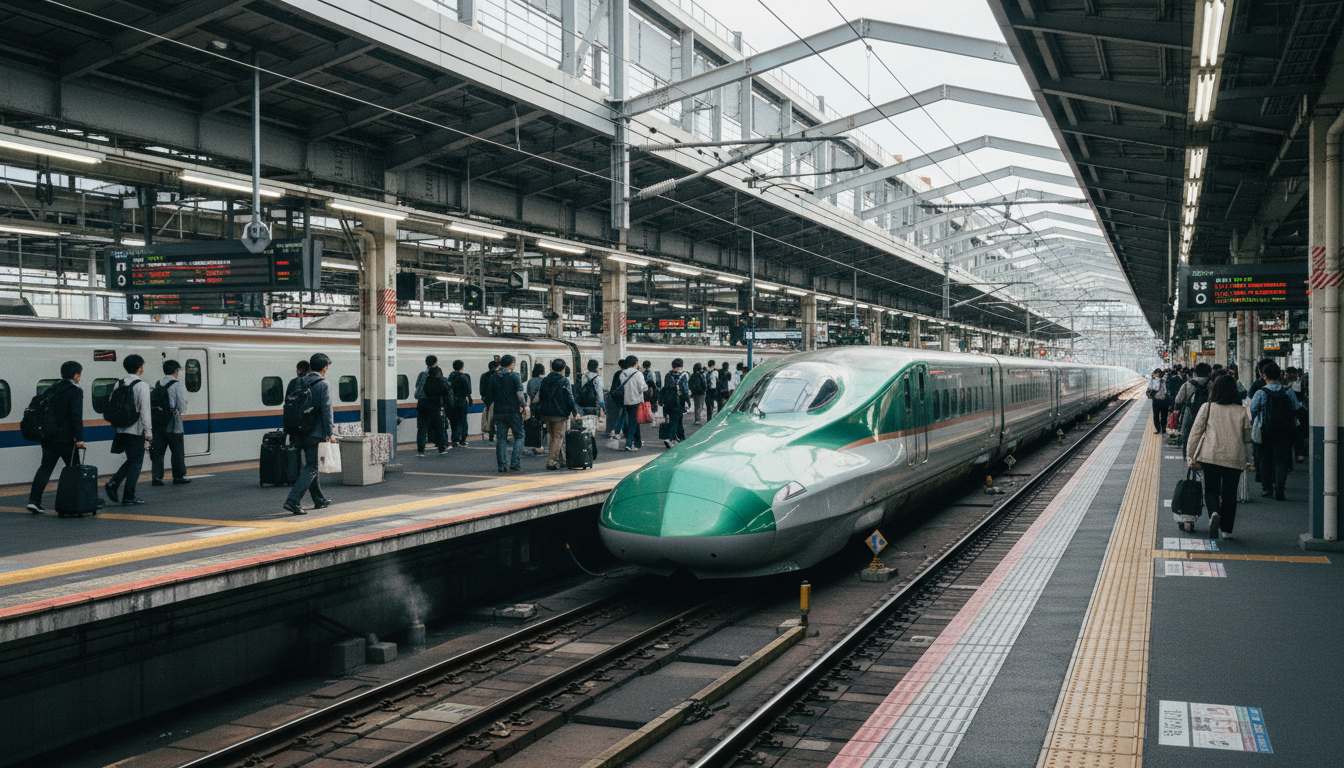
If you are leaving Kyoto, chances are you are taking the Tokaido Shinkansen. Once you have navigated your Kyoto Station Shinkansen access and passed through the gates, you are in a "station within a station."
There are only four tracks here.
Platforms 11 & 12: Usually for trains heading West (Shin-Osaka, Hiroshima, Hakata).
Platforms 13 & 14: Usually for trains heading East (Nagoya, Tokyo).
The electronic displays alternate between Japanese and English. They are color-coded: Yellow for Nozomi (fastest), Red for Hikari (intermediate), and Blue for Kodama (stops everywhere). Be careful: if you have a Japan Rail Pass (the standard version), you cannot ride the Nozomi without paying a hefty supplement. However, if you bought a single ticket via japantrain.net, you likely booked the Nozomi for speed.
Inside the zone reserved for Kyoto Station Shinkansen access, the amenities are better. The restrooms are cleaner, and the waiting rooms (heated in winter, thank heavens) have charging ports. There are also specific "Ekiben" shops here that stock the premium bento boxes, including the famous wagyu beef bentos that sell out by 5:00 PM.
Ticketing and The "Green Machine" Struggle
Photograph illustrating Ticketing and The "Green Machine" Strugg
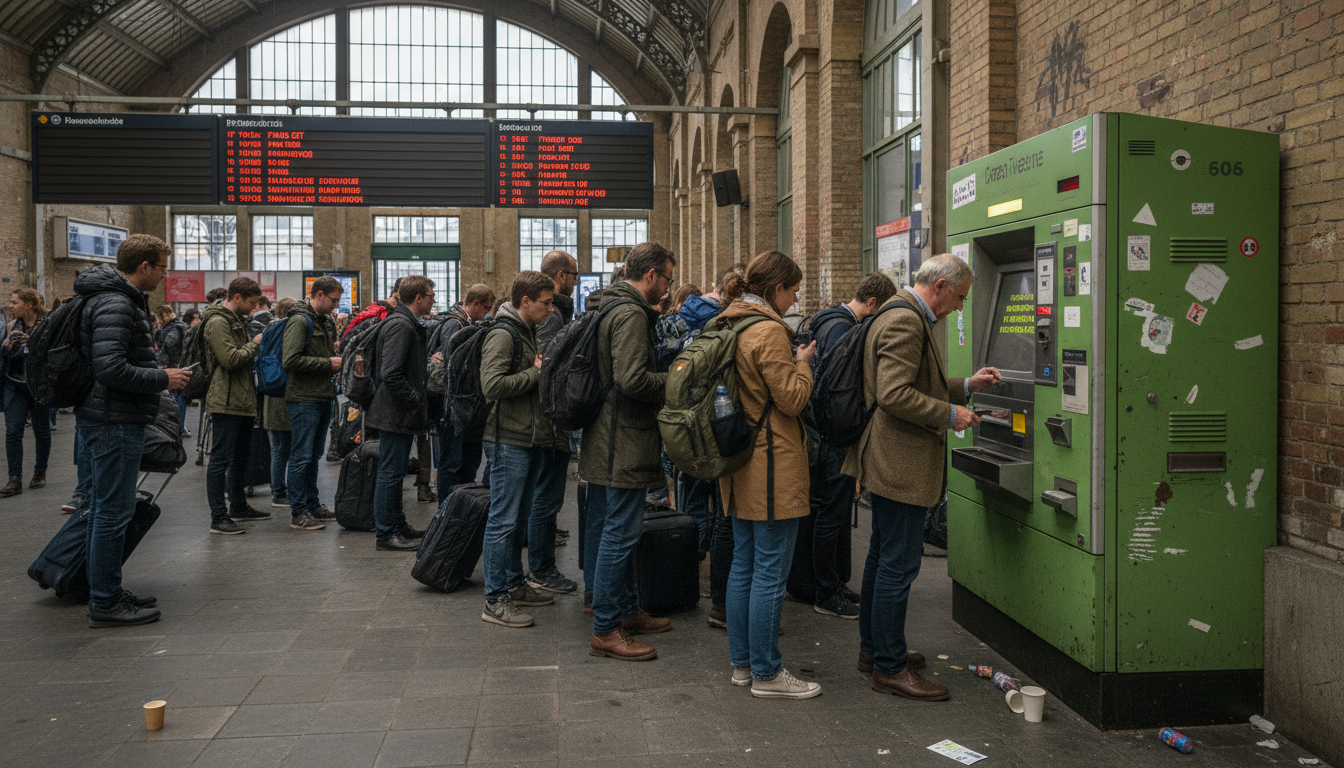
Securing Kyoto Station Shinkansen access via physical tickets can be a test of patience. The ticket offices (Midori-no-madoguchi) are perpetually crowded, with lines often snaking out the door during cherry blossom season or autumn foliage weeks. I’ve seen wait times hit 60 minutes just to speak to a human.
The automated machines are faster, but they can be finicky with foreign credit cards, sometimes rejecting non-chip cards or requiring a PIN you might not have set up. This is why I almost always recommend sorting your Kyoto Station Shinkansen access beforehand. If you book online, you can usually scan a QR code at the specialized pickup machines (which have shorter lines) or, depending on the service, go ticketless.
A note on IC Cards: You can use ICOCA, Suica, or Pasmo for all local JR lines, the subway, and Kintetsu trains. You simply tap in at the gate. However, you generally cannot use these basic IC cards for Kyoto Station Shinkansen access or limited express trains (like the Haruka) without purchasing a separate express surcharge ticket.
Pro Tips for Mastering Kyoto Station
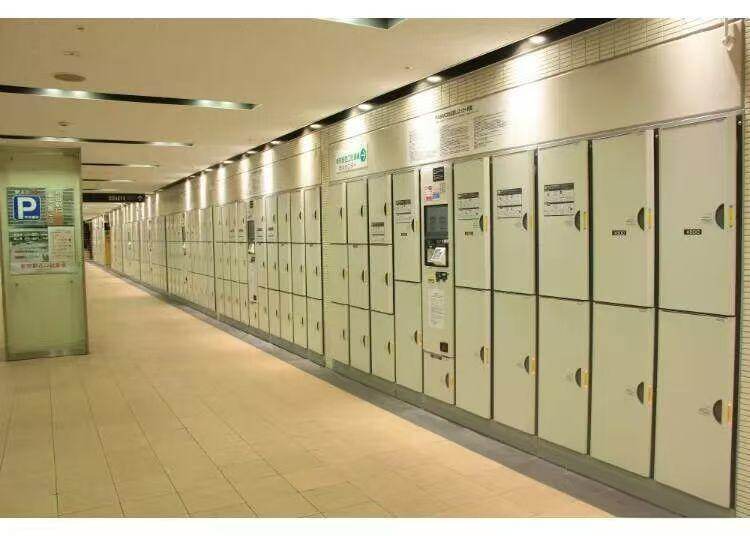
The "Secret" Coin Lockers: The lockers on the ground floor near the Central Gate are always full by 9:00 AM. Always. Instead, head to the Hachijo (South) side for better Kyoto Station Shinkansen access and locker availability. Better yet, look for the "Baggage Room" (Crosta Kyoto) on the B1 floor near the Central Gate—they will store your bag for a flat fee (around ¥800 in 2026) and can even ship it to your hotel.
Eat on the 10th Floor: If you have 40 minutes before your train, don't eat the standing udon on the platform. Take the massive escalator up to the 10th floor "Ramen Koji" (Ramen Street). It gathers famous ramen shops from across Japan in one corridor. It’s fast, relatively cheap (¥1,000–¥1,400), and delicious.
The Skyway Tunnel: If you have time to kill, find the entrance to the "Skyway" on the 10th floor. It’s a glass tunnel suspended near the ceiling of the station. You can walk the entire length of the building with a bird's-eye view of the crowds below and the city outside. It’s free and surprisingly empty.
Platform 0: Kyoto Station has a Platform 0 (and sometimes a Platform 30). It’s physically the longest platform in Japan, stretching over half a kilometer. If you are catching the Haruka to the airport, allow time to walk; it feels like you are walking halfway to Osaka before you even board.
Avoid Rush Hour Transfers: The subway transfer at Kyoto Station (Karasuma Line) is brutal between 8:00 AM and 9:00 AM. The corridors are narrow and the flow of people is intense. If you have large suitcases, try to avoid this specific hour, or take a taxi to the Hachijo entrance instead for easier Kyoto Station Shinkansen access.
Frequently Asked Questions
Which side of Kyoto Station is best for the Shinkansen?
The Hachijo Side (South) is the best entrance for Kyoto Station Shinkansen access, offering the shortest walking distance to the bullet train platforms. Entering here saves approximately 10 minutes compared to using the north Karasuma entrance. You can easily book your seats in advance through japantrain.net to streamline your departure.
How early should I arrive at Kyoto Station for my bullet train?
Travelers should arrive at Kyoto Station at least 20 to 30 minutes before their Shinkansen departure to account for the station's massive size and crowds. If you have already secured your tickets via japantrain.net, you can head directly to the Hachijo gates. This buffer allows time to find your specific platform and car number.
How do I buy Shinkansen tickets online as a tourist?
You can buy Shinkansen tickets online at japantrain.net to avoid the long queues and confusing interfaces of the physical ticket machines. This service allows you to book in English and secure your preferred seats before you even arrive at the station. Once booked, you can pick up your tickets or use a QR code depending on the service selected.
What is the difference between the Karasuma and Hachijo sides of Kyoto Station?
The Karasuma Side is the north entrance facing Kyoto Tower and the bus terminal, while the Hachijo Side is the south entrance primarily used for Shinkansen and airport limousine buses. Navigating between the two requires using the 2nd-floor pedestrian walkway. For the fastest Kyoto Station Shinkansen access, always aim for the Hachijo side.
How long does the Shinkansen take from Kyoto to Tokyo?
A Shinkansen trip from Kyoto to Tokyo takes approximately 2 hours and 15 minutes on the high-speed Nozomi service. The Hikari service takes about 2 hours and 40 minutes, while the Kodama is the slowest option. For the best travel experience, check schedules and book your tickets early at japantrain.net.