Shinkansen Green Car Upgrade vs Gran Class: Is it Worth it?
This guide is currently shown in English because a translation is not available yet.

Key Takeaway: A shinkansen green car upgrade offers wider 2x2 seating and significantly more legroom for about ¥5,000 ($35) extra on the Tokyo–Kyoto route, making it ideal for tall travelers or couples seeking quiet. Gran Class is the ultra-luxe "First Class" option available only on select northern routes, featuring shell seats and attendant service. Check current prices and book your shinkansen green car upgrade tickets online to secure specific seats before they sell out.
The platform at Tokyo Station is pure chaos at 8:00 AM. Suits rushing, tourists hauling suitcases, and the constant chime of departure melodies. But step through the door marked with the four-leaf clover symbol, and the noise vanishes instantly. If you are considering a shinkansen green car upgrade, this silence is the first thing you pay for. Choosing a shinkansen green car upgrade allows you to escape the morning rush and travel in a climate of total relaxation.
This is the Green Car.
For decades, Japan’s "Green Car" has been the gold standard for rail travel, functioning essentially as business class. But in recent years, the newer Gran Class has introduced an airline-style first-class experience that makes even the Green Car look modest. Is the shinkansen green car upgrade worth the yen? Or is the Ordinary car—which is already cleaner and more spacious than most European trains—good enough?
I’ve ridden every class of Shinkansen from the southern tip of Kagoshima to the snowy expanse of Hokkaido. Here is the no-nonsense breakdown of what you get, what you pay, and why a shinkansen green car upgrade might be your best choice in 2026.
Shinkansen Green Car Upgrade: The Hierarchy of Speed
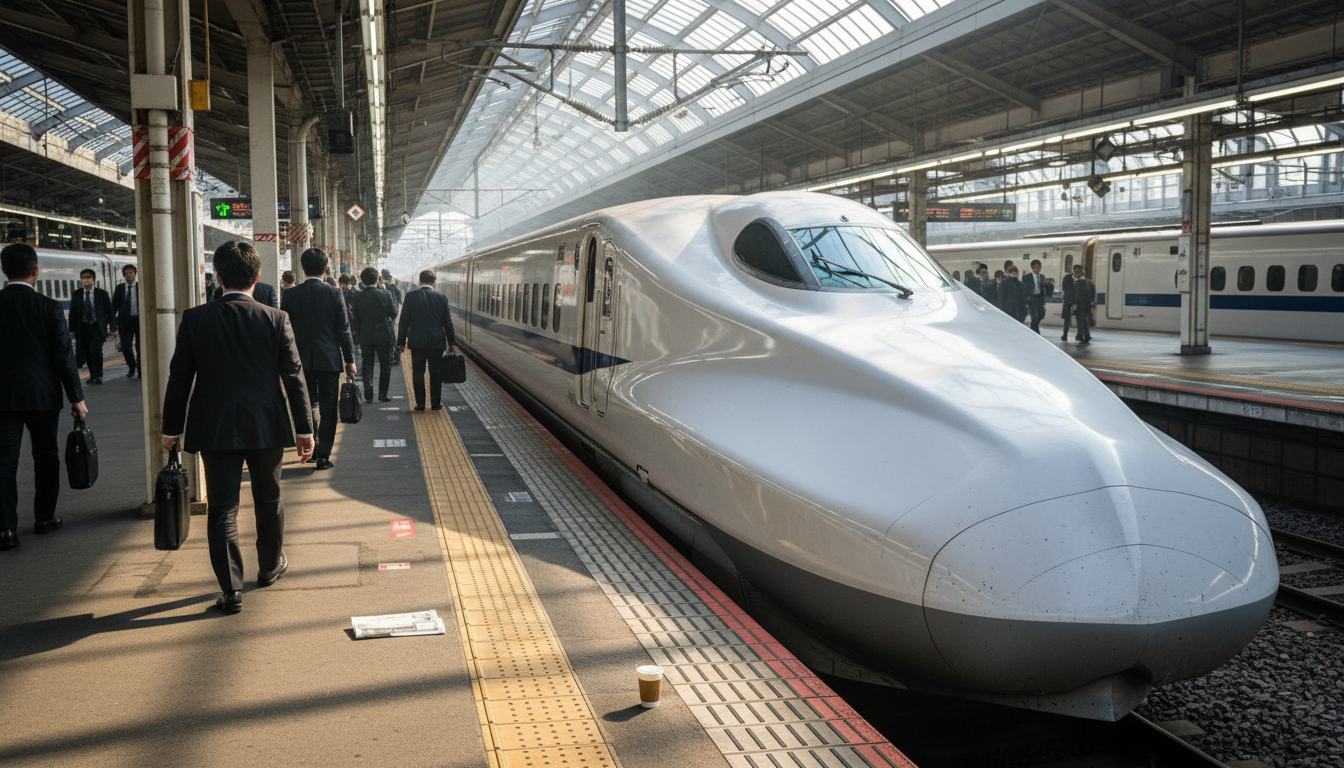
Before you pull out your credit card, you need to know that not all Shinkansen lines offer every class. The famous Tokaido line (Tokyo to Osaka) tops out at the shinkansen green car upgrade level, while the lines heading north into the mountains offer the ultra-luxe Gran Class.
- Ordinary Car: The standard. 2x3 seating layout (3x2 on some lines). Great legroom (approx. 1,040mm), but can feel crowded during rush hour.
- Green Car (Business): Available on almost all trains. Choosing a shinkansen green car upgrade provides 2x2 seating, wider seats, deeper recline, footrests, and reading lights. Much quieter atmosphere.
- Gran Class (First): Available on Tohoku, Hokkaido, and Hokuriku lines only. 1x2 seating. Shell seats that recline without encroaching on the person behind. Includes food/drink service on select schedules.
Green Car: The "Business Class" of the Rails
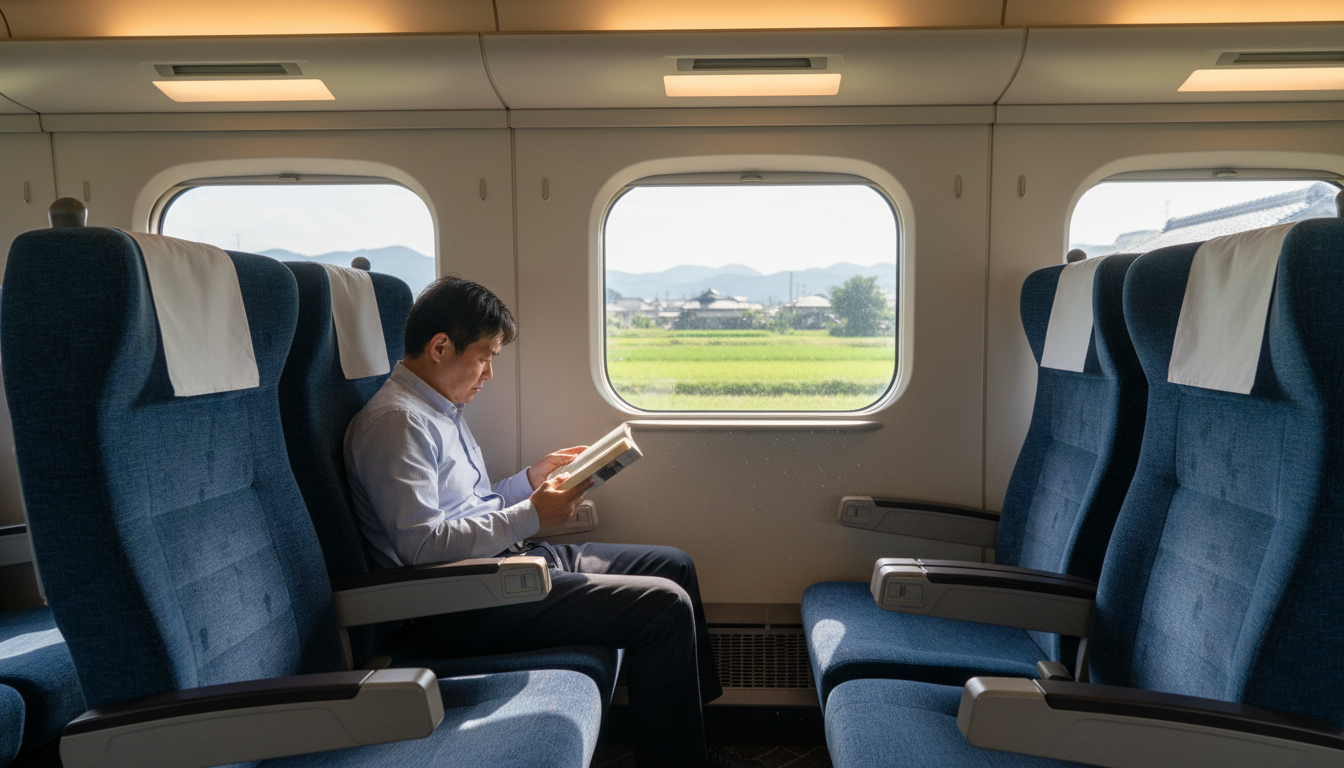
Most travelers debating a shinkansen green car upgrade are looking for the sweet spot of comfort. You aren't paying double the fare, but you are removing the middle seat, which is the primary benefit of the shinkansen green car upgrade experience.
In the Ordinary car, the 3-seat row (seats A, B, C) can be a nightmare if you're stuck in B. In the Green Car, the layout is strictly 2x2. This means every single passenger has access to either an aisle or a window. There is no "middle seat" purgatory here when you opt for a shinkansen green car upgrade.
The Hardware
The seats are plush, carpet-thick, and massive. When you select a shinkansen green car upgrade, you are moving to a 48cm width compared to the standard 43cm. It sounds small on paper. In practice, it’s the difference between rubbing elbows with a stranger and having your own personal fortress.
You also get a proper footrest (not just a bar, but a height-adjustable platform), a reading light, and a seat warmer on newer N700S series trains running the Tokyo to Osaka Shinkansen route—all standard features of a shinkansen green car upgrade. The recline goes back a generous 40 degrees. Because the seat pitch (distance between rows) is 1,160mm, the person in front of you can recline fully without smashing your knees.
The Atmosphere
This is the real selling point of the shinkansen green car upgrade. The Green Car is quiet. Aggressively quiet. Families with small children usually stick to the Ordinary cars because of the cost. The Green Car is filled with business executives and older couples.
If you need to work, sleep, or just stare out at Mt. Fuji in peace, this is where you want to be. The floors are carpeted to dampen footsteps, and the attendants bow a little lower. For most travelers, the shinkansen green car upgrade is the sweet spot between justifiable luxury and necessary comfort.
Ready to upgrade your journey? Secure your shinkansen green car upgrade tickets at japantrain.net to ensure a premium experience.
Gran Class: Aviation-Style Luxury
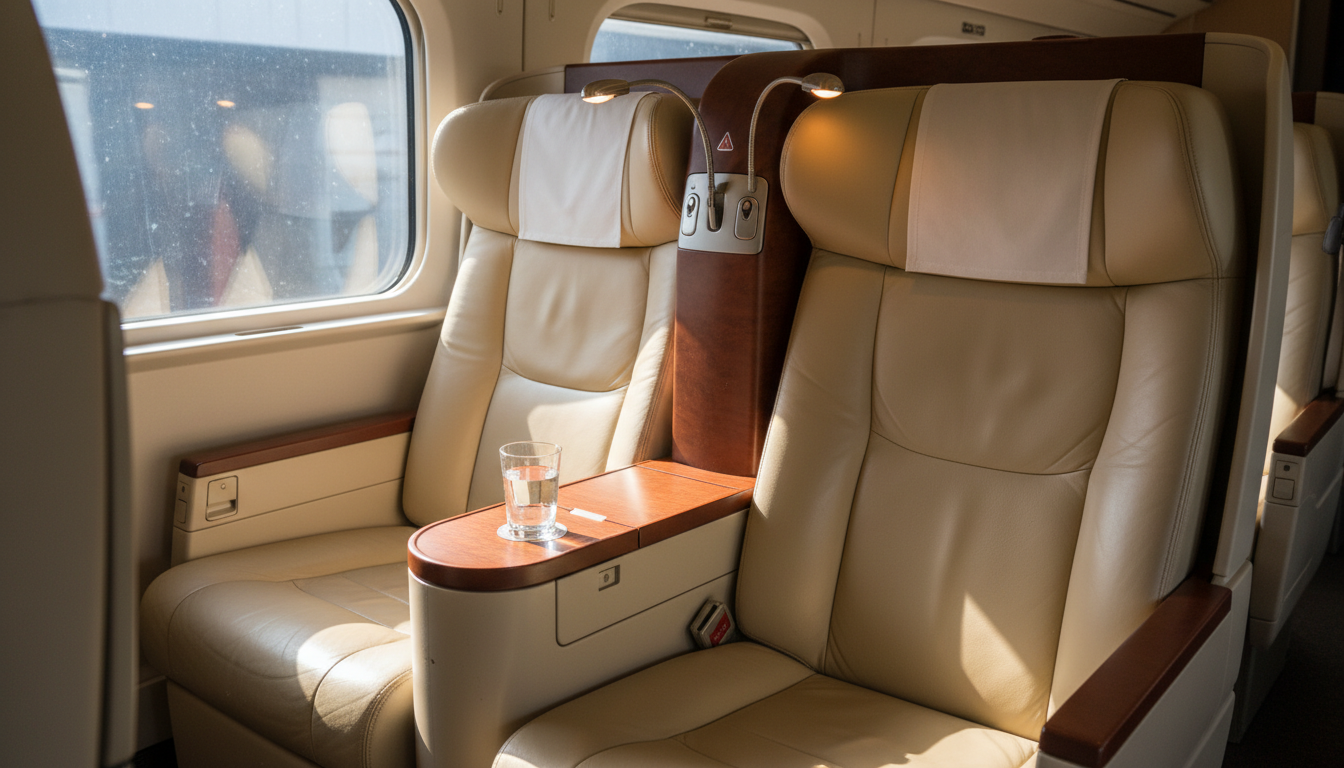
If the shinkansen green car upgrade is Business Class, Gran Class is International First. But catch: it’s only available on the newer lines heading north and west from Tokyo, such as the Tokyo to Kanazawa Shinkansen or the Hayabusa to Hokkaido. While Gran Class is stunning, many travelers find that a shinkansen green car upgrade offers the best value for money.
The Seat is the Destination
Gran Class features only 18 seats per carriage. The configuration is 1x2. If you are a solo traveler, the single "A" seat is arguably the best seat in the entire Japanese transport network, even surpassing the comfort of a standard shinkansen green car upgrade.
These are "shell seats." When you recline, the seat slides forward within a hard back shell. You can recline to a near-nap angle of 45 degrees, and the person behind you won’t even know you’ve moved. You get a thick blanket, slippers, and an eye mask—amenities that go a step beyond the shinkansen green car upgrade.
Service Types: A Critical Distinction
This is where people get tripped up. In 2026, there are two types of Gran Class tickets, which differ significantly from a standard shinkansen green car upgrade:
- With Attendant Service (Refreshment): You get a bento box (Japanese light meal), endless drinks (including beer, sake, and wine), and tea/coffee served by a dedicated attendant.
- Seat Only (No Service): You get the fancy seat, but no food, no drinks, and no attendant. The price is cheaper, but you must bring your own supplies.
Always check which one you are booking. If you book "Seat Only" expecting champagne, you will be very thirsty. If you prefer a simpler experience, a shinkansen green car upgrade might be more straightforward.
The Price Breakdown: Is a Shinkansen Green Car Upgrade Worth It?
Let's look at the hard numbers. Is the comfort of a shinkansen green car upgrade worth the cash? Here is a comparison of standard pricing for a one-way ticket during regular season (prices fluctuate slightly by season).
Route: Tokyo to Kyoto (Tokaido Shinkansen)
Note: Gran Class is not available on this route, making the shinkansen green car upgrade the highest tier of service.
| Class | Approx. Price (¥) | Approx. Price ($ USD) | Difference | Booking |
|---|---|---|---|---|
| Ordinary (Reserved) | ¥14,170 | $95 | - | Check Price |
| Green Car | ¥19,040 | $127 | +¥4,870 ($32) | Check Shinkansen Green Car Upgrade Price |
For roughly $32, a shinkansen green car upgrade provides 2 hours and 15 minutes of peace, no middle seat, and significantly better service. On a crowded Tokyo to Kyoto Shinkansen run, that is a bargain.
Route: Tokyo to Kanazawa (Hokuriku Shinkansen)
| Class | Approx. Price (¥) | Approx. Price ($ USD) | Difference | Booking |
|---|---|---|---|---|
| Ordinary (Reserved) | ¥14,380 | $96 | - | Check Price |
| Green Car | ¥19,160 | $128 | +¥4,780 ($32) | Check Shinkansen Green Car Upgrade Price |
| Gran Class (Service) | ¥27,400 | $183 | +¥13,020 ($87) | Check Gran Class Price |
Here, the jump to Gran Class is significant—nearly double the Ordinary fare. Is it worth it? If you view the train ride as part of the vacation experience rather than just transport, absolutely. However, the shinkansen green car upgrade remains the most popular choice for frequent travelers.
Planning your budget? Check live rates for your shinkansen green car upgrade on japantrain.net.
Pro Tips for the Premium Traveler
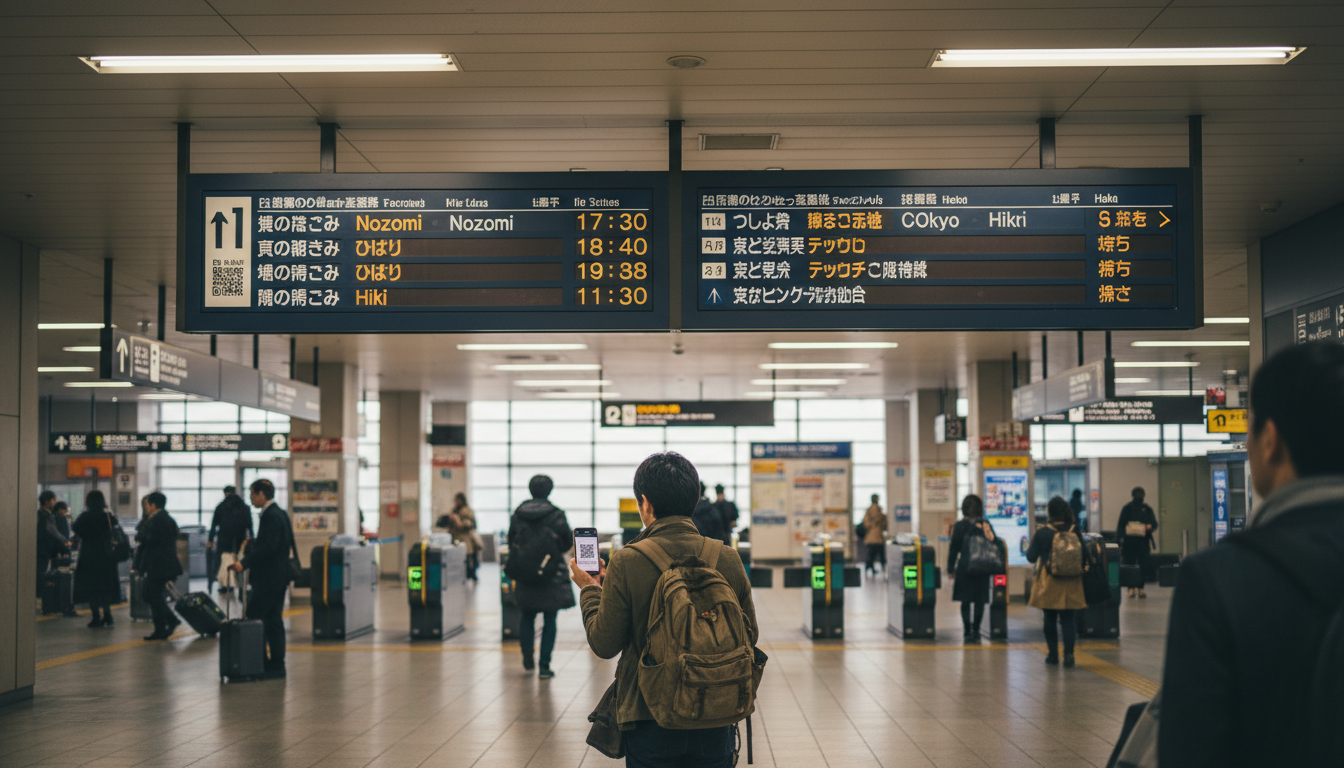
After logging thousands of miles on these rails, I've learned a few tricks to maximize your shinkansen green car upgrade experience that aren't printed on the ticket.
- The "Mount Fuji" Rule: On the Tokyo to Osaka Shinkansen, always book seat D (Green Car) or E (Ordinary Car) if you want the mountain view. With a shinkansen green car upgrade, the windows are slightly wider, giving you a longer window of opportunity to snap that photo before the train speeds past.
- The "Silent" Car 8: On the Tokaido Shinkansen, Green Cars are usually cars 8, 9, and 10. Car 8 is often located right near the escalators at major stations like Nagoya Station and Kyoto Station, making for the fastest getaway.
- Luggage Space Hacks: Green Cars have overhead racks, but they fill up. When you book your shinkansen green car upgrade tickets at japantrain.net, remember that if you have "oversized baggage" (total dimensions 160cm-250cm), you must reserve the seats at the back of the car (usually the last row). If you don't, you'll be charged a ¥1,000 fine. Read our full luggage guide here.
- Gran Class "Seat Only" Strategy: If you want the luxury seat but don't care about the bento box, look for "Seat Only" fares on the Yamabiko (Tohoku) or Asama (Nagano) services. You save about ¥4,000-¥6,000 per person compared to a full-service ticket, making it closer in price to a shinkansen green car upgrade. Bring your own premium bento from the Tokyo Station Gransta food hall downstairs—it's often better than the onboard food anyway.
- The Green Pass Loophole: If you are buying a Japan Rail Pass, the 7-day Green Pass is roughly ¥70,000 compared to ¥50,000 for Ordinary. This is essentially a pre-paid shinkansen green car upgrade for your entire trip. If you plan to take at least 3 long-distance trips (e.g., Tokyo -> Hiroshima -> Kanazawa -> Tokyo), the Green Pass pays for itself, and you never have to worry about crowded ordinary cars.
- Legroom for Giants: If you are over 6'2" (188cm), the Ordinary car is fine, but your knees might graze the seat back if the person in front reclines fully. For tall travelers, the extra space from a shinkansen green car upgrade is a lifesaver, allowing you to fully extend your legs even if the person in front is sleeping.
Frequently Asked Questions
How much does a Shinkansen Green Car upgrade cost in 2026?
A shinkansen green car upgrade typically costs between ¥4,000 and ¥6,000 ($28–$42) more than a standard reserved seat on major routes like Tokyo to Kyoto. This premium provides a 2x2 seating configuration with significantly more legroom and a quieter environment. You can check real-time pricing and seat availability for your shinkansen green car upgrade on japantrain.net.
What is the difference between Shinkansen Green Car and Gran Class?
The main difference is that Green Car is a business-class experience with 2x2 seating, while Gran Class is an ultra-luxe first-class option featuring 1x2 shell seats and dedicated attendant service. Compared to a standard shinkansen green car upgrade, Gran Class is exclusively available on northern routes like the Tohoku and Hokuriku lines. For detailed seat maps of both options, visit japantrain.net.
How do I book Shinkansen Green Car tickets online?
You can book Shinkansen Green Car tickets online through official JR portals or via specialized booking platforms like japantrain.net to secure specific seat assignments in advance. The process of securing a shinkansen green car upgrade is simple: select the "Green Car" option during the seat selection process. Booking early is highly recommended for peak travel seasons to ensure you secure a window seat.
Is the Shinkansen Green Car worth the extra cost for tourists?
Deciding if a shinkansen green car upgrade is worth the extra cost depends on your needs; it is ideal for travelers seeking a quieter cabin, 2x2 seating without middle seats, and extra legroom. It is particularly valuable during busy holiday periods when Ordinary cars become crowded and noisy. Many travelers use japantrain.net to compare the small price difference against the comfort gains before purchasing their tickets.
Which Shinkansen lines offer Gran Class first-class service?
Gran Class first-class service is exclusively available on the Tohoku, Hokkaido, and Hokuriku Shinkansen lines, serving destinations such as Sendai, Hakodate, and Kanazawa. On the Tokaido Shinkansen (Tokyo to Osaka), you are limited to a shinkansen green car upgrade as the highest tier of service. You can verify which train models offer these luxury cabins when booking through japantrain.net.
Does the Shinkansen Green Car include free food and drinks?
Unlike Gran Class, when you choose a shinkansen green car upgrade, remember that food is not typically included, though some limited routes may offer a free drink or wet towel. Passengers in Green Car can purchase high-quality bento boxes and refreshments from the onboard trolley service or at the station before boarding. Check the latest onboard service updates for your specific shinkansen green car upgrade route on japantrain.net.