Shinkansen từ Osaka đi Tokyo: Giá vé, Thời gian & Cách đặt vé năm 2026
Thông tin quan trọng: Tàu Shinkansen Nozomi đi từ Osaka đến Tokyo trong đúng 2 giờ 30 phút, với chi phí 14.720 JPY cho một ghế ngồi đặt trước tiêu chuẩn vào năm 2026. Hãy bỏ qua tàu Kodama chậm hơn (mất 4 tiếng) trừ khi bạn cần dừng ở các ga nhỏ. Để đảm bảo có tầm nhìn hướng ra Núi Phú Sĩ và lên tàu không lo lắng, hãy đặt vé tàu trực tuyến trước ngày khởi hành.
Di chuyển bằng tàu Shinkansen từ Osaka đến Tokyo chỉ mất đúng 2 giờ 30 phút trên dòng tàu Nozomi nhanh nhất. Tuyến đường này kết nối hai trung tâm đô thị lớn nhất Nhật Bản với sự đúng giờ tuyệt đối, khiến nó trở thành lựa chọn ưu tiên hơn so với các chuyến bay nội địa. Việc tìm hiểu các loại vé Shinkansen từ Osaka đi Tokyo, tốc độ tàu và quy định về hành lý đòi hỏi một chút kế hoạch cho những người mới đến lần đầu. Hướng dẫn này sẽ chi tiết hóa giá vé năm 2026, lịch trình và các lựa chọn chỗ ngồi để bạn có thể sở hữu những tấm vé tốt nhất cho hành trình của mình.
Osaka đi Tokyo Shinkansen: Tổng quan nhanh năm 2026
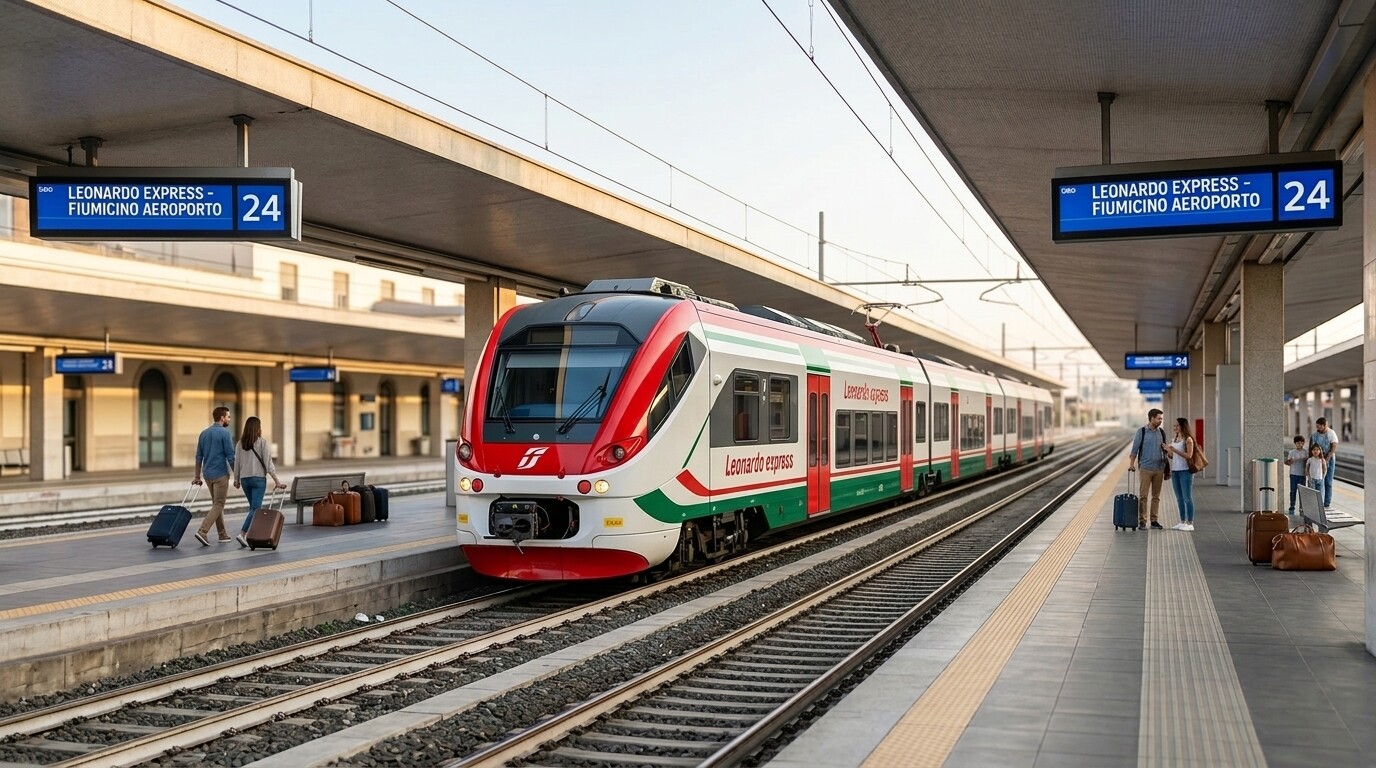
Trước khi mua vé, hãy xem qua các thông tin cốt lõi của tuyến Tokaido Shinkansen kết nối hai thành phố này. Lưu ý rằng tàu cao tốc khởi hành từ Shin-Osaka, một đầu mối giao thông riêng biệt nằm ở phía bắc của Ga Osaka trung tâm.
- Ga đi: Shin-Osaka (Không phải Ga Osaka)
- Ga đến: Shinagawa hoặc Tokyo
- Khoảng cách: 515 km (320 dặm)
- Thời gian di chuyển nhanh nhất: 2 giờ 30 phút (tàu Nozomi)
- Giá vé trung bình năm 2026: 14.720 JPY (Ghế đặt trước tiêu chuẩn)
- Tần suất: Lên đến 14 chuyến mỗi giờ trong thời gian cao điểm
Bạn đã sẵn sàng giữ chỗ? Đặt vé Shinkansen Osaka đi Tokyo tại đây.
Giá vé năm 2026: Chi phí thực tế là bao nhiêu?
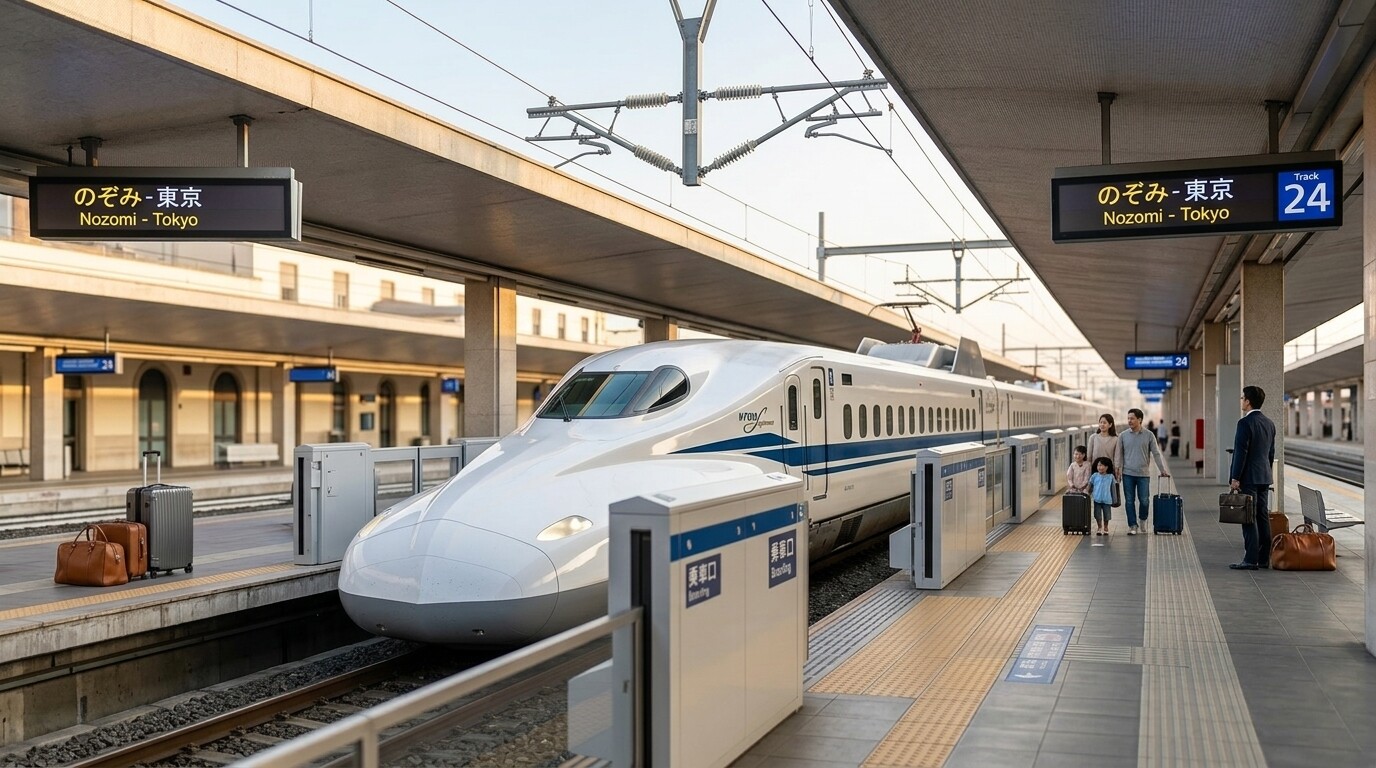
Giá vé Shinkansen từ Osaka đi Tokyo phụ thuộc vào tốc độ tàu và hạng ghế. Một ghế đặt trước tiêu chuẩn trên tàu Nozomi có giá 14.720 JPY vào năm 2026, trong khi nâng cấp lên toa Green Car (Hạng nhất) sẽ tăng giá vé lên 19.590 JPY. Ghế không đặt trước có giá thấp hơn một chút, nhưng yêu cầu bạn phải xếp hàng sớm tại sân ga. Trong giờ cao điểm sáng hoặc các ngày lễ, các toa không đặt trước sẽ nhanh chóng hết chỗ và bạn có thể phải đứng ở lối đi.
Các tàu Hikari và Kodama chậm hơn một chút có giá 14.400 JPY cho ghế đặt trước. Những người sở hữu Japan Rail Pass có thể đi tàu Hikari và Kodama mà không mất thêm phí. Tuy nhiên, đi tàu Nozomi bằng thẻ JR Pass yêu cầu phí nâng cấp bổ sung khoảng 4.960 JPY. Nếu bạn tự mua vé lẻ, mức chênh lệch 320 JPY khiến Nozomi trở thành lựa chọn hiển nhiên cho chuyến đi tàu cao tốc Osaka đến Tokyo của bạn.
| Loại tàu | Ghế không đặt trước | Ghế đặt trước tiêu chuẩn | Green Car (Hạng nhất) | Hành động |
|---|---|---|---|---|
| Nozomi (Nhanh nhất) | 13.870 JPY | 14.720 JPY | 19.590 JPY | Đặt ngay |
| Hikari (Nhanh) | 13.870 JPY | 14.400 JPY | 19.270 JPY | Đặt ngay |
| Kodama (Chậm) | 13.870 JPY | 14.400 JPY | 19.270 JPY | Đặt ngay |
Thời gian di chuyển và các lựa chọn tàu tốt nhất
Tốc độ là yếu tố chính khi chọn tàu Shinkansen Osaka đi Tokyo trên tuyến Tokaido. Tàu Nozomi hoàn thành hành trình trong 150 phút bằng cách bỏ qua hầu hết các ga trung gian. Hiệu quả này khiến nó trở thành lựa chọn hàng đầu cho khách doanh nhân và khách du lịch có lịch trình dày đặc.
Tàu Hikari mất khoảng 2 giờ 53 phút. Vì Hikari dừng ở nhiều ga hơn một chút, nó vẫn là lựa chọn thực tế nhất cho những người sử dụng Japan Rail Pass muốn tiết kiệm ngân sách. Cuối cùng, tàu Kodama dừng ở mọi ga trên tuyến, kéo dài hành trình lên gần bốn giờ. Hãy tránh tàu Kodama trừ khi điểm đến cuối cùng của bạn là một ga nhỏ như Kakegawa hoặc Atami.
| Lựa chọn tàu | Các điểm dừng chính | Tổng thời gian di chuyển |
|---|---|---|
| Nozomi | Kyoto, Nagoya, Shin-Yokohama, Shinagawa | 2 giờ 30 phút |
| Hikari | Kyoto, Nagoya, Hamamatsu, Shizuoka, Shin-Yokohama | 2 giờ 53 phút |
| Kodama | Tất cả 15 ga trên tuyến Tokaido | 3 giờ 54 phút |
Bạn muốn đảm bảo lên được chuyến tàu nhanh nhất? Đặt vé tại japantrain.net để giữ chỗ trên tàu Nozomi trước khi vé được bán hết.
Lựa chọn chỗ ngồi: Toa thường vs. Toa Green Car
Khi lên kế hoạch cho chuyến đi Shinkansen từ Osaka đến Tokyo, các tàu Nhật Bản mang lại sự thoải mái tuyệt vời ngay cả ở hạng vé thấp nhất. Ghế tiêu chuẩn có độ ngả sâu và khoảng để chân rộng rãi. Bạn có bàn khay, giá để cốc và ổ cắm điện (thường nằm ở cạnh cửa sổ hoặc dưới bệ tỳ tay). Đối với hành trình hai tiếng rưỡi, hạng tiêu chuẩn là quá đủ đối với hầu hết du khách.
Toa Green Car mang lại trải nghiệm cao cấp hơn. Ghế Green Car có khoảng để chân rộng hơn 20%, chỗ để chân êm ái, đèn đọc sách riêng biệt và không gian cabin yên tĩnh hơn đáng kể. Sơ đồ ghế 2x2 (so với 3x2 ở hạng tiêu chuẩn) đảm bảo bạn sẽ không bị kẹt ở ghế giữa. Nếu bạn đi du lịch cùng người thân và muốn một hành trình yên tĩnh đến Tokyo, việc nâng cấp hạng ghế rất đáng để cân nhắc. Kiểm tra tình trạng ghế Green Car cho ngày đi của bạn.
Quy định về hành lý quá khổ cho Shinkansen Osaka đi Tokyo
Đường sắt Nhật Bản (JR) thực thi nghiêm ngặt các quy định về hành lý trên tuyến Shinkansen Osaka đi Tokyo. Nếu bạn mang theo vali lớn, bạn phải hiểu chính sách hành lý quá khổ để tránh bị phạt và bị từ chối lên tàu khi sử dụng tuyến Shinkansen Osaka đi Tokyo.
Hành lý "quá khổ" được định nghĩa theo tổng kích thước (chiều cao + chiều rộng + chiều sâu). Nếu túi của bạn có kích thước từ 160cm đến 250cm, bạn phải đặt trước một loại ghế cụ thể gọi là "Ghế có khu vực để hành lý quá khổ". Những ghế này nằm ở hàng cuối cùng của toa tàu. Không gian phía sau ghế được dành riêng cho hành lý của hành khách ngồi ở hàng đó.
Nếu bạn mang hành lý quá khổ lên tàu mà không đặt trước loại ghế này, nhân viên soát vé sẽ thu phí phạt 1.000 JPY và buộc bạn phải chuyển hành lý đến không gian lưu trữ quy định, có thể nằm ở một toa tàu hoàn toàn khác. Hành lý vượt quá tổng kích thước 250cm hoàn toàn không được phép mang lên Shinkansen. Hành lý xách tay nhỏ và vali cỡ trung bình tiêu chuẩn (dưới 160cm) có thể được đặt trên giá phía trên ghế ngồi mà không cần đặt chỗ trước.
Lịch trình chuyến tàu đầu tiên và cuối cùng (2026)
Tuyến Shinkansen Osaka đi Tokyo hoạt động với tần suất rất cao, gần giống như hệ thống tàu điện ngầm trong giờ cao điểm. Tuy nhiên, tàu không chạy 24/24. Việc bảo trì đường ray diễn ra qua đêm.
Chuyến tàu Nozomi đầu tiên khởi hành từ Ga Shin-Osaka vào đúng 6:00 sáng, đến Ga Tokyo lúc 8:23 sáng. Chuyến khởi hành sớm này rất phổ biến đối với những người đi công tác muốn có mặt tại thủ đô cho các cuộc họp buổi sáng. Trong suốt cả ngày, các chuyến tàu Nozomi khởi hành khoảng 5 đến 10 phút một chuyến.
Chuyến tàu Nozomi trực tiếp cuối cùng đi Tokyo rời Shin-Osaka lúc 9:24 tối, đến Tokyo lúc 11:45 tối. Nếu bạn lỡ chuyến tàu này, bạn sẽ phải ở lại Osaka qua đêm. Hãy luôn lên kế hoạch đến Ga Shin-Osaka ít nhất 30 phút trước giờ khởi hành cuối cùng để tìm đường trong ga và mua đồ ăn nhẹ. Kiểm tra thời gian biểu chính xác và đặt giờ khởi hành ưa thích trực tuyến.
Tìm đường tại Ga Shin-Osaka trước khi khởi hành
Ga Shin-Osaka rất lớn và có thể gây bối rối cho những người lần đầu đến thăm. Hãy nhớ rằng Shinkansen không khởi hành từ Ga Osaka trung tâm (nằm ở khu vực Umeda). Bạn phải di chuyển đến Shin-Osaka.
Nếu bạn đi từ Namba hoặc Shinsaibashi, tuyến đường dễ nhất là Tuyến tàu điện ngầm Midosuji, mất khoảng 15 phút đi thẳng đến Shin-Osaka. Nếu bạn đi từ khu vực Umeda, hãy đi Tuyến JR Kyoto để đến Shin-Osaka chỉ trong 4 phút.
Khi đã vào bên trong Shin-Osaka, hãy đi theo các biển báo màu xanh lam ghi "Tokaido Shinkansen". Bạn sẽ đi qua một dãy cổng soát vé dành riêng cho tàu cao tốc. Bên trong sảnh chờ Shinkansen, bạn sẽ tìm thấy các phòng chờ, cửa hàng lưu niệm và nhiều quầy bán cơm hộp bento. Hãy chú ý kỹ đến các bảng thông tin điện tử hiển thị tên tàu, số hiệu, giờ khởi hành và số sân ga bằng cả tiếng Nhật và tiếng Anh để giúp bạn bắt đúng chuyến Shinkansen Osaka đi Tokyo.
7 Mẹo chuyên gia cho hành trình Shinkansen Osaka đi Tokyo hoàn hảo
- Đặt ghế E để ngắm cảnh: Nếu bạn muốn ngắm Núi Phú Sĩ, bạn phải đặt ghế cạnh cửa sổ ở phía bên trái của tàu (Ghế E) khi đi từ Osaka đến Tokyo. Ngọn núi thường xuất hiện khoảng 40-50 phút sau khi đi qua Nagoya.
- Đặt chỗ để hành lý sớm: Như đã đề cập ở trên, các ghế có khu vực để hành lý quá khổ thường hết chỗ rất nhanh. Đặt qua japantrain.net để dễ dàng chọn các ghế này trước nhiều tuần.
- Đi đến Shin-Osaka: Tuyến Shinkansen Osaka đi Tokyo không khởi hành từ Ga Osaka trung tâm. Bạn phải đi tàu địa phương hoặc tàu điện ngầm đến Ga Shin-Osaka để bắt tàu cao tốc.
- Mua Ekiben: Hãy đến sớm 20 phút để mua một hộp cơm "ekiben" (cơm hộp nhà ga). Chất lượng đồ ăn rất cao, mang hương vị đặc sản vùng Kansai như sushi cá thu ép hoặc thịt bò Kobe.
- Cân nhắc xuống tại Shinagawa: Nếu khách sạn của bạn ở Shibuya, Shinjuku hoặc phía nam Tokyo, hãy xuống tàu tại Ga Shinagawa thay vì Ga Tokyo. Ga này nhỏ hơn, ít đông đúc hơn và kết nối trực tiếp với Tuyến Yamanote.
- Theo dõi bảng khởi hành: Tàu khởi hành chính xác đến từng giây. Đừng nán lại quá lâu trên sân ga.
- Tránh đợt cao điểm Tuần lễ Vàng: Nếu bạn đi du lịch vào đầu tháng 5, giữa tháng 8 (lễ Obon) hoặc năm mới, các toa không đặt trước sẽ rất đông. Bạn bắt buộc phải đặt vé trước nhiều tuần.
Câu hỏi thường gặp
Giá vé Shinkansen từ Osaka đi Tokyo năm 2026 là bao nhiêu?
Một ghế đặt trước tiêu chuẩn trên tàu Shinkansen Nozomi từ Osaka đến Tokyo có giá 14.720 JPY vào năm 2026. Giá ghế không đặt trước thấp hơn một chút ở mức 13.870 JPY, trong khi nâng cấp Green Car có giá 19.590 JPY.
Shinkansen từ Osaka đi Tokyo mất bao lâu?
Thời gian di chuyển nhanh nhất từ Osaka đến Tokyo là 2 giờ 30 phút thông qua dịch vụ Shinkansen Nozomi. Tàu Hikari mất khoảng 2 giờ 53 phút và tàu Kodama mất khoảng 4 giờ để hoàn thành hành trình.
Ga nào ở Osaka là nơi Shinkansen đi Tokyo khởi hành?
Tất cả các tàu Shinkansen đi Tokyo đều khởi hành từ Ga Shin-Osaka, nằm cách Ga Osaka chính vài phút về phía bắc. Bạn có thể đến Shin-Osaka qua Tuyến JR Kyoto hoặc Tuyến tàu điện ngầm Midosuji.
Tôi có thể sử dụng JR Pass trên tàu Nozomi không?
Bạn chỉ có thể sử dụng Japan Rail Pass trên tàu Nozomi nếu trả thêm phí nâng cấp bổ sung khoảng 4.960 JPY vào năm 2026. Những người sở hữu thẻ JR Pass tiêu chuẩn thường đi các dịch vụ Hikari hoặc Kodama mà không mất thêm phí.
Tôi nên ngồi bên nào của tàu để ngắm Núi Phú Sĩ?
Để ngắm Núi Phú Sĩ khi đi từ Osaka đến Tokyo, bạn phải đặt ghế ở phía bên trái của tàu, cụ thể là 'Ghế E' trong các toa tiêu chuẩn. Ngọn núi có thể nhìn thấy được khoảng 1 giờ 45 phút sau khi rời Shin-Osaka.
Sự khác biệt giữa tàu Nozomi và Hikari là gì?
Sự khác biệt chính là Nozomi là dịch vụ nhanh nhất với ít điểm dừng nhất, trong khi Hikari dừng thường xuyên hơn và mất thêm khoảng 23 phút. Tàu Nozomi cũng khởi hành thường xuyên hơn nhiều, với tối đa 12 chuyến mỗi giờ.