Oito Line Train Status: Wind Delay Guide [April 2026]
This guide is currently shown in English because a translation is not available yet.
Key Takeaway: Checking the Oito Line train status is critical today, as strong winds are currently causing delays on the JR West Oito Line between Minami-Otari and Itoigawa. Most journeys on this scenic 35km stretch take about 60-70 minutes and cost ¥680. Travelers should check for connection impacts at Itoigawa for the Shinkansen and book backup tickets online if schedules become tight.
Wind is the natural enemy of the northern Oito Line. The tracks follow the Himekawa River through a narrow, steep-walled valley that acts like a funnel for gusts coming off the Sea of Japan. If you are monitoring the Oito Line train status today, you will note those winds have reached speeds that require operational caution (typically over 20m/s). If you are planning to transit between the Nagano Alps and the coast, you need to account for significant schedule padding. This isn't a high-speed corridor; it's a rural lifeline where safety always trumps the clock.
Oito Line Train Status: Current Service Disruption (Minami-Otari – Itoigawa)
As of the early hours of April 11, 2026, the northern section of the Oito Line is experiencing operational difficulties. High wind speeds along the Himekawa River valley have forced JR West to implement speed restrictions and temporary halts. This has resulted in a ripple effect of delays for local services connecting the mountain village of Minami-Otari to the coastal city of Itoigawa.
What happened
The disruption was triggered by sustained strong winds in the Chubu region. The Oito Line's northern section is particularly vulnerable because it lacks the heavy wind shielding found on Shinkansen routes. While the tracks remain open, trains are moving at reduced speeds to ensure passenger safety. The official notice confirms that "some trains are delayed" due to these weather conditions. No derailments or infrastructure damage have been reported at this time.
Affected services
The delays are strictly limited to the non-electrified section of the Oito Line operated by JR West. The primary impact is on local diesel railcars running between Minami-Otari and Itoigawa. Passengers transferring from the JR East "Azusa" limited express at Minami-Otari will find that their connecting local trains may not depart on time. Similarly, travelers heading north to catch the Hokuriku Shinkansen at Itoigawa should expect to arrive later than the published 2026 timetable suggests.
What travelers should do
If you are currently at a station, stay near the electronic display boards. The single-track nature of this line means one delayed train holds up the entire system. You should allow at least 45 to 60 minutes of buffer time if you have a Shinkansen connection at Itoigawa. If your travel is not urgent, consider waiting in Hakuba or Minami-Otari until the wind dies down. You can check current ticket availability for later departures if you decide to postpone your journey.
Official source
Original Japanese Headline: 大糸線[南小谷~糸魚川] 列車遅延
Published at: 2026-04-11 00:43 UTC
Source site: transit.yahoo.co.jp
Source Link: Official JR West Delay Information via Yahoo Transit
How Much Does the Oito Line Cost?
The Oito Line is split into two distinct halves. The southern half from Matsumoto to Minami-Otari is electrified and run by JR East. The northern half, which is currently delayed, is a diesel-only line run by JR West. A one-way ticket from Minami-Otari to Itoigawa costs exactly ¥680 for adults. This price has remained stable into 2026, though it is always worth checking for small adjustments before you travel.
| Route Segment | Adult Fare (One-Way) | Duration (Approx.) | Booking Link |
|---|---|---|---|
| Minami-Otari to Itoigawa | ¥680 | 62 mins | Book Now |
| Hakuba to Itoigawa (Transfer required) | ¥860 | 95 mins | Book Now |
| Minami-Otari to Hiraiwa | ¥420 | 30 mins | Book Now |
| Minami-Otari to Nechi | ¥590 | 50 mins | Book Now |
Tickets for this section are rarely reserved. Most travelers use their IC cards (like Suica or Pasmo) or buy a paper ticket at the vending machine. However, if you are coming from Tokyo on the Azusa Limited Express, you should buy your through-ticket in advance. This saves you the hassle of queuing at the small Minami-Otari transfer window. You can check the latest fare bundles on japantrain.net to see if a regional pass might save you more money.
Understanding the Minami-Otari to Itoigawa Schedule
Frequency is the biggest challenge on the northern Oito Line. There are only about seven to nine round trips per day. In 2026, the gaps between trains can be as long as three hours. This makes the current wind delays even more frustrating for travelers. If you miss your connection due to a delay, you might be sitting in a very quiet station for a long time.
| Departure Window | Frequency | Common Connection |
|---|---|---|
| Morning (06:00 - 09:00) | 2 Trains | Early Shinkansen to Kanazawa |
| Midday (11:00 - 15:00) | 3 Trains | Azusa Express transfers |
| Evening (17:00 - 21:00) | 3 Trains | Late Shinkansen to Tokyo |
The trains used here are usually single-car KiHa 120 diesel units. They are charming but small. During the peak ski season or autumn leaf-peeping weeks, these trains can get heavily crowded. If you see a delay notice like the one today, expect the next available train to be packed to the gills. Check the full 2026 timetable on japantrain.net to plan your alternative routes.
Why the Northern Oito Line is a Rail Enthusiast’s Dream
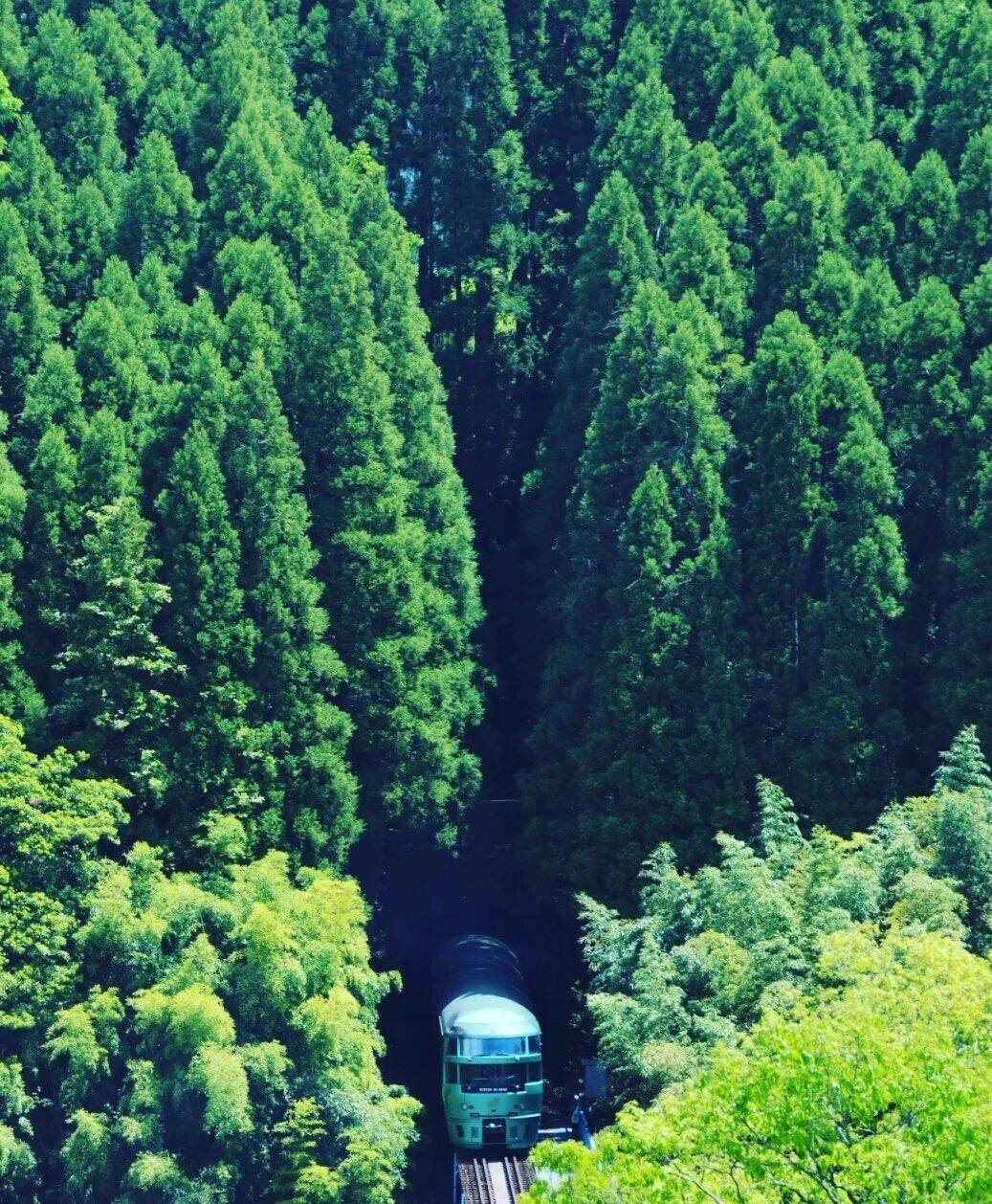
Despite the occasional wind delay, this is one of the most beautiful rides in Japan. The train crawls along the Himekawa River, crossing it multiple times on aging steel bridges. The scenery between Hiraiwa and Kotaki is particularly dramatic, featuring sheer cliffs and turquoise water. Honestly, most people don't mind the slow speed because the views are so spectacular. It feels like a journey back in time compared to the sterile efficiency of the Shinkansen.
The stations themselves are relics of a different era. Nechi Station is famous for being situated on the Itoigawa-Shizuoka Tectonic Line, a major geological fault. You can actually see the geological divide from the train window near the station. If you have time during a delay, the small station buildings offer a quiet place to read and soak in the rural atmosphere. Just don't expect a Starbucks; these are "bring your own coffee" kind of places.
For those traveling in 2026, the contrast is what makes the trip. You leave the high-tech hubs of Tokyo or Matsumoto, spend an hour in a rattling diesel car, and then emerge at Itoigawa’s modern glass-and-steel station. It is a perfect example of Japan's "dual-speed" railway culture. To ensure you get a window seat on the river side (usually the left side when heading toward Itoigawa), try to arrive at the platform 15 minutes early. You can book your connecting Shinkansen tickets to ensure a smooth transition once you hit the coast.
Pro Tips for Navigating Oito Line Delays
- Watch the Wind: If the weather forecast for Itoigawa shows gusts over 20m/s, the Oito Line will almost certainly be delayed or replaced by buses. Check the forecast before leaving your hotel.
- The Minami-Otari Transfer: When arriving from Matsumoto, you must cross the tracks via a bridge to reach the JR West diesel platform. It takes about 3 minutes, but if your train is late, the diesel car may wait—or it may not.
- Stock Up on Snacks: There are no food trolleys or vending machines on the diesel trains. Minami-Otari has very limited food options near the station. Buy your lunch in Hakuba or Matsumoto.
- Use the "Sea of Japan" Side: If you are heading to Itoigawa, sit on the left side of the train for the best river views. If you are heading south to Minami-Otari, sit on the right.
- Check the "Last Train": The last northbound train usually leaves Minami-Otari around 20:00. If delays push this back, JR may provide a taxi, but it is not guaranteed. Always have a backup plan for a hotel in Hakuba.
- IC Card Caution: While 2026 has seen better integration, some small stations on this line still don't have IC gates. Always carry at least ¥2,000 in cash just in case the tech fails.
- Book Ahead: While the local train is unreserved, the Shinkansen at the other end isn't. Use japantrain.net to secure your seat out of Itoigawa so you aren't standing for two hours to Tokyo.
Frequently Asked Questions
Is the Oito Line covered by the JR Pass?
Yes, the entire Oito Line from Matsumoto to Itoigawa is fully covered by the Japan Rail Pass. This includes both the JR East and JR West sections. You can order your JR Pass online at japantrain.net to have it ready before you arrive in Japan.
How long is the delay usually when there is strong wind?
When checking the Oito Line train status during high winds, expect delays to typically range from 20 to 60 minutes. If the wind is severe, the line may be suspended for several hours and replaced by a substitute bus service. In 2026, JR West has become faster at deploying buses, but they still take longer than the train.
Can I buy a ticket on the train?
No, you should buy your ticket at the station or use a valid rail pass. If you board at an unstaffed station, you must take a numbered ticket (seiri-ken) from the machine inside the train and pay the driver in cash when you exit. For a smoother experience, book your regional travel passes in advance.
What is the best time of year to ride the Oito Line?
October and November offer striking autumn colors along the Himekawa River. February is also excellent for snow scenery, though this is when weather delays are most frequent. By April 2026, the snow is melting, and the river is at its most powerful.
Are there toilets on the Oito Line diesel trains?
Yes, the KiHa 120 railcars used between Minami-Otari and Itoigawa are equipped with a small western-style toilet. However, they are quite cramped. It is better to use the facilities at Minami-Otari Station before you board.
How do I get to the Hokuriku Shinkansen from the Oito Line?
The Oito Line terminates directly at Itoigawa Station. Once you get off the local train, follow the signs for the Hokuriku Shinkansen. It is a very short walk (about 3-5 minutes) within the same building. You can reserve your Shinkansen seat at japantrain.net to ensure you have a spot on the next train to Tokyo or Kanazawa.
Final Thoughts on the Oito Line
The Oito Line isn't just a way to get from point A to point B; it's a reminder of why we travel by rail in the first place. Yes, the current wind delays are a nuisance. And yes, the frequency of trains is frustratingly low. But as you watch the Himekawa River churn through the valley, those complaints usually fade away. Just remember to check the weather, pack a sandwich, and give yourself plenty of time for connections. If you're ready to see a side of Japan that most tourists skip, book your tickets today and head for the mountains.