Japan Shinkansen Guide 2026: Routes, Tickets & How to Ride | Japan Train
This guide is currently shown in English because a translation is not available yet.

Japan Shinkansen Guide 2026: Routes, Tickets & Riding the Bullet Train
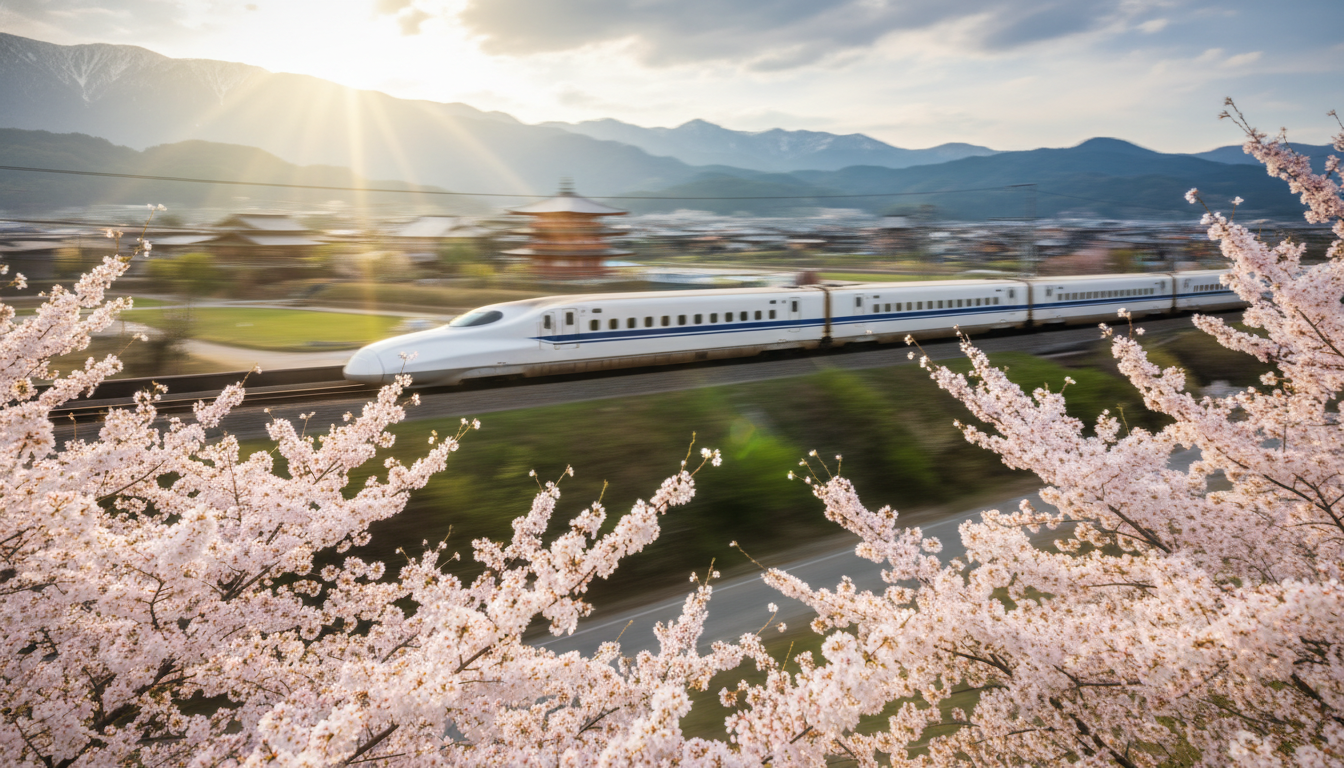
Navigating the Japan Shinkansen (Bullet Train) network is the hallmark of a premium travel experience. Renowned for world-class punctuality, safety, and speeds reaching 320 km/h (200 mph), the Shinkansen remains the most efficient transit method for exploring Japan in 2026. This comprehensive guide provides the latest data on rail maps, fare structures, and digital booking strategies.
The Shinkansen Network: Major Lines & Operators
The Shinkansen network, operated by the Japan Railways (JR) Group, seamlessly connects the islands of Honshu, Kyushu, and Hokkaido. In 2026, understanding regional operators is essential for using official booking portals like SmartEX or JR-West Online.
2026 Popular Routes: Travel Times & Fare Estimates
With infrastructure upgrades in 2026, travel times have been further optimized. The table below lists Ordinary Car (Reserved Seat) estimates for Japan’s high-traffic corridors.
Route (From/To) Fastest Train Duration Est. Fare (JPY) Tokyo to Kyoto Nozomi ~2h 15m ¥14,170 Tokyo to Osaka Nozomi ~2h 30m ¥14,720 Tokyo to Kanazawa Kagayaki ~2h 30m ¥14,380 Tokyo to Hakodate Hayabusa ~4h 00m ¥23,500
Seating Classes & Onboard Experience
Modern Shinkansen models like the N700S and E7 series offer three distinct service tiers, all featuring rotating seats and power outlets at every station.
Ordinary Car (Standard)
The standard 3+2 seating configuration. These cars offer more legroom than international economy flights and are available in both Reserved (Shiteiseki) and Non-Reserved (Jiyuseki) formats.
Green Car (First Class)
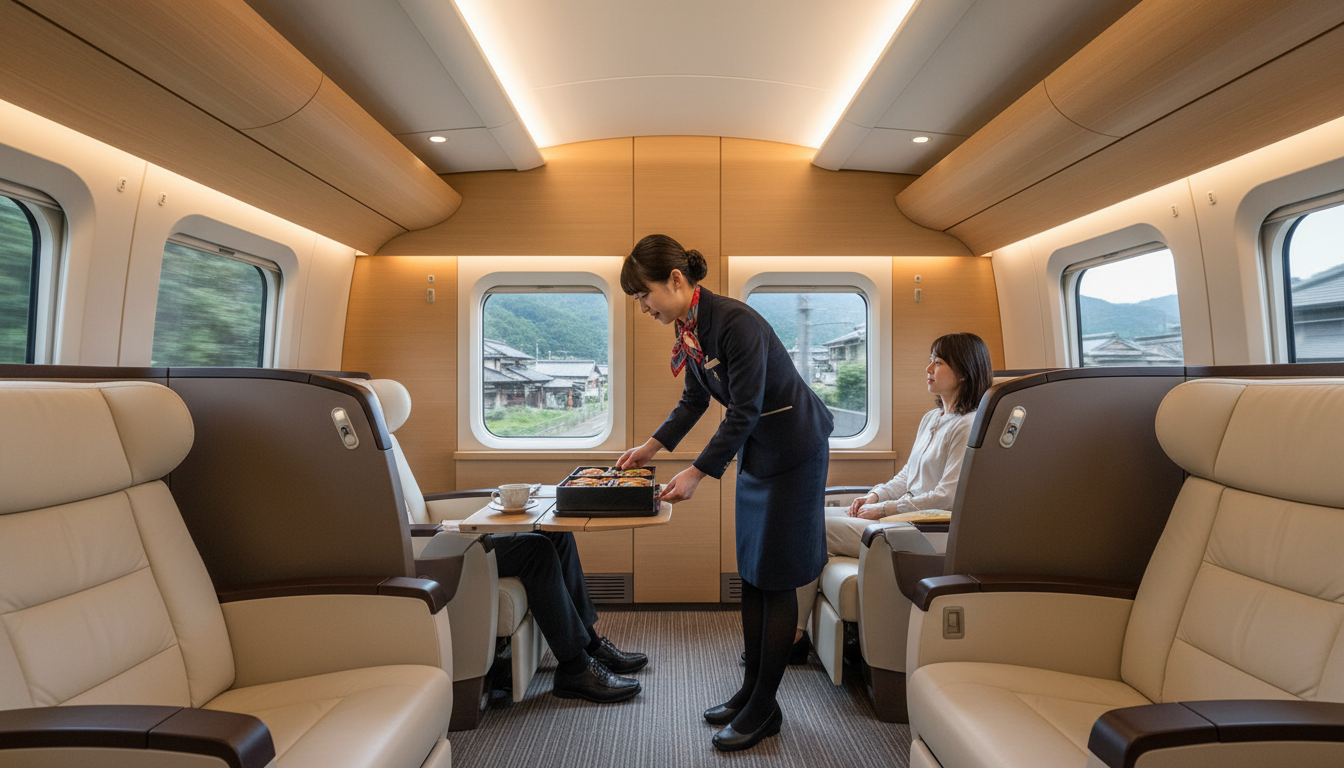
Japan's version of Business Class. It features a 2+2 layout, deeper recline, integrated footrests, and a quieter atmosphere. Reservations are strictly mandatory.
Gran Class (Luxury)
Found on Tohoku and Hokuriku lines, this is a "First Class Plus" experience. Passengers enjoy a 2+1 cabin layout, leather power-reclining seats, and gourmet meals served by dedicated attendants.
How to Purchase Shinkansen Tickets in 2026
Securing tickets has become significantly more digital-friendly. Travelers have three primary methods:
Understanding the Shinkansen Fare Structure
Shinkansen pricing is modular. The total price on your ticket is the sum of three distinct components:
Total Fare = Base Fare (Joshaken) + Limited Express Supplement (Tokkyuken) + Seat Reservation Fee
Pro Tips for a Seamless 2026 Journey
What are the main Shinkansen lines in Japan?
The Shinkansen network consists of several major lines including the Tokaido, Sanyo, Tohoku, Hokkaido, Hokuriku, and Kyushu lines, connecting major cities like Tokyo, Osaka, and Fukuoka.
How fast is the Japan bullet train?
Shinkansen trains are famous for their high speeds, reaching up to 320 km/h (200 mph), making them a highly efficient way to travel across the country.
How do I book Shinkansen tickets online?
In 2026, the most efficient ways to book tickets are through official digital portals like SmartEX and JR-West Online, or at major JR stations.