How to Ride the Shinkansen: Tickets, Etiquette, and Routes
This guide is currently shown in English because a translation is not available yet.
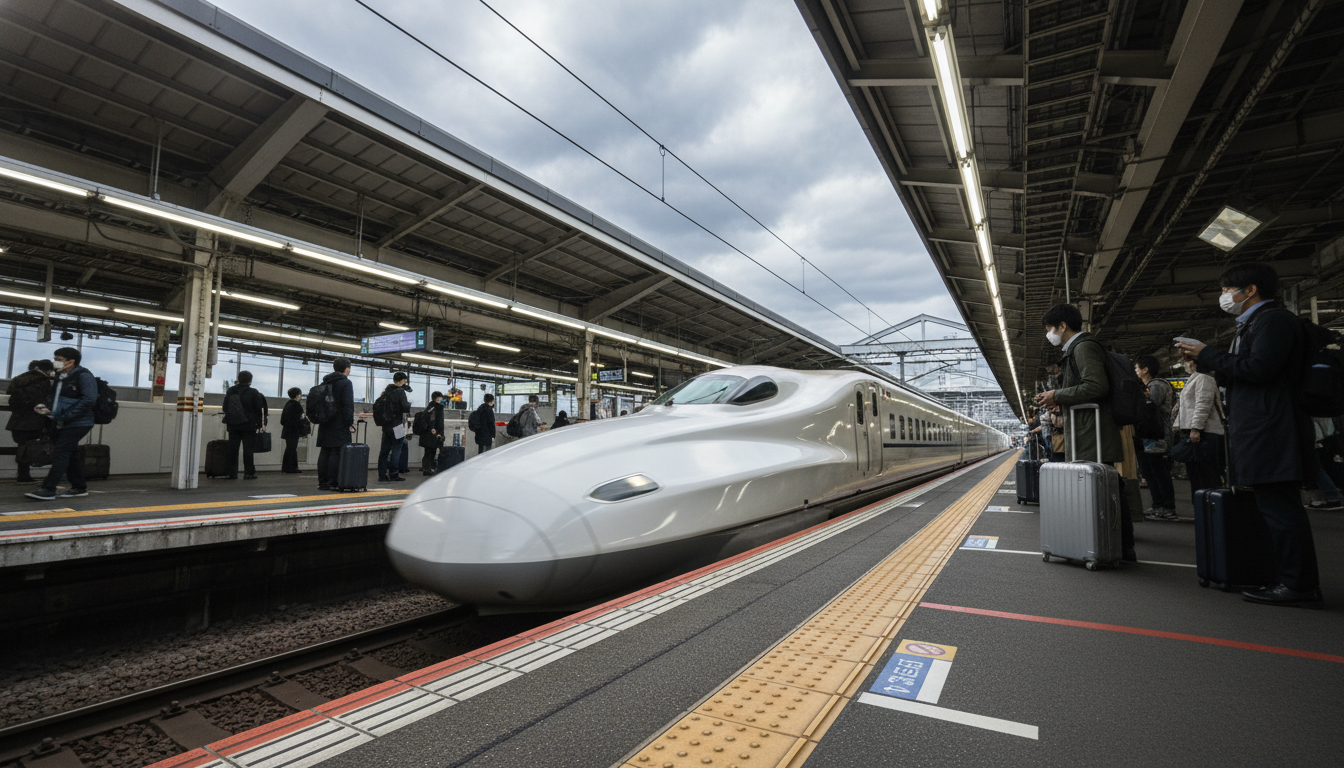
There is a specific, hushed anticipation that descends on a platform just moments before a Shinkansen arrives. You don't hear the train coming—not at first. You just see the waiting passengers instinctively toe the line, checking their watches. Then, a sleek, white-nosed beast glides into the station with the silence of a predator, slowing from 300km/h to a dead halt exactly where the floor markings said it would. The doors open. The cleaning crew—often called the "seven-minute miracle" team—swarms in. It’s a ballet of efficiency that makes you realize: you aren’t just taking a train. You are participating in a national obsession with perfection. If you are a visitor, understanding how to ride the Shinkansen for the first time is the key to a stress-free trip.
I’ve ridden rails from Mumbai to Manchester, but nothing quite prepares you for the friction-free reality of Japanese high-speed rail. However, for first-timers, the system can feel like a fortress of confusing ticket machines and unwritten etiquette rules. How to ride the Shinkansen isn't just about buying a ticket; it's about knowing which side of the train offers a view of Mt. Fuji, why you shouldn't talk on your phone in your seat, and navigating the complex "base fare" versus "express surcharge" pricing structure. Let’s break it down.
Understanding the Bullet Train Network: How to Ride the Shinkansen Across Japan
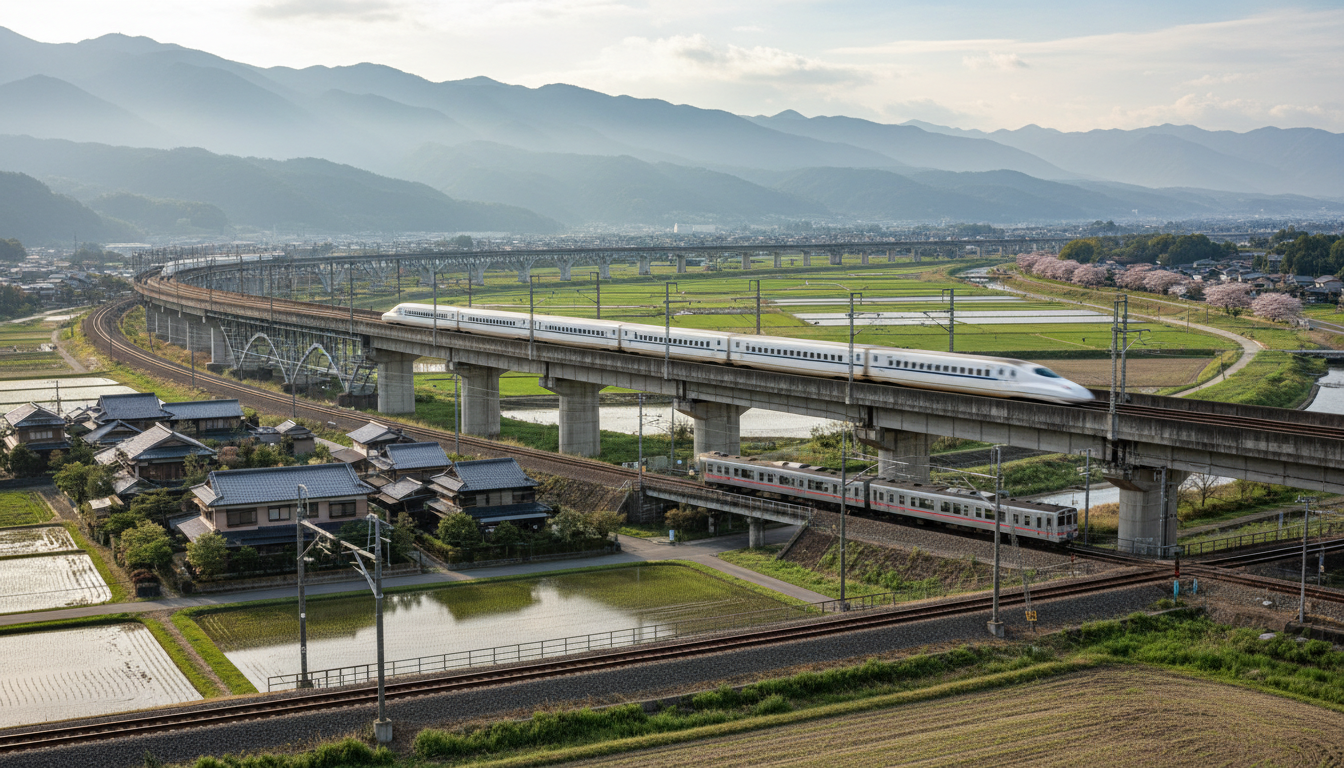
Before we get into the nitty-gritty of ticket machines, you need to understand the lay of the land. Japan isn't covered by one single "Shinkansen" entity. It’s a network of different lines operated by different regional Japan Railways (JR) companies. Why does this matter? because a pass that works on one might not work on another, and the train names change depending on where you are. This is the first thing to grasp when learning how to ride the Shinkansen effectively.
The most famous route—the one you’ll likely use—is the Tokaido Shinkansen. This is the golden vein connecting Tokyo, Kyoto, and Osaka. It’s the busiest high-speed rail line in the world, operated by JR Central. Head north from Tokyo, and you’re on the Tohoku Shinkansen (JR East), bound for Sendai or Hokkaido. Go west from Osaka, and it turns into the Sanyo Shinkansen (JR West). While the tracks connect, the operators change, which is an important detail for anyone looking at how to ride the Shinkansen through different regions.
The trains themselves are marvels. We aren't just talking about speed here; we are talking about frequency. During peak hours on the Tokyo–Osaka run, trains depart as often as every three to five minutes. It’s more like a subway schedule than a long-distance train service. You rarely have to stress about "missing" a train, because the next one is already visible on the horizon.
Decoding the Train Classes: How to Ride the Shinkansen via Nozomi, Hikari, or Kodama
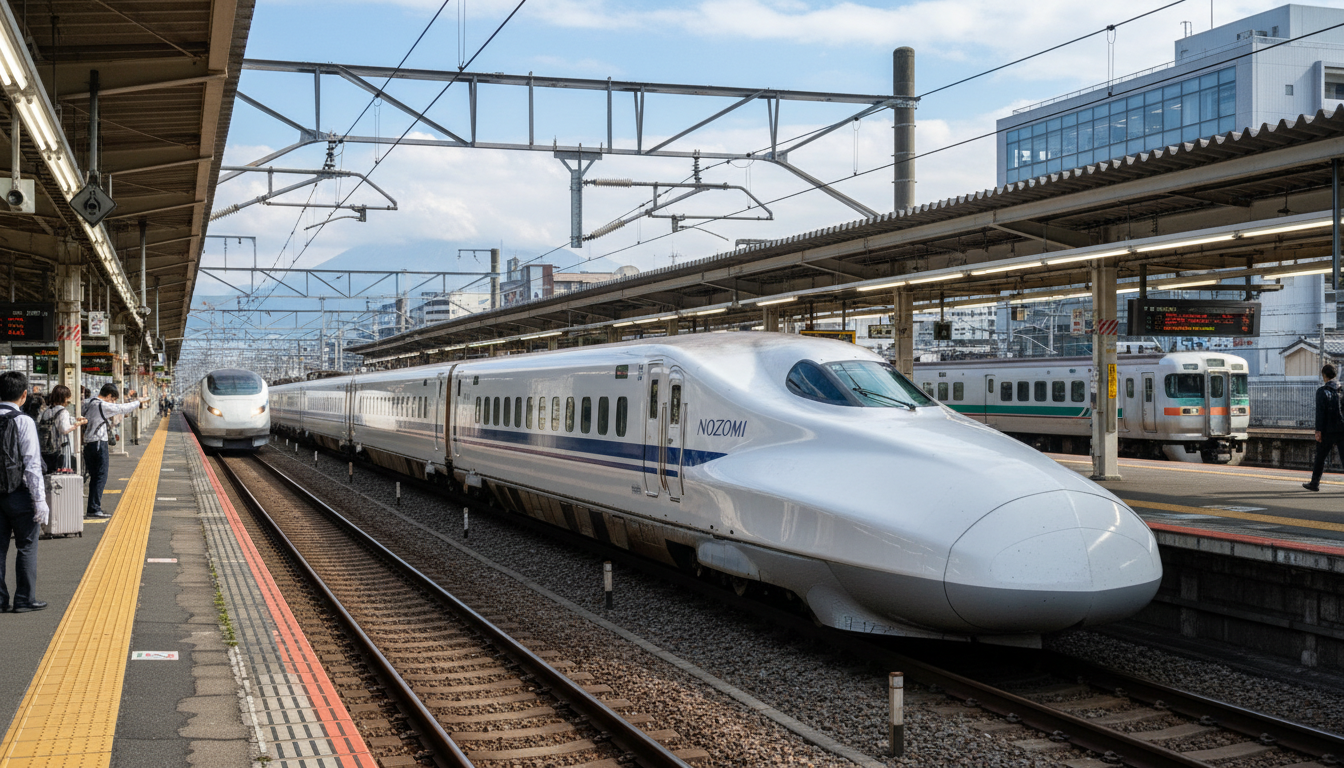
If you look at a departure board, you won't see "Fast Train" and "Slow Train." You’ll see names that sound like poetry but dictate your travel time. On the main Tokaido/Sanyo line, these are the three you must know. When researching how to ride the Shinkansen, you’ll find that selecting the right service name is vital, as choosing the wrong one can add nearly two hours to your trip.
The Nozomi (The "Hope")
This is the speed demon. It stops only at major hubs (Tokyo, Shinagawa, Shin-Yokohama, Nagoya, Kyoto, Shin-Osaka). It is the primary workhorse for business travelers.
The Catch: If you are using the standard Japan Rail Pass (JR Pass), you generally cannot ride the Nozomi without paying a hefty upgrade fee. This is a key detail for anyone figuring out how to ride the Shinkansen without a pass.
Best for: Travelers paying out of pocket who want to get to Kyoto ASAP.
The Hikari (The "Light")
The middle child. It reaches the same top speeds as the Nozomi but makes a few more stops along the way.
The Perk: It is fully covered by the JR Pass.
Trade-off: On the Tokyo–Osaka route, it takes about 30 minutes longer than the Nozomi. Departures are less frequent (usually two per hour), so you need to time your schedule a bit more carefully when planning how to ride the Shinkansen with a rail pass.
The Kodama (The "Echo")
The local service. It stops at every single station.
Why take it? It’s often cheaper if you use the "Platt Kodama" discount ticket, and it’s usually empty.
Warning: Taking a Kodama from Tokyo to Osaka takes 4 hours compared to the Nozomi’s 2.5 hours. Knowing how to ride the Shinkansen on a budget often involves these local services, but only take this if you are visiting a minor station like Atami or Odawara (for Hakone).
| Train Name | Stops | Tokyo to Kyoto Time | Frequency | JR Pass Valid? |
|---|---|---|---|---|
| Nozomi | Major only | ~2h 15m | Every 10 mins | No (unless upgraded) |
| Hikari | Major + Selected | ~2h 45m | Every 30 mins | Yes |
| Kodama | All Stations | ~3h 40m | Every 30 mins | Yes |
Buying Tickets: How to Ride the Shinkansen with the Right Paperwork
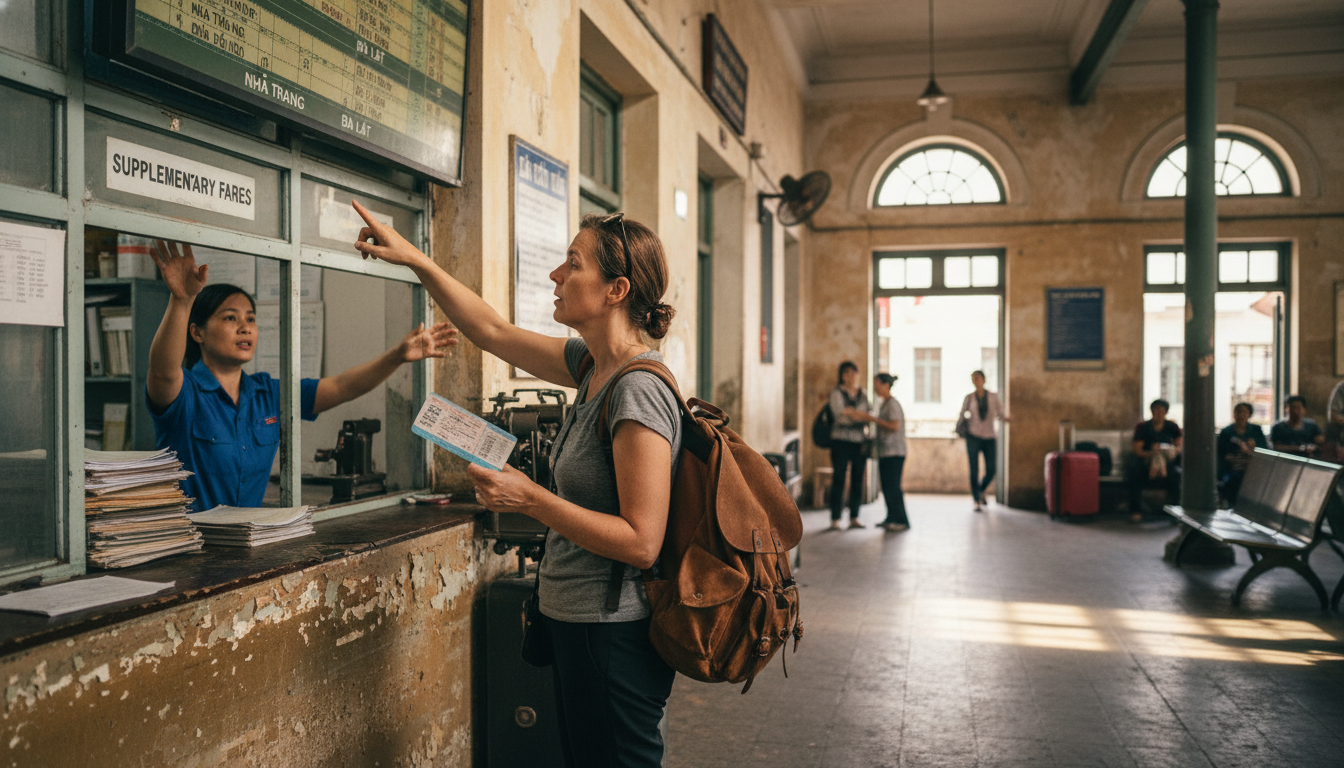
Here is where most tourists get tripped up. When you buy a paper ticket for the Shinkansen, you might actually receive two separate pieces of paper (or one ticket that lists two separate costs). Mastering how to ride the Shinkansen means understanding that Japanese train fares are built like a layer cake.
- Base Fare (Joshaken): This covers the cost of getting from Point A to Point B on any train, even a slow local one.
- Express Surcharge (Tokkyuken): This is the fee for using the high-speed tracks and the fancy train.
To get through the gates, you often have to stack both tickets together and feed them into the slot simultaneously. The machine will punch both and pop them out at the other end. Don't forget to grab them! This is a critical step in how to ride the Shinkansen successfully through automated barriers.
Where to Buy
1. Ticket Machines: Modern machines have an "English" button in the top right corner. They are incredibly efficient. You can select your seat via a visual map on the screen.
2. Midori-no-madoguchi (Ticket Offices): Look for the green sign with a figure sitting in a reclining chair. If your route is complex or you’re activating a JR Pass, go here. The staff are helpful, though English ability varies.
3. SmartEx App: For the tech-savvy, knowing how to ride the Shinkansen using modern tech like the SmartEx app can save you a lot of time. It allows you to link a credit card and an IC card (like Suica or Pasmo). You book on your phone, tap your IC card at the gate, and walk through. No paper tickets needed.
Seat Classes: How to Ride the Shinkansen in Comfort
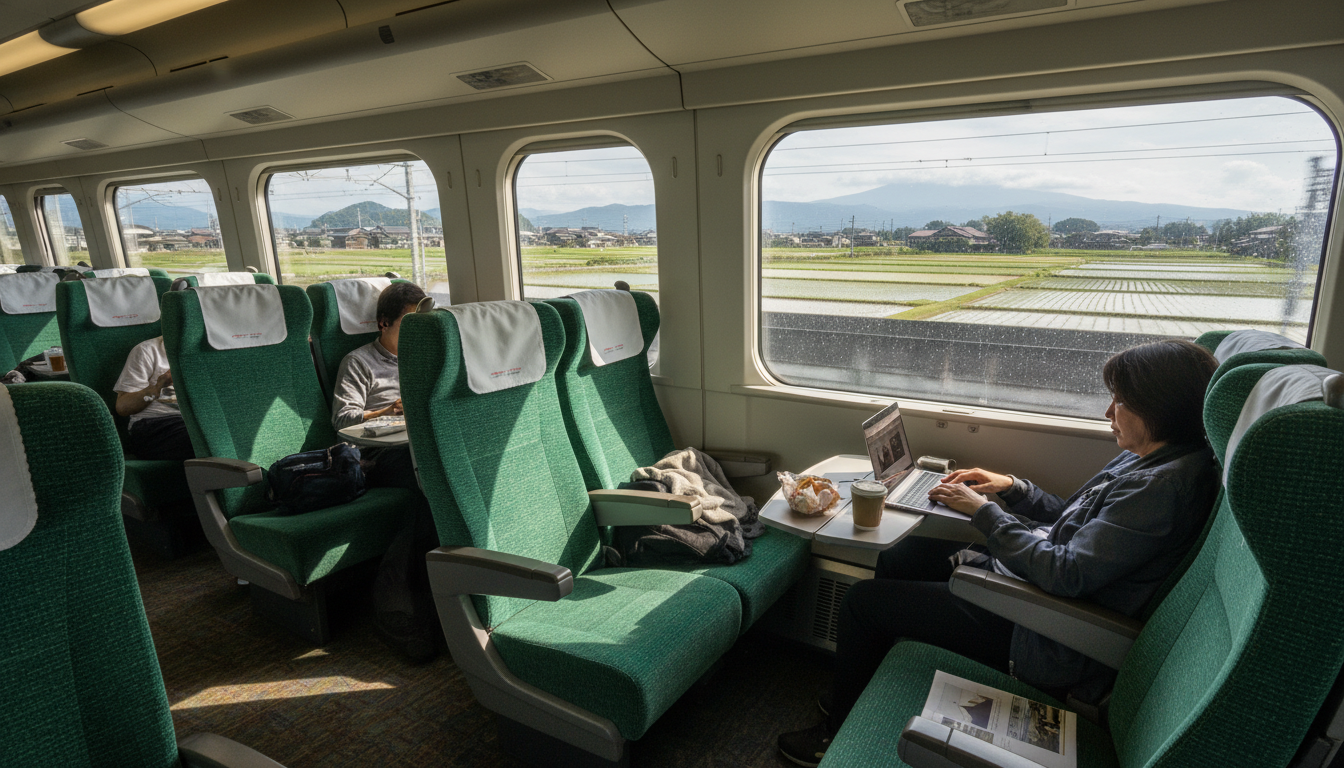
I get asked this constantly. Should you splurge on the Green Car (First Class)? Part of learning how to ride the Shinkansen is deciding which level of luxury you need for your journey.
Ordinary Car
Honestly? The "Ordinary" seats are better than economy class on any airline you’ve ever flown. The legroom is generous—you can easily fit a medium-sized suitcase in front of your knees if you had to (though please don't). The seats recline, have tray tables, and on newer trains (N700S series), every seat has a power outlet. For 95% of travelers, this is the standard way for how to ride the Shinkansen comfortably.
Green Car
Identifiable by the green four-leaf clover logo on the side of the carriage. The seats are wider (2x2 configuration instead of 3x2), the recline is deeper, and the atmosphere is library-quiet. You also get a hot towel (oshibori) service.
Verdict: It’s worth it if you are traveling during "Golden Week" or New Year's when regular cars are packed, or if you simply crave silence.
Gran Class
Available only on certain lines (like the Tohoku and Hokuriku). This is the private jet experience. Leather shell seats, free-flowing alcohol, and a bento box served by an attendant. It is expensive—often double the regular fare—but a spectacular way to experience how to ride the Shinkansen in absolute luxury.
On the Day of Travel: How to Ride the Shinkansen Like a Local
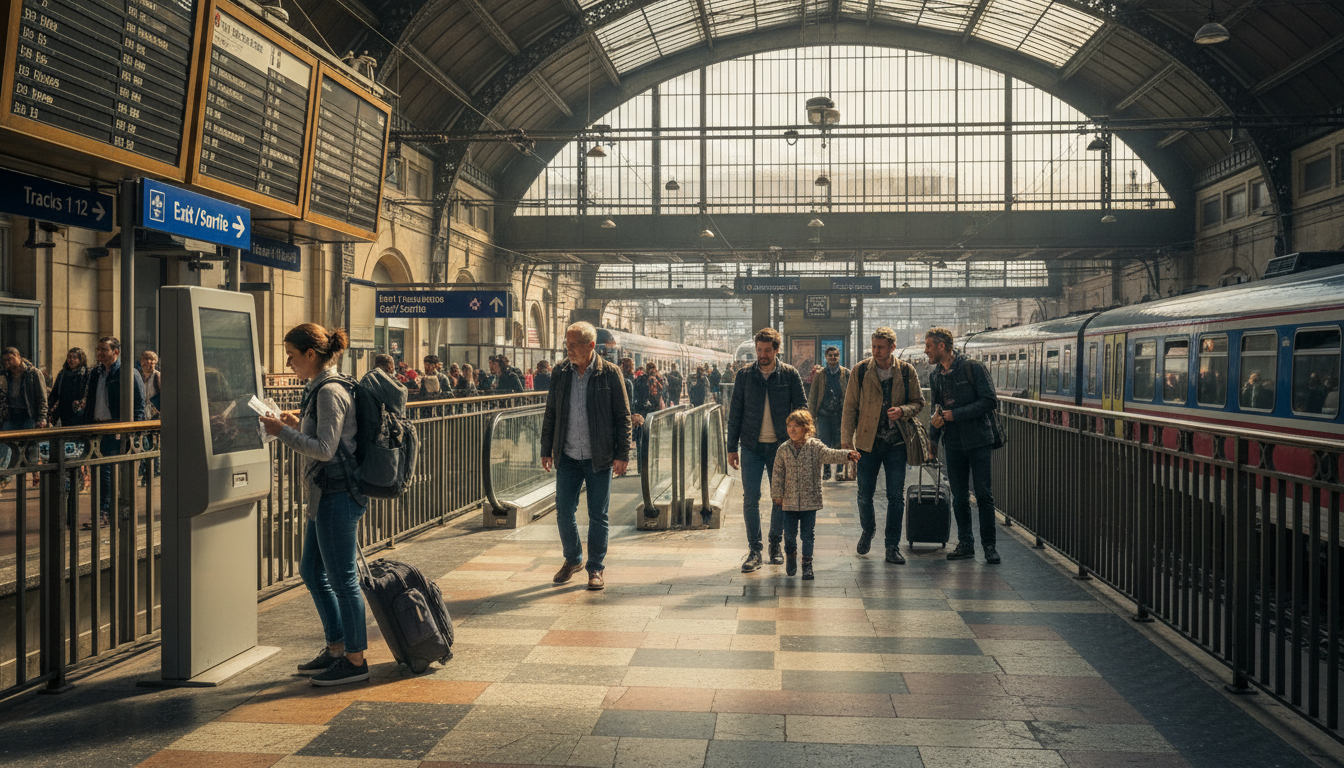
You have your ticket. You’re at Tokyo Station. It’s a labyrinth. What now? Here is how to ride the Shinkansen through the terminal gates without getting lost.
Look for the Shinkansen symbol (a blue and white bullet train icon). You will pass through two sets of gates: first the regular JR gates (if you're coming from a local line) and then the specific Shinkansen gates. If you are entering directly from the street, look for "Shinkansen Central Gates."
The Bento Ritual
Do not board the train hungry. Eating on the Shinkansen is not just allowed; it’s a cultural institution. Learning how to ride the Shinkansen includes embracing the local food culture. Before you go through the gates, stop at a shop like "Ekibenya Matsuri" in Tokyo Station. They sell hundreds of varieties of ekiben (station bentos).
My recommendation: Grab a "Katsu Sando" (pork cutlet sandwich) for a quick bite. Also, buy your drinks before you board. While some trains still have cart service, it is being phased out on many routes.
Boarding
Your ticket will list a Car Number and Seat Number. On the platform, look down. The floor is marked with car numbers. If your ticket says Car 5, stand at the marking for Car 5. This organized boarding is a key part of how to ride the Shinkansen efficiently. The train will stop with the doors exactly in front of you. Let passengers exit first, then step on.
Luggage Rules (Crucial!)
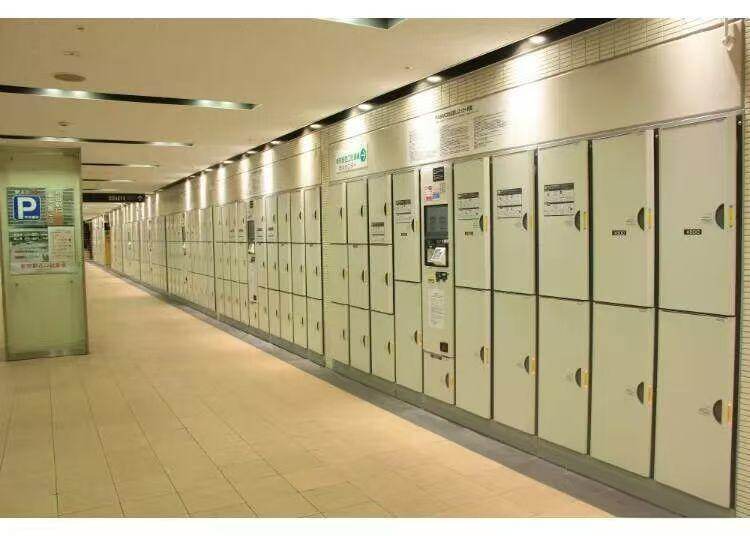
In May 2020, the rules changed. If you have "oversized baggage" (total dimensions of height + width + depth between 160cm and 250cm), you must reserve a seat with an oversized baggage area. These luggage restrictions are a vital part of how to ride the Shinkansen in the modern era.
If you show up with a massive suitcase without this reservation, you’ll be charged a 1,000 JPY penalty. If your bag is airline carry-on size, you can just put it on the overhead rack, which is surprisingly deep.
Pro Tips for a Smoother Ride
To truly master how to ride the Shinkansen, keep these veteran tips in mind for your upcoming journey.
- The Mt. Fuji Side: Traveling from Tokyo to Kyoto/Osaka? Book a seat in Row E (Ordinary Car) or Row D (Green Car). These are the window seats on the right side of the train. On a clear day, about 40-45 minutes out of Tokyo, you’ll get a spectacular view of Mt. Fuji.
- The Queue for Non-Reserved: If you didn't book a seat and are riding in the unreserved cars (usually Cars 1-3), arrive at the platform 20 minutes early. Japanese travelers line up neatly, and knowing how to ride the Shinkansen unreserved means getting to the front of that line.
- Quiet, Please: The Shinkansen is quiet. Disturbingly quiet. Do not talk on your phone in the seating area. Proper etiquette is a huge part of how to ride the Shinkansen respectfully. If you get a call, take your phone to the deck area between cars.
- Use the Hooks: There is a small hook on the wall or seat back in front of you. It’s for your jacket, but it’s sturdy enough for a small bag of souvenirs. Just don't forget it when you leave.
- The Secret Smoking Rooms: Most trains are now non-smoking, but the Tokaido/Sanyo lines still have small smoking rooms (standing only) on certain cars. Check the deck map for locations.
- Garbage Etiquette: There are no trash cans at your seat. You must take your bento box and empty beer cans to the waste bins located in the deck area. Leaving trash at your seat is a major faux pas when learning how to ride the Shinkansen like a local.
Frequently Asked Questions
How do I buy Shinkansen tickets?
Tickets can be purchased at JR station ticket offices (Midori-no-madoguchi), automated vending machines, or online via the Smart EX app. It is advisable to book in advance during peak travel seasons like Golden Week or New Year.
Can I use the JR Pass on the Shinkansen?
Yes, the JR Pass covers most Shinkansen services including the Hikari and Sakura. However, a supplemental fare is required if you wish to ride the fastest Nozomi or Mizuho trains.
Are there luggage restrictions on the bullet train?
Standard luggage is allowed, but 'oversized baggage' (total dimensions between 161cm and 250cm) requires a seat reservation with a dedicated luggage area. Failure to reserve this space may result in a 1,000 yen fine.
Which side of the train should I sit on to see Mt. Fuji?
When traveling from Tokyo toward Kyoto or Osaka, request a seat on the right side (Seat E). On the return trip from Kyoto to Tokyo, sit on the left side for the best view of the mountain.
What is the difference between Reserved and Non-Reserved seats?
Non-reserved seats (Jiyu-seki) are first-come, first-served in specific cars and are cheaper. Reserved seats (Shitei-seki) guarantee you a specific spot and are highly recommended for long journeys or group travel.