How to Ride the Shinkansen: Tickets, Routes, and Tips
This guide is currently shown in English because a translation is not available yet.
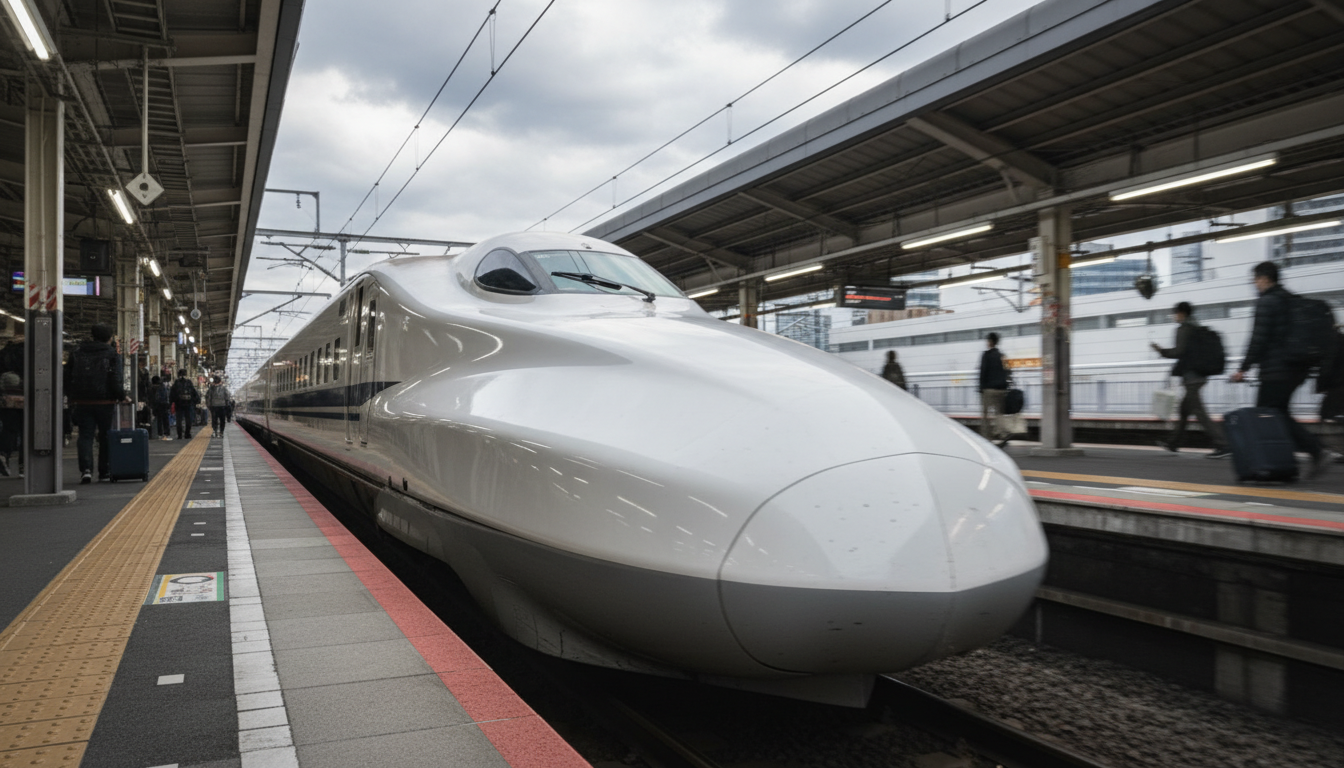
There is a specific thrill to standing on Platform 18 at Tokyo Station, watching the sleek, duck-billed nose of a Shinkansen glide to a halt exactly where the floor markings said it would. Not a foot forward, not an inch back. For the uninitiated, the Japanese rail system can look like a tangle of intimidating maps and kanji characters. But once you crack the code and learn how to ride the shinkansen, it’s arguably the finest travel experience on earth. You aren't just moving from point A to point B; you are participating in a choreographed ballet of efficiency that has been running since 1964.
Whether you are racing south to Kyoto’s temples or heading north to the snowy peaks of Hokkaido, this how to ride the shinkansen guide cuts through the noise. Forget the generic advice. Here is the definitive breakdown of how to navigate the ticket machines, find the best seats, and handle your luggage like a seasoned local, avoiding the rookie mistakes that cost time and money.
Understanding the "Bullet Train" Ecosystem: How to Ride the Shinkansen
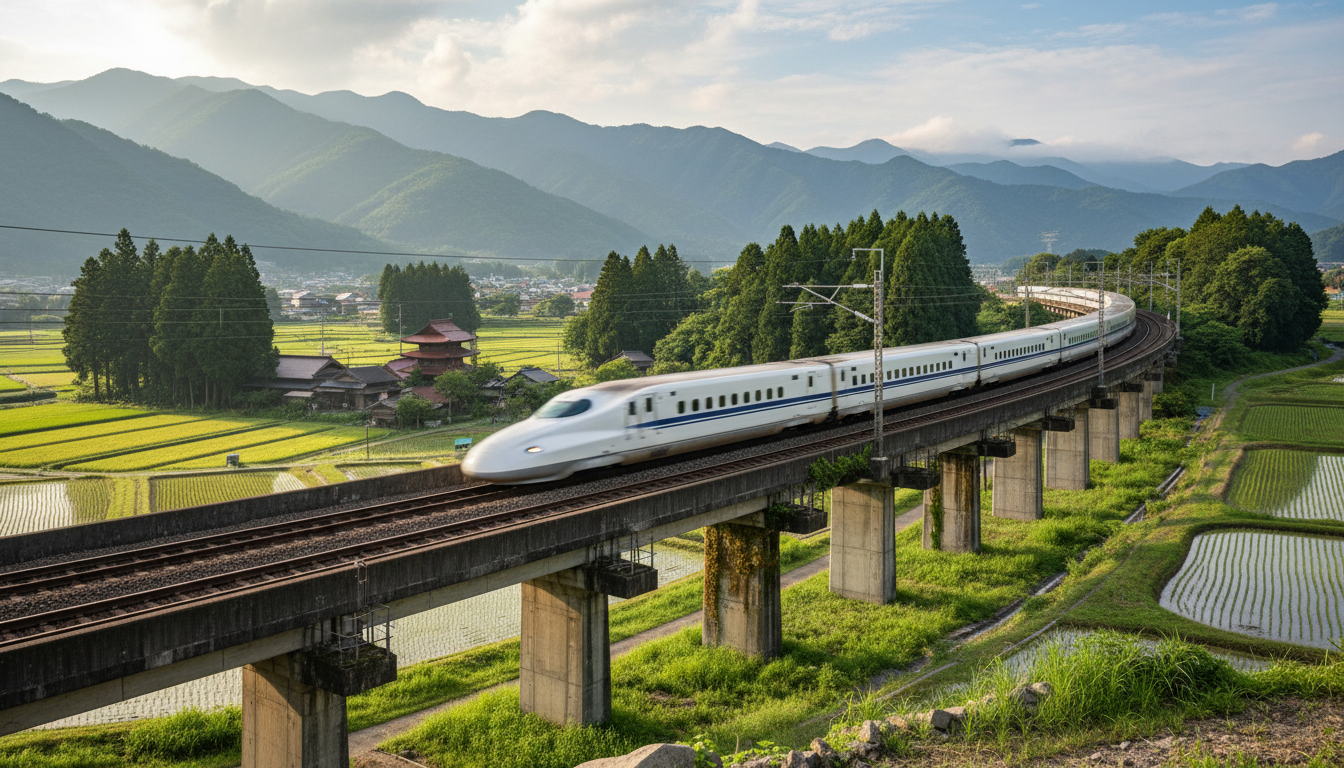
First, let’s clear up a common confusion: the Shinkansen isn't one single line. It’s a network of high-speed lines operated by different regional arms of Japan Railways (JR). While they all connect seamlessly, knowing how to ride the shinkansen properly depends on knowing which "flavor" of train you are taking, as it matters for travel time and stopping patterns.
The route most travelers obsess over is the Tokaido Shinkansen. This is the golden vein connecting Tokyo, Kyoto, and Osaka. On this line, you will encounter three main train categories:
- Nozomi: The speed demon. It skips most smaller stations, getting you from Tokyo to Kyoto in about 2 hours and 15 minutes. Note that the standard Japan Rail Pass does not cover this train unless you pay a hefty upgrade fee.
- Hikari: The middle ground. It makes a few more stops (like Shizuoka or Hamamatsu) and takes about 30 minutes longer than the Nozomi. This is usually the sweet spot for rail pass holders learning how to ride the shinkansen.
- Kodama: The local service. It stops at every single station. Unless you are visiting a specific smaller town or using a "Platt Kodama" discount ticket, avoid this for long-haul trips. It takes nearly 4 hours to reach Osaka.
Buying Tickets: How to Ride the Shinkansen via Machines, Counters, or Online?
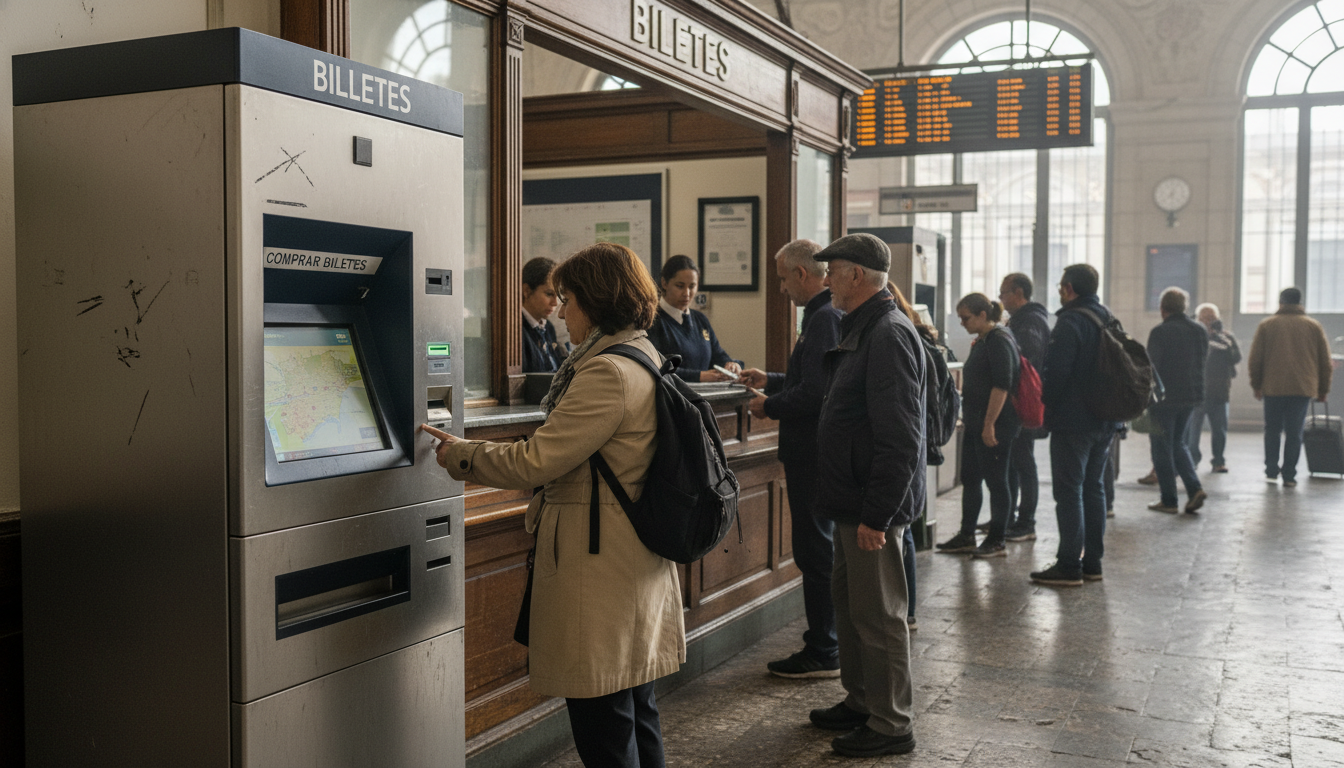
Gone are the days when you had to scribble your destination on a piece of paper and hand it to a stern station master. When figuring out how to ride the shinkansen, you have three main ways to secure a seat, each with its own trade-offs.
1. The Ticket Machines: How to Ride the Shinkansen with Vending Options
In every major station, you will see rows of machines. Look for the green ones (often marked "Reserved Seat Ticket Vending Machine"). They all have an "English" button in the top corner. Honestly, this is often the fastest way for those wondering how to ride the shinkansen without waiting in line at the counter. You can view seat maps, choose your car, and pay with a credit card (though sometimes foreign cards can be finicky—always have cash as a backup).
2. The "Midori no Madoguchi" (Ticket Office)
If you have a complicated itinerary or need to swap a rail pass voucher, look for the office with the green chair icon. The staff here are incredibly efficient and can explain how to ride the shinkansen if you have specific routing questions. Pro tip: If you are traveling during Golden Week (early May) or New Year's, the lines here can stretch for an hour. Use the machines if you can.
3. Online Booking: How to Ride the Shinkansen with Digital Reservations
Services like SmartEx allow you to book Tokaido/Sanyo line tickets in advance and link them to an IC card (like Suica or Pasmo). However, the interface can be clunky for first-timers. Third-party booking sites often charge a markup but offer a much smoother English interface and customer support for travelers learning how to ride the shinkansen for the first time.
Seat Classes: How to Ride the Shinkansen in Comfort
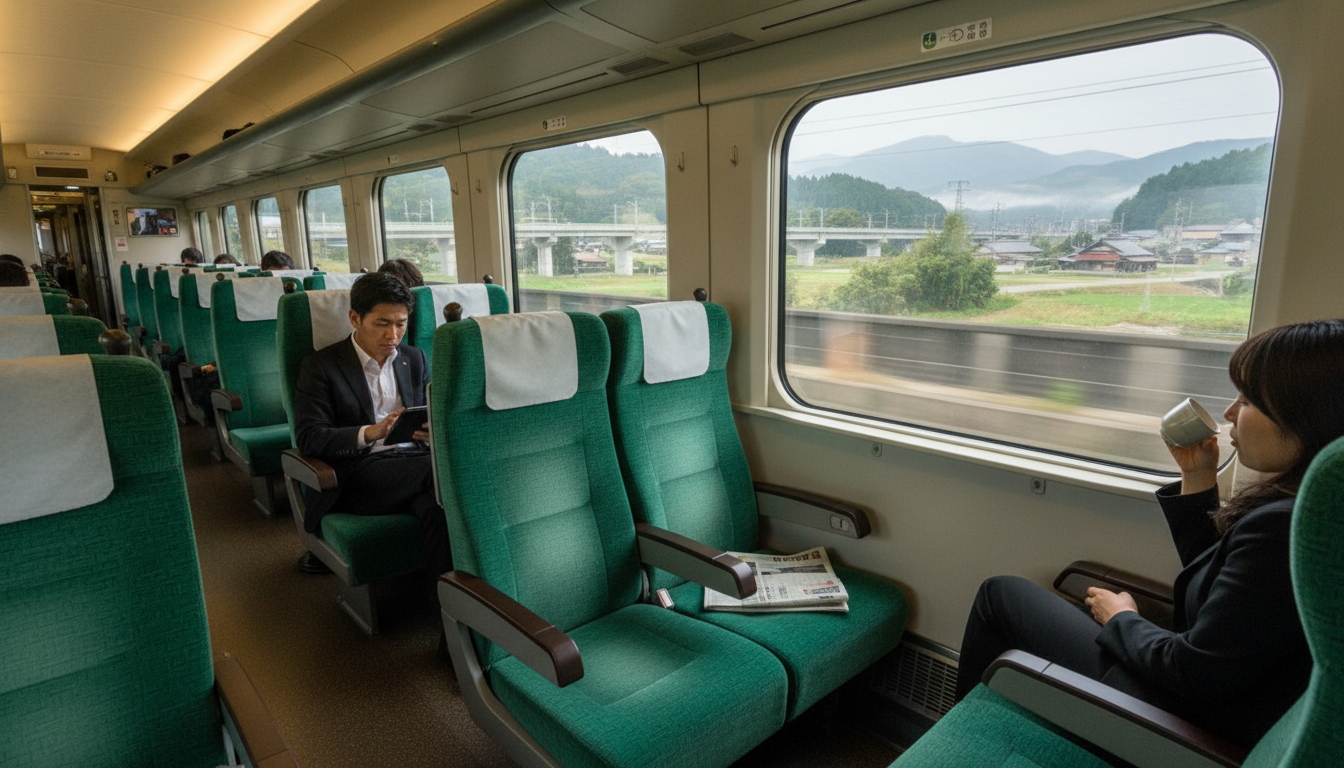
Deciding between seat classes is the most common dilemma I hear from travelers. Here is the honest breakdown of how to ride the shinkansen based on what you get for your yen.
| Feature | Ordinary Car (Standard) | Green Car (First Class) | Gran Class (Premium) |
|---|---|---|---|
| Configuration | 3 seats | Aisle | 2 seats | 2 seats | Aisle | 2 seats | 1 seat | Aisle | 2 seats |
| Legroom | Generous (1,040mm pitch) | Massive (1,160mm pitch) | Airline First Class style |
| Atmosphere | Busy, family-friendly | Quiet, subdued lighting | Private, exclusive |
| Price Premium | Base Fare | +30% to +40% | +100% or more |
My take: For most people, the Ordinary Car is perfectly fine. The legroom is already better than economy class on any airline. However, if you are researching how to ride the shinkansen as a couple on the Tokaido line, the Green Car is fantastic because the 2x2 layout means you don't have a stranger sitting next to you. The Gran Class (available on Tohoku and Hokuriku lines) is a bucket-list experience, complete with attendant service and free-flowing drinks, but it's overkill for a simple commute.
The Luggage Situation: How to Ride the Shinkansen with Large Bags
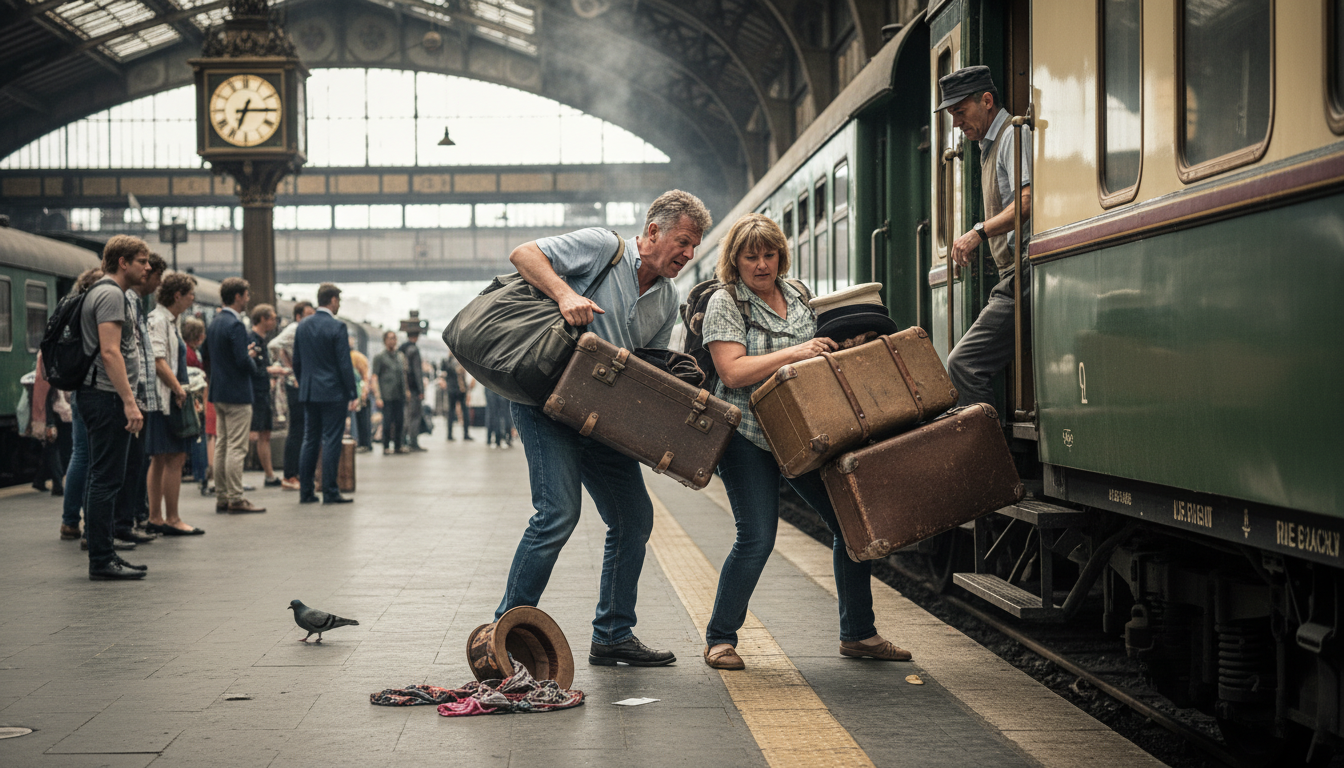
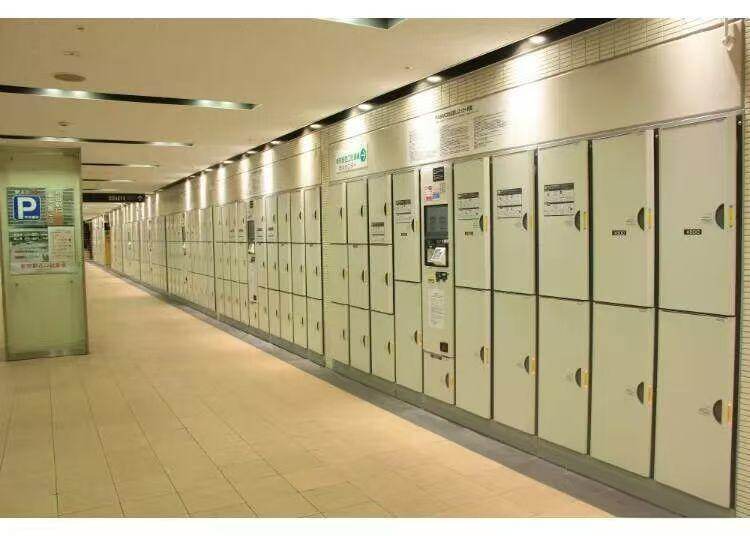
This is the biggest change in recent years regarding how to ride the shinkansen. In May 2020, JR introduced the "Bag 160" rule on the Tokaido, Sanyo, and Kyushu lines. If your luggage's total dimensions (length + width + height) add up to between 160cm and 250cm, you must reserve a seat with an oversized baggage area.
These seats are usually the last row of the carriage. If you board without this reservation and have a massive suitcase, the conductor will charge you a ¥1,000 penalty and may force you to move your bag to a different car. When planning how to ride the shinkansen, remember that standard carry-ons and medium check-in bags (under 160cm total) fit easily on the overhead racks, which are surprisingly deep.
Navigating the Station and Boarding: How to Ride the Shinkansen Step-by-Step
Japanese stations are mini-cities. To keep your stress levels low while learning how to ride the shinkansen, arrive at least 20 minutes before departure. Here is the drill:
1. The Double Gate System: How to Ride the Shinkansen through Barriers
At major hubs like Shinjuku or Tokyo, you might first pass through a regular JR gate, and then a specific Shinkansen gate. You need your ticket for both. If you have a base fare ticket and a super express supplement ticket separately, stack them together and feed them into the gate slot simultaneously. It feels wrong, but knowing how to ride the shinkansen means trusting the machine to handle both and pop them out the other side.
2. The "Ekiben" Ritual
Do not rely on the food cart (which has been discontinued on many routes anyway). Part of the fun of how to ride the shinkansen is the ekiben—station bento boxes. Inside the gates, you will find shops selling hundreds of varieties, from self-heating eel rice to regional wagyu beef boxes. Grab a bento and a cold beer or green tea before you head up to the platform.
3. The Platform Line-Up: How to Ride the Shinkansen with Precision
Look at your ticket. It will say something like "Car 5, Seat 12A." On the platform, look for the digital displays or markings on the floor. They indicate exactly where Car 5 will stop. If you are learning how to ride the shinkansen with a non-reserved ticket, you must queue at the markings for the non-reserved cars (usually Cars 1-3). The Japanese queue is sacred; cutting in line is a major faux pas.
Onboard Etiquette: How to Ride the Shinkansen Respectfully
Once the doors slide shut, the atmosphere shifts. The cabin is incredibly quiet. Here are the unwritten rules of how to ride the shinkansen to keep you from getting dirty looks:
- Silence your phone: Never talk on the phone in your seat. If you must take a call, move to the deck area between cars.
- Rotate the seats: If you are a group of four, you can swivel the seats to face each other. Just step on the pedal under the aisle seat. However, if the train is packed or you are near strangers, keep them facing forward.
- Recline with care: Yes, the seats recline, but check behind you first. A quick nod or a soft "sumimasen" (excuse me) to the person behind you is part of how to ride the shinkansen politely. When you leave, return the seat to the upright position.
- The trash sort: When you exit, take your bento box with you. There are bins on the platform or near the train doors, usually separated by combustibles and plastics.
5 Pro Tips on How to Ride the Shinkansen
- The Mt. Fuji View: Heading from Tokyo to Kyoto/Osaka? Book a seat in row E (Ordinary Car) or row D (Green Car). These are the window seats on the right side, offering the best views of Mt. Fuji around 45 minutes into the trip, weather permitting. Knowing which side to sit on is a key part of how to ride the shinkansen for the views.
- The "Norikae" Gate: If you are transferring from a local JR line to the Shinkansen, look for the "Shinkansen Transfer Gate." It allows you to go directly between the networks without exiting to the street.
- Secret Charging Ports: In older N700 series trains, power outlets are often only available in the window seats (A and E). The newer N700S trains have outlets at every seat. If charging is vital, check the train model or aim for a window when learning how to ride the shinkansen.
- Avoid the Rush: Morning rush hour (7:30–9:00 AM) out of Tokyo and evening rush (17:00–19:00) returning are brutal. If you have unreserved tickets, you might be standing for the whole trip. Travel mid-day for a relaxed vibe.
- The 7-Minute Miracle: When a train terminates, cleaning crews turn it around in exactly 7 minutes. It is fascinating to watch, but it also means you cannot board until they are finished. Wait for the doors to open and the staff to bow you in as you prepare how to ride the shinkansen.
Frequently Asked Questions: How to Ride the Shinkansen
Is the Japan Rail Pass still worth it?
Since the major price hike in October 2023, the answer is often "no" for simple round trips (e.g., just Tokyo to Kyoto and back). When considering how to ride the shinkansen, it usually pays off only if you are doing long-distance travel, like Tokyo to Hiroshima or hopping between multiple regions. Calculate your total fare cost before buying.
Can I bring food and alcohol on the Shinkansen?
Absolutely. It is not just allowed; it is culturally expected. You can bring your own beer, sake, snacks, or full meals. Just avoid foods with overpowering smells (like durian or extremely garlicky dishes) out of consideration for others when you are learning how to ride the shinkansen.
Is there Wi-Fi on the train?
Yes, most modern Shinkansen trains (Shinkansen Free Wi-Fi) have connectivity. However, it can be spotty in tunnels and cuts out after 30 minutes, requiring you to reconnect. It is fine for emails and maps, but don't count on it for streaming 4K video while you figure out how to ride the shinkansen.
What happens if I miss my train?
If you have a reserved ticket and miss your train, don't panic. You can usually hop on a later train on the same day, but you will have to sit in the non-reserved cars. You cannot take your reserved seat on a later train without buying a new express ticket, so keep this in mind when learning how to ride the shinkansen.
Final Thoughts on How to Ride the Shinkansen
Riding the Shinkansen is more than just logistics; it is a window into the Japanese soul—punctual, considerate, and technologically advanced. There is a profound sense of peace in watching the Japanese countryside blur past at 300 km/h while you enjoy a seasonal bento box. Now that you know how to ride the shinkansen, the entire country is within your reach.
Don't be intimidated by the maps or the language barrier. Millions of travelers figure out how to ride the shinkansen every year, and with this guide, you are already ahead of the curve. For specific route timetables and easy ticket booking options, japantrain.net is your next stop to finalizing those travel plans. Enjoy the ride and your new knowledge of how to ride the shinkansen.