Kisei Main Line Delays: 2026 Travel Updates [Shingu Area]
Key Takeaway: As of April 10, 2026, the Kisei Main Line between Kameyama and Shingu is experiencing delays due to an emergency track inspection between Kii-Ichigi and Atawa. Travelers heading toward Kumano or Shingu should expect schedule disruptions and verify connections. Book your alternative Kisei Main Line tickets on japantrain.net to secure seats once service stabilizes.
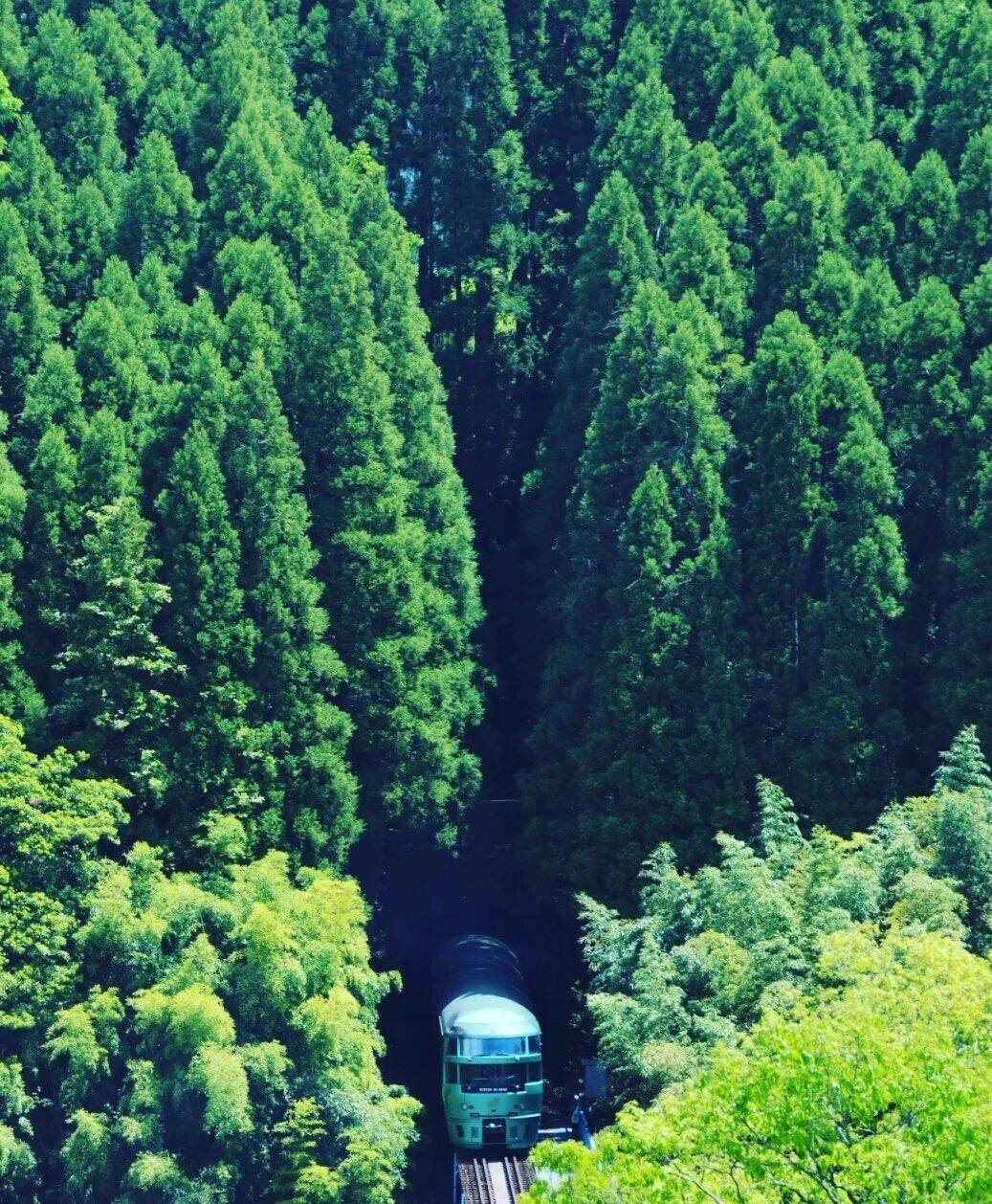
The Kisei Main Line is one of Japan’s most dramatic coastal railways, hugging the rugged edge of the Kii Peninsula where the mountains of Mie meet the Pacific. But today, the scenery is taking a backseat to safety as operations slow down. A track inspection near the southern end of the JR Central section has triggered delays that are rippling through the afternoon schedule.
Current Status: Kisei Main Line Tickets & Service Disruption
If you are currently on a train or standing on a platform between Kameyama and Shingu, you likely already feel the stall. The delay is localized but significant. It affects the primary artery connecting central Mie Prefecture to the sacred sites of Shingu and beyond.
What happened?
Official reports confirmed that at 07:53 UTC (16:53 JST) on April 10, 2026, railway staff initiated a track inspection between Kii-Ichigi and Atawa stations. This specific stretch is located near the coast in the southern reaches of Mie. The inspection was prompted by an undisclosed signal or track concern, requiring workers to physically verify the integrity of the line. While no accident has been reported, the "safety-first" protocol in this mountainous, coastal region means all traffic in the immediate vicinity must halt or proceed at reduced speeds.
Affected services
The disruption is primarily impacting the JR Central (JR Tokai) portion of the Kisei Main Line. Specifically, the section from Kameyama down to Shingu is seeing the most volatility.
- Local Trains: Services between Kumano-shi and Shingu are seeing the most direct impact, with some trains held at stations.
- Limited Express Nanki: These long-distance services connecting Nagoya to Shingu and Kii-Katsuura may experience cascading delays of 20 to 60 minutes.
- Freight Operations: While less frequent on this line, any scheduled freight movements are currently deprioritized.
What travelers should do
If you are traveling toward the Kumano Kodo or Shingu, do not panic, but do adjust your timeline. Most delays on this line due to inspections are resolved within a few hours, yet the knock-on effect for single-track sections can be stubborn. You should check the digital departure boards at major hubs like Tsu, Matsusaka, or Taki before boarding. If your journey involves a tight connection to the JR West "Kuroshio" Limited Express at Shingu, speak to a station agent immediately to see if the connection will be held. For those yet to start their journey, checking real-time seat availability on japantrain.net is a smart move to see if your preferred Nanki service is still running on time.
Official Source Information
Original Headline: 紀勢本線[亀山~新宮] 列車遅延
Published At: 2026-04-10 07:53 UTC
Source: Yahoo! Japan Transit / JR Central Operations
Link: Official Status Page
How Much Does the Kisei Main Line Cost?
Budgeting for a trip along the Kii Peninsula depends entirely on whether you value speed or the slow-burn charm of local stops. The Kisei Main Line is split between JR Central (Kameyama to Shingu) and JR West (Shingu to Wakayamashi). For the 2026 season, a standard ticket from Nagoya to Shingu via the Limited Express Nanki remains one of the best coastal values in Japan.
| Route | Train Type | Approx. Price (¥) | Duration | Booking |
|---|---|---|---|---|
| Nagoya to Shingu | Ltd. Exp. Nanki | ¥7,500 - ¥8,200 | 3h 20m | Book Now |
| Kameyama to Shingu | Local | ¥3,410 | 4h 30m+ | Check Price |
| Tsu to Kumano-shi | Ltd. Exp. Nanki | ¥4,500 - ¥5,200 | 1h 50m | Book Now |
Honestly, the local trains are only for the bravest souls with the sturdiest tailbones. You'll save money, but the frequent stops and basic seating make the three-hour-plus journey feel like a lifetime. Checking the latest Limited Express Nanki prices on japantrain.net is usually the better move for comfort.
Which Kisei Main Line Tickets Should You Buy: Nanki or Local?
If you’re riding the Kisei Main Line, you’re likely on the Nanki. This train recently underwent a massive upgrade to the HC85 series, a hybrid-electric beast that is surprisingly quiet. The windows are massive, which is essential because the view between Owase and Kumano-shi is arguably the best in Mie Prefecture. The HC85 series trains offer power outlets at every seat and significantly more legroom than the older diesel units they replaced.
Seating Strategy
When booking your ticket, seat selection is the difference between a good trip and a legendary one. For those traveling south from Nagoya or Kameyama toward Shingu, you want a seat on the left side of the train (D and E seats in most configurations). This gives you an unobstructed view of the Pacific Ocean as the train emerges from the mountain tunnels. And trust me, the sudden transition from pitch-black tunnel to sparkling blue ocean is a highlight of the 2026 travel season. You can select your specific seat on japantrain.net to ensure you aren't staring at a rock wall for three hours.
Frequency and Reliability
The Nanki doesn't run every twenty minutes like the Shinkansen. It’s a specialized service with about 4 to 6 round trips per day. Because much of the Kisei Main Line is single-track, one delay—like the track inspection happening today—can pause the entire rhythm of the line. It is vital to arrive at the station at least 15 minutes before departure, as these trains are punctual to a fault when the tracks are clear.
Navigating Key Stations: Kameyama to Shingu
The Kisei Main Line isn't just a transit corridor; it's a string of gateways to some of Japan's most underrated spots. Each station has a distinct personality, and in 2026, many are seeing increased traffic from hikers and coastal explorers.
- Kameyama: The northern terminus. It’s a functional junction where you’ll likely transfer from the Kansai Main Line. There isn't much to see here, so keep your transfer times tight.
- Tsu: The capital of Mie. A great place to grab a quick "unagi" (eel) lunch near the station if you have a layover.
- Taki: This is a critical junction. If you’re heading to Ise Jingu, this is where you’ll often switch to the Sangu Line.
- Owase: A deep-water port town. The air here smells like salt and cedar. It’s one of the rainiest places in Japan, so bring an umbrella even if the sky looks clear.
- Kumano-shi: The gateway to the Onigajo rock formations and the southern Kumano Kodo trails. If you're here for the fireworks in August, you need to book tickets months in advance.
- Shingu: The hand-off point. This is where JR Central ends and JR West begins. It’s home to the impressive Kumano Hayatama Taisha Shrine.
Every major station on the Kisei Main Line now accepts IC cards like Suica or Pasmo, but only for local travel within certain zones. If you are crossing from the JR Central area to the JR West area (i.e., going past Shingu toward Nachi), a physical ticket or a pre-booked digital ticket is often safer to avoid "fare adjustment" headaches. You can buy these long-distance Kisei Main Line tickets on japantrain.net to avoid the confusion at the gate.
Pro Tips for the Kisei Main Line
- The "Left-Side" Rule: As mentioned, sit on the left (Sea Side) when heading south. If heading north toward Nagoya, sit on the right.
- Pack a Bento: Unlike the Shinkansen, the Limited Express Nanki does not have a trolley service in 2026. There are no vending machines on the train. Buy your food and drinks at Nagoya or Tsu Station before you board.
- The Shingu Transfer: If you are continuing to Osaka on the "Kuroshio" Limited Express, you will change trains at Shingu. The platforms are usually close, but give yourself 10 minutes to handle luggage.
- Watch the Weather: This line is prone to suspension during typhoons. If a "strong wind warning" is issued for the Kii Peninsula, check japantrain.net for service alerts immediately.
- Use the "Wide View" Benefit: The front and back of the HC85 trains have large windows. If you can snag a seat in the first or last row, you get a "driver's eye" view of the winding mountain tracks.
- Stamping Your Journey: Almost every station on this line has a unique "Eki-Stamp" (station stamp). Bring a small notebook; the Kisei Line stamps are beautifully designed with coastal motifs.
Frequently Asked Questions
Is the Kisei Main Line covered by the Japan Rail Pass?
Yes, the entire Kisei Main Line from Kameyama to Shingu is fully covered by the National Japan Rail Pass. This includes the Limited Express Nanki, provided you book a seat. You can also use the JR Central "Ise-Kumano-Wakayama Area Tourist Pass" for better value if you're only touring this region. Check JR Pass eligibility and book on japantrain.net.
How long is the train ride from Nagoya to Shingu?
The Limited Express Nanki takes approximately 3 hours and 20 minutes to cover the distance. Local trains can take upwards of 5 or 6 hours depending on connection times at Taki or Owase. For a day trip, the Nanki is the only viable option.
Are there toilets on the Kisei Main Line trains?
Limited Express Nanki trains (HC85 series) have modern, accessible restrooms and washrooms. Local trains usually have one older-style toilet per 2-car set, but they are not always accessible for those with limited mobility. It is best to use station facilities before boarding local services.
What should I do if my train is delayed like it is today?
First, check the official delay time on the station monitors. If the delay is over 30 minutes and you have a reserved seat, you may be entitled to a partial refund of the "Limited Express" portion of your fare, but only if the train arrives at its destination more than 2 hours late. Book your next leg on japantrain.net to ensure you have a backup plan if you miss a connection.
Can I see Mt. Fuji from the Kisei Main Line?
No, the Kisei Main Line is on the opposite side of the Japanese Alps from Mt. Fuji. However, you get world-class views of the Pacific Ocean and the Kumano Mountains, which many travelers find equally impressive and far less crowded.
Is there Wi-Fi on the Kisei Main Line?
The new HC85 series trains used for the Nanki Limited Express offer free public Wi-Fi. However, because the line passes through many tunnels and remote mountainous areas, the connection can be spotty. Do not rely on it for video calls or heavy downloads.
Planning Your Coastal Escape
While today's track inspection between Kii-Ichigi and Atawa is a temporary headache, it shouldn't deter you from exploring this corner of Japan. The Kisei Main Line is an impressive feat of engineering, threading the needle between the sea and the summits. Whether you're heading to the ancient shrines of Shingu or just riding for the view, it's a journey that rewards the patient traveler. Just remember to check the status updates, pack a decent lunch, and always aim for that window seat. Ready to see the coast for yourself? Book your Kisei Main Line tickets on japantrain.net today and experience the rugged coastline of the Kii Peninsula.