Kyoto Station Guide: How to Navigate JR Trains, Subways, and City Buses like a Pro
This guide is currently shown in English because a translation is not available yet.
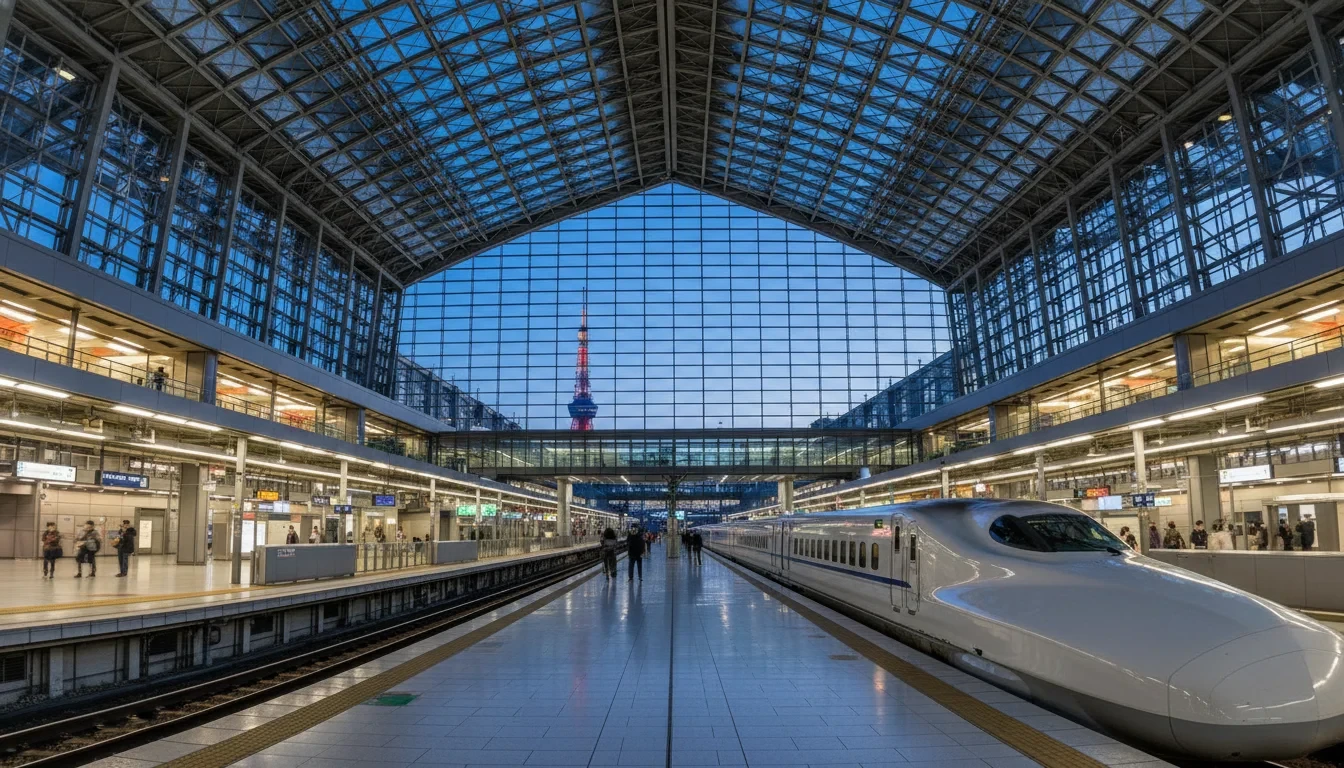
Kyoto Station is the primary gateway to Japan’s cultural heart, acting as a massive hub for JR trains, private railways, the municipal subway, and an extensive bus network. While the station's scale can be intimidating, understanding its logical layout and the "hub-and-spoke" transit system will make your sightseeing seamless.
Primary Transit Modes at Kyoto Station
Kyoto’s transportation is a hybrid system. Unlike Tokyo, where trains dominate, Kyoto relies heavily on a combination of subways for speed and buses for "last-mile" access to historical sites.
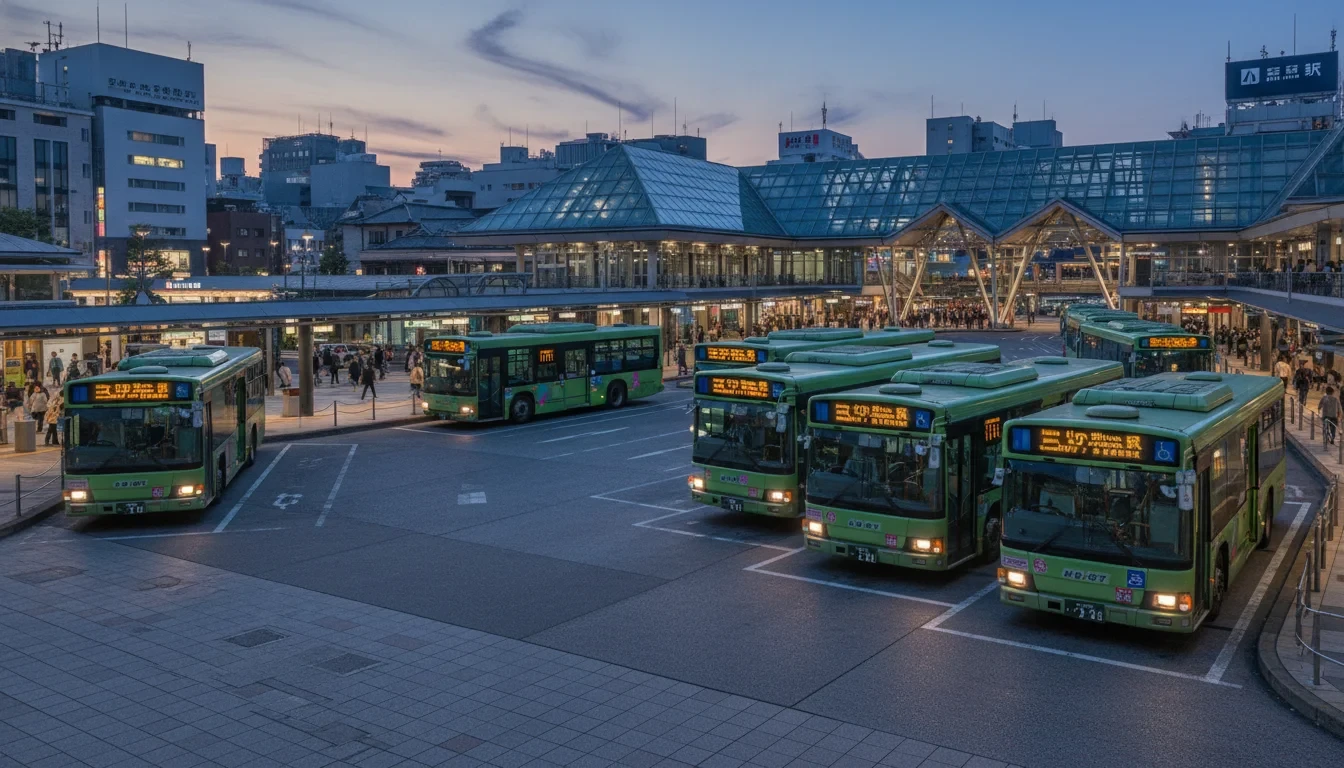
1. Kyoto City Bus: The Sightseeing Workhorse
Buses are essential for reaching iconic landmarks like Kinkaku-ji (Golden Pavilion) and Kiyomizu-dera, which are not directly served by train stations.
2. Kyoto Municipal Subway: Avoiding Traffic
The subway is the most efficient way to bypass Kyoto’s frequent road congestion, particularly during cherry blossom and autumn leaf seasons.
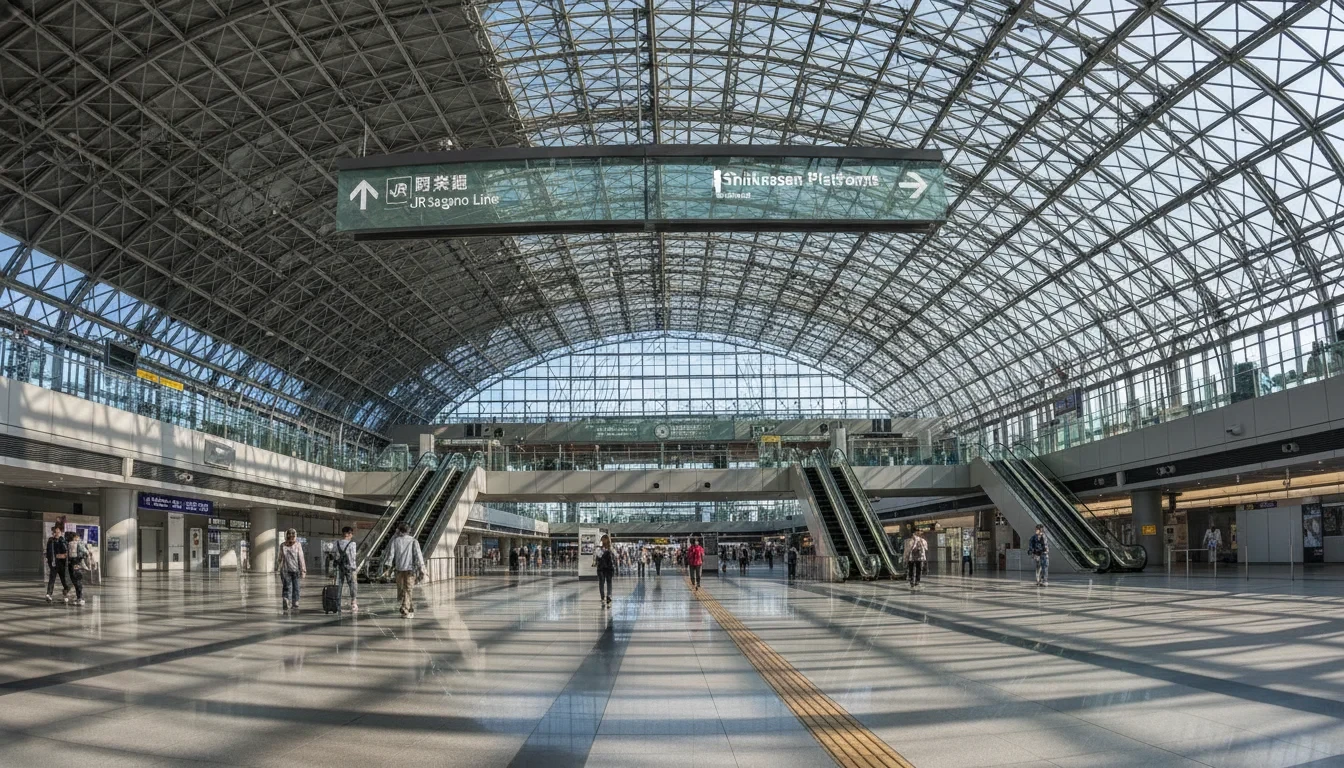
3. JR Lines: Arashiyama and Regional Access
For Japan Rail Pass holders, JR lines are the most cost-effective way to move between cities or reach the western outskirts.
4. Private Railways: Hankyu & Keihan Lines
While these do not pass through Kyoto Station directly, they are vital for specific routes:
Essential Tickets: IC Cards and Day Passes
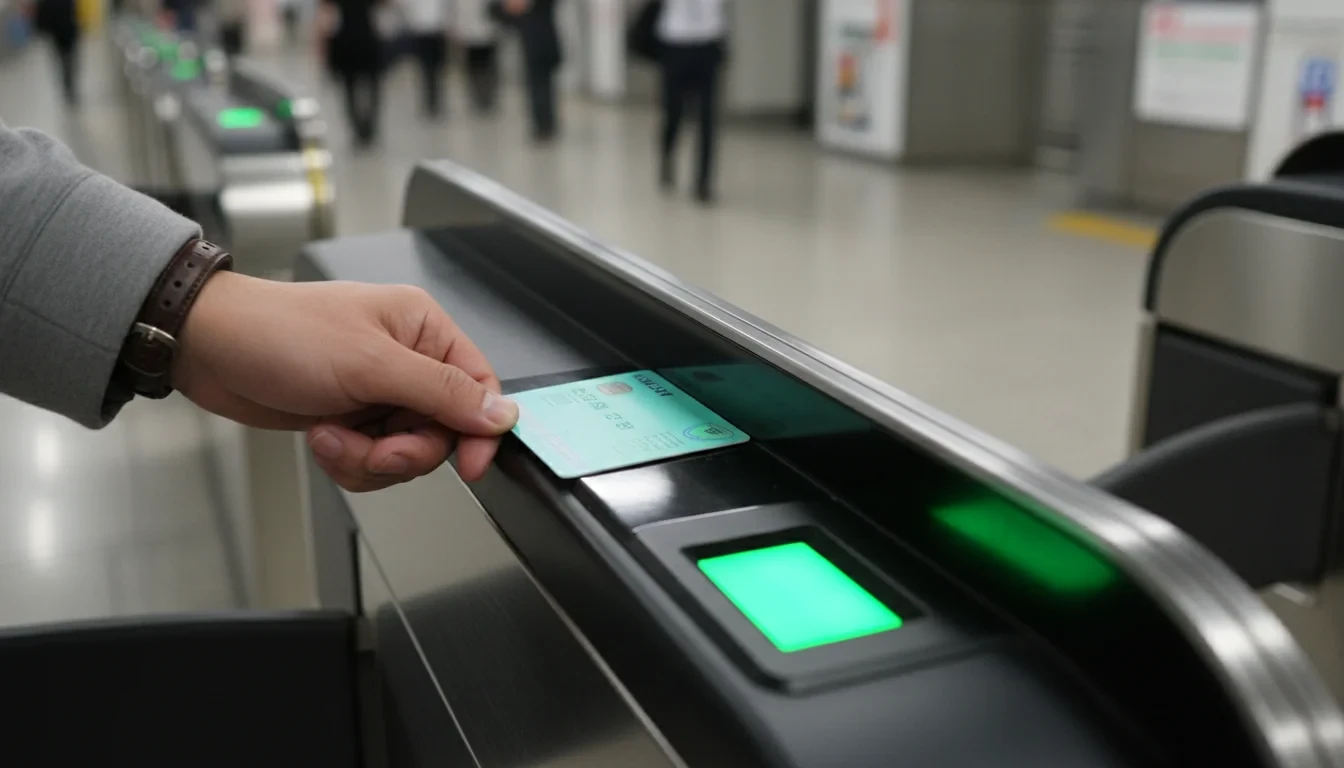
Optimizing your fare payment is the easiest way to reduce travel friction in Kyoto.
Kyoto Station Layout: North vs. South Exits
The station is divided into two main sides. Knowing which one to exit from will save you 15 minutes of walking.
Strategic Travel Tips for Kyoto
Use the "Hub-and-Spoke" Method: To maximize your time, take the subway or a JR train from Kyoto Station (the hub) to the station nearest your destination. Then, use a bus or taxi (the spokes) for the remaining distance. This minimizes time spent in Kyoto’s notorious bus traffic.
Navigation Tools: Google Maps is exceptionally accurate for Kyoto. It provides platform numbers, exact bus stop locations, and real-time delay information.
Final Advice: Kyoto is a city best explored with patience. During peak seasons, buses can be crowded. Whenever possible, prioritize the subway to cover long distances and allow extra time for the scenic, slower pace of the city's historic districts.