Shinkansen Seasonal Fare Guide: Peak & Off-Peak Pricing
This guide is currently shown in English because a translation is not available yet.
Shinkansen Seasonal Fare Guide: Navigating Peak and Off-Season Travel in Japan
Planning a journey across Japan via the Shinkansen (bullet train) requires more than just knowing your destination; understanding the official JR Group pricing tiers and the Shinkansen seasonal fare structure is essential for effective budget management and ensuring seat availability. When booking Japan bullet train tickets, travelers often notice that fares for reserved seats (Shitei-seki) fluctuate based on the specific date of travel, reflecting the high demand during national holidays and the relative quiet of the off-season.
The JR Group categorizes travel dates into four distinct pricing tiers, ensuring that the Shinkansen seasonal fare adjusts to market demand: Off-Peak Season (Kanshuki), Regular Season (Tsūjōki), Peak Season (Isogashiki), and Super Peak Season (Saishigoki). Understanding the dynamics of Kanshuki vs Isogashiki is the key to mastering Shinkansen budgeting. Generally, the Shitei-seki surcharge decreases by 200 yen during the off-peak season and increases by 200 to 400 yen during peak periods. It is important to note that this reserved seat price fluctuation typically applies only to reserved cars; Jiyū-seki non-reserved fares remain constant throughout the year, though finding a seat during peak times can be a significant challenge.
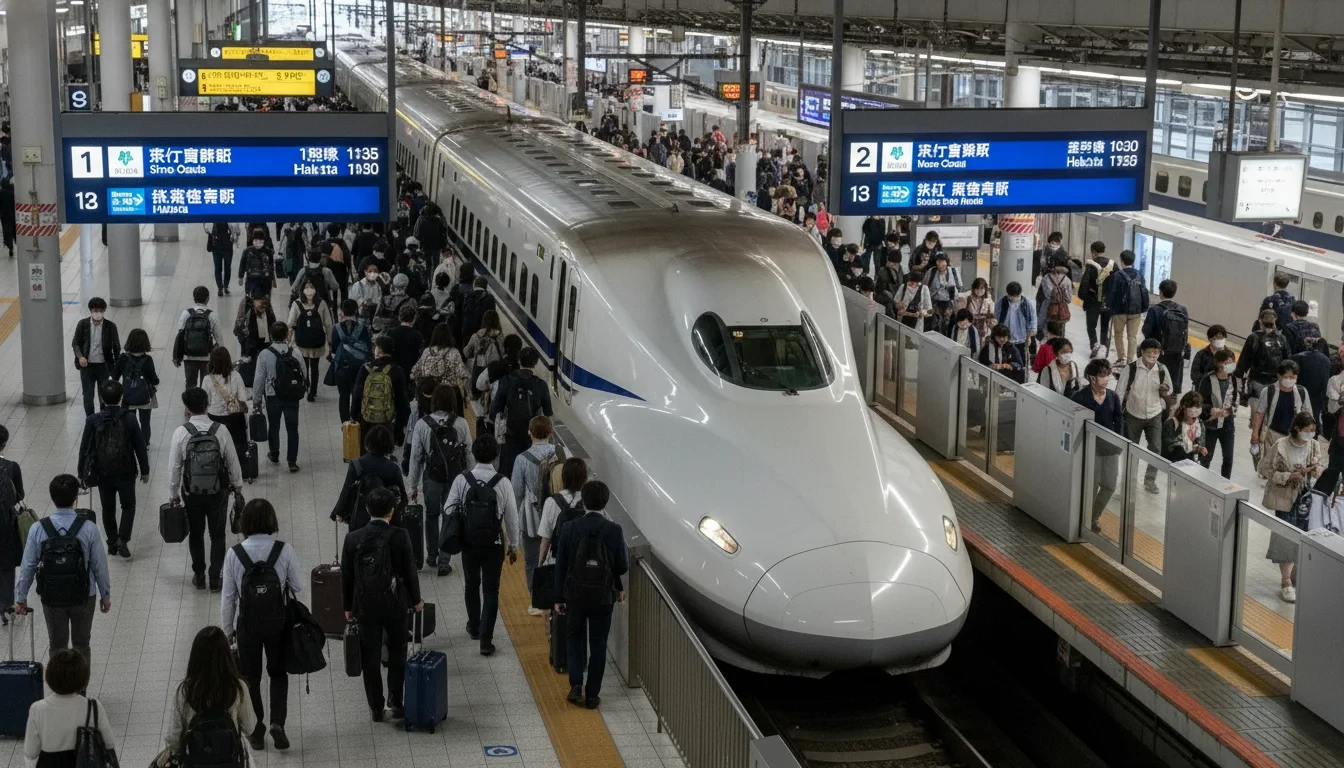
Understanding the Shinkansen Seasonal Calendar
The Shinkansen seasonal calendar is predetermined by the JR Group and follows a consistent annual pattern. Identifying specific Japan peak travel dates is crucial for avoiding crowds and higher costs associated with the Shinkansen seasonal fare. Regular season pricing covers the majority of the year, while off-peak pricing is usually applied on Mondays through Thursdays during quieter months like mid-January, February, June, September, and November (excluding public holidays). Conversely, the "Peak" and "Super Peak" designations are reserved for Japan’s "Three Major Holiday" periods and surrounding weekends.
The Three Major Peak Periods in Japan
During these windows, demand for the Tokaido, Sanyo, and Tohoku Shinkansen lines reaches its zenith, necessitating advanced booking and a higher budget for Japan bullet train tickets:
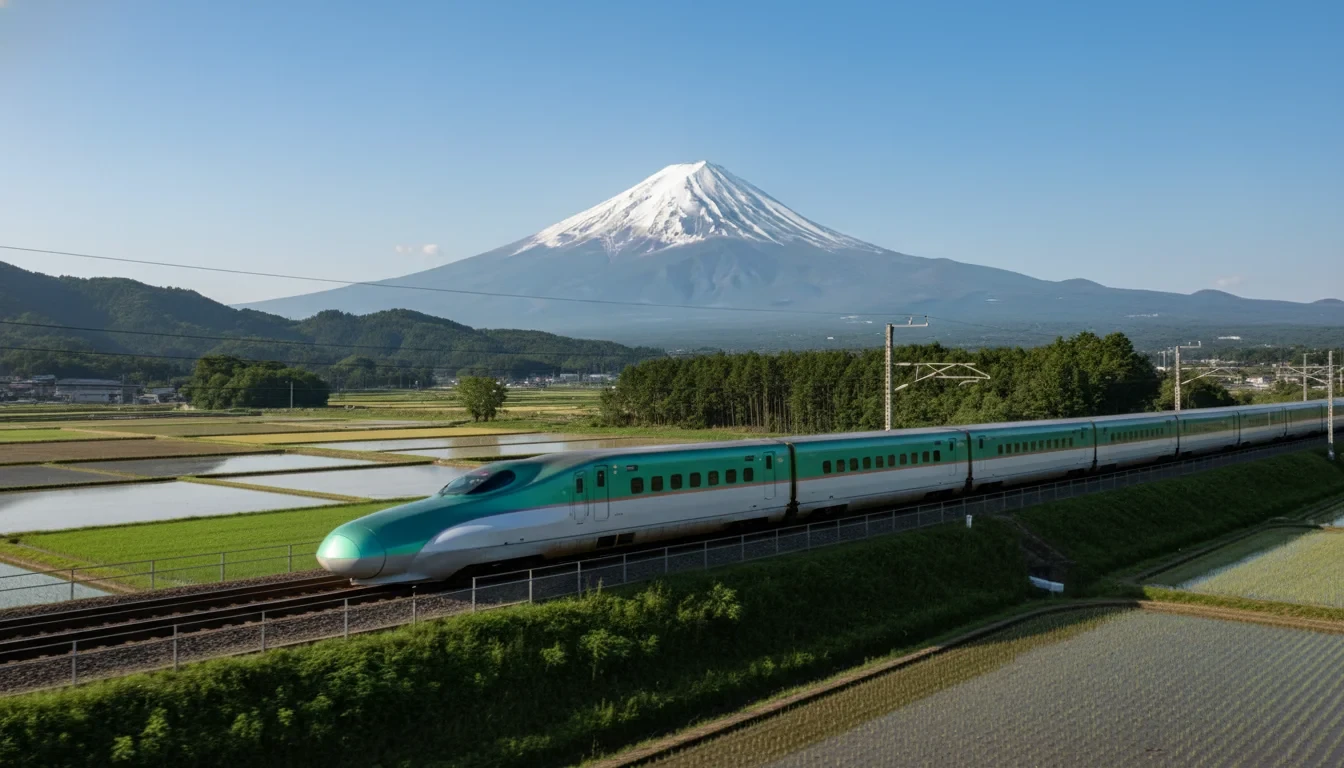
Operational Changes During Super Peak Seasons
In response to extreme passenger volumes during Super Peak periods, JR Central and JR West have implemented a critical policy change for the Nozomi service on the Tokaido and Sanyo Shinkansen lines. During the Three Major Holiday periods, all Nozomi trains operate as "All Reserved Seats" (Zenseki Shitei). This means standard Jiyū-seki non-reserved fares do not apply to these specific trains, and passengers without a prior reservation will not be allowed to board unless they stand in the decks between carriages with a specific standing-room ticket.
Strategic Booking for International Travelers
For those traveling to Japan, navigating these seasons requires professional tools and timing. To secure the best rates and guaranteed seating despite the reserved seat price fluctuation, travelers should utilize digital platforms such as Smart EX or the JR-WEST Online Train Reservation system. These platforms allow for seat selections up to 30 days in advance. For those using the Japan Rail Pass, remember that while the pass covers the base fare, the Nozomi and Mizuho services require a supplemental "upgrade" ticket, and seat reservations are mandatory during the peak "All Reserved" windows.
How to Calculate Your Shinkansen Seasonal Fare
To accurately estimate your travel costs, it is vital to remember that the Shinkansen seasonal fare only impacts the express surcharge for reserved seats. The base fare (Joshaken) remains static regardless of the time of year. By checking the official JR calendar before your trip, you can determine which Shinkansen seasonal fare tier applies to your specific travel date, helping you decide whether to opt for a reserved seat or save money with a non-reserved ticket during less busy periods.
Summary of Pricing Logic
To optimize your travel budget on japantrain.net, keep the following logic regarding the Shinkansen seasonal fare and JR Group pricing tiers in mind:
By aligning your itinerary with the regular or off-peak windows and avoiding Japan peak travel dates, you not only save on costs but also enjoy a significantly more relaxed environment at major hubs like Shin-Osaka and Kyoto Station.
Frequently Asked Questions
Q: What are the four Shinkansen seasonal pricing tiers?
A: The JR Group categorizes Shinkansen travel into four tiers: Off-Peak Season (Kanshuki), Regular Season (Tsūjōki), Peak Season (Isogashiki), and Super Peak Season (Saishigoki).
Q: Does the Shinkansen seasonal fare apply to non-reserved seats?
A: Price fluctuations usually only apply to reserved seat surcharges (Shitei-seki). Non-reserved fares (Jiyū-seki) typically remain the same throughout the year, making them a consistent option for budget travelers.
Q: How much does the Shinkansen reserved seat surcharge vary?
A: The reserved seat surcharge typically decreases by 200 yen in the off-peak season and increases by 200 to 400 yen during peak and super peak periods compared to regular season rates.