Tokyo Station Guide 2026: Shinkansen Hub, JR Pass Info, and Expert Rail Navigation Guide
This guide is currently shown in English because a translation is not available yet.

Tokyo Station Guide: The Ultimate Hub for Shinkansen and Historic Architecture
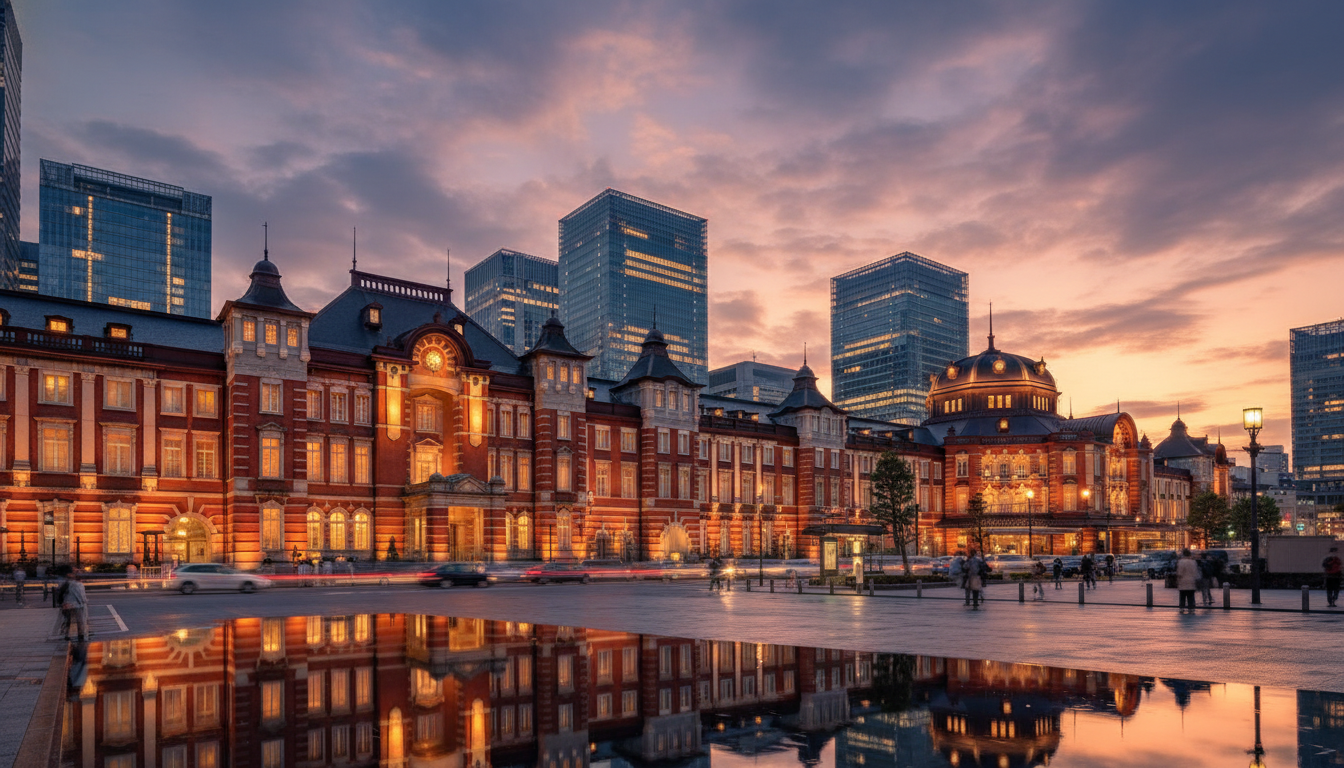
As the primary gateway to Japan’s capital, Tokyo Station is more than a transit node; it is a masterpiece of the Taisho era and the beating heart of the nation’s railway network. Designed by architect Kingo Tatsuno and opened in 1914, this iconic landmark seamlessly bridges Japan's imperial history with its high-speed future.
Serving over 450,000 passengers daily, it acts as the central terminal for multiple Shinkansen (Bullet Train) lines and essential JR commuter routes. Whether you are a rail enthusiast or a first-time traveler, navigating this "city within a city" requires a strategic approach.
Navigating the Two Faces: Marunouchi and Yaesu
Tokyo Station is defined by two distinct sides, each offering a different atmosphere and functional purpose:
1. The Marunouchi Side (West): Historic Grandeur
The Marunouchi side is home to the famous 335-meter-long red-brick station building. Restored to its pre-war glory, the North and South domes are essential stops for visitors. Look upward to see the intricate relief carvings of eagles and the eight signs of the Chinese zodiac.
2. The Yaesu Side (East): Modern Commercial Hub
In contrast, the Yaesu side features futuristic glass canopies and the GranRoof structure. This side is the primary entrance for Highway Bus Terminals and the massive Daimaru Department Store.
The Hub of High-Speed Rail: Mastering Shinkansen Transfers
Tokyo Station is the only terminal where all of Japan's major Shinkansen lines converge. Understanding the platform layout is crucial for a smooth transfer.
Major Shinkansen Routes from Tokyo:
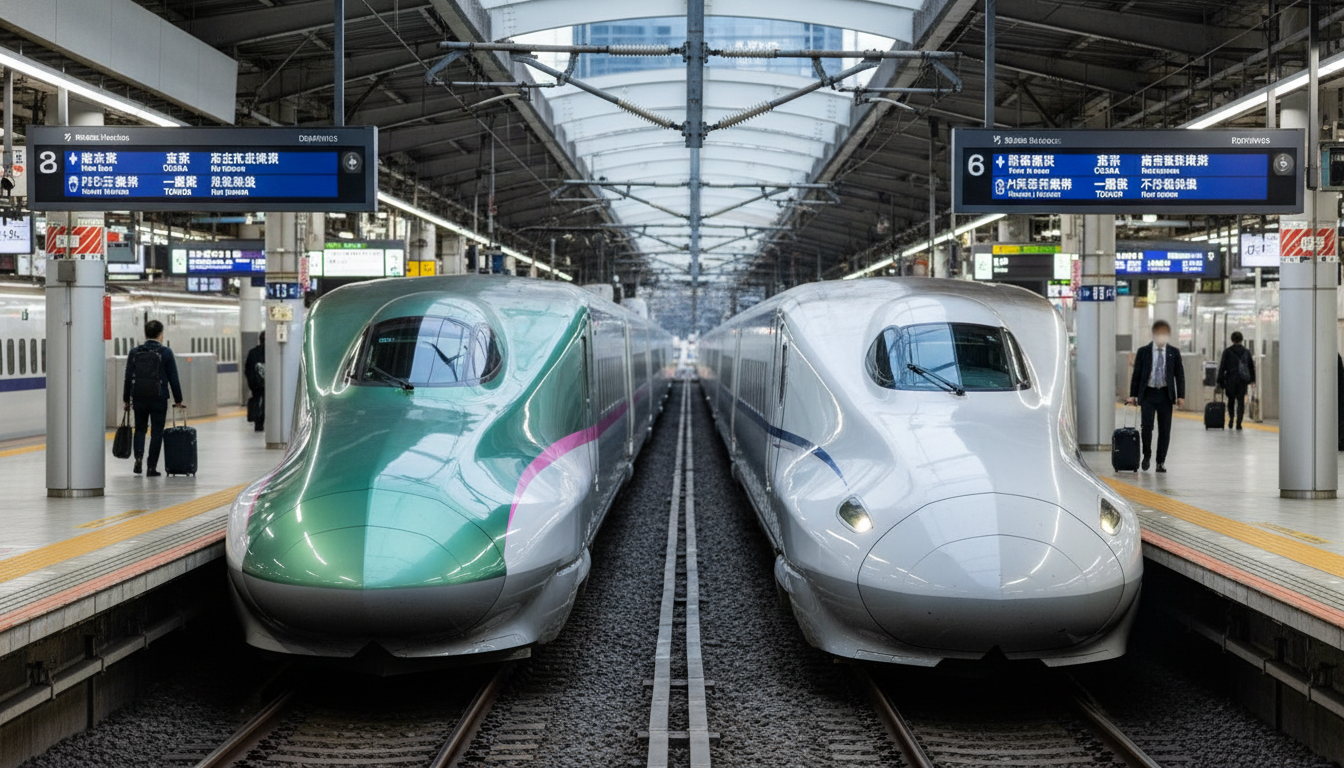
Pro Tip: Shinkansen gates are separate from local JR gates. Always check if your ticket allows "Transit" (transferring from a local line) or if you need to enter through the main Shinkansen gates. Allow at least 20 minutes for transfers due to the station's massive footprint.
The Underground Labyrinth: Ichibangai and Gransta
Extending beneath the station is an expansive network of shopping and dining districts that cater to every taste.
Tokyo Station Ichibangai (First Avenue)
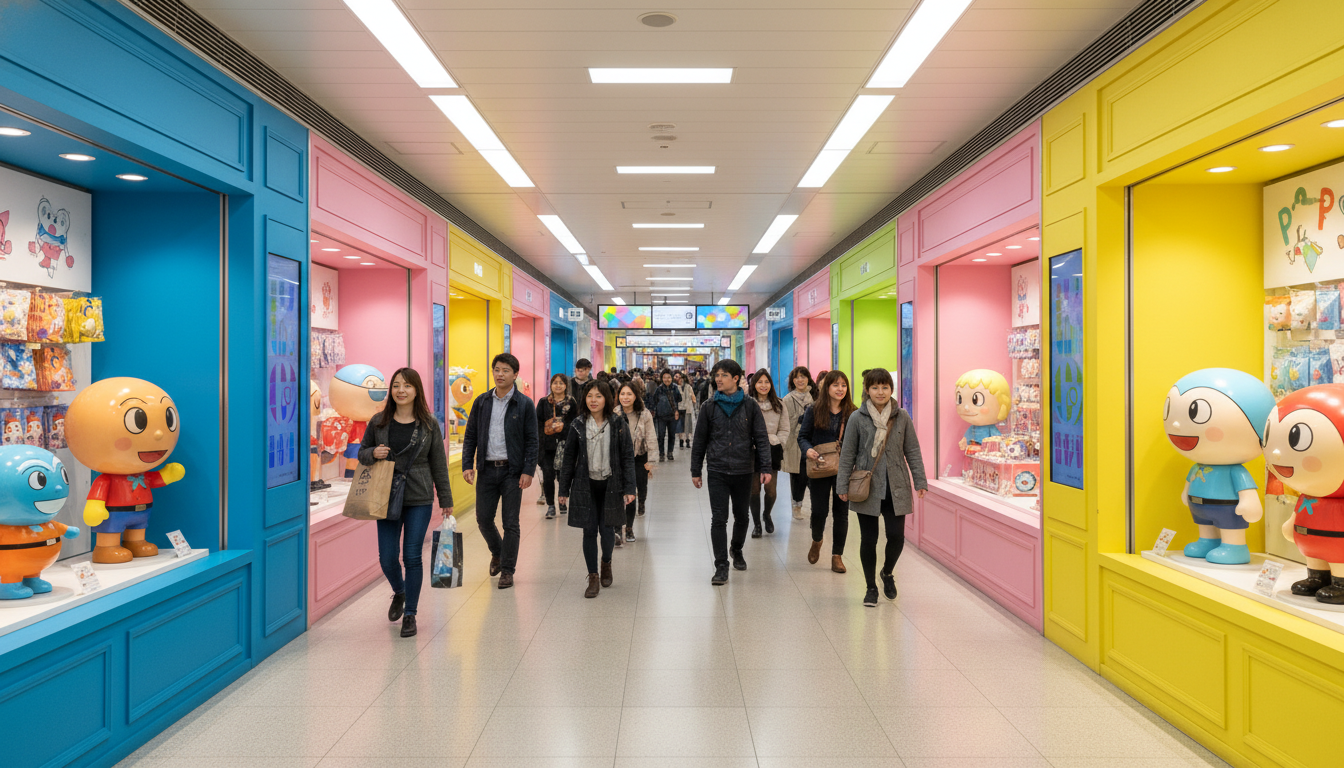
Zone What to Expect Recommended Shops Tokyo Ramen Street Regional ramen styles gathered in one corridor. Rokurinsha (Tsukemen), Ikaruga Character Street Official merchandise for anime and icons. Pokémon Center, Ghibli Store, Jump Shop Tokyo Sweets Land Freshly made snacks and premium gifts. Calbee Plus, Glicoya Kitchen
Gransta & ecute: The Art of the Ekiben
Located inside the ticket gates (In-gate area), Gransta is the ultimate destination for Ekiben (Station Lunch Boxes). Before boarding your Shinkansen, pick up a regional specialty bento box to enjoy the traditional Japanese rail experience.
Practical Logistics: Luggage and Exits
Navigating 28 platforms can be daunting. Keep these tips in mind:
Conclusion
Tokyo Station is a destination in its own right—a culinary hotspot, an architectural marvel, and the world’s most efficient rail terminal. Whether you are transferring to the Tokaido Shinkansen for Kyoto or exploring the depths of Character Street, this guide ensures you navigate the labyrinth with ease.
Plan Your Journey from Tokyo Station
Book your Shinkansen tickets to Kyoto, Osaka, or Kanazawa with ease. Secure your seats today for a seamless Japan travel experience.
Frequently Asked Questions
Q: What is the difference between the Marunouchi and Yaesu sides of Tokyo Station?
A: The Marunouchi side (West) is famous for its historic red-brick architecture and imperial views, whereas the Yaesu side (East) is modern and serves as a major gateway for Shinkansen passengers and shopping.
Q: Who designed Tokyo Station and when did it open?
A: Tokyo Station was designed by the renowned architect Kingo Tatsuno and originally opened in 1914.
Q: Is Tokyo Station a hub for Shinkansen trains?
A: Yes, Tokyo Station is the primary central terminal for multiple Shinkansen (Bullet Train) lines, serving over 450,000 passengers daily.