Guía de transporte de Tokio: Metro, JR y traslados al aeropuerto

La red de transporte de Tokio es mundialmente conocida por su eficiencia inigualable y su abrumadora complejidad. Para quien la visita por primera vez, las capas superpuestas de metros privados, líneas ferroviarias nacionales y sistemas de tránsito automatizados pueden resultar agobiantes. Esta guía completa ofrece un desglose estratégico de la infraestructura de tránsito de Tokio, la logística aeroportuaria y la optimización de tarifas para garantizar una experiencia de viaje fluida.
Navegar eficazmente por el Gran Área de Tokio requiere comprender a los distintos operadores ferroviarios que comparten las vías de la ciudad. Aunque la red parece una entidad única, en realidad es una red altamente coordinada de entidades públicas y privadas, cada una de las cuales ofrece ventajas geográficas y estructuras de venta de billetes específicas.
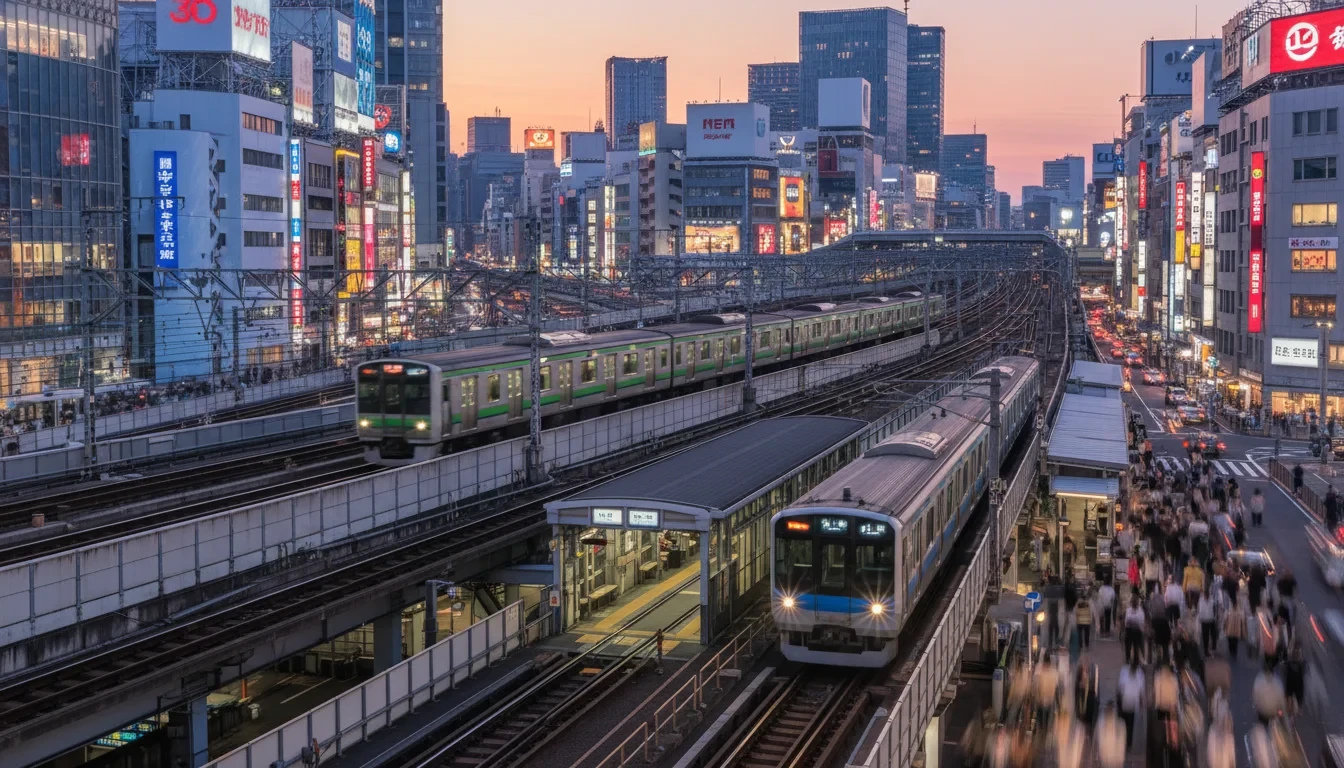
1. Descifrando los operadores ferroviarios de Tokio
Tokyo Metro (El núcleo subterráneo)
Tokyo Metro es el principal operador de metro de la capital, gestionando 9 líneas y 179 estaciones. Sirve como el sistema nervioso central de la ciudad, proporcionando la cobertura más densa en los principales centros comerciales y turísticos como Ginza, Shinjuku, Shibuya y Akihabara. Para los viajeros que se centran en el centro de la ciudad, el billete de 24 horas de Tokyo Metro es una herramienta esencial para una exploración económica.
Toei Subway (La red metropolitana)
Operado por el Gobierno Metropolitano de Tokio, el Toei Subway consta de 4 líneas (Asakusa, Mita, Shinjuku y Oedo). Aunque es un sistema separado del Tokyo Metro, ambas redes están altamente integradas. La línea Oedo es particularmente útil para llegar al Tokyo Skytree (Oshiage), el Mercado Exterior de Tsukiji y Roppongi.
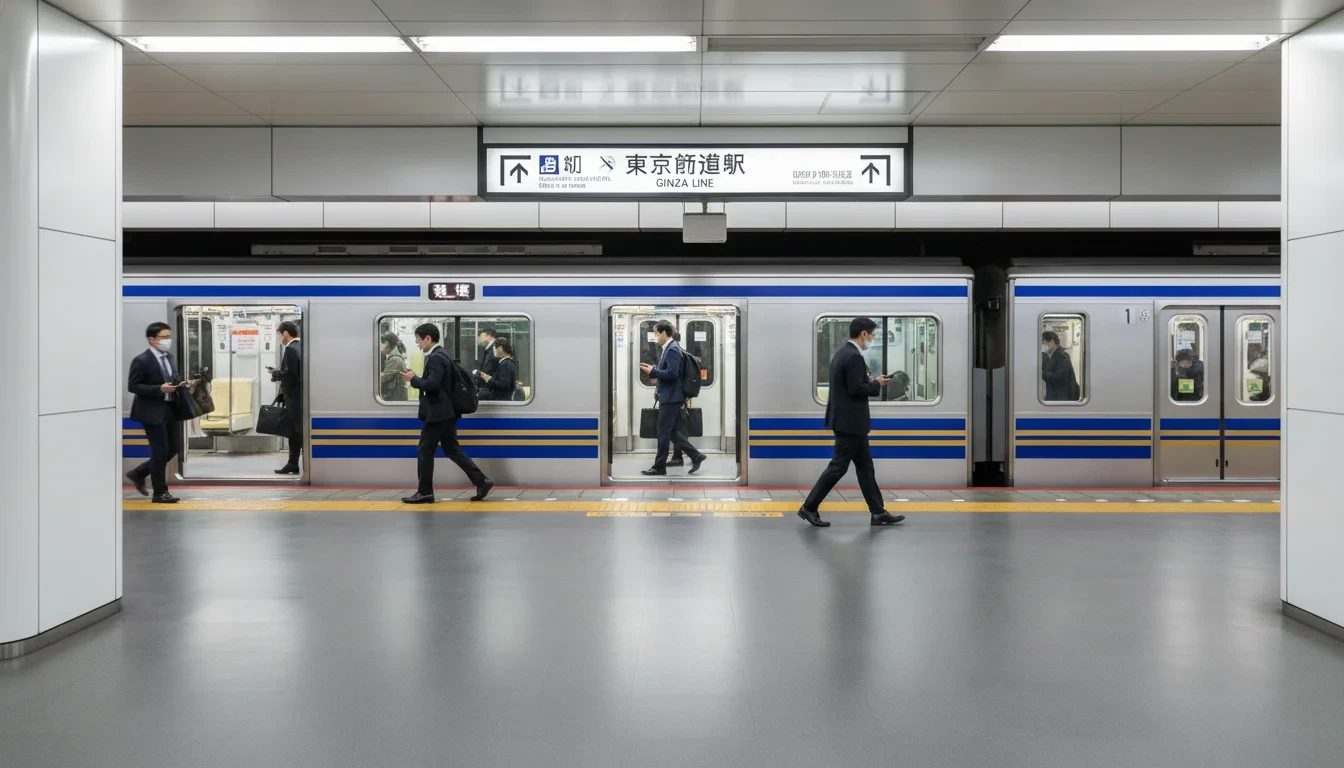
JR East: La columna vertebral del tren pesado
East Japan Railway Company (JR East) opera las principales líneas de cercanías de superficie. La más emblemática es la Línea Yamanote, un bucle circular que conecta todos los principales subcentros de Tokio. Otras líneas críticas incluyen la Línea Chuo-Sobu (travesía este-oeste) y la Línea Keiyo, que es la arteria principal para el Tokyo Disney Resort y Makuhari Messe.
Ferrocarriles privados (Shitetsu)
Las compañías ferroviarias privadas conectan el centro de Tokio con los suburbios y prefecturas circundantes. Los operadores clave incluyen:
Yurikamome: El tránsito automatizado frente al mar
El Yurikamome es un sistema de tránsito sin conductor y con neumáticos de goma que cruza el Rainbow Bridge. Es la forma más pintoresca de acceder a Odaiba, ofreciendo vistas panorámicas de la Bahía de Tokio. Se recomienda un pase de 1 día para aquellos que pasen un día completo en el distrito costero.
2. Logística de traslados del Aeropuerto de Narita (NRT)
Situado a 60 km fuera de la ciudad, Narita requiere una planificación estratégica para la entrada. Las opciones incluyen:
3. Logística de traslados del Aeropuerto de Haneda (HND)
Haneda está situado mucho más cerca del núcleo urbano, requiriendo típicamente solo un tiempo de tránsito de 20-30 minutos.
4. Pases ferroviarios estratégicos e interoperabilidad de IC
El Japan Rail Pass (Nacional y Regional)
El JR Pass es indispensable para viajes de larga distancia en Shinkansen, pero también cubre todas las líneas operadas por JR dentro de Tokio. Para aquellos que se queden dentro de la región de Kanto, el JR Tokyo Wide Pass ofrece tres días de viajes ilimitados, incluyendo excursiones a Karuizawa o a los Cinco Lagos del Fuji.
Pases del metro de Tokio
Disponibles en incrementos de 24, 48 y 72 horas, estos pases proporcionan acceso ilimitado tanto a las líneas de Tokyo Metro como a las de Toei Subway. Son significativamente más económicos que la compra de billetes individuales para itinerarios turísticos densos.
Tarjetas IC prepago: Suica y PASMO
Para mayor comodidad, los viajeros deben utilizar una tarjeta Suica o PASMO. Estas tarjetas inteligentes recargables de "tocar y pasar" funcionan en prácticamente todos los trenes, autobuses e incluso en tiendas de conveniencia (Konbini). Aunque no ofrecen descuentos, eliminan la necesidad de calcular tarifas en las máquinas expendedoras de billetes.
5. Etiqueta del viajero y navegación experta
Al comprender la sinergia entre los diversos operadores ferroviarios de Tokio y utilizar las tarjetas IC o pases correctos, puede navegar por este sistema de tránsito de clase mundial con la confianza de un viajero local. Ya sea que se dirija a las luces de neón de Shinjuku o a los templos tradicionales de Asakusa, los rieles de Tokio son su puerta de entrada a la ciudad.
Preguntas frecuentes
P: ¿Cuál es la diferencia entre Tokyo Metro y Toei Subway?
R: Tokyo Metro es un operador privado con 9 líneas, mientras que Toei Subway es gestionado por el gobierno metropolitano con 4 líneas. Aunque son sistemas separados, puede usar las mismas tarjetas IC (como Suica o Pasmo) para ambos, o comprar un billete de transbordo combinado.
P: ¿Puedo usar el Japan Rail Pass en el metro de Tokio?
R: No, el JR Pass solo es válido en líneas operadas por JR como la Línea Yamanote. No se puede usar en las líneas de Tokyo Metro o Toei Subway, que requieren billetes separados o una tarjeta IC.
P: ¿Qué son las tarjetas Suica y Pasmo?
R: Suica y Pasmo son tarjetas IC recargables utilizadas para viajar sin problemas en casi todos los trenes y autobuses de Tokio. Son prácticamente idénticas en función y se pueden usar indistintamente en diferentes operadores ferroviarios.