Japan Rail Pass 2026 : Est-ce que ça vaut le coup ? [Comparaison des prix et coûts]
![Japan Rail Pass 2026 : Est-ce que ça vaut le coup ? [Comparaison des prix et coûts]](https://static.japantrain.net/images/articles/cover-1778346968620.png)
L'essentiel : Le Japan Rail Pass 2026 national standard de 7 jours coûte 50 000 ¥, ce qui en fait un investissement judicieux uniquement si votre itinéraire comprend des trajets longue distance multi-villes, comme un aller-retour de Tokyo à Kyoto et Hiroshima. Si vous restez dans une seule région ou prenez moins de trains à grande vitesse, les billets individuels vous feront économiser de l'argent. Calculez les coûts exacts de votre itinéraire et réservez vos billets de train en ligne pour garantir vos places avant votre départ.
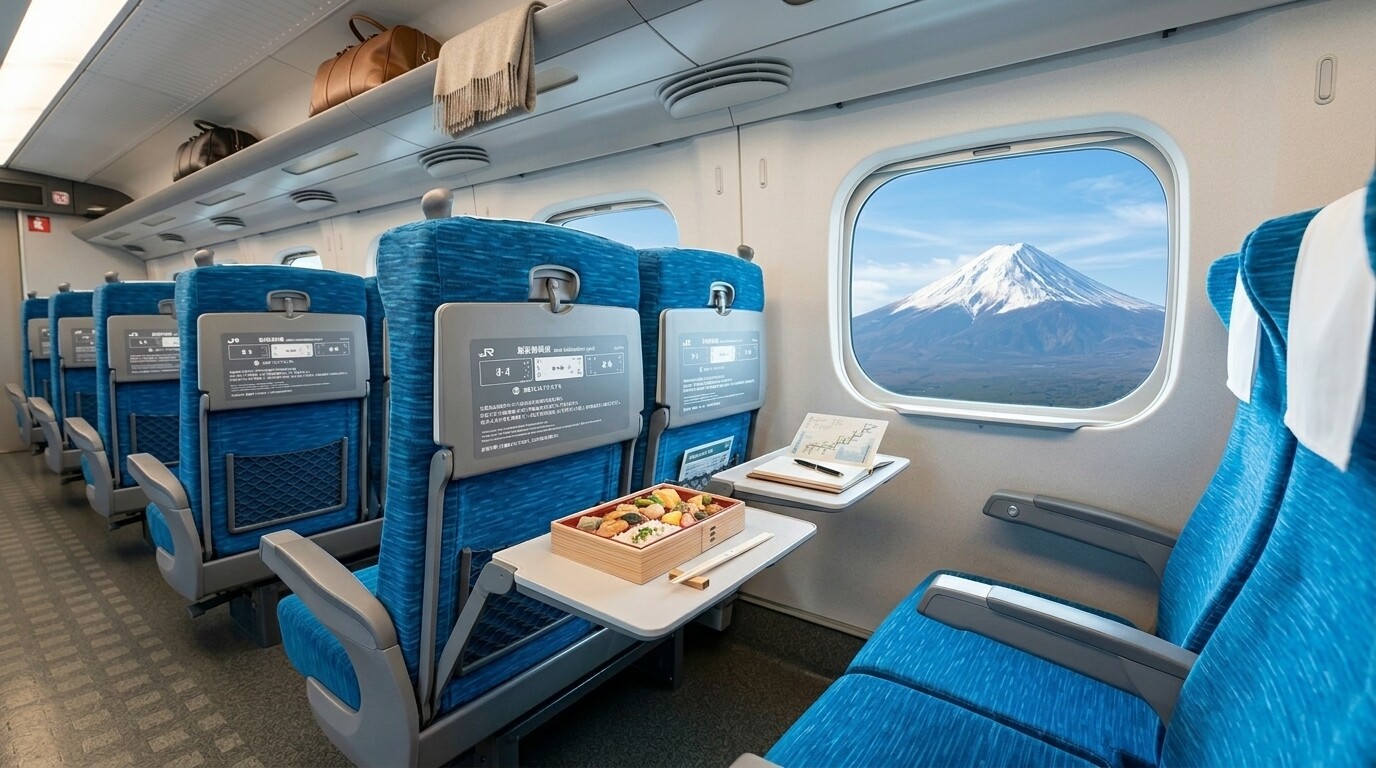
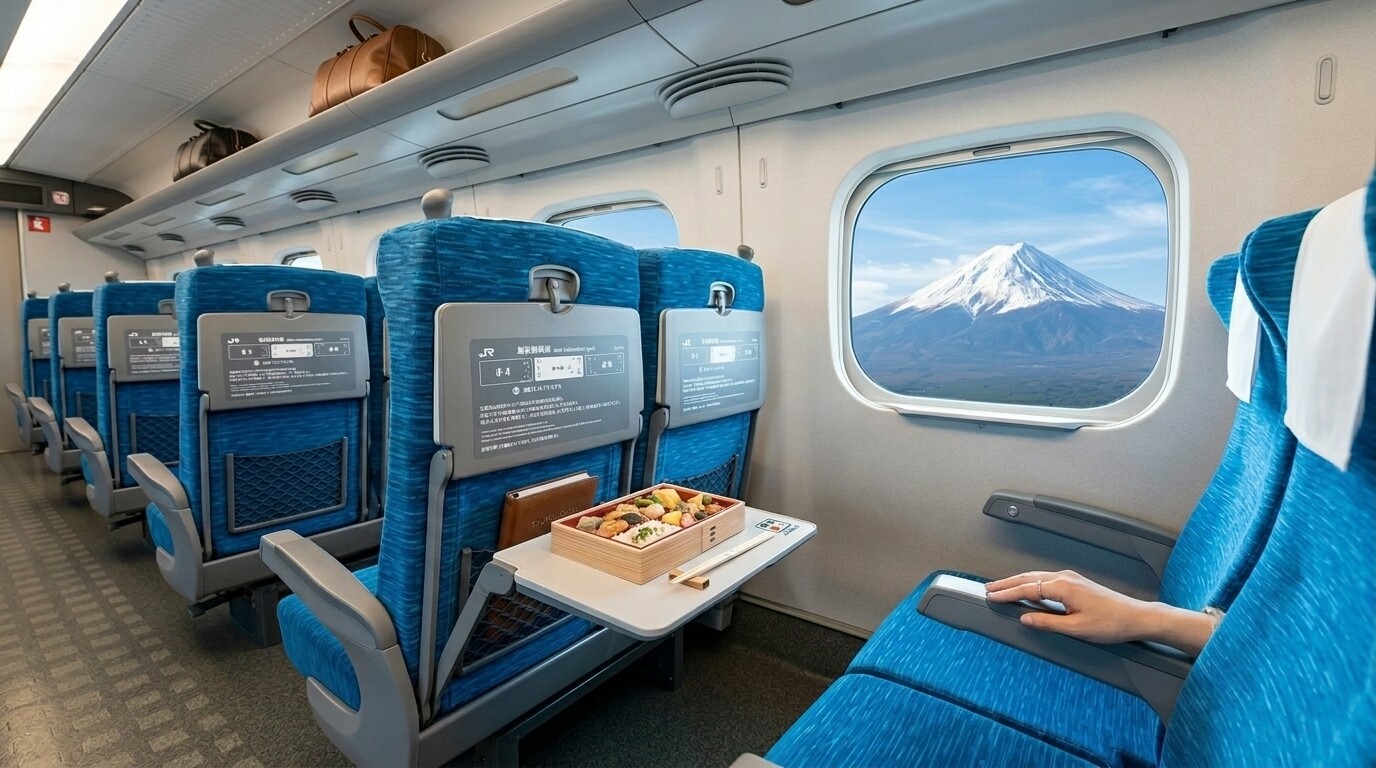
Décider d'acheter ou non le Japan Rail Pass 2026 est souvent la question financière la plus importante pour les voyageurs visitant le pays. Imaginez-vous défiler devant le mont Fuji à 320 km/h. Vous ouvrez un ekiben (bento de gare) parfaitement préparé, installé dans un siège en velours avec plus d'espace pour les jambes qu'en classe économique premium internationale. Et le meilleur ? Votre transport pour toute la semaine est déjà payé. C'est tout l'attrait du pass. Mais les choses ont changé. L'augmentation massive des prix il y a quelques années a totalement modifié le calcul. Acheter un pass à l'aveugle est une erreur de débutant. Aujourd'hui, il faut faire les comptes. Voyons donc précisément ce que vous obtenez pour vos yens avec le Japan Rail Pass 2026.
Aperçu rapide : Le Japan Rail Pass 2026
Avant de sortir les tableurs, voici la base. Le pass national est un engagement sérieux. Il offre une liberté incroyable, mais s'accompagne de paramètres stricts.
- Validité : Disponible pour 7, 14 ou 21 jours consécutifs.
- Couverture : Trajets illimités sur toutes les lignes du groupe JR, y compris le Shinkansen (train à grande vitesse), les limited express et les lignes locales.
- Exceptions : Les trains les plus rapides, Nozomi et Mizuho, nécessitent un supplément onéreux.
- Éligibilité : Vous devez entrer au Japon avec un tampon de visa « Temporary Visitor » pour bénéficier du Japan Rail Pass 2026.
- Activation : Vous choisissez une date de début dans les 30 jours suivant l'échange de votre bon au Japon.
Combien coûte le Japan Rail Pass 2026 ?
Parlons chiffres. Le Japan Rail Pass 2026 national standard de 7 jours coûte exactement 50 000 ¥ pour les adultes, tandis que la version Green Car (première classe) s'élève à 70 000 ¥. Les enfants de 6 à 11 ans paient exactement la moitié du tarif adulte. Les nourrissons de moins de 6 ans voyagent gratuitement, à condition qu'ils soient sur vos genoux.
Les prix se sont stabilisés après la hausse historique, mais ils restent élevés. Vous avez deux choix : Ordinary ou Green Car. Les voitures Ordinary sont fantastiques. Les sièges s'inclinent suffisamment pour une vraie sieste et la propreté est légendaire. Mais la Green Car vous offre une configuration 2-2, des cabines plus calmes et une place quasi garantie pour vos bagages pendant les périodes de pointe.
| Durée | Prix Pass Ordinary | Prix Pass Green Car | Où acheter |
|---|---|---|---|
| 7 Jours | 50 000 ¥ | 70 000 ¥ | Vérifier la disponibilité |
| 14 Jours | 80 000 ¥ | 110 000 ¥ | Vérifier la disponibilité |
| 21 Jours | 100 000 ¥ | 140 000 ¥ | Vérifier la disponibilité |
Si vous connaissez vos dates de voyage, n'attendez pas la dernière minute. Vous pouvez réserver votre JR Pass en ligne jusqu'à trois mois avant votre voyage.
Le Japan Rail Pass 2026 vaut-il le coup pour votre voyage ?
C'est la question cruciale concernant le Japan Rail Pass 2026. Ou plutôt, la question à 50 000 ¥. Vous devez effectuer l'équivalent d'un aller-retour Tokyo-Hiroshima en sept jours pour rentabiliser le pass ordinaire de 50 000 ¥. Un simple aller-retour à Kyoto ne suffit plus à justifier le coût initial.
Prenons un itinéraire classique de premier voyage. Vous atterrissez à Tokyo, y passez quelques jours, puis prenez le Shinkansen Tokyo-Kyoto. Après avoir visité les temples, vous filez à Osaka pour la street food. Enfin, vous reprenez le Shinkansen Osaka-Tokyo pour votre vol retour. Les billets individuels pour ce trajet coûtent environ 29 000 ¥. Acheter un pass à 50 000 ¥ pour cet itinéraire signifie une perte de 21 000 ¥. Aïe.
Mais ajoutez Hiroshima à cette même semaine, et la dynamique s'inverse. Soudain, vous prenez le Shinkansen Tokyo-Hiroshima, qui coûte plus de 19 000 ¥ l'aller simple. Ajoutez le ferry pour Miyajima (couvert par le pass), les lignes locales à Tokyo et l'express pour l'aéroport. Là, le pass vous fait économiser de l'argent.
| Trajet (Aller simple) | Coût estimé du billet individuel | Couvert par le JR Pass ? |
|---|---|---|
| Tokyo à Kyoto | 14 170 ¥ | Oui (Hikari/Kodama) |
| Kyoto à Hiroshima | 11 620 ¥ | Oui (Sakura/Hikari) |
| Hiroshima à Osaka | 10 630 ¥ | Oui (Sakura/Hikari) |
| Osaka à Tokyo | 14 720 ¥ | Oui (Hikari/Kodama) |
| Coût total individuel | 51 140 ¥ | Prix du Pass : 50 000 ¥ |
Pour faire vos propres calculs, consultez notre guide complet JR Pass 2026 : Est-ce que ça vaut le coup ? [Nouveau calculateur de prix]. Si vos chiffres sont inférieurs au prix du pass, contentez-vous d'acheter des billets de Shinkansen individuels. Cela offre plus de flexibilité et vous permet d'emprunter les trains Nozomi plus rapides sans frais supplémentaires.
Meilleures alternatives au Japan Rail Pass 2026
Si le Japan Rail Pass 2026 national ne correspond pas à votre budget ou à votre itinéraire, vous disposez de plusieurs excellentes alternatives pour vous déplacer efficacement au Japon.
- Billets de Shinkansen individuels : Pour des allers-retours simples (comme Tokyo-Kyoto), l'achat de billets point à point est moins cher. De plus, vous pouvez emprunter les trains ultra-rapides Nozomi sans payer de supplément. Réservez vos billets de Shinkansen individuels en ligne pour garantir l'horaire de votre choix.
- Vols domestiques : Les compagnies low-cost comme Peach ou Jetstar proposent des vols incroyablement bon marché entre les grands hubs (ex: Tokyo vers Sapporo ou Osaka vers Okinawa). Parfois, un vol rapide bat un trajet de 10 heures en train.
- Bus de nuit (Highway Buses) : Si vous avez un budget serré, les bus de nuit (comme Willer Express) sont très économiques. Ils vous font économiser une nuit d'hôtel et vous transportent à travers le pays pour une fraction du prix du Shinkansen.
Où acheter le JR Pass en 2026 ?
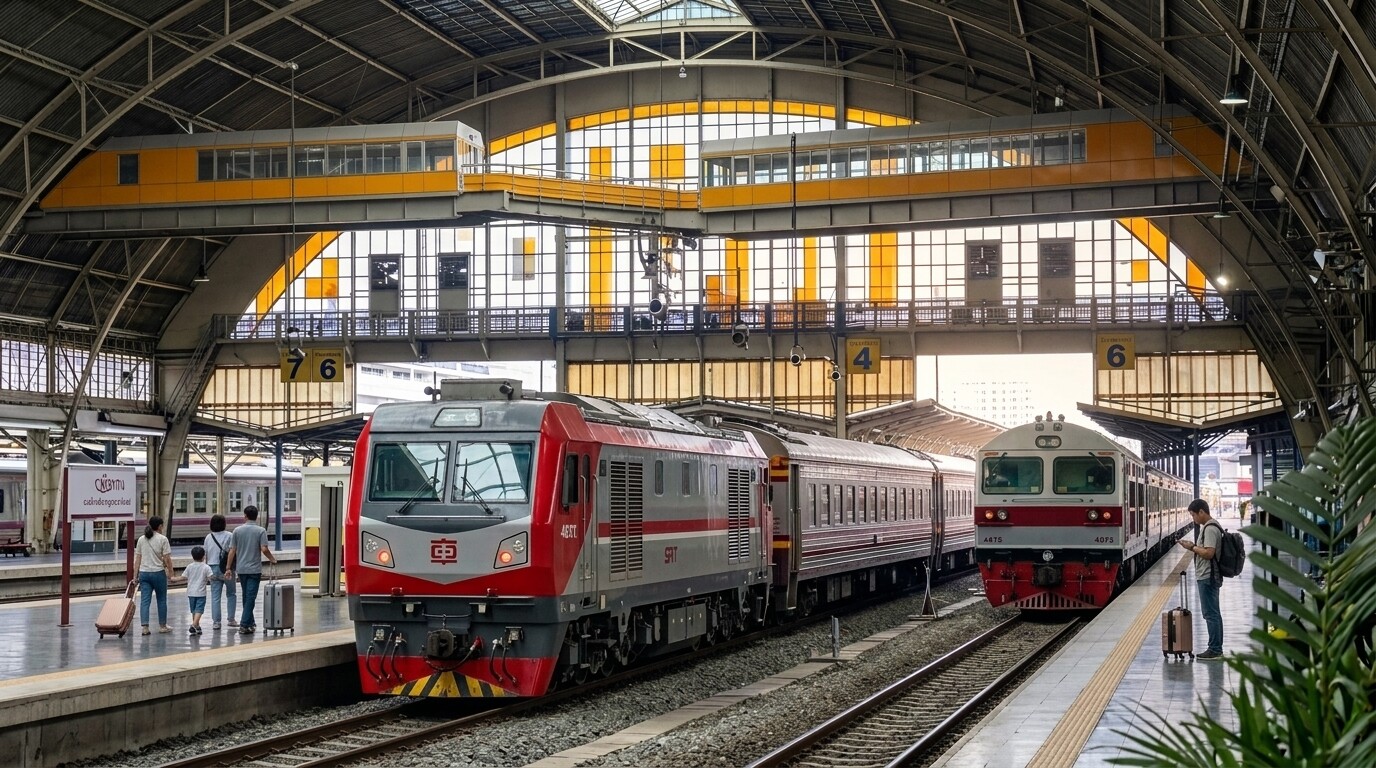
Vous avez plusieurs options pour obtenir votre Japan Rail Pass 2026. Acheter votre pass via un vendeur en ligne officiel avant d'arriver au Japon est le moyen le plus fiable de sécuriser votre voyage et d'éviter le stress.
Auparavant, on achetait un bon d'échange physique auprès d'une agence de voyage dans son pays d'origine. Ils vous envoyaient un papier par la poste. Vous apportiez ce papier au Japon. Vous attendiez dans une file d'attente interminable à l'aéroport de Narita pour l'échanger contre le pass réel. C'était archaïque. Aujourd'hui, l'achat numérique est beaucoup plus fluide.
Vous pouvez acheter directement via le Site officiel du Japan Rail Pass. Cette méthode permet de réserver des sièges en ligne avant même d'atterrir. Cependant, leur système peut être capricieux avec les cartes de crédit étrangères. Alternativement, les revendeurs tiers autorisés offrent un processus de paiement simplifié. Une fois arrivé, vous devrez toujours vous rendre dans un bureau de vente JR pour activer le pass et faire vérifier le tampon de votre passeport. Si vous décidez que le pass n'est pas pour vous, n'oubliez pas que vous pouvez toujours réserver des billets de train point à point facilement via notre plateforme.
Devriez-vous plutôt acheter un pass régional ?
En vous renseignant sur le Japan Rail Pass 2026, ne négligez pas les pass régionaux. Les pass régionaux offrent souvent un bien meilleur rapport qualité-prix que l'option nationale si vous limitez vos déplacements à une zone spécifique comme le Kansai ou Hokkaido.
Supposons que vous souhaitiez explorer les Alpes japonaises. Vous prévoyez de visiter Kanazawa, d'y manger des sushis frais, puis de vous diriger vers les rues historiques de Takayama. Un pass national est disproportionné ici. Regardez plutôt du côté du Hokuriku Arch Pass ou d'une option régionale JR West. Ou peut-être partez-vous vers le sud pour profiter des sources chaudes de Beppu. Un pass JR Kyushu couvrira vos déplacements pour une fraction du prix national. Le JR East Pass est un autre favori pour ceux qui explorent le Tohoku ou Nagano. Adaptez toujours le pass à votre empreinte géographique.
7 conseils de pro pour optimiser vos trajets en train au Japon
Prendre le train au Japon est un art. Voici quelques astuces apprises après des milliers de kilomètres parcourus en Shinkansen.
- Réservez vos places tôt : Les réservations de sièges sont totalement gratuites avec le Japan Rail Pass 2026. Ne risquez pas de rester debout dans les voitures sans réservation, surtout pendant la Golden Week ou le Nouvel An. Rendez-vous à une borne ou un guichet la veille de votre trajet.
- Connaissez les règles sur les bagages : Si les dimensions totales de votre valise (hauteur + largeur + profondeur) dépassent 160 cm, vous devez réserver un « siège avec zone pour bagages volumineux ». Si vous montez sans cette réservation, le contrôleur vous infligera une amende de 1 000 ¥ et déplacera votre sac.
- Évitez le supplément Nozomi : Le pass couvre les trains Hikari et Kodama sur le Tokaido Shinkansen. Si vous montez par erreur dans un train Nozomi plus rapide, votre pass ne sera pas valable. Vous devrez payer un supplément important (ex: 4 180 ¥ de Tokyo à Kyoto) de votre poche.
- Oubliez le pass pour les trajets simples : Si vous ne faites qu'un seul long trajet, comme le Shinkansen Tokyo-Kanazawa, n'achetez pas le pass. Économisez votre argent et réservez vos billets individuels directement en ligne.
- Utilisez-le sur les lignes JR locales : Le pass n'est pas réservé aux trains à grande vitesse. Il fonctionne sur la ligne Yamanote à Tokyo et la ligne circulaire d'Osaka (Osaka Loop Line). Présentez-le au guichet avec personnel ou insérez-le dans les portillons automatiques (si vous avez le nouveau ticket magnétique).
- Choisissez le bon ekiben : La nourriture de gare est spectaculaire. Achetez votre bento avant de passer les derniers portillons du Shinkansen pour avoir le meilleur choix. Cherchez les bentos auto-chauffants : tirez sur une ficelle, attendez cinq minutes, et vous avez un repas chaud à 300 km/h.
- Vérifiez les retards : Les trains japonais sont célèbres pour leur ponctualité, mais la météo peut s'en mêler. Les typhons ou les fortes chutes de neige peuvent interrompre le service. Vérifiez toujours des ressources comme l'Office National du Tourisme Japonais ou nos alertes locales avant de partir pour la gare.
Foire aux questions
Combien coûte un Japan Rail Pass de 7 jours en 2026 ?
Un Japan Rail Pass 2026 national standard de 7 jours coûte 50 000 ¥ pour les adultes et 25 000 ¥ pour les enfants en 2026. Ce prix couvre les trajets illimités sur la plupart des lignes JR, y compris le Shinkansen et les trains limited express à travers le pays.
Le JR Pass vaut-il le coup pour un aller-retour Tokyo-Kyoto ?
Non, un simple aller-retour Tokyo-Kyoto ne justifie pas le coût de 50 000 ¥ d'un JR Pass de 7 jours en 2026. Pour que le pass soit rentable, votre itinéraire devrait inclure des trajets longue distance supplémentaires vers des villes comme Hiroshima ou Kanazawa.
Puis-je utiliser le JR Pass sur les trains Nozomi ?
Le JR Pass n'inclut pas les trains Nozomi ou Mizuho, à moins de payer un supplément pour chaque segment spécifique de votre voyage. La plupart des détenteurs de pass optent pour les services Shinkansen Hikari ou Sakura, qui sont entièrement couverts par le pass.
Où puis-je acheter le Japan Rail Pass pour 2026 ?
Vous pouvez acheter le Japan Rail Pass 2026 en ligne via des plateformes autorisées comme JapanTrain.net ou dans les bureaux d'échange officiels JR à votre arrivée au Japon. Acheter en ligne avant votre voyage vous assure d'avoir votre bon d'échange prêt pour l'activation.
Qui est éligible au JR Pass ?
Seuls les touristes étrangers entrant au Japon sous le statut de visa « Temporary Visitor » sont éligibles à l'utilisation du JR Pass. Les résidents du Japon et les détenteurs de visas de longue durée, tels que les permis d'études ou de travail, ne sont pas autorisés à utiliser le pass national.
Quelle est la différence entre les pass Ordinary et Green Car ?
Le Pass Ordinary offre des sièges standards en configuration 3-2, tandis que le Pass Green Car propose des sièges de première classe en configuration 2-2 avec plus d'espace pour les jambes et une atmosphère plus calme. En 2026, la version Green Car de 7 jours est au prix de 70 000 ¥, offrant une expérience de voyage plus haut de gamme.