Shinkansen de Tokio a Fukuoka: Guía de 5 horas [Precios 2026/2026]
![Shinkansen de Tokio a Fukuoka: Guía de 5 horas [Precios 2026/2026]](https://static.japantrain.net/images/articles/cover-1774106482380.png?x-oss-process=image%2Fresize%2Cw_1600%2Climit_0%2Fformat%2Cwebp)
Conclusión clave: El tren bala Nozomi tarda exactamente cinco horas. Cubre la distancia de 1.069 kilómetros en la ruta del Shinkansen de Tokio a Fukuoka por aproximadamente ¥23.390 en un asiento reservado estándar. Olvídese de las estresantes colas de seguridad del aeropuerto. Puede reservar billetes de tren online directamente a través de japantrain.net para garantizar su asiento de ventana con vistas al Monte Fuji.
Resumen rápido: Shinkansen de Tokio a Fukuoka
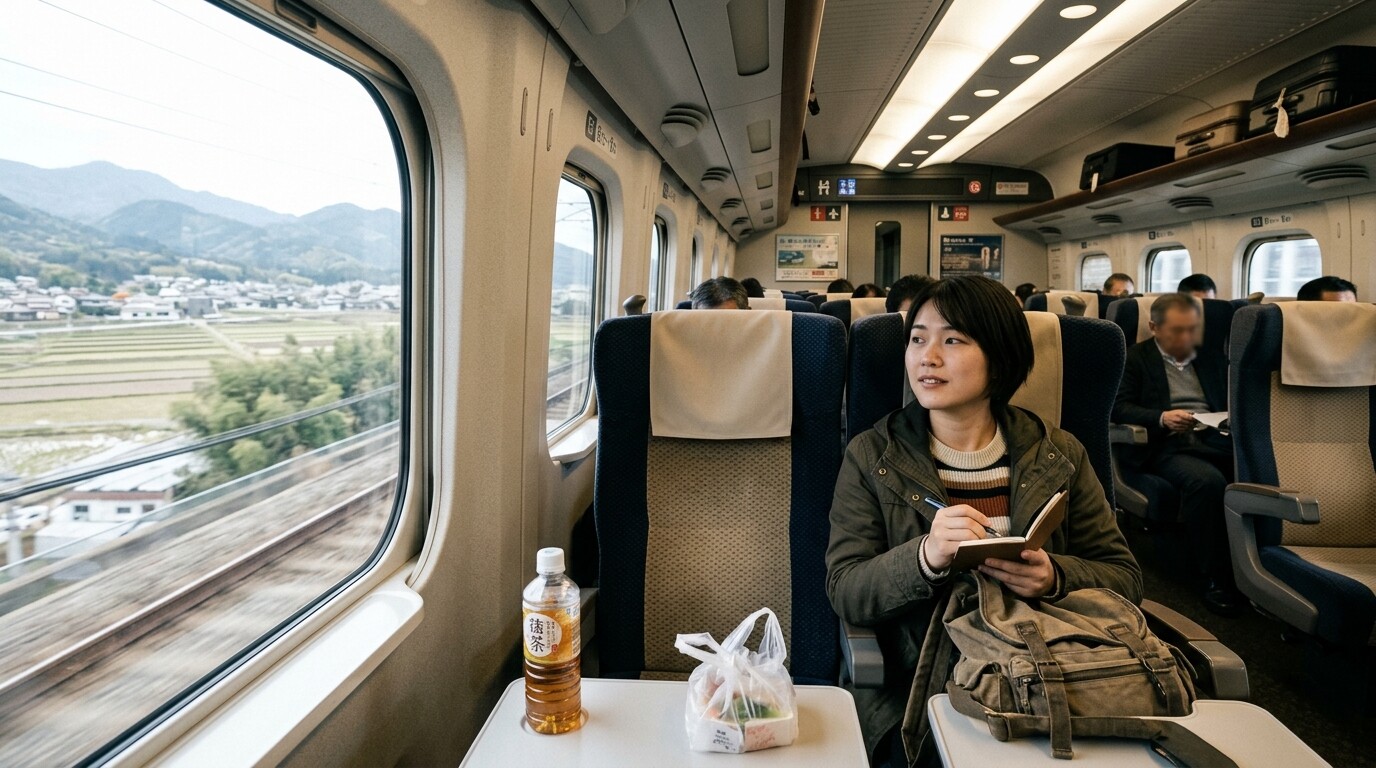
- Estación de salida: Estación de Tokio (o Shinagawa).
- Estación de llegada: Estación de Hakata (Fukuoka).
- Tren más rápido: El Nozomi Shinkansen de Tokio a Fukuoka.
- Tiempo de viaje: 4 horas y 52 minutos.
- Tarifa estándar: ¥23.390 (Asiento reservado).
- Frecuencia: Los trenes salen cada 20 minutos.
¿Cuánto dura el viaje en Shinkansen de Tokio a Fukuoka?
Comparativa de tipos de tren
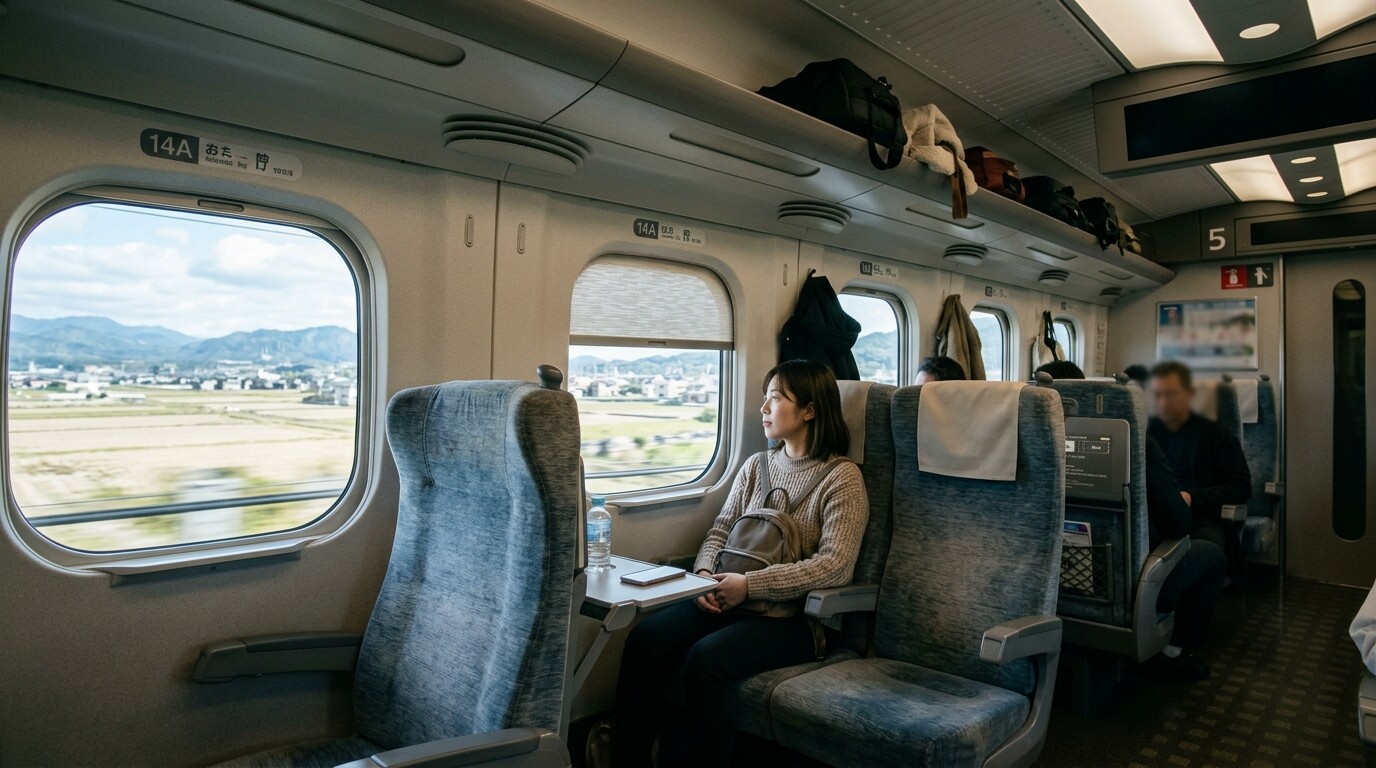
Las opciones pueden resultar abrumadoras. Elegir la categoría de tren adecuada marcará la diferencia en su experiencia de viaje por Japón.| Tipo de tren | Tiempo de viaje | Transbordos requeridos | Enlace de reserva |
|---|---|---|---|
| Nozomi (Más rápido) | 4h 52m | Ninguno (Directo) | Reservar Nozomi |
| Hikari + Sakura | 6h 15m | Uno (en Shin-Osaka) | Reservar Hikari |
| Kodama (Más lento) | 8h+ | Múltiples | No recomendado |
Precios de los billetes de tren de Tokio a Fukuoka en 2026/2026
Tarifas de un vistazo
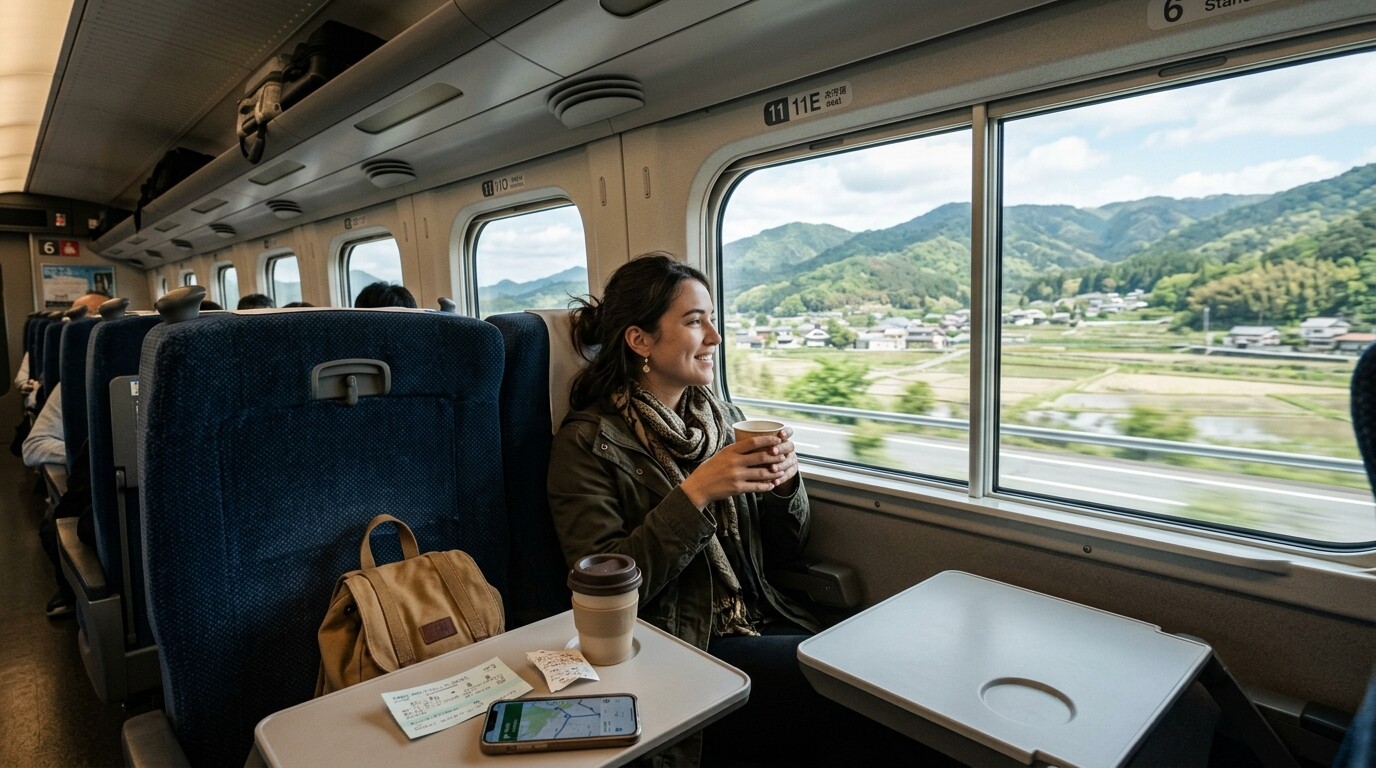
Presupuestar requiere datos muy específicos. Observe estos costes actualizados de los billetes del Shinkansen de Tokio a Fukuoka antes de decidir cómo quiere viajar por el campo japonés.| Clase de asiento | Precio estimado (JPY) | Nivel de confort | Acción |
|---|---|---|---|
| Sin reserva | ¥22.220 | Básico (Sin asiento garantizado) | Consultar disponibilidad |
| Reservado estándar | ¥23.390 | Cómodo (Configuración 2x3) | Reservar Estándar |
| Green Car | ¥30.650 | Premium (Configuración 2x2, más espacio) | Reservar Green Car |
Avión vs. Tren Bala a Fukuoka (La verdad honesta)
El factor equipaje
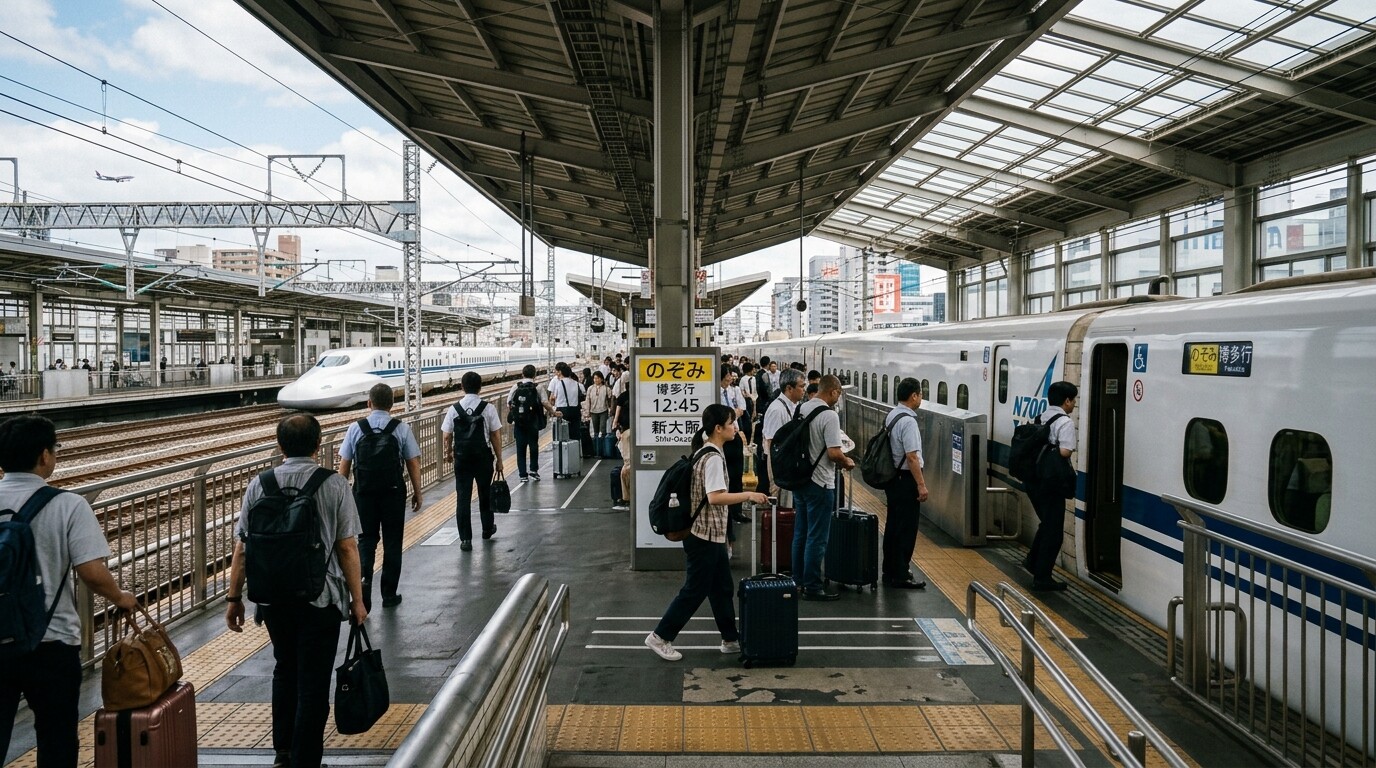
Las aerolíneas cobran elevadas tasas por maletas facturadas. El tren bala le permite llevar dos maletas grandes de forma totalmente gratuita, siempre que siga las reglas específicas del Shinkansen de Tokio a Fukuoka. Reserve el espacio adecuado. Debe asegurar un asiento específico para equipaje de gran tamaño si su maleta supera los límites estándar de equipaje de mano de las aerolíneas. Debería leer nuestra guía detallada Reglas de equipaje sobredimensionado en el Shinkansen: evite la multa de ¥1.000 antes de hacer las maletas.¿Qué lado tiene las mejores vistas de ventana en el Shinkansen de Tokio a Fukuoka?
La selección del asiento de ventana importa mucho. Para ver el Monte Fuji perfectamente desde el Shinkansen de Tokio a Fukuoka, debe reservar el Asiento E en el lado derecho. La montaña aparece bastante rápido. Aproximadamente cuarenta y cinco minutos después de salir de la capital, el icónico volcán nevado domina el horizonte norte durante kilómetros. Las vistas cambian constantemente. Tras pasar los principales centros industriales, obtendrá impresionantes destellos del Mar Interior de Seto cerca de la prefectura de Hiroshima. El asiento A tiene otras ventajas. El lado izquierdo del tren ofrece fantásticas vistas costeras a medida que se acerca a la costa norte de Kyushu. Elija su paisaje preferido. Adelántese y reserve en japantrain.net para asegurar ese codiciado asiento de ventana con vistas al Monte Fuji ahora mismo.La experiencia a bordo: Qué esperar
Los trenes japoneses Shinkansen de Tokio a Fukuoka son excepcionalmente silenciosos. No escuchará conversaciones telefónicas ruidosas ni niños llorando, porque la etiqueta cultural exige silencio absoluto durante el trayecto. Los baños del tren están impecables. Los equipos de limpieza desinfectan todo el tren en las estaciones terminales, asegurando que los inodoros de estilo occidental permanezcan prístinos durante todo el largo viaje. Las opciones de comida son limitadas. Debido a que los servicios tradicionales de carritos terminaron, debe confiar en pequeñas máquinas expendedoras o comprar aperitivos antes de subir. Prepare una buena comida. Puede reservar en japantrain.net sabiendo que tendrá mucho espacio en la mesa plegable para su almuerzo.Navegando por las estaciones de Tokio y Hakata
Las grandes estaciones causan mucha ansiedad. Pero seguir las prominentes señales azules de Shinkansen le guiará a través del caótico laberinto peatonal de la estación de Tokio al embarcar en el Shinkansen de Tokio a Fukuoka. Siempre dese tiempo extra. Encontrar su andén exacto entre las docenas de líneas de cercanías locales requiere paciencia durante la frenética hora punta de la mañana. La estación de Hakata es mucho más sencilla. El centro ferroviario más grande de Kyushu presenta un diseño lógico que le deja justo al lado del metro local. El aeropuerto está cerca. El aeropuerto de Fukuoka está literalmente a dos paradas de metro, lo que facilita las conexiones regionales para los pasajeros internacionales hoy en día. Asegure sus planes de viaje. Debería consultar los últimos precios en japantrain.net para garantizar su hora de salida preferida desde estos centros de transporte.Conexión desde Hakata a otros destinos de Kyushu
Su viaje en el Shinkansen de Tokio a Fukuoka no tiene por qué terminar en Fukuoka. La estación de Hakata sirve como la puerta de entrada definitiva al resto de Kyushu. Desde aquí, puede transbordar fácilmente al Kyushu Shinkansen, que se dirige al sur hacia Kumamoto y Kagoshima. Si desea visitar las famosas aguas termales de Beppu o Yufuin, los trenes express limitados como el Sonic y el Yufu salen directamente de los andenes de tren convencional de Hakata. Esta conectividad fluida hace que tomar el tren desde Tokio sea un excelente punto de partida para un itinerario más amplio por el sur de Japón.6 consejos de expertos para la ruta de Tokio a Fukuoka
Los veteranos saben cómo viajar de forma inteligente. He recopilado estas estrategias altamente específicas para el Shinkansen de Tokio a Fukuoka para ahorrarle dinero, tiempo y frustraciones innecesarias durante su viaje.- Compre un Ekiben en la estación de Tokio: Los carritos de comida han desaparecido. Debe comprar su caja bento tradicional de tren antes de subir, ya que el servicio de catering a bordo terminó en esta ruta.
- Reserve pronto los asientos para equipaje sobredimensionado: La última fila se agota rápido. Si las dimensiones de su maleta superan los 160 centímetros totales, necesita esta reserva específica para evitar una multa de ¥1.000.
- Utilice la estación de Shinagawa en su lugar: La estación de Tokio es excepcionalmente grande. Embarcar en Shinagawa es mucho más fácil, ya que el diseño de la estación es más pequeño y mucho menos confuso para los turistas.
- Vigile el calendario de festivos 2026/2026: Los trenes de la Golden Week están abarrotados. La Organización Nacional de Turismo de Japón señala que si viaja a principios de mayo o durante el periodo de Año Nuevo, debe asegurar los billetes con un mes de antelación.
- Elija un enchufe en el asiento de ventana: Cinco horas agotan las baterías de los teléfonos. Cada asiento de ventana en los modernos trenes N700S cuenta con un enchufe dedicado para mantener cargados sus dispositivos esenciales.
- Sáltese el JR Pass: Los billetes individuales suelen ser más baratos. A menos que planee múltiples viajes de ida y vuelta de larga distancia en siete días, comprar tarifas separadas del Shinkansen de Tokio a Fukuoka tiene más sentido matemático hoy en día.
Preguntas frecuentes
¿Cuánto dura el Shinkansen de Tokio a Fukuoka?
El Shinkansen Nozomi más rápido tarda exactamente 4 horas y 52 minutos en viajar desde Tokio hasta la estación de Hakata en Fukuoka. Los servicios más lentos que implican transbordos pueden tardar seis horas o más.
¿Cuánto cuesta un billete de Shinkansen de Tokio a Fukuoka?
Un asiento reservado estándar en el Shinkansen de Tokio a Fukuoka (Nozomi) cuesta aproximadamente ¥23.390. Los precios pueden variar ligeramente según la temporada y la clase de asiento.
¿Puedo usar el Japan Rail Pass en el tren Nozomi a Fukuoka?
No, el Japan Rail Pass no cubre totalmente el servicio Nozomi a menos que pague una tarifa suplementaria específica. Los titulares del pase suelen tomar los trenes Hikari y Sakura con un transbordo en Shin-Osaka en el Shinkansen de Tokio a Fukuoka.
¿A qué estación de Fukuoka llega el tren bala?
El Shinkansen llega a la estación de Hakata, que es el principal centro ferroviario de la ciudad de Fukuoka y la puerta de entrada al resto de Kyushu. No existe una estación llamada "Estación de Fukuoka" en la línea Shinkansen.
¿En qué lado del tren puedo ver el Monte Fuji de Tokio a Fukuoka?
Debe reservar un asiento en el lado derecho (Asiento E en clase estándar) cuando viaje en el Shinkansen de Tokio a Fukuoka para disfrutar de la mejor vista del Monte Fuji. La montaña aparece aproximadamente 45 minutos después de salir de Tokio.
¿Con qué frecuencia pasan los trenes de Tokio a Fukuoka?
Los trenes Shinkansen salen de la estación de Tokio hacia Fukuoka aproximadamente cada 20 minutos. Esta alta frecuencia convierte al Shinkansen de Tokio a Fukuoka en una de las formas más convenientes de viajar por Japón.