The Complete 2026 Kyoto Station Guide
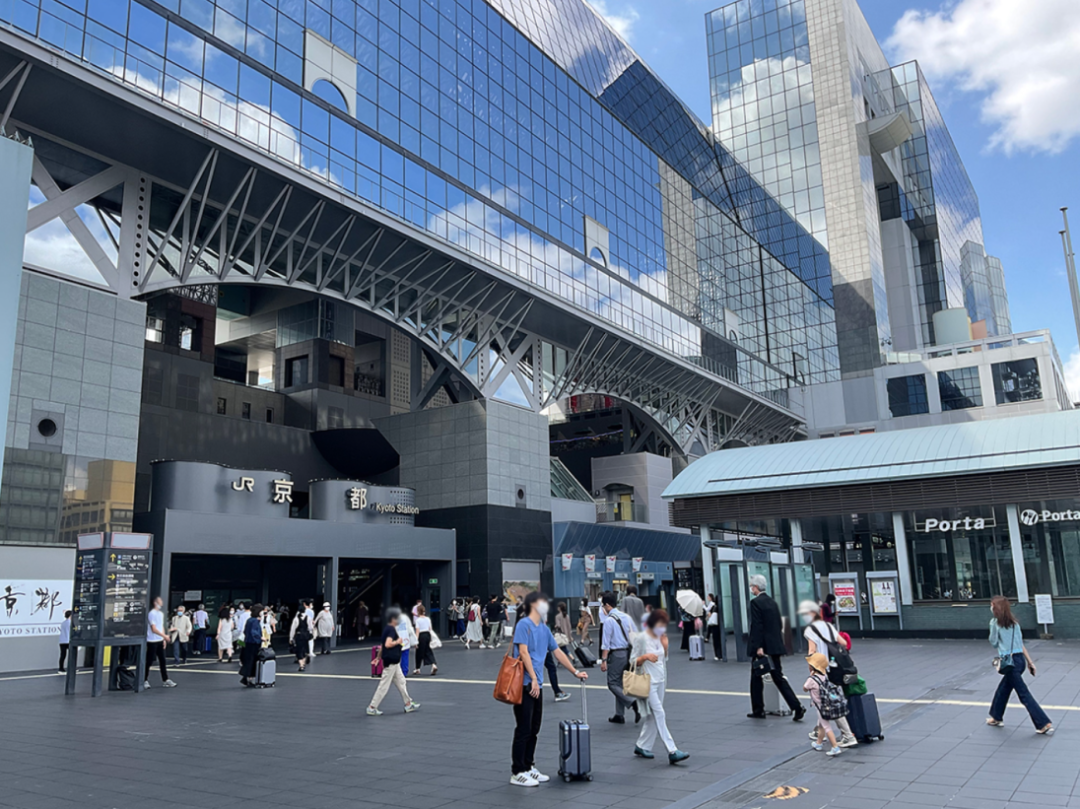
Kyoto Station brings together multiple transportation systems and serves as the starting point for exploring Kyoto. All city bus and tour bus stops are located here! When you arrive at Kyoto Station, do you know how to find the subway station? Where are the luggage storage lockers? And where can you buy a bus day pass? This article provides a complete breakdown of Kyoto Station to ensure you never get lost again.
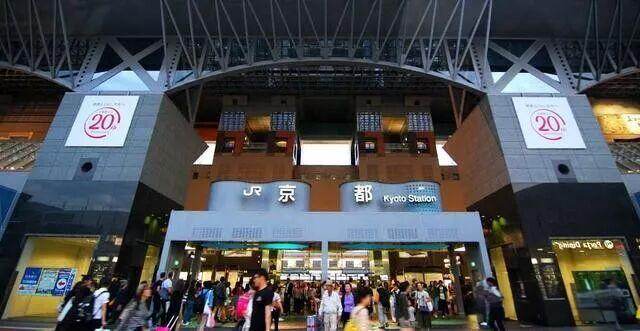
Quick Guide to Kyoto Station
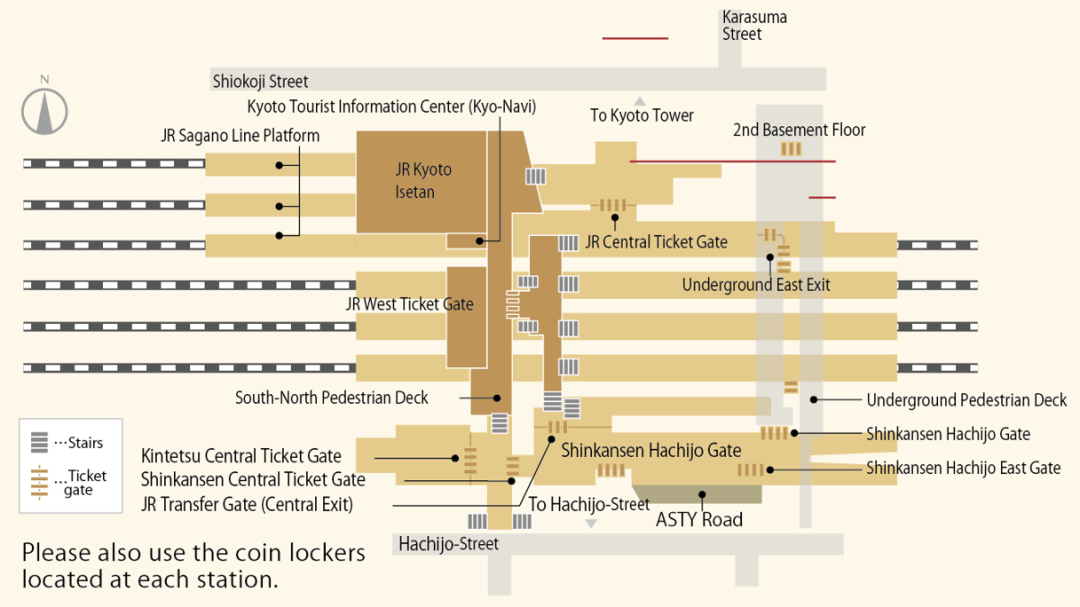
Kyoto Station integrates multiple transportation systems, including the subway, JR trains, Kintetsu Railway, buses, and taxis, making it a vital transportation hub in Kyoto. Whether traveling to attractions within Kyoto or to other cities, this station serves as a key transit point. The two main exits are the "Central Exit (Karasuma Exit)" on the north side and the "Hachijo Exit" on the south side.
North Side - Central Exit (Karasuma Exit):
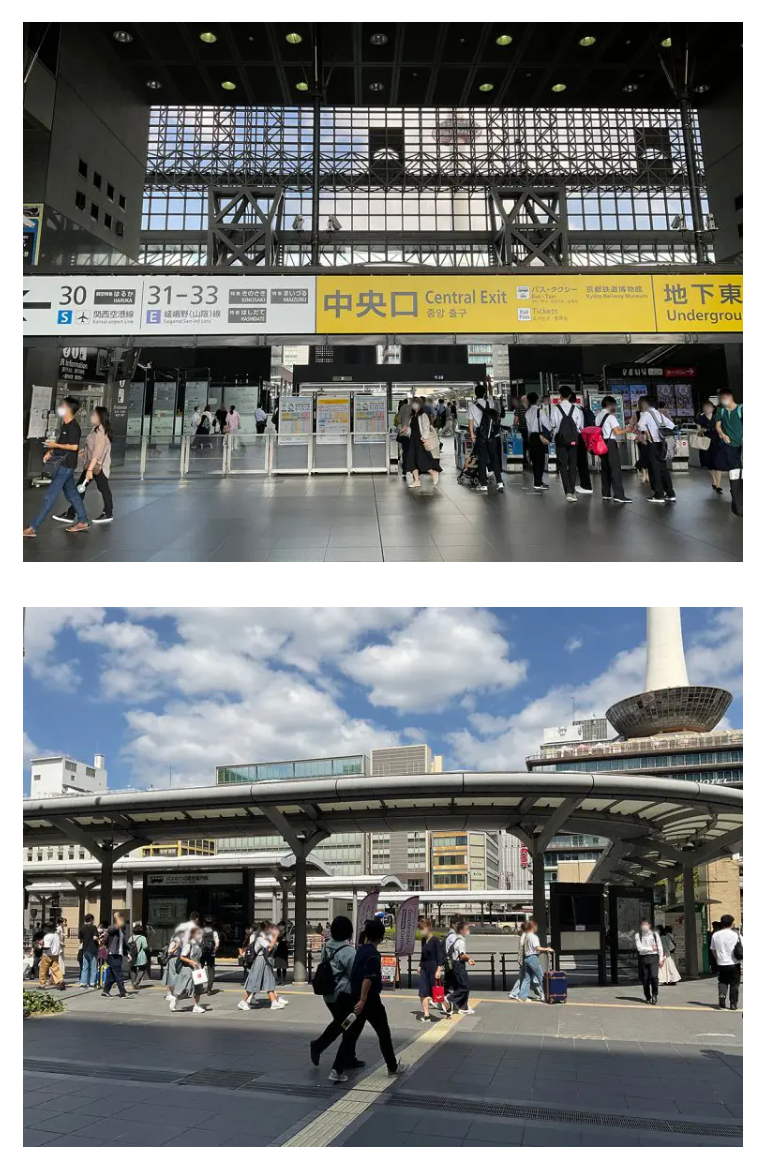
The north side serves as the main entrance of the station and is the exit most commonly used by general tourists. Directly across is the well-known Kyoto Tower. This area brings together bus stops, JR lines, the subway, and taxi stands. Additionally, it offers shopping options such as the Isetan department store.
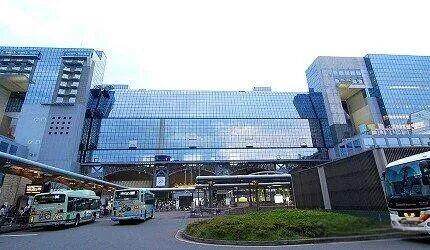
South Side - Hachijo Exit:
The south side of Kyoto Station is the Hachijo Exit, which primarily provides access to Kintetsu Railway, the JR Shinkansen Central Exit, highway buses, and taxi stands. Nearby shopping centers include AEON and Avanti.
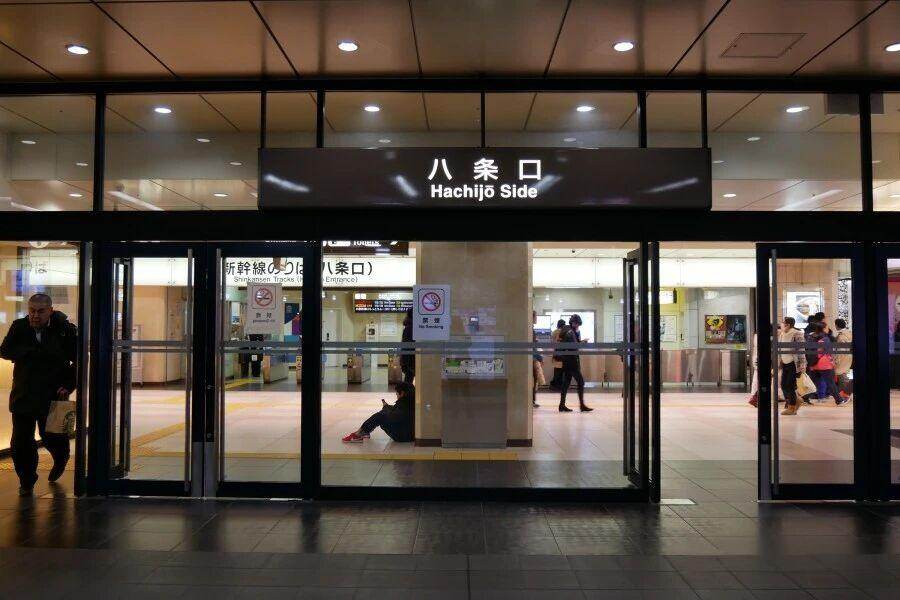
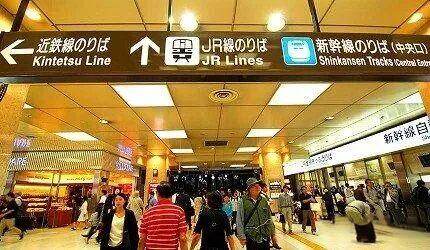
Kyoto Station integrates multiple train systems, which can be broadly categorized into four types: JR, Shinkansen, Kyoto Municipal Subway, and Kintetsu Railway. Upon entering the station, you will notice clear signage in both Japanese and English, making it easy to navigate.
How to Ride the Shinkansen
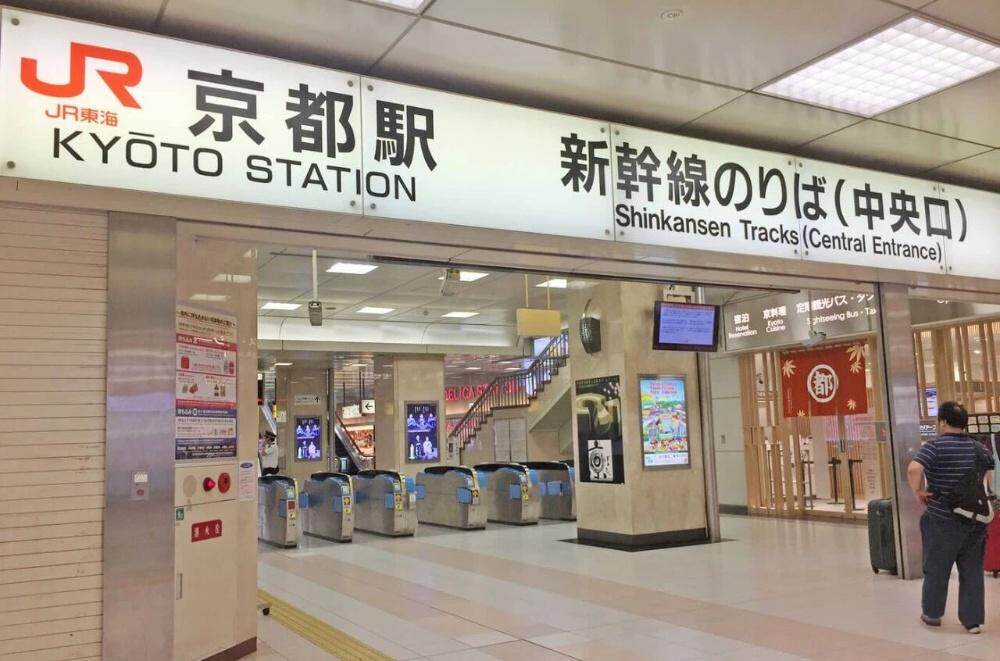
The Shinkansen "Central Exit" serves as the main ticket gate. It is located near the JR Central Exit. From the main entrance of Kyoto Station, walk straight through the North-South Free Passageway and follow the signs for the Shinkansen to reach the Shinkansen Central Exit. On the left side, you will find the Midori-no-Madoguchi (Ticket Office) and ticket vending machines.
How to Ride JR Trains
The main JR lines and platforms departing from Kyoto Station are as follows. JR services include local, rapid, special rapid trains, and the direct "HARUKA Limited Express" to Kansai Airport. For destinations such as Sagano Arashiyama, Fushimi Inari, Uji, Shiga, and Osaka, JR conventional lines are more convenient.
Due to the large number of platforms, it is advisable to check the platform number for your train in advance or follow the signage indicators. After passing through the ticket gates, platform numbers and route directions are clearly displayed. Note that departure platforms may change depending on the time of day, so please confirm details at the station.
Platform Assignments:
- JR Takayama Line Limited Express Hida: Platform 0
- JR Kusatsu Line: Platform 0
- JR Biwako Line (to Lake Biwa, Ōtsu): Platforms 0, 2, 3
- JR Chizu Express Line (to Tottori): Platform 6
- JR Kyoto Line (to Osaka): Platforms 6, 7
- JR Nara Line (to Nara, Uji, Fushimi): Platforms 8, 9, 10
- JR Limited Express Haruka (to Kansai Airport): Platforms 6, 7, 30
- JR Sagano Line/Sanin Line (to Arashiyama, Fukuchiyama, Amanohashidate): Platforms 31–34
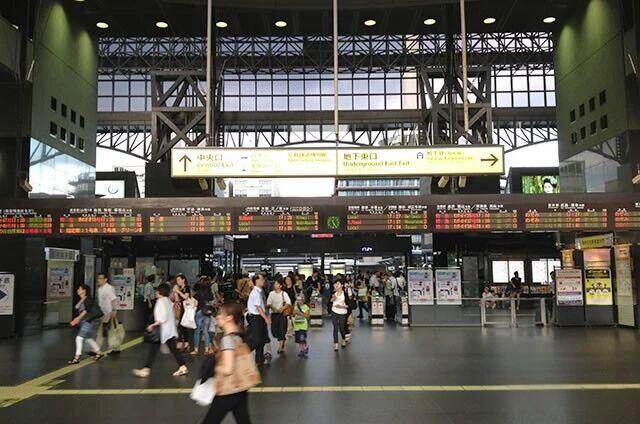
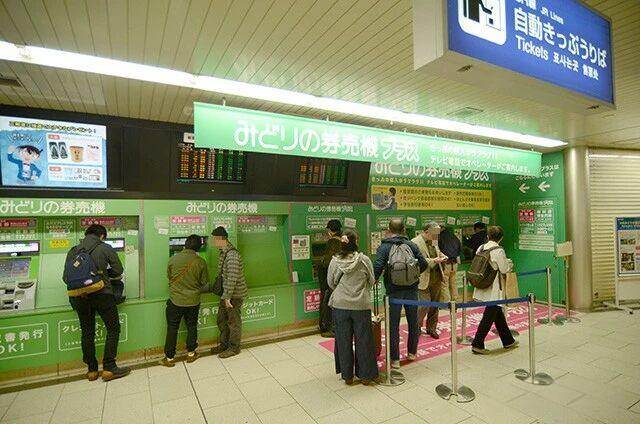
The most frequently used "Central Exit" features large display boards showing train schedules, an information counter, and a JR Ticket Office (Midori-no-Madoguchi). To the left, a row of ticket vending machines with English language options provides convenient service. Further left is the JR Ticket Office, where travelers can purchase JR Passes or non-same-day tickets. English-speaking staff are available at dedicated counters for foreign tourists. To the right, a railway information counter offers assistance from station staff for any ticketing inquiries.
How to Ride the Subway
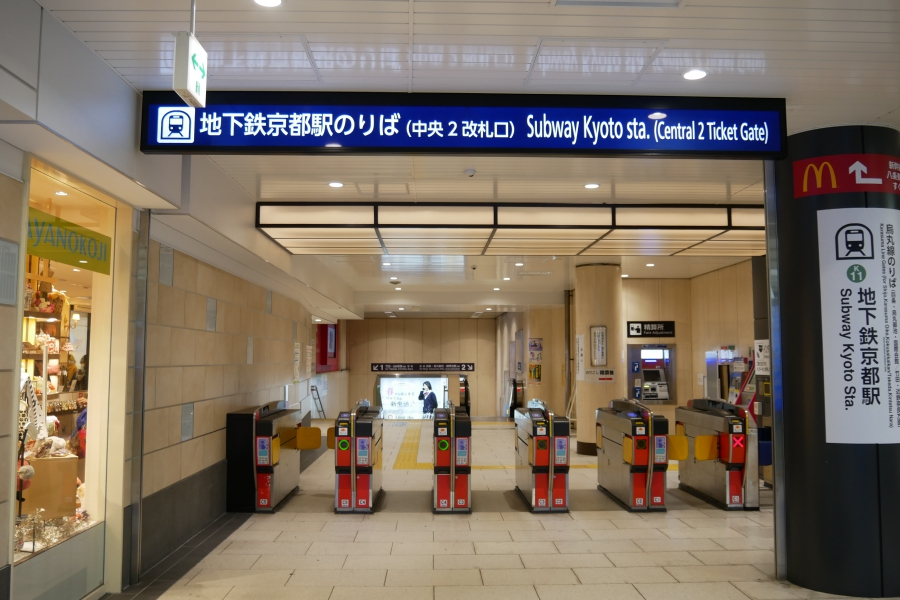
The subway is located on B2 Floor of Kyoto Station, with four entrances: North Ticket Gate, Central 1 Ticket Gate, Central 2 Ticket Gate, and South Ticket Gate. The JR Underground East Exit Ticket Gate is near the Central 2 Ticket Gate, making it the most convenient transfer point between the subway and JR lines. The subway has six exits: Exits 1-2 lead to Shiokoji Street, Exit 5 to the station’s north side and plaza, and Exit 6 to the bus terminal, taxi stands, and Porta Underground Shopping Street. The subway operates two lines—the Tozai Line (East-West) and Karasuma Line (North-South)—with Kyoto Station on the Karasuma Line. For central Kyoto, disembark at Karasuma Oike, Kyoto Shiyakusho-mae (City Hall), or Sanjo Keihan; for Nijo Castle, use Nijojo-mae Station.
How to Take City Buses and Long-Distance Buses
The city bus terminal is located directly in front of the Central Exit (Karasuma Exit) of Kyoto Station, near Kyoto Tower. Its distinctive white curved roof makes it easily recognizable.
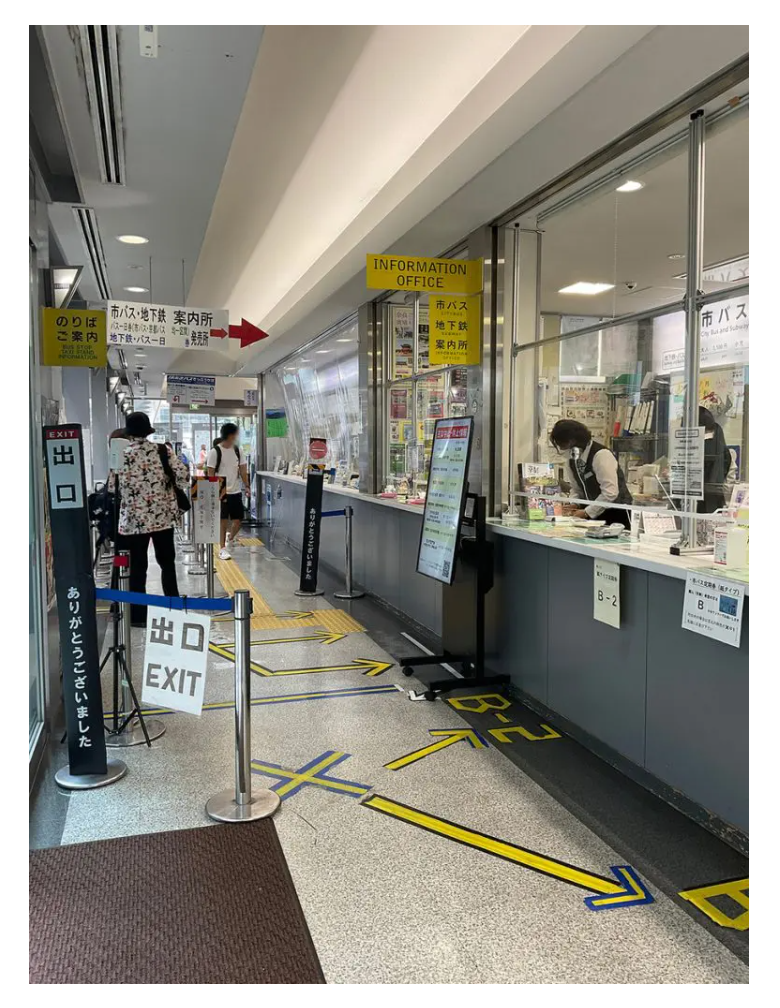
The ticket center is located near the comprehensive information board at the bus terminal, housing the City Bus & Subway Service Counter. If you are unsure which line to take, you can ask the staff for assistance.
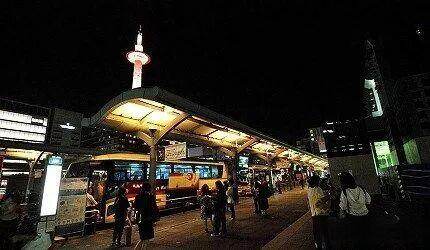
Most long-distance bus stops are located at the "Hachijo Exit", directly opposite Kyoto Tower. This area includes night buses and some tour buses, as well as sightseeing buses to Miyama. There are multiple boarding points here, and you can find their specific locations and information at the rest area near the Kintetsu Railway section of the Hachijo Exit.
When purchasing long-distance bus tickets, you will usually be informed of the boarding location. When boarding, refer to the signage and follow the indicators. Most bus stops do not have staff, so simply arrive at the designated boarding point at the time specified on your ticket.
How to Store Luggage at Kyoto Station
Kyoto Station offers two luggage storage options to suit different needs:
1. Self-Service Coin Lockers
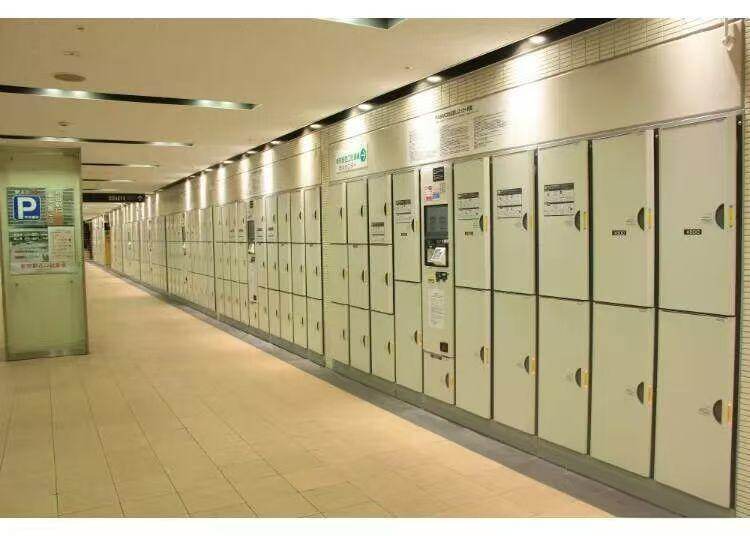
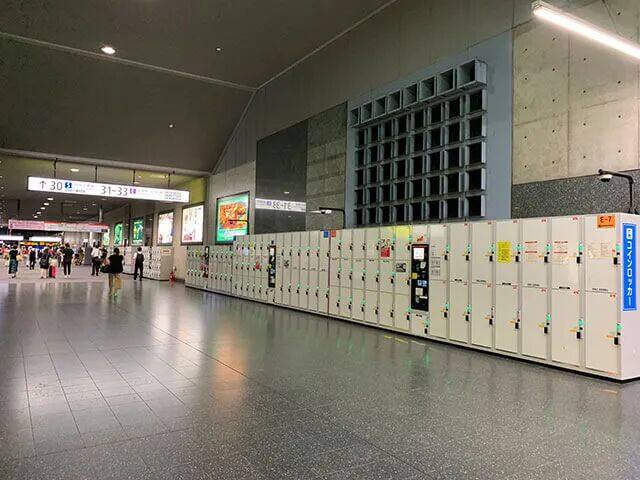
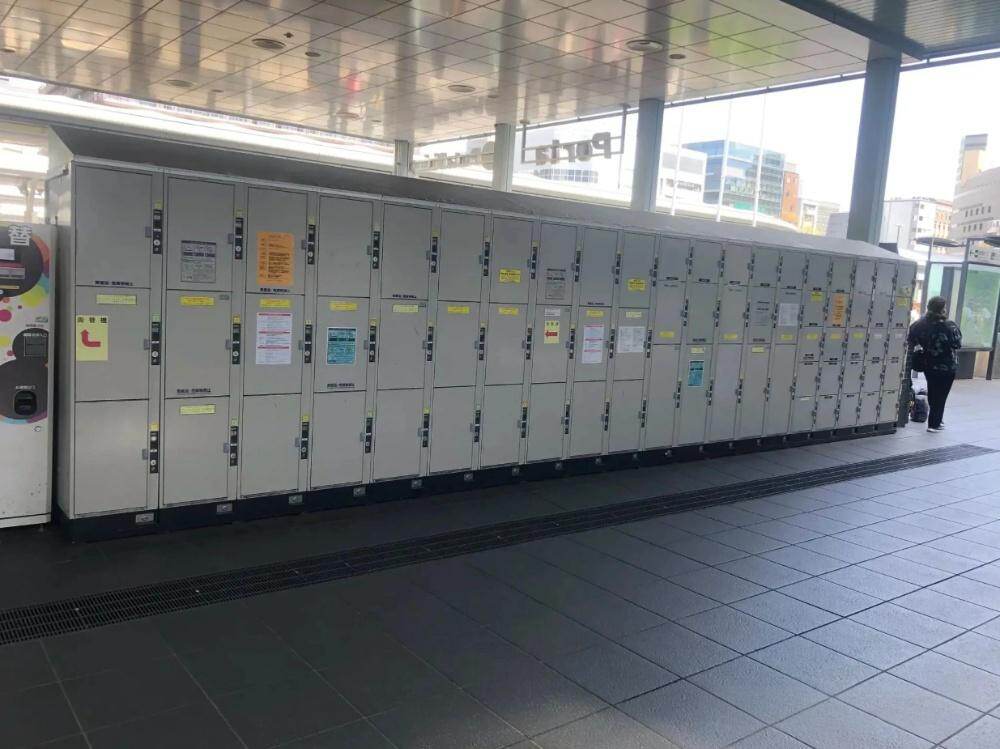
Coin-operated lockers are available in multiple areas of the station. They are ideal for short-term storage and offer longer operating hours compared to manual luggage services. The lockers come in various sizes with corresponding fees. Since they are scattered across different locations, please note your locker’s specific area for retrieval. Look for the locker icon (a suitcase and key symbol) on station maps or JR floor plans.
- Duration: Lockers can be used for up to 3 days.
- Payment: Additional fees are automatically charged starting at 2:00 AM daily.
Luggage Storage Counter
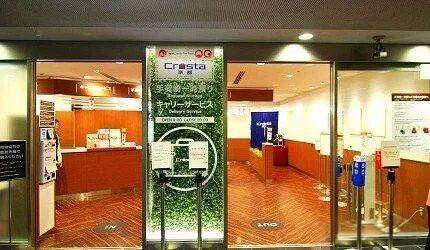
If the coin-operated lockers are full or your luggage is too large, you can use the luggage storage counter located on the B1 Floor of Kyoto Station, next to the JR Underground Central Exit. Staff will inspect your items and provide a storage receipt, which you’ll use to retrieve your luggage later.
Business Hours: 8:00 AM - 8:00 PM.
Kyoto Station Tourist Information Center
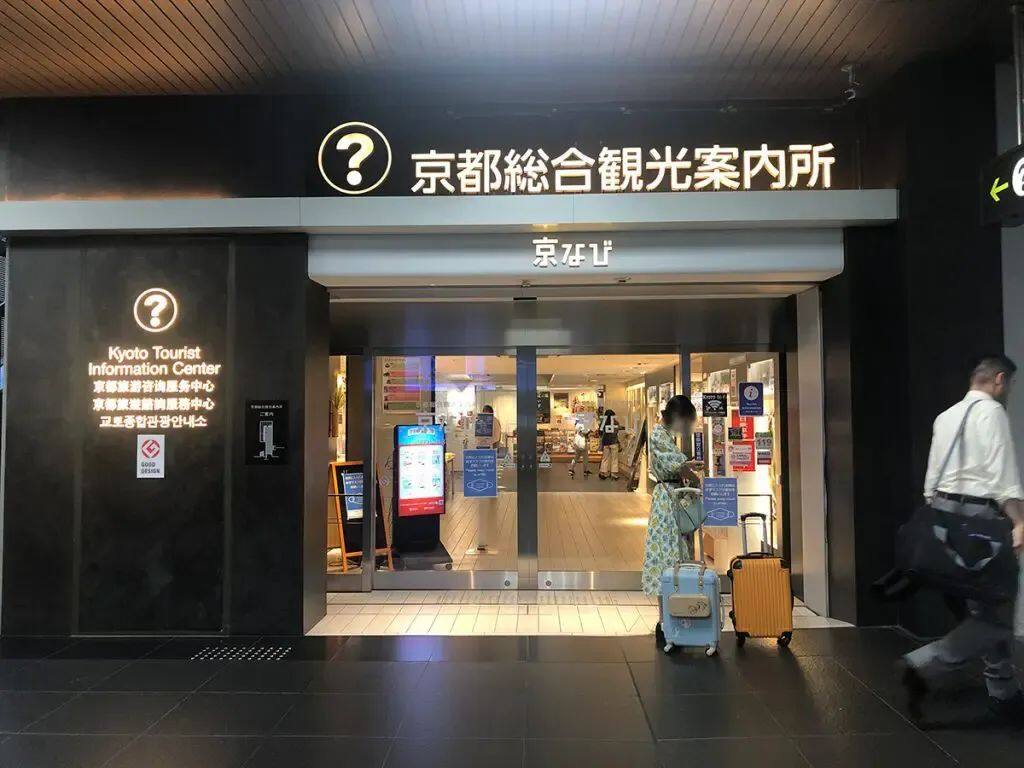
The Kyoto Tourist Information Center, located on the second floor, offers comprehensive support for international visitors. Its multilingual staff, fluent in English, Chinese, Korean, and other languages, provides maps, sightseeing advice, and hotel reservations.
The "KYOTO Tourist Information Center," newly established in 2023, is located near the Hachijo Exit on the first floor and offers extended services such as tour guide reservations, luggage storage, and rentals of strollers and barrier-free facilities.
Both centers offer information on traditional cultural events and can assist with arranging special activities such as tea ceremony experiences and kimono rentals, making them essential information hubs for first-time visitors to Kyoto.
Travel Tips
Always arrive at Kyoto Station early to allow plenty of time for your Shinkansen departure and ensure a smooth ride. The station is massive and perpetually crowded (especially during peak hours), so arriving early can ease your travel stress and prevent unexpected incidents before departure.
Kyoto Station itself is a destination worth exploring—you can ascend the skywalk for panoramic views of the city, browse the shops and restaurants showcasing Kyoto specialties, or simply soak in the station's strikingly modern architecture.
It's recommended to book your Shinkansen tickets in advance through Japan Train: the platform offers multilingual support and supports QR code e-ticket collection, making your journey even more worry-free.