Destination
Discover the beauty of Japan. Book Shinkansen tickets directly to these amazing cities and destinations.
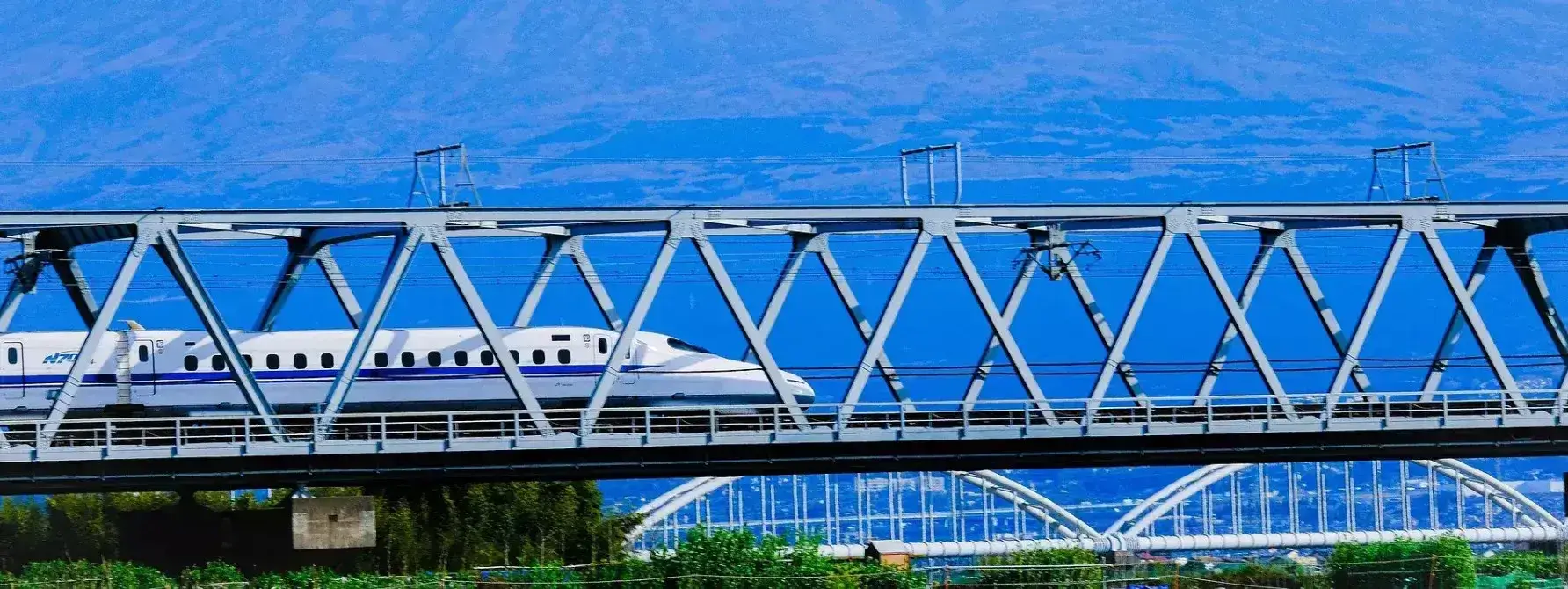
Discover the beauty of Japan. Book Shinkansen tickets directly to these amazing cities and destinations.
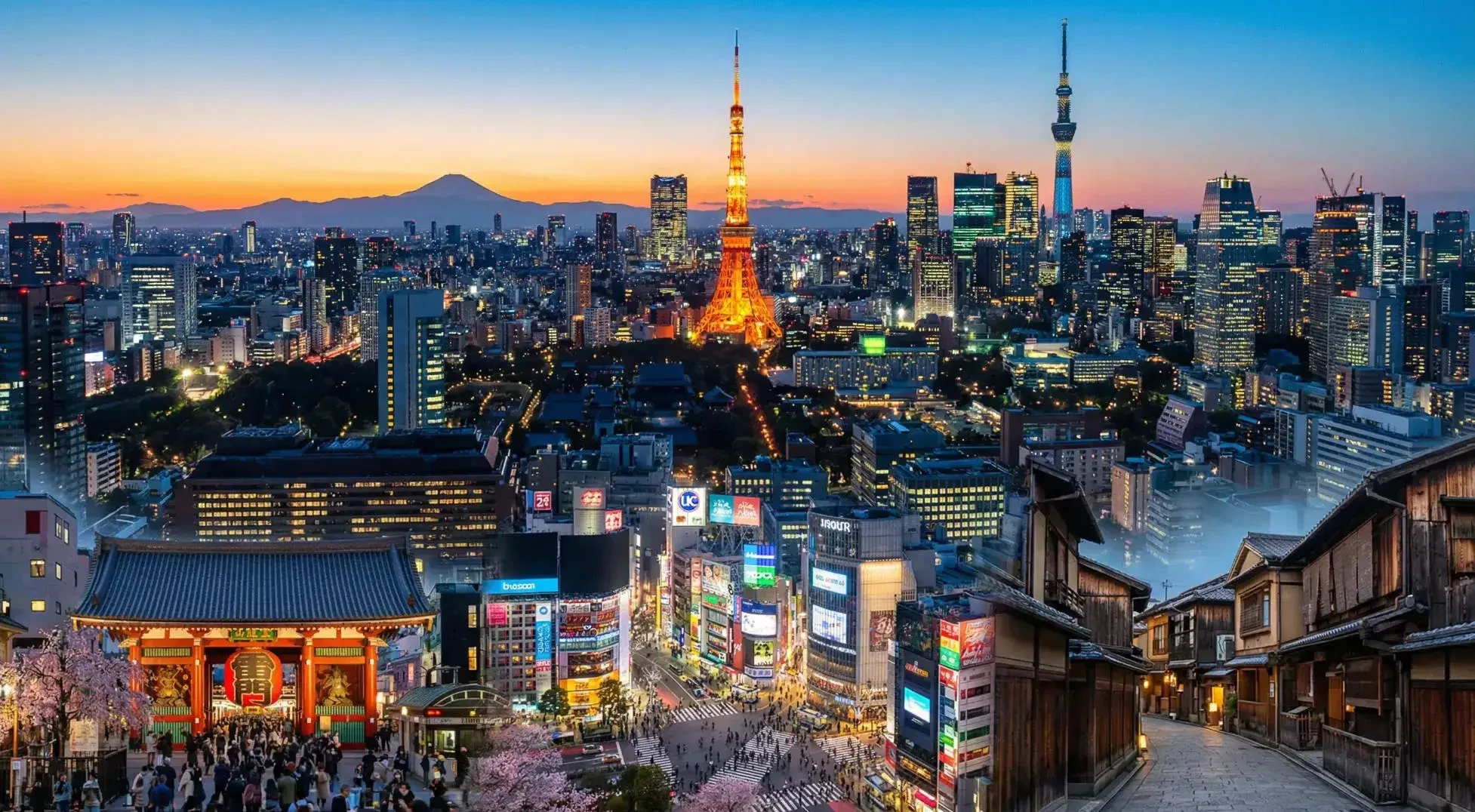
Tokyo, Japan’s busy capital, mixes the ultramodern and the traditional, from neon-lit skyscrapers to historic temples. The opulent Meiji Shinto Shrine is known for its towering gate and surrounding woods. The Imperial Palace sits amid large public gardens. The city's many museums offer exhibits ranging from classical art (in the Tokyo National Museum) to a reconstructed kabuki theater (in the Edo-Tokyo Museum).
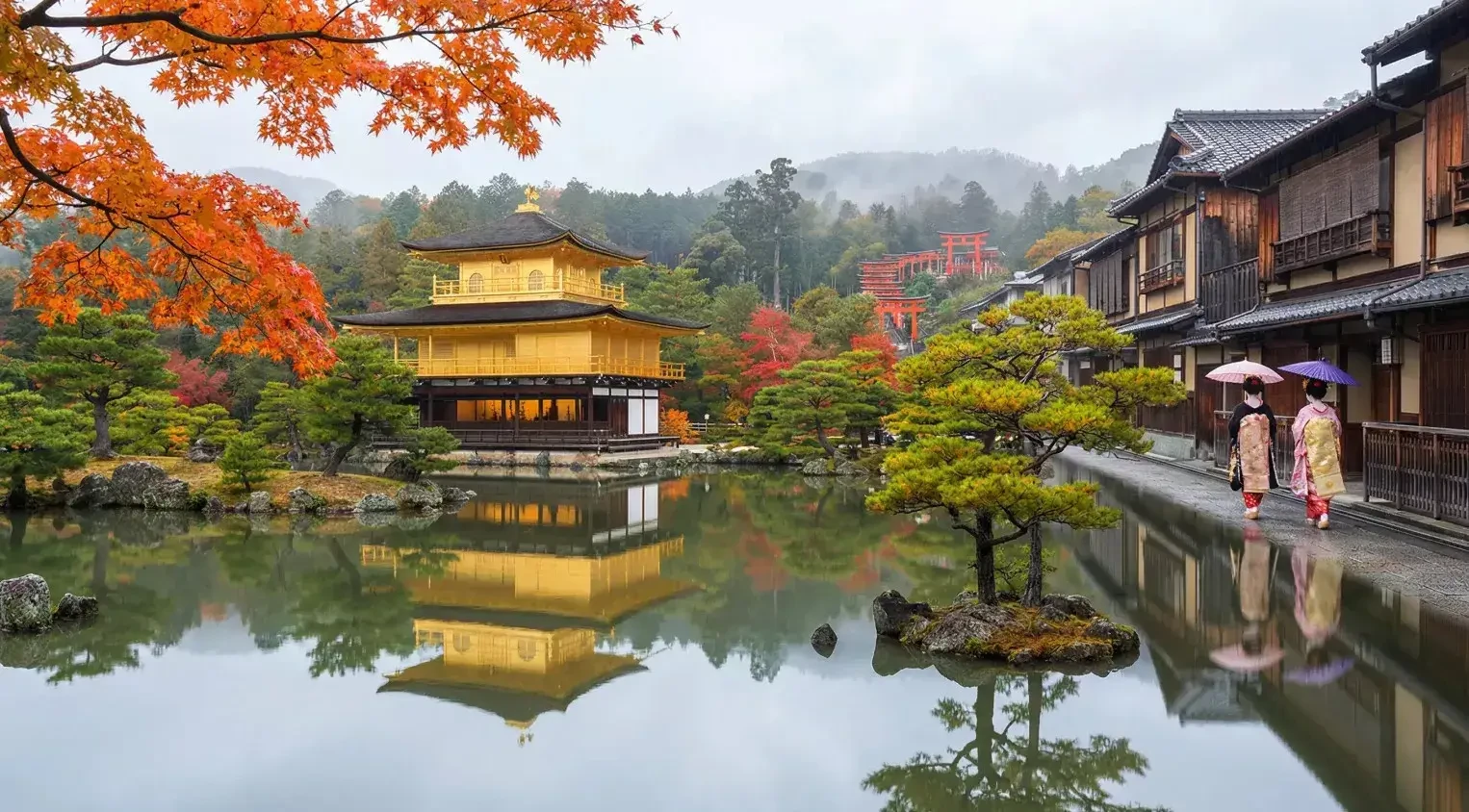
Kyoto, once the capital of Japan, is a city on the island of Honshu. It's famous for its numerous classical Buddhist temples, as well as gardens, imperial palaces, Shinto shrines and traditional wooden houses. It’s also known for formal traditions such as kaiseki dining, consisting of multiple courses of precise dishes, and geisha, female entertainers who can be found mostly in the Gion district.
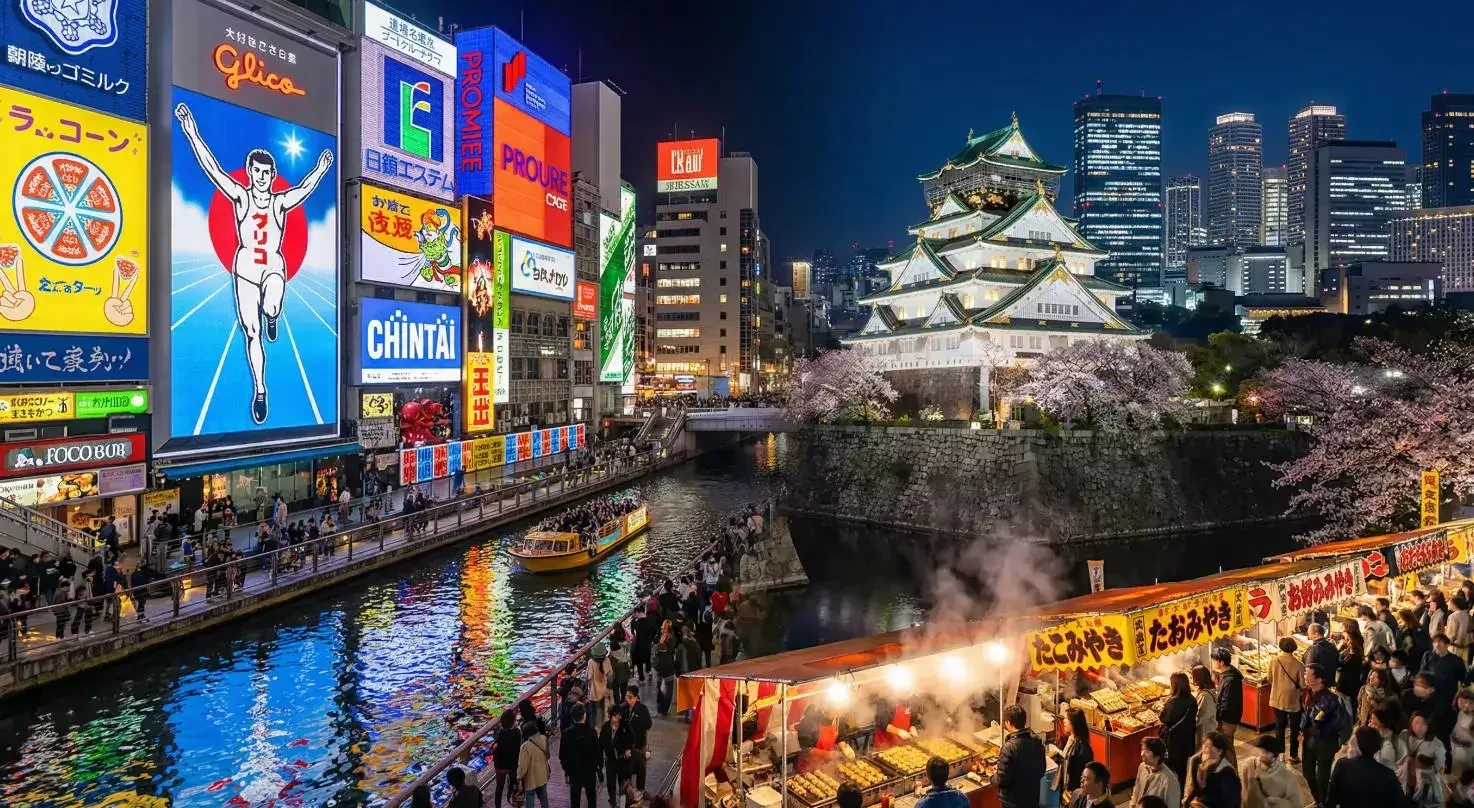
Osaka is a large port city and commercial center on the Japanese island of Honshu. It's known for its modern architecture, nightlife and hearty street food. The 16th-century Osaka Castle, which has undergone several restorations, is its main historical landmark. It's surrounded by a moat and park with plum, peach and cherry-blossom trees. Sumiyoshi-taisha is among Japan’s oldest Shinto shrines.
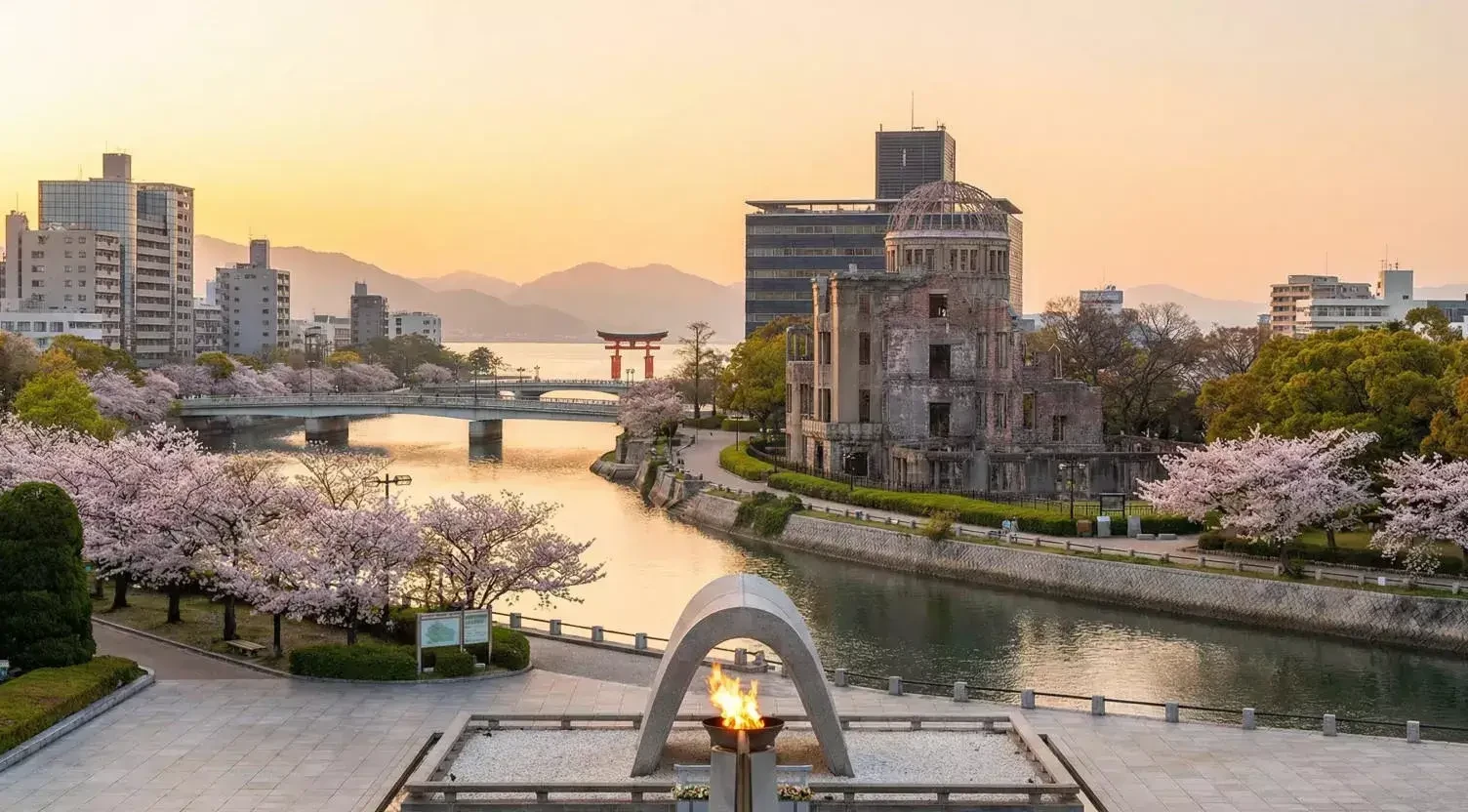
Hiroshima is a modern city on Japan's Honshu Island, largely destroyed by an atomic bomb during World War II. Hiroshima Peace Memorial Park commemorates the 1945 event. In the park, the ruins of Genbaku Dome are one of the few buildings that was left standing near ground zero. Other prominent sites include Shukkei-en, a formal Japanese garden, and Hiroshima Castle.
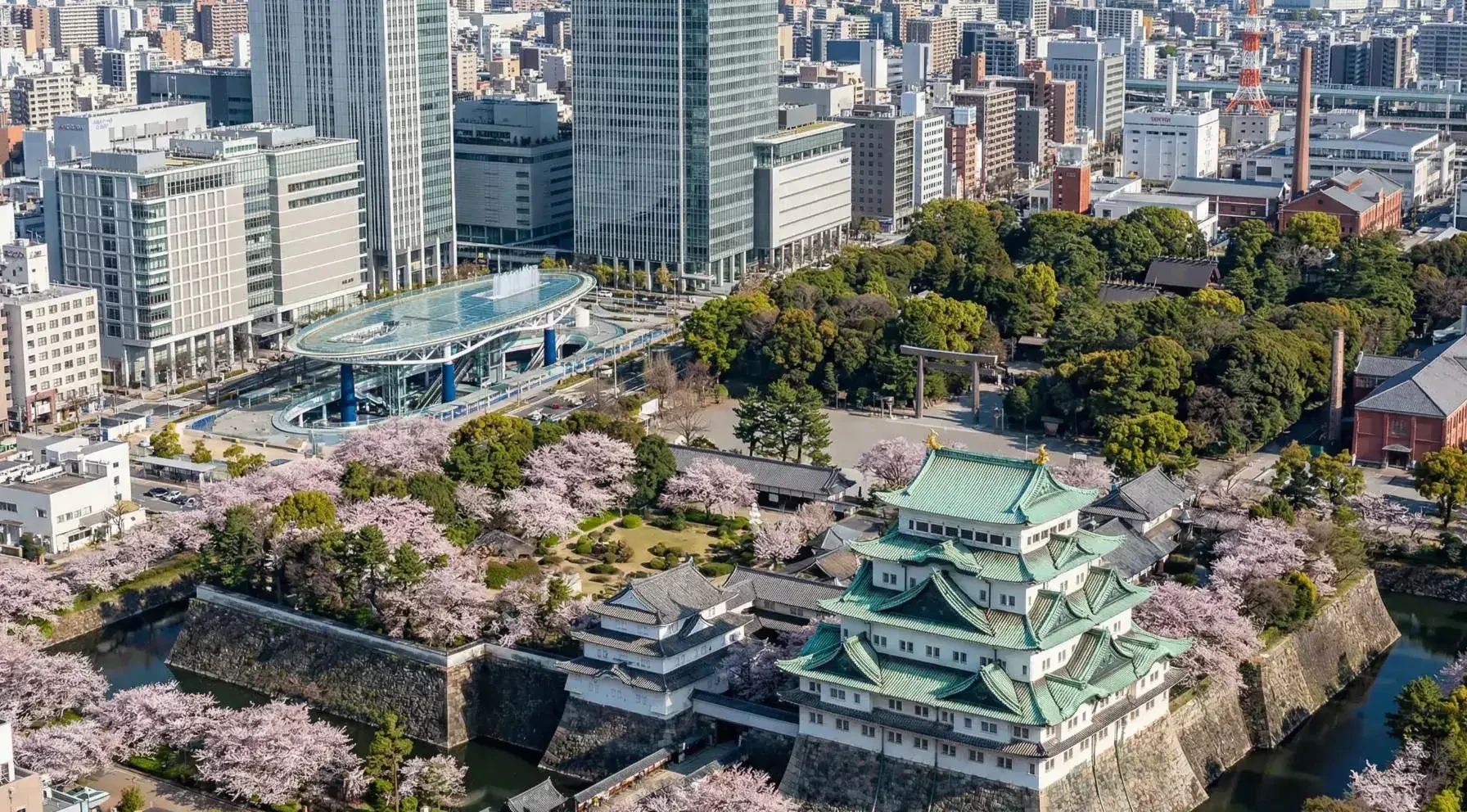
Nagoya, Japan’s fourth-largest city, is an industrial hub and the birthplace of Toyota. It is known for the Nagoya Castle, the Atsuta Shrine, and the Toyota Commemorative Museum of Industry and Technology. It's also a great base for day trips to the Kiso Valley and Takayama.
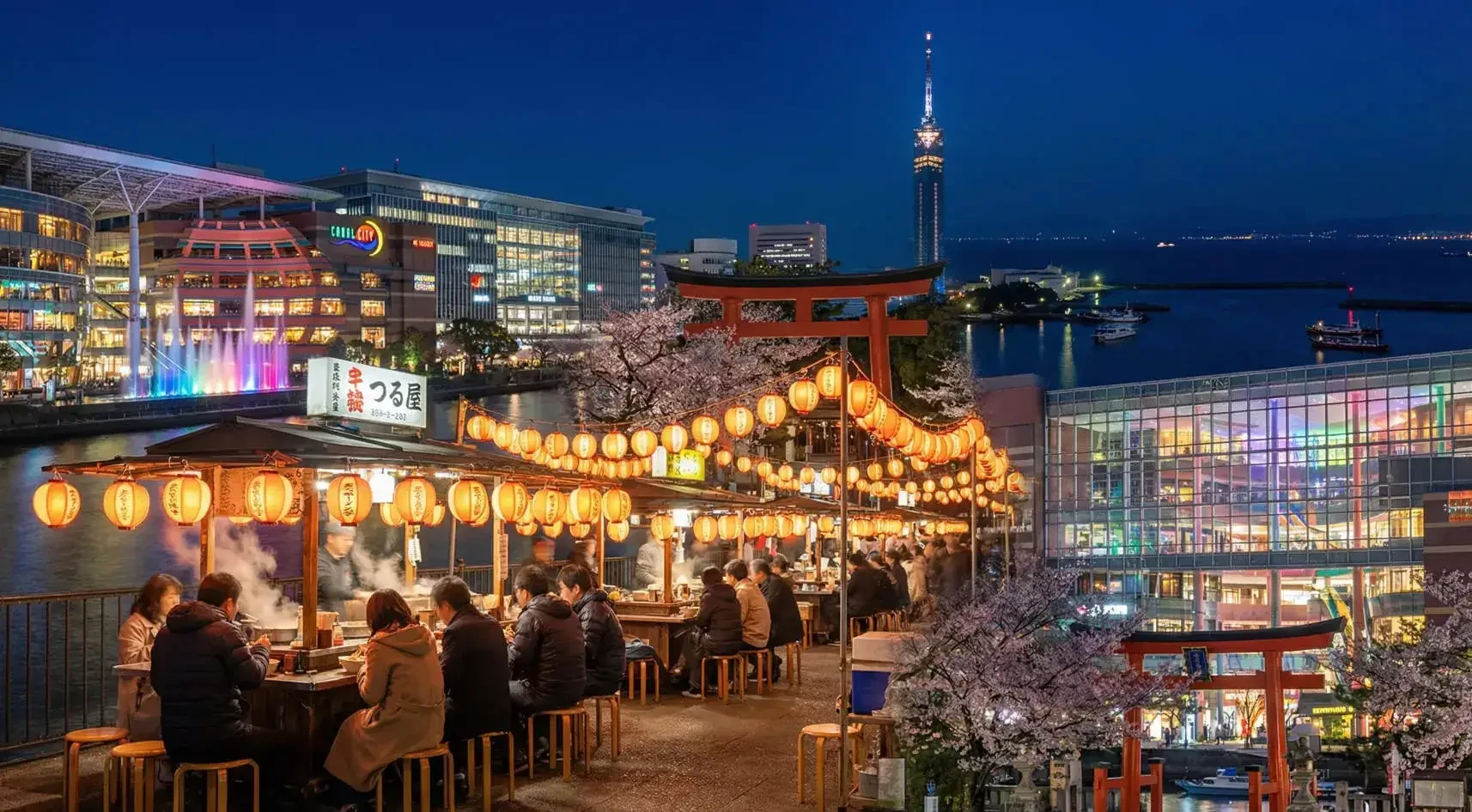
Fukuoka, the capital of Fukuoka Prefecture, sits on the northern shore of Japan’s Kyushu Island. It’s known for ancient temples, beaches and modern shopping malls, including Canal City. Maizuru Park contains ruins of 17th-century Fukuoka Castle. The city is famous for its open-air food stands (yatai) serving tonkotsu ramen.
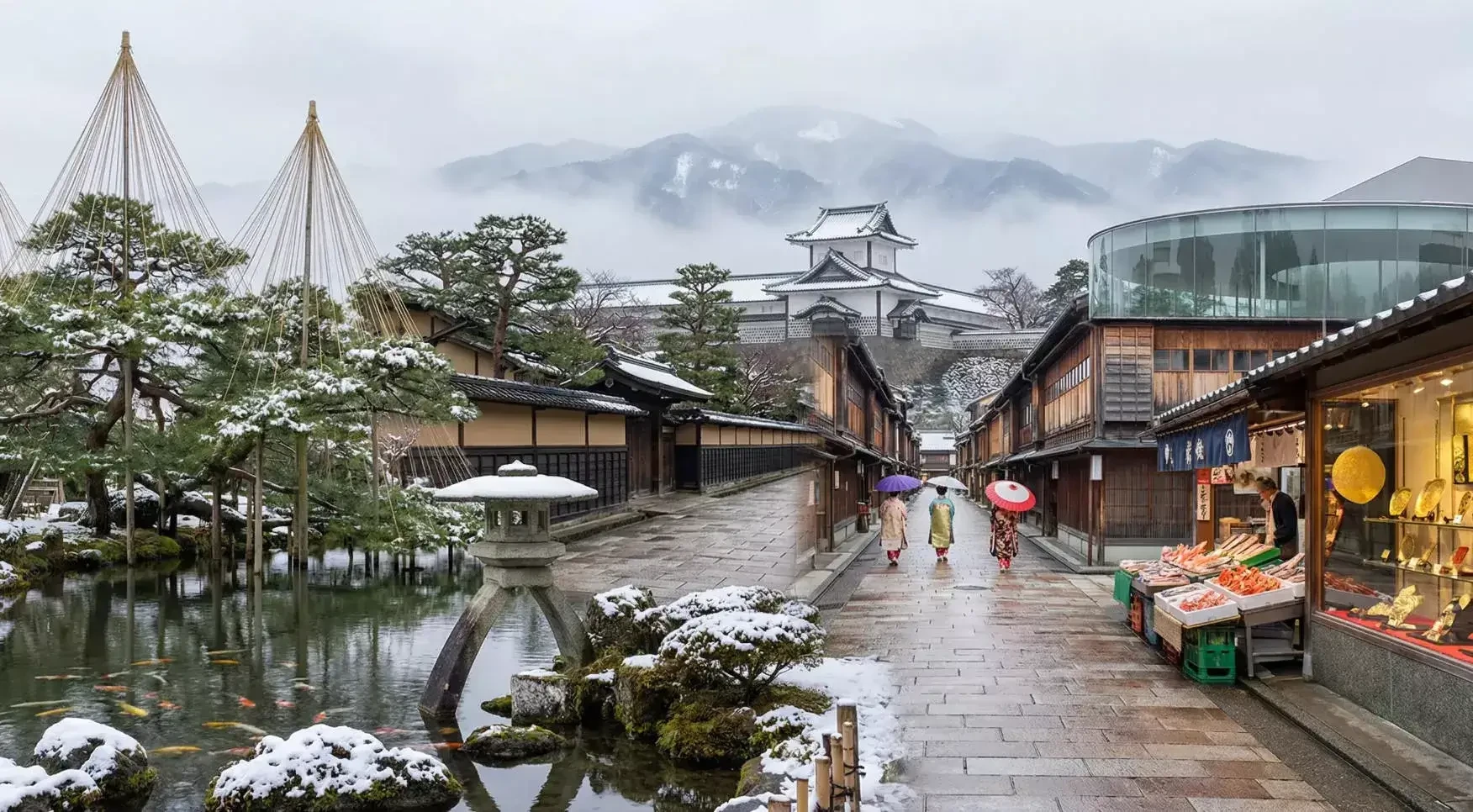
Kanazawa is the capital of Ishikawa Prefecture, on Japan’s central Honshu Island. It's known for well-preserved Edo-era districts, art museums and regional handicrafts. Kenrokuen Garden, begun in the 17th century, is celebrated for its classic landscape designs of ponds and streams. It is considered one of Japan's three best gardens.
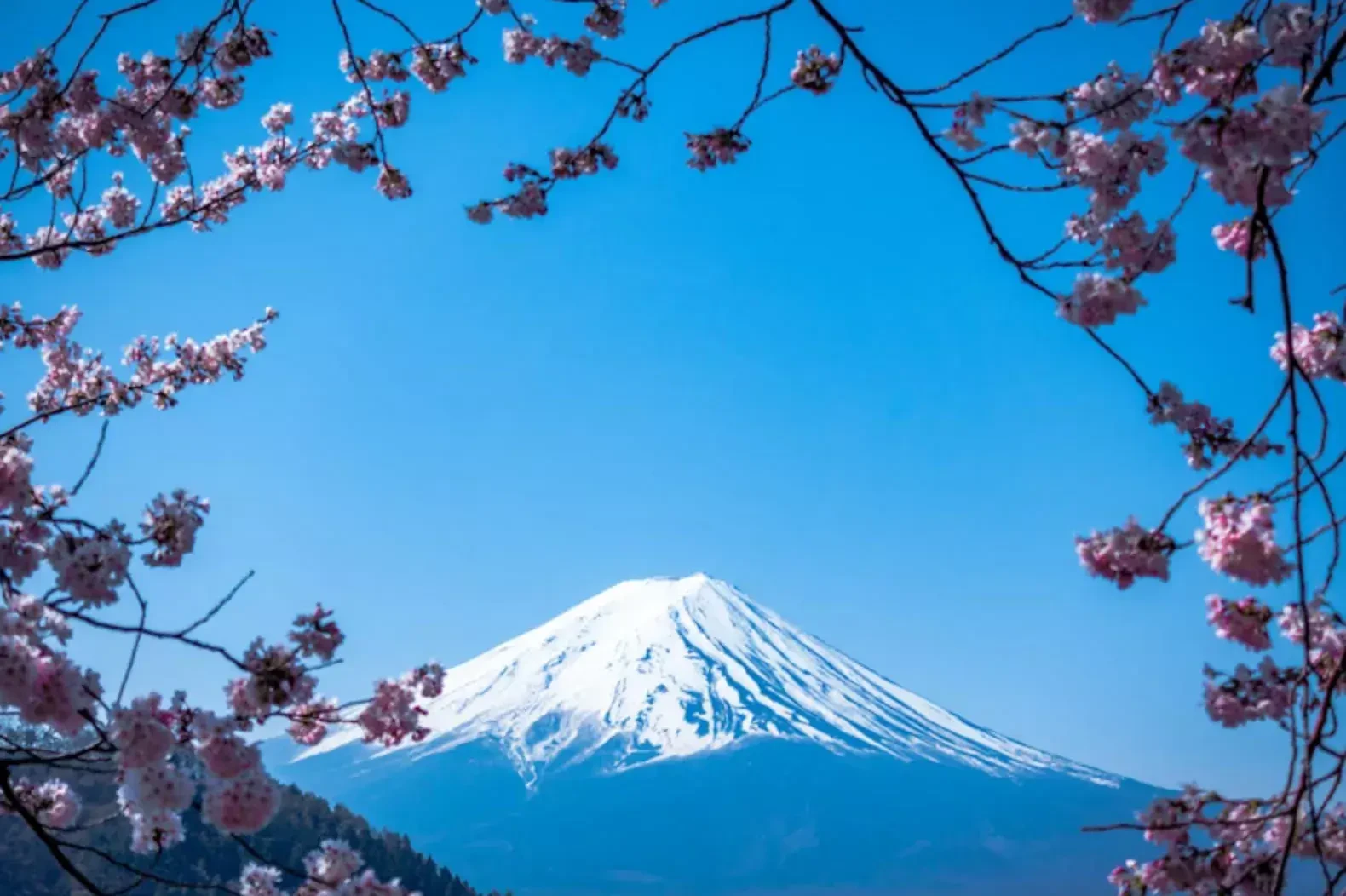
Mount Fuji, Japan's highest mountain, is an active volcano about 100 kilometers southwest of Tokyo. Commonly called 'Fuji-san,' it's the country's tallest peak, at 3,776 meters. A pilgrimage site for centuries, it's considered one of Japan's 3 sacred mountains. The area around the mountain includes the Fuji Five Lakes and Hakone.
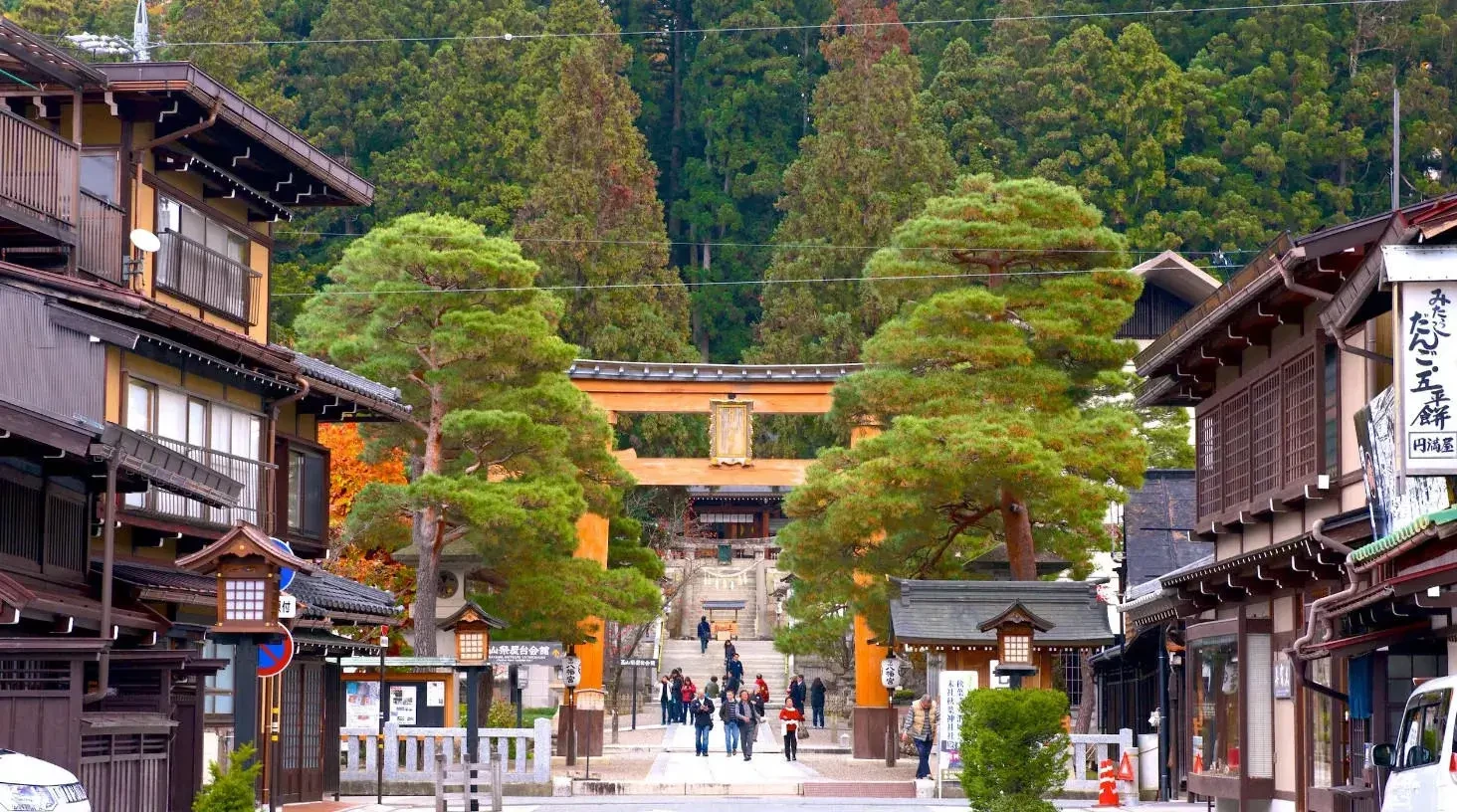
Takayama is a city in the mountainous Hida region of Gifu Prefecture. It is famous for the Sannomachi Historic District, with its preserved Edo-period wooden merchants' houses. The bi-annual Takayama Festival is one of Japan's most beautiful festivals.
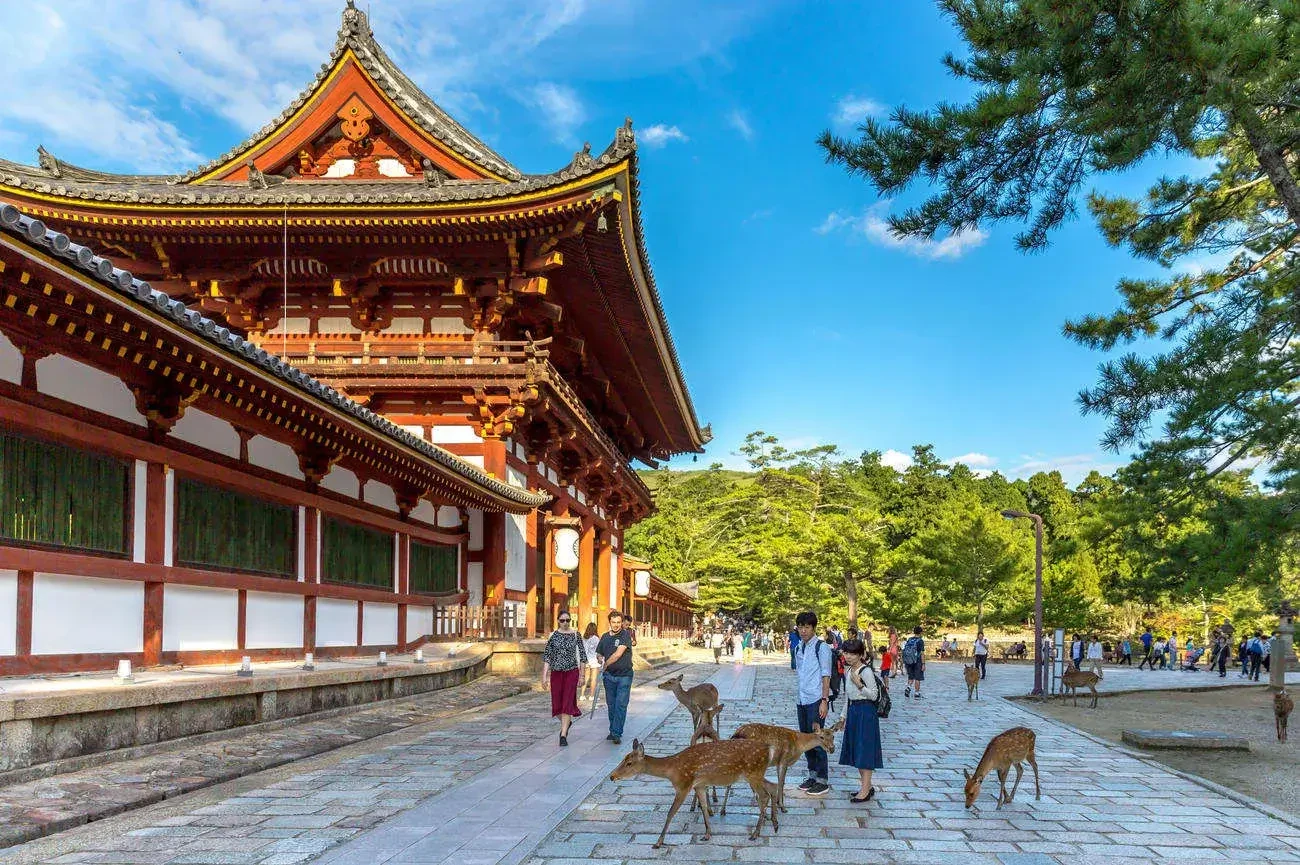
Nara was Japan’s first permanent capital established in the year 710. It is located less than an hour from Kyoto and Osaka. The city is home to important temples and artwork dating to the 8th century. Nara Park is famous for its free-roaming deer.
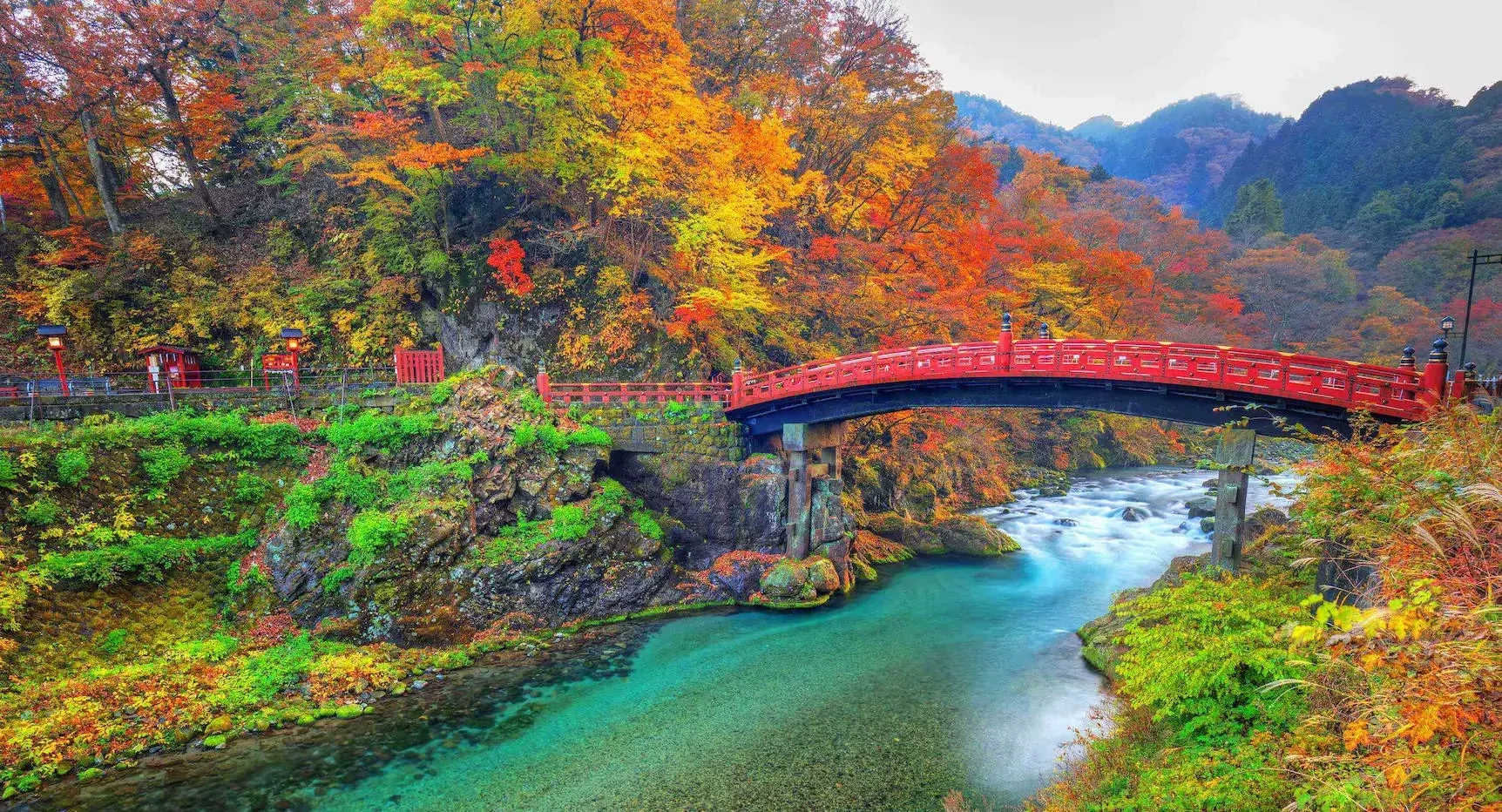
Nikko is a small city in Japan’s Tochigi Prefecture, in the mountains north of Tokyo. It is home to Toshogu, the lavishly decorated shrine and mausoleum of Tokugawa Ieyasu, the founder of the Tokugawa shogunate. Nikko National Park offers scenic mountain views, waterfalls, and hiking trails.
Nagano hosted the 1998 Winter Olympics and is a world-class destination for skiing and snowboarding. The city is home to Zenko-ji, one of Japan's most important Buddhist temples. Nearby, you'll find the famous Jigokudani Monkey Park, where wild macaques soak in natural hot springs.
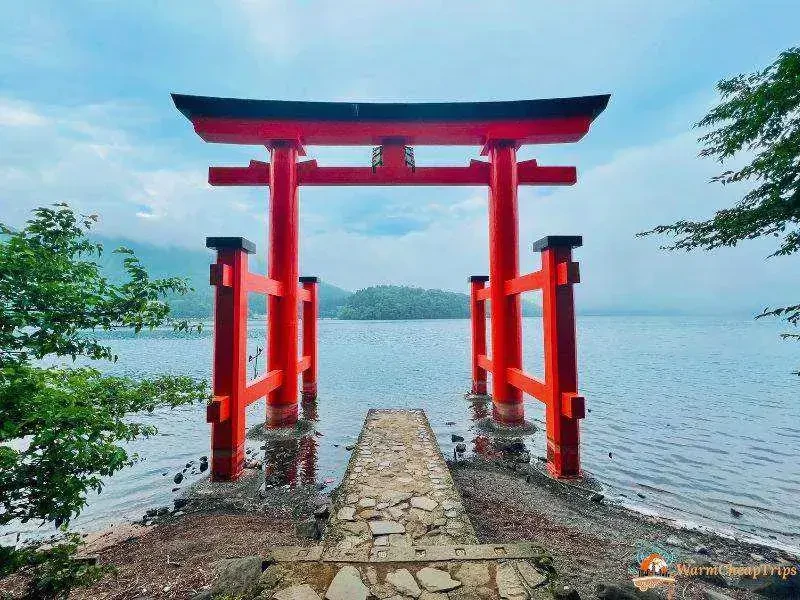
Part of the Fuji-Hakone-Izu National Park, Hakone is one of Japan's most popular hot spring (Onsen) destinations. It offers stunning views of Mt. Fuji, scenic cruises on Lake Ashi, and the unique Hakone Tozan railway. For travelers from Tokyo or Osaka, the Shinkansen stops at Odawara Station, the main gateway to the Hakone region.
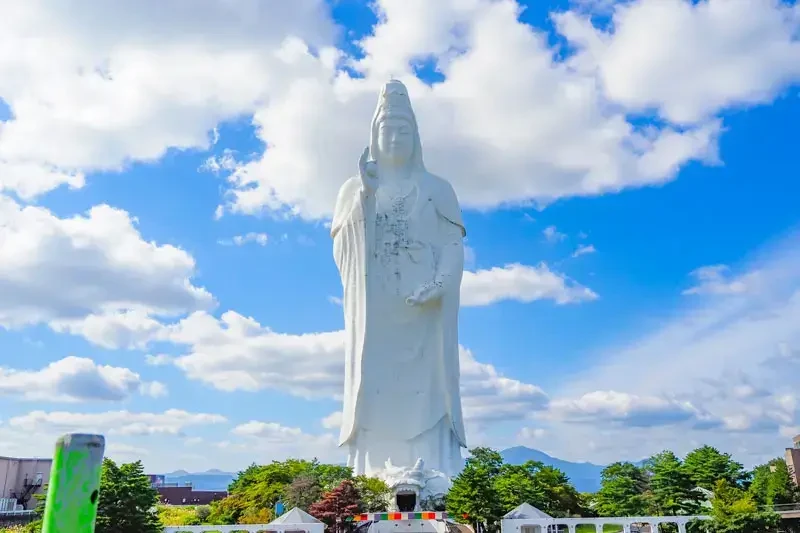
Known as the 'City of Trees,' Sendai is the largest city in the Tohoku region. It combines urban sophistication with a deep history of the samurai lord Date Masamune. Sendai is the gateway to Matsushima Bay, ranked as one of the three most scenic views in Japan, and is famous for its delicious 'Gyutan' (grilled beef tongue).
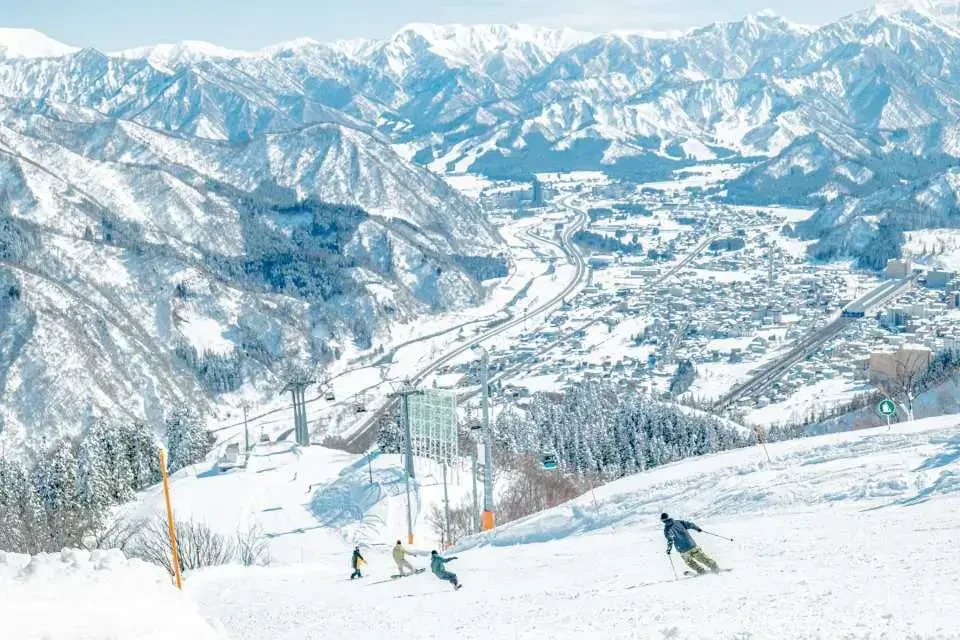
Gala Yuzawa is a unique ski resort in Niigata Prefecture with its own dedicated Shinkansen station. It is the most accessible winter sports destination from Tokyo, offering high-quality 'powder snow.' The resort is linked to several other ski areas, making it a paradise for skiers and snowboarders of all levels.
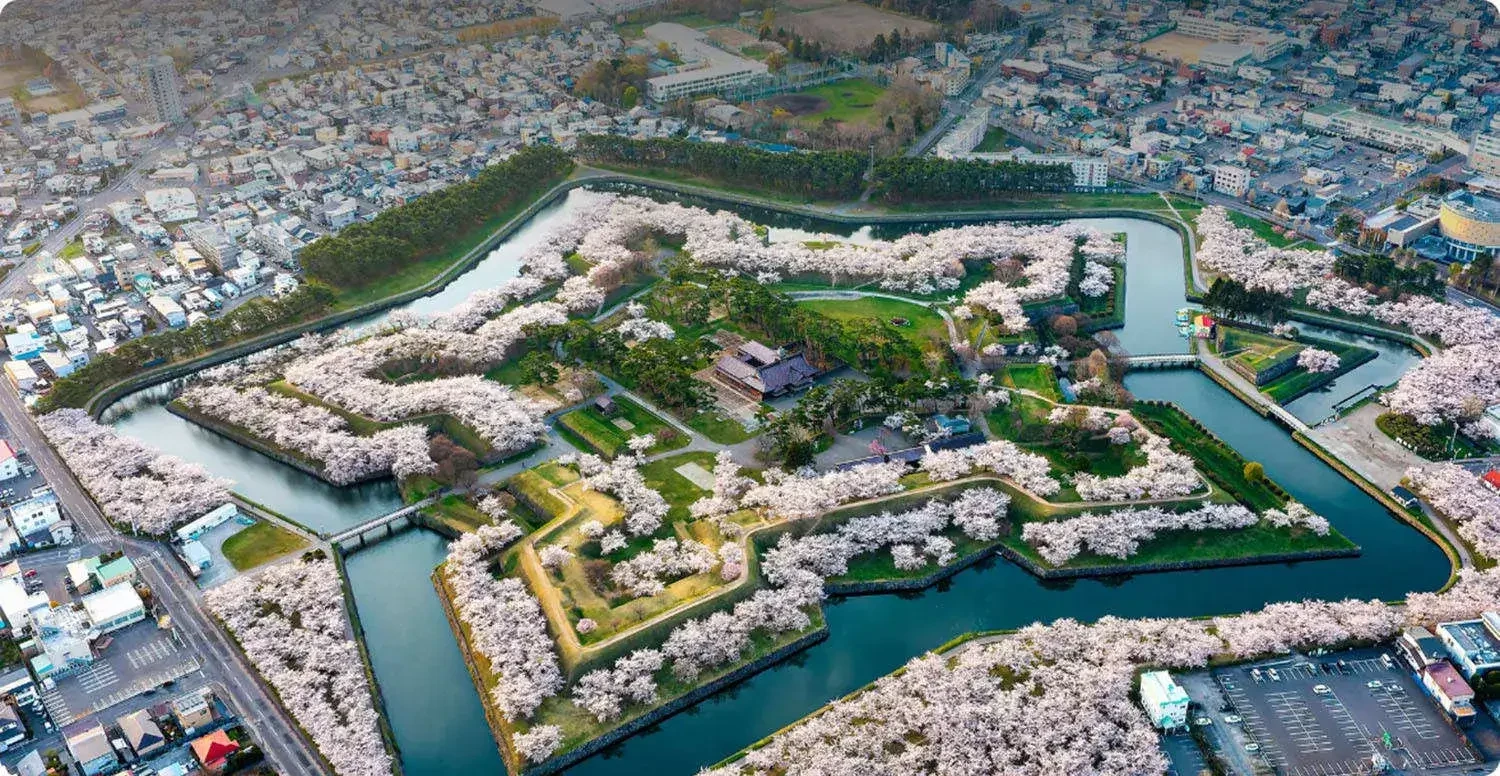
Located at the southern tip of Hokkaido, Hakodate is best known for the spectacular night view from Mount Hakodate and its delicious fresh seafood at the Morning Market. As the northern terminus of the Shinkansen from Tokyo, it serves as the historic and scenic gateway to Japan's wild northern frontier.
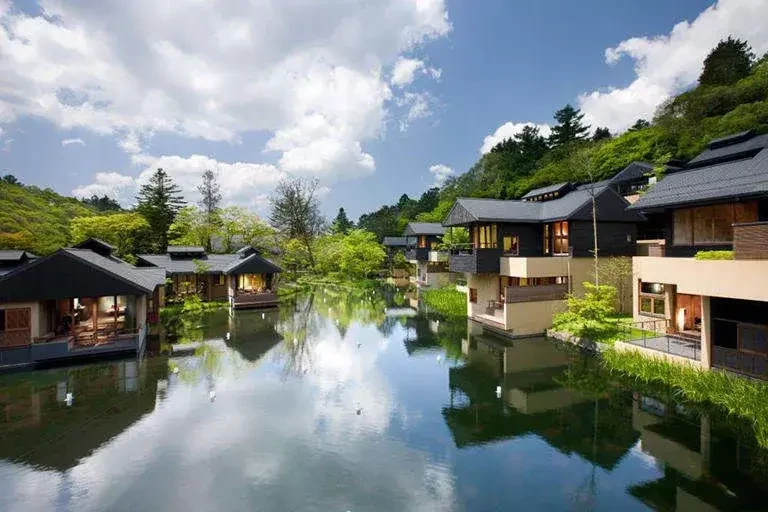
Karuizawa is an upmarket mountain resort at the foot of the active volcano Mount Asama. It is a favorite getaway for Tokyo residents seeking cooler air, high-end shopping at the Prince Shopping Plaza, and romantic forest chapels. Just an hour from Tokyo by Shinkansen, it’s the perfect blend of nature and luxury.
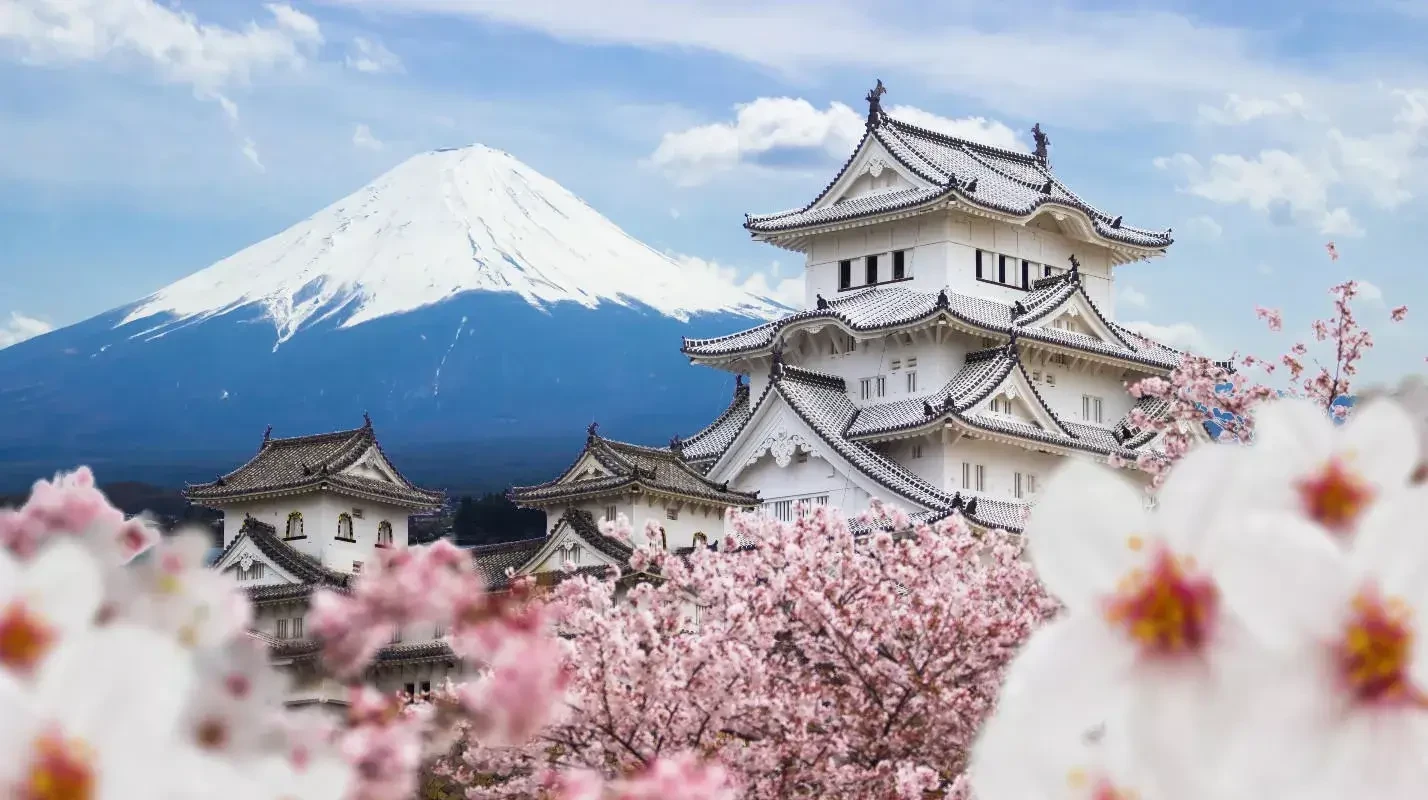
Himeji is home to the spectacular Himeji Castle, widely considered Japan's most beautiful and well-preserved feudal castle. Known as the 'White Heron Castle' for its brilliant white exterior and elegant bird-like silhouette, this National Treasure and UNESCO site is easily accessible via the Shinkansen line between Osaka and Hiroshima.
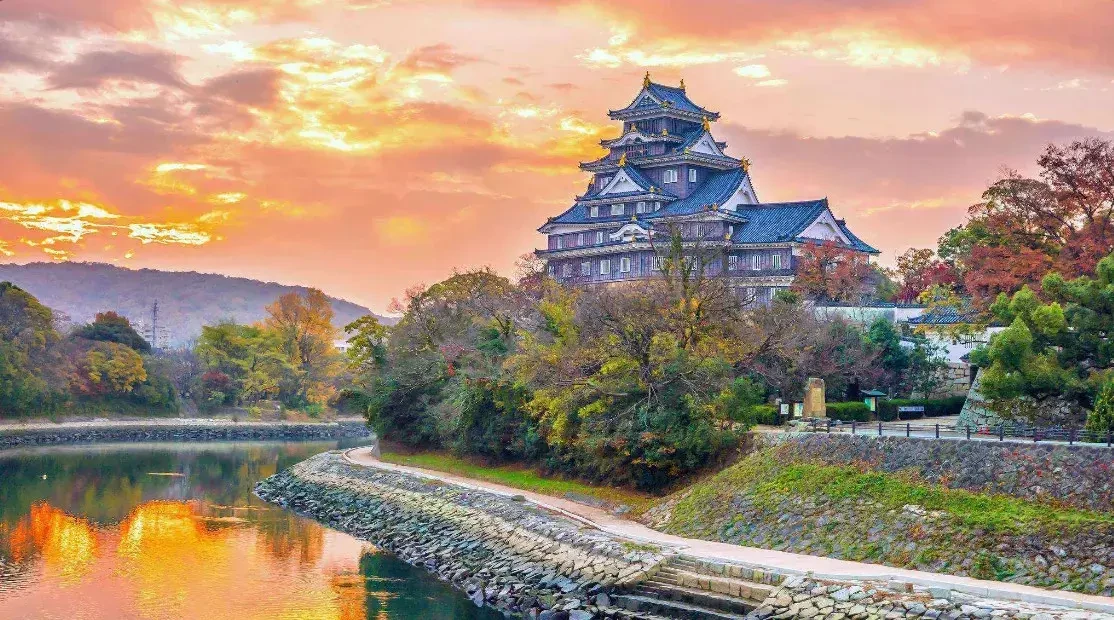
Okayama, known as the 'Land of Sunshine,' is home to Korakuen, one of Japan's three most beautiful landscape gardens. The city is a major strategic rail hub, serving as the main gateway for travelers heading to Shikoku Island and the art islands of the Seto Inland Sea, such as Naoshima. Its black 'Crow Castle' stands in stunning contrast to the white castle of Himeji.
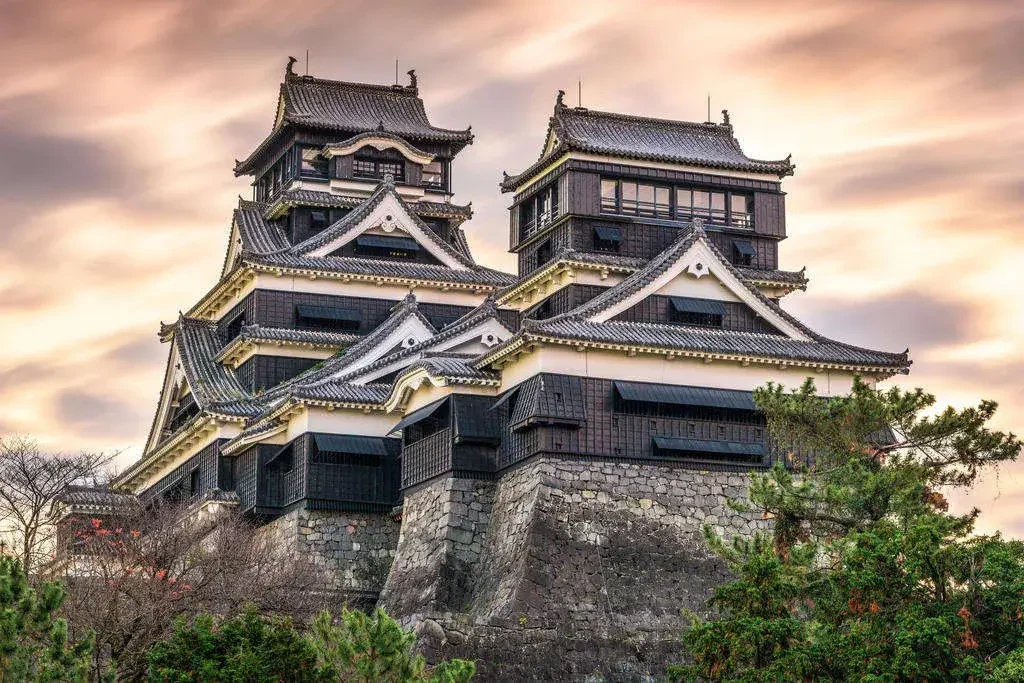
Kumamoto is a historic city on the island of Kyushu, dominated by the massive Kumamoto Castle, one of the most complete and impressive castle complexes in Japan. It is also the perfect base for exploring Mount Aso, one of the largest active volcanoes in the world, and the lush Suizenji Garden.
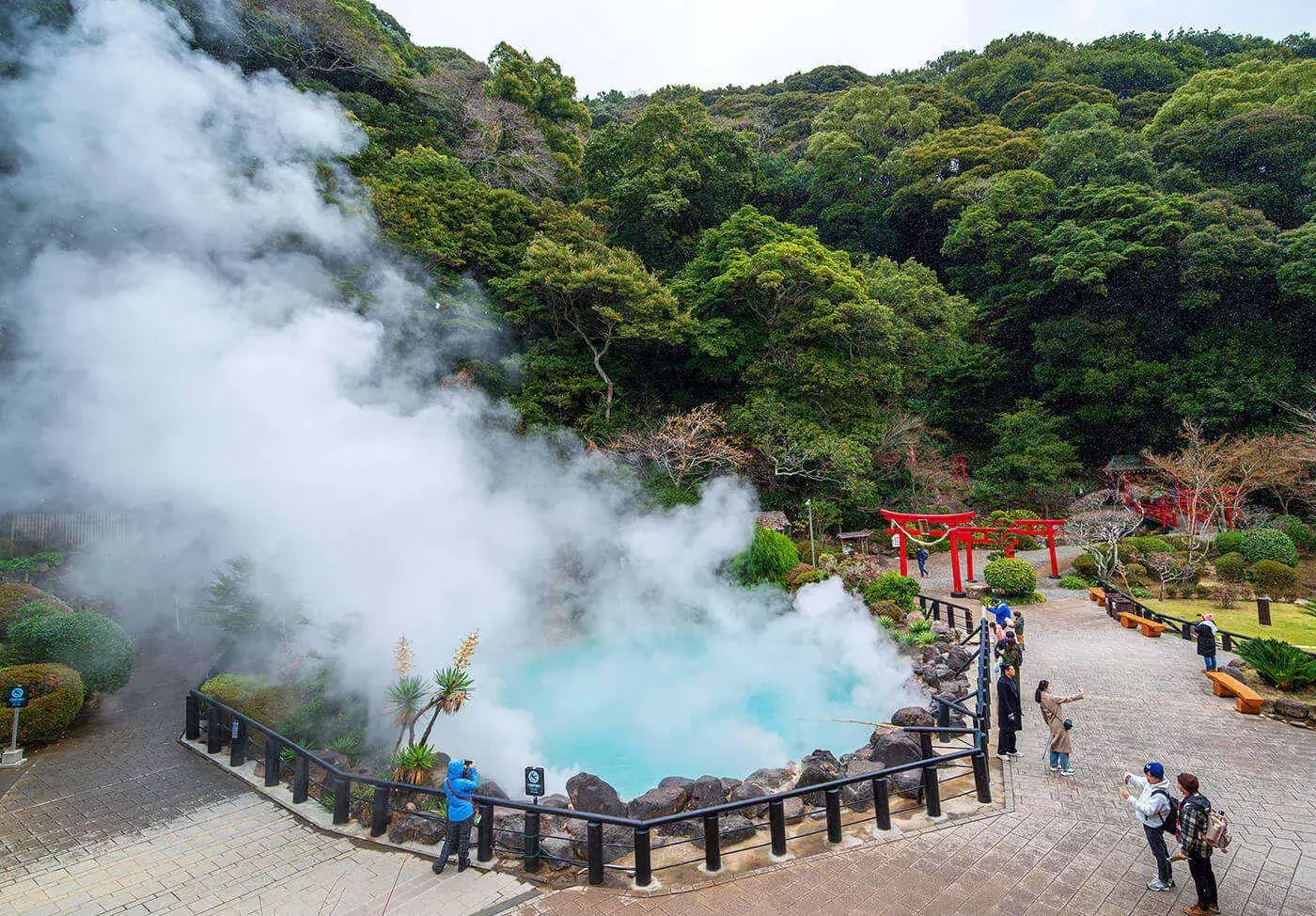
Beppu is Japan's hot spring capital, producing more spring water than any other resort in the country. Famous for its 'Hells' (Jigoku)—spectacular hot springs for viewing rather than bathing—it offers a unique steamy landscape. Visitors can enjoy sand baths, steam baths, and traditional mud baths in this geothermal wonderland.
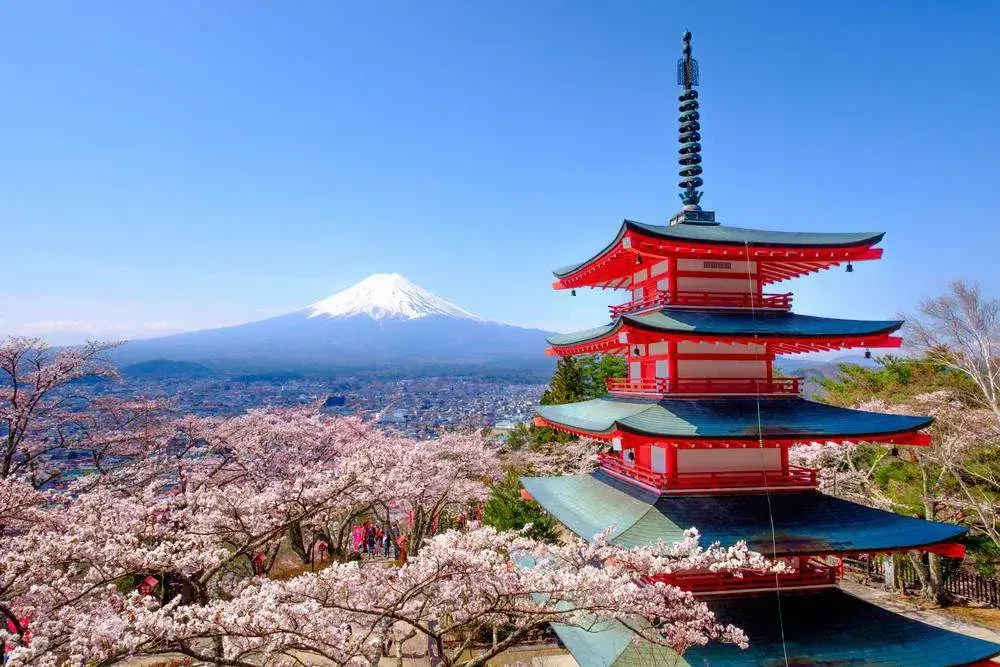
Shizuoka is the green tea heartland of Japan, nestled between Mt. Fuji and the Pacific Ocean. It offers some of the most iconic views of the mountain, especially from the Nihondaira plateau and the Miho-no-Matsubara pine grove. The city is a key stop on the Tokaido Shinkansen, perfect for those wanting to explore the 'real' Japan away from the major crowds.
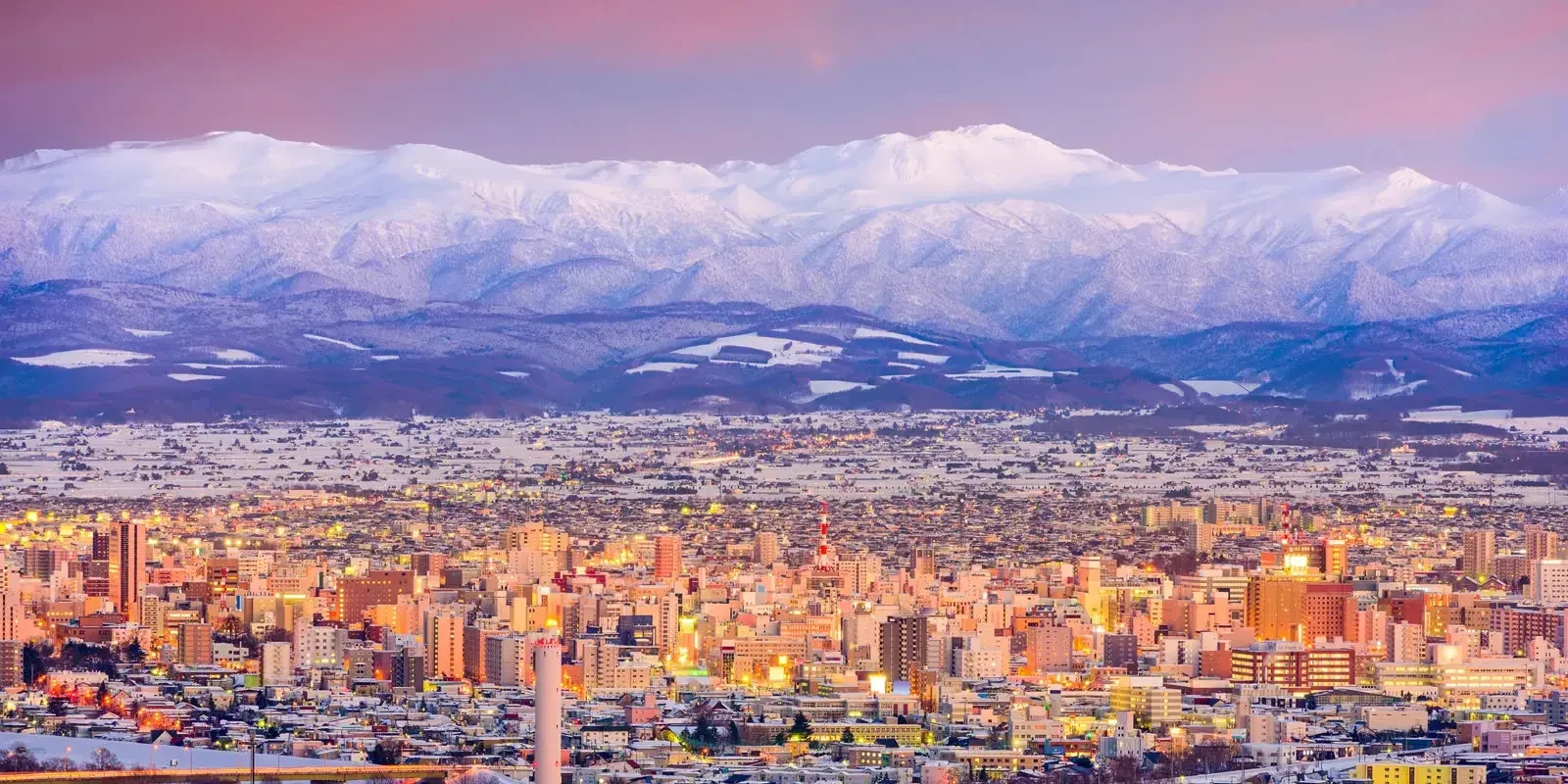
Sapporo is the vibrant capital of Hokkaido, famous for its world-class powder snow, iconic beer heritage, and fresh seafood, serving as the ultimate gateway to Japan's wild northern frontier.
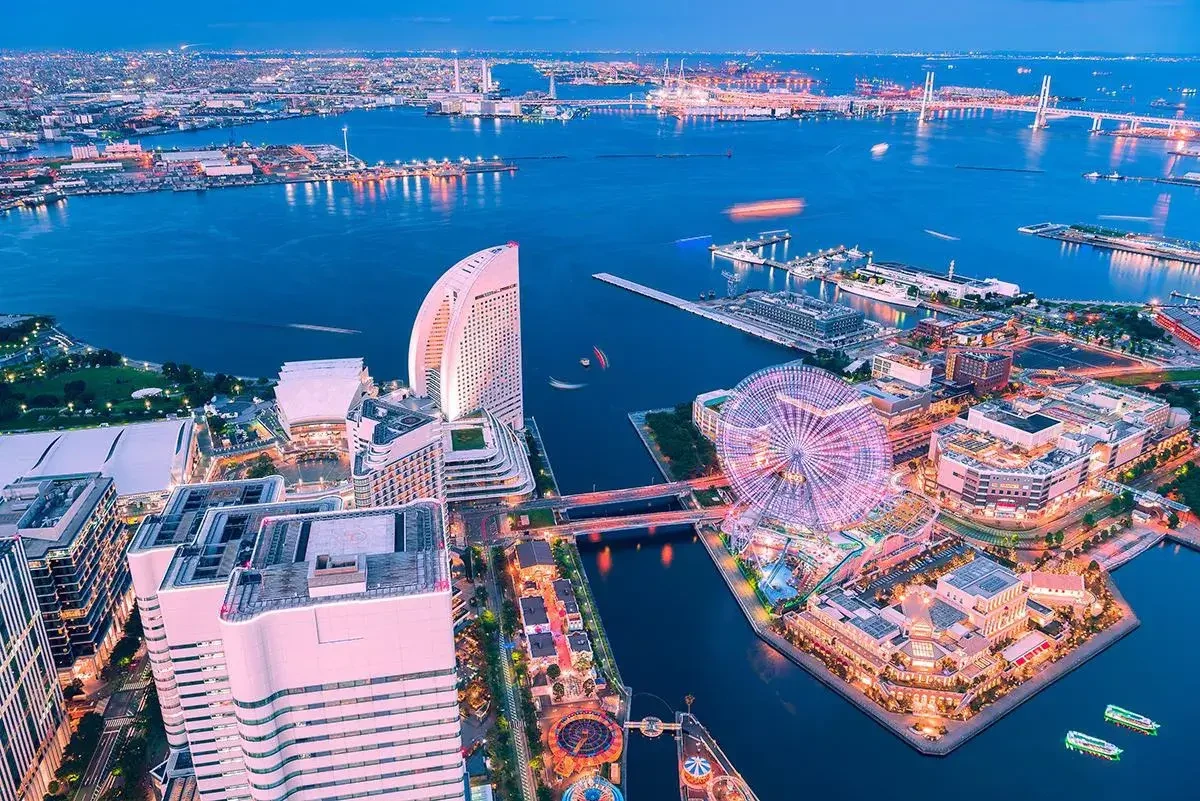
Yokohama is Japan's second-largest city and a major port located just south of Tokyo. The city seamlessly blends modern urban development with historical charm. Highlights include the futuristic Minato Mirai 21 district with the iconic Landmark Tower, the historic Sankeien Garden, Japan's largest Chinatown, and the scenic waterfront Yamashita Park. Yokohama is easily accessible from Tokyo via multiple JR lines, making it a perfect day trip or base for exploring the Kanto region.
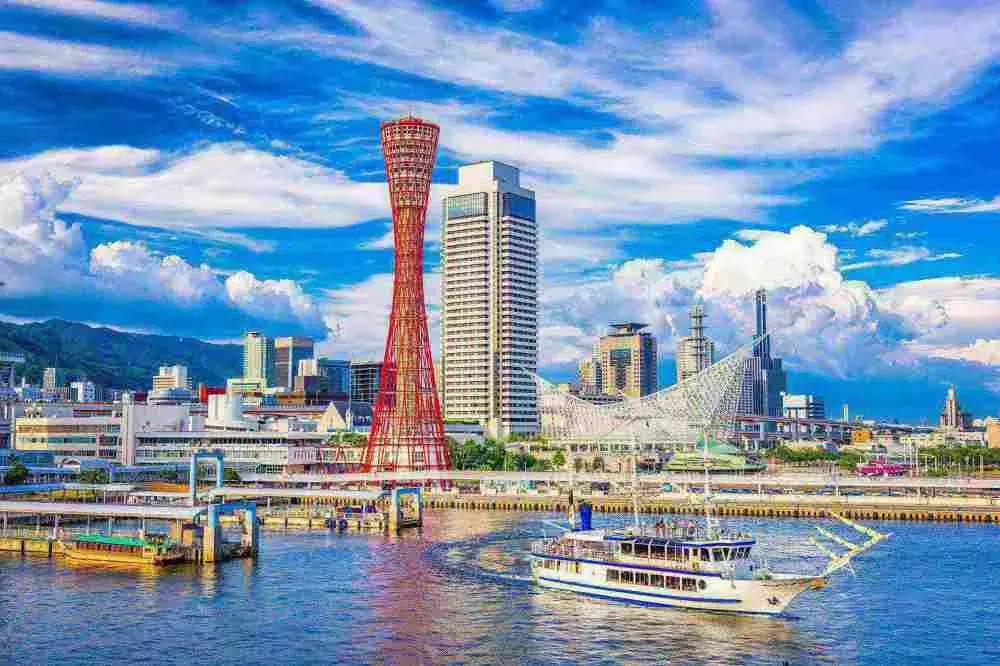
Kobe is a sophisticated port city nestled between the Rokko Mountains and Osaka Bay in the Kansai region. The city is world-famous for its premium Kobe beef, but offers much more including the historic Kitano-cho district with its Western-style houses, the scenic Kobe Harborland, and the moving Kobe Earthquake Memorial Museum. The city's cosmopolitan atmosphere reflects its history as one of Japan's first ports to open to foreign trade. Easily accessible via the Tokaido-Sanyo Shinkansen, Kobe is just 30 minutes from Osaka and Kyoto.
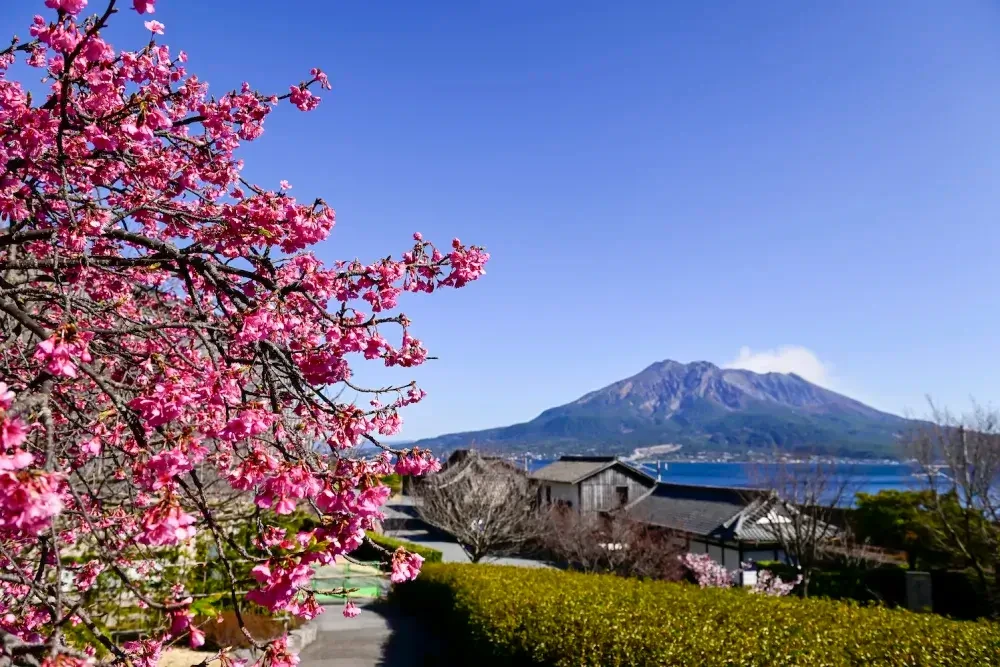
Kagoshima is the southernmost major city on Kyushu Island, known as the 'Naples of Japan' for its bay location and active volcano. The iconic Sakurajima volcano dominates the skyline and can be visited by ferry. The city played a crucial role in the Meiji Restoration and is home to beautiful Sengan-en Garden, a UNESCO World Heritage Site. Kagoshima is the southern terminus of the Kyushu Shinkansen, making it easily accessible from major cities. The region is also famous for its unique cuisine, including kurobuta (black pork) and shochu.
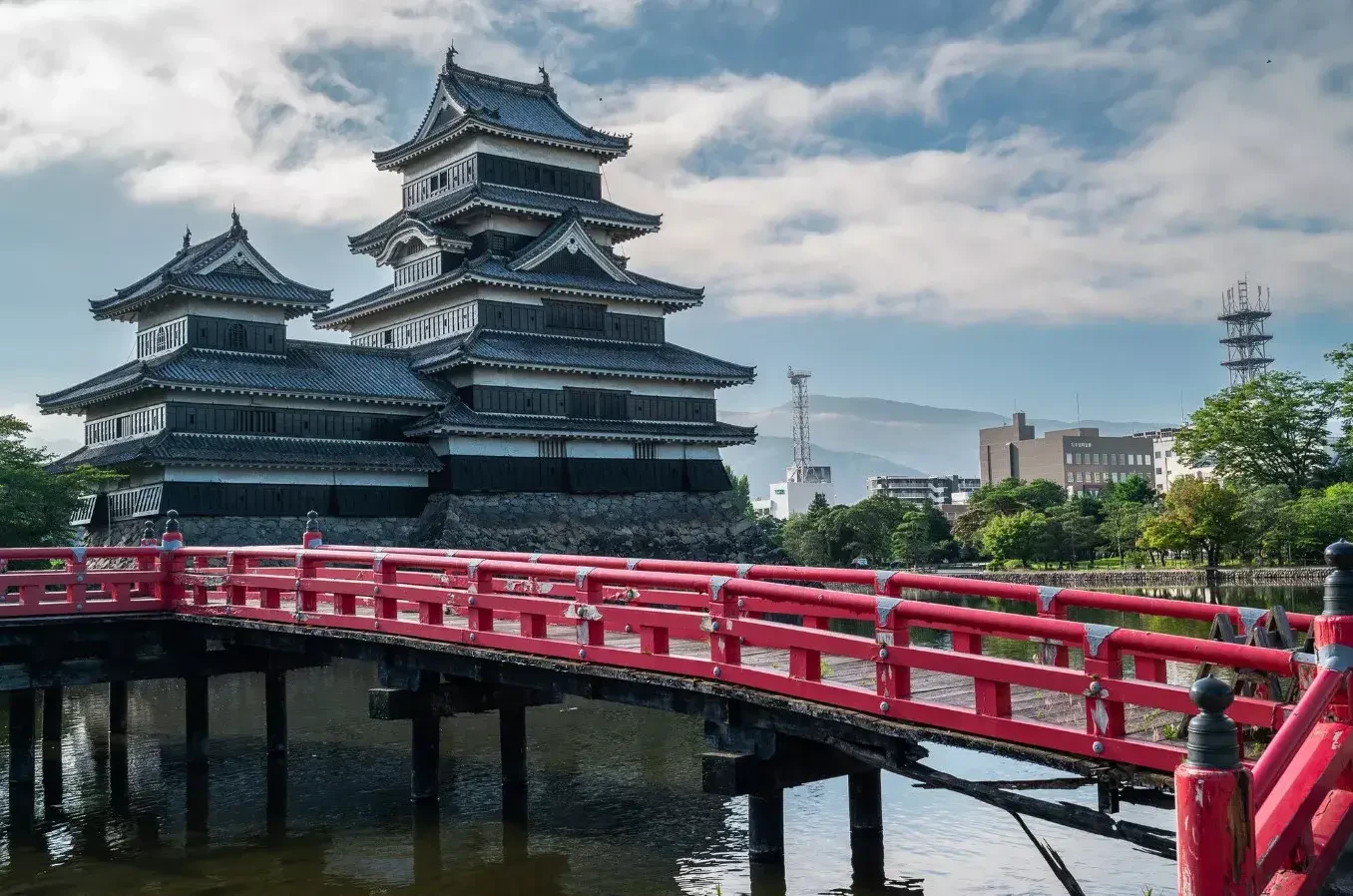
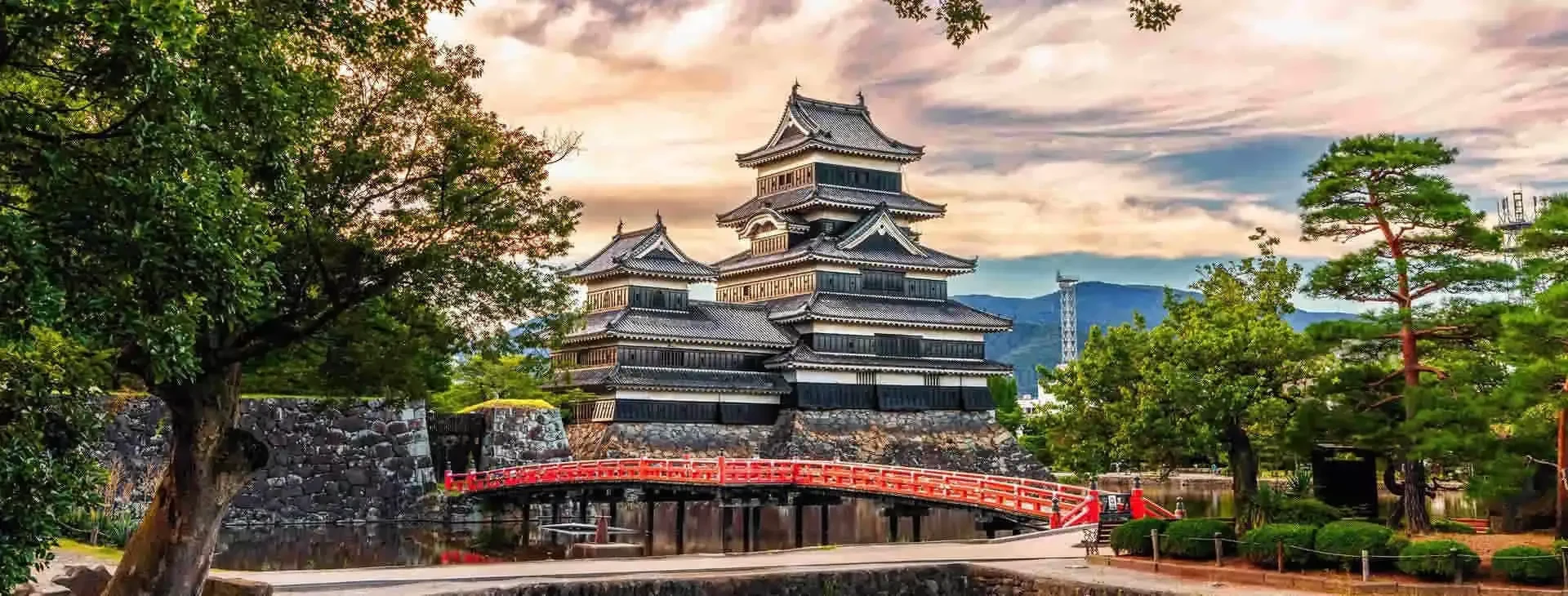
Matsumoto is a historic castle town in Nagano Prefecture, serving as the gateway to the Japanese Alps. The city's crown jewel is Matsumoto Castle, one of Japan's most beautiful original castles with its distinctive black exterior, earning it the nickname 'Crow Castle.' The city offers a perfect blend of history, culture, and nature, with easy access to mountain hiking, hot springs, and ski resorts. Matsumoto is accessible via JR limited express trains from Tokyo (about 3 hours) and makes an excellent base for exploring the Central Alps region.
Explore all available Shinkansen routes and find the perfect train for your journey.
View All Trains