Ueno Station Guide 2026: Lines, Transfers & FAQs | Japan Train
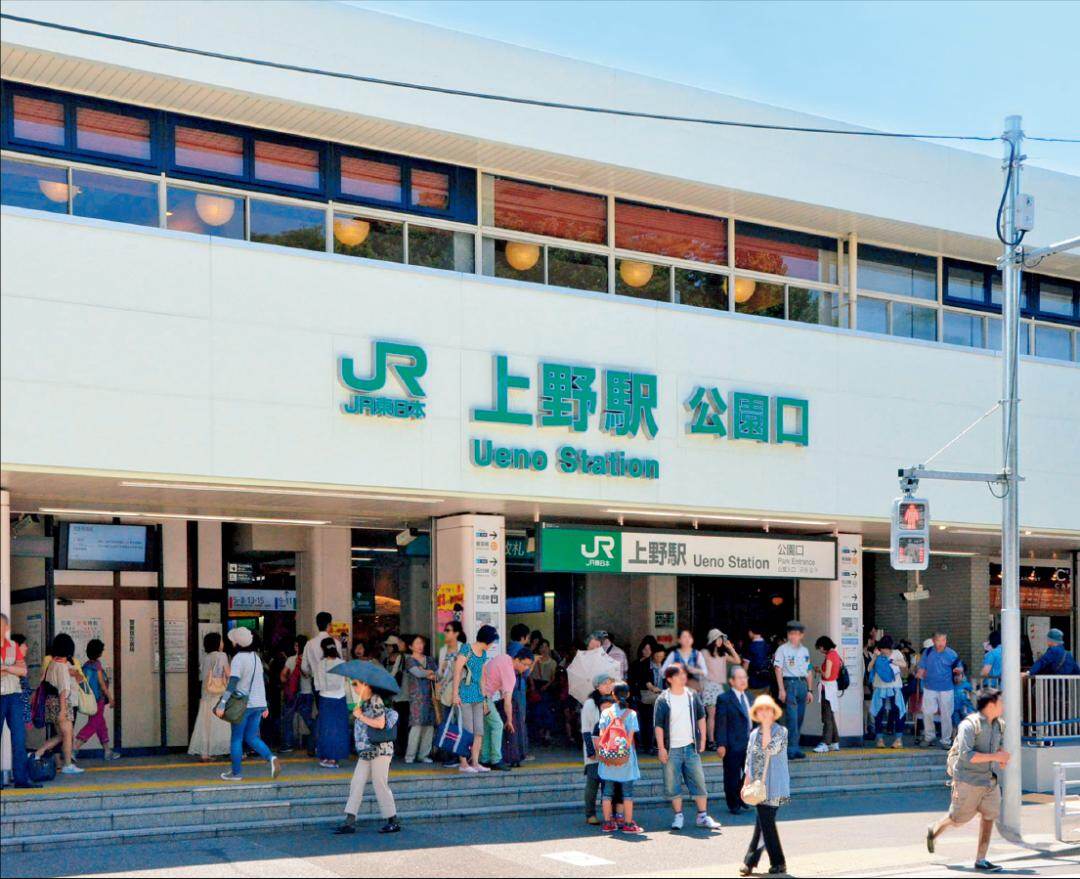
Ueno Station serves as Tokyo's "Northern Gateway," functioning as a vital transportation hub connecting the metropolitan area with Tohoku, Hokuriku, Narita Airport, and beyond. It integrates Shinkansen, private railway lines, and subway services, with a total of 11 railway lines passing through. The area is surrounded by numerous famous attractions and landmarks, attracting large crowds of visitors daily.
However, the Ueno area includes multiple stations with "Ueno" in their names, among which the following three are the most representative:
- JR Line "Ueno Station"
- Keisei Line "Keisei Ueno Station"
- Tokyo Metro Ginza Line "Ueno Station"
Although these stations are located close to each other, choosing the wrong station based on your destination or travel needs may cause confusion. Therefore, understanding the characteristics and ideal usage scenarios of each station in advance will help you plan your trip more efficiently. Below is a detailed introduction to the key features and essential tips for each station.
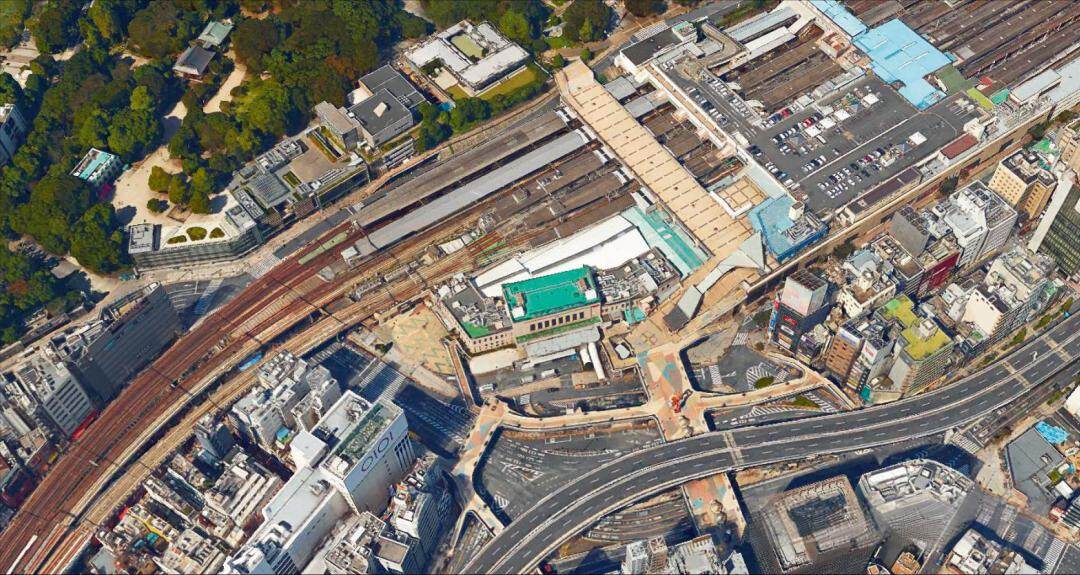
JR Ueno Station
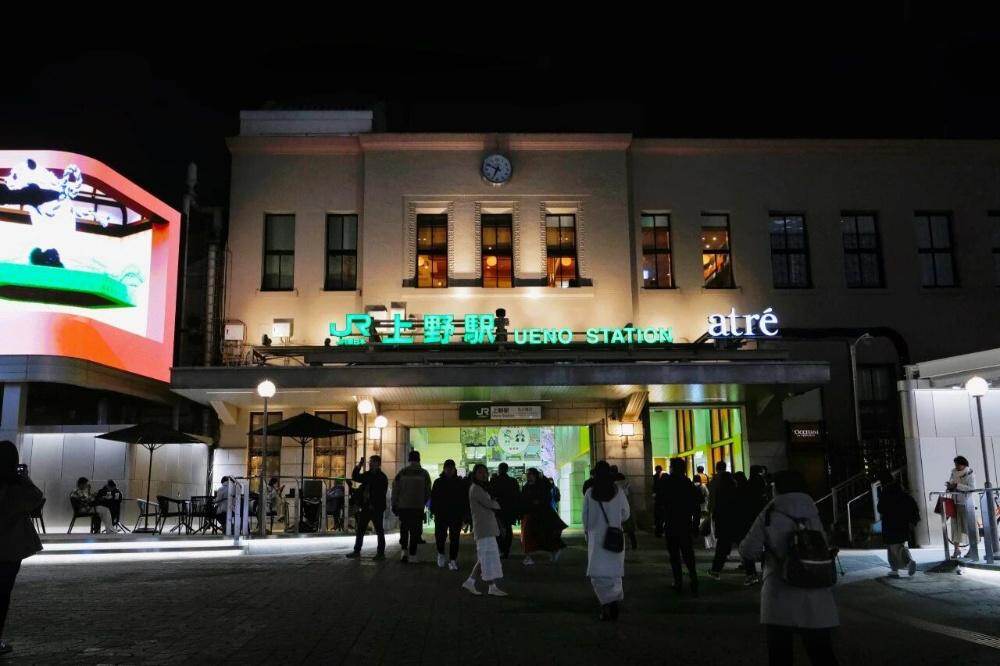
JR Ueno Station is the heart of the Ueno area, connecting numerous conventional trains and Shinkansen lines, making it a major hub for tourism and transportation.
The station is large and prominently located, close to famous attractions such as Ueno Park and Ueno Zoo, making it a perfect starting point for sightseeing and travel.
Commercial facilities such as ecute Ueno and atre Ueno are located inside and outside the station, creating a unique blend of nostalgic Showa-era ambiance and modern design.
However, since JR Ueno Station has multiple exits, it is recommended to choose the nearest exit to your destination to avoid getting lost.
1.1 Main Lines from the Station
JR Ueno Station offers access to the Tohoku, Joetsu, and Hokuriku Shinkansen lines, as well as the Yamanote, Tokaido Main Line (Ueno-Tokyo Line), Keihin-Tohoku Line, Joban Line, Utsunomiya/Takasaki Line, and Tohoku Main Line. This service primarily serves destinations throughout the Tokyo metropolitan area, the Tohoku region, Niigata, Yokohama, Chiba, and Saitama.
1.2 Access from Major Tokyo Stations to JR Ueno Station
From JR Tokyo Station, take the JR Ueno-Tokyo Line to JR Ueno Station. Travel time: approximately 5 minutes. Alternatively, you can take the JR Yamanote Line Inner Loop and the Keihin-Tohoku Line.
From JR Shinjuku Station to JR Ueno Station: Route: JR Yamanote Line Outer Loop, Approximately 26 Minutes
From JR Shinagawa Station to JR Ueno Station: Route: JR Tokaido Main Line (Ueno-Tokyo Line), Approximately 15 Minutes. Alternatively, you can take the JR Yamanote Line Inner Loop or the Keihin-Tohoku Line.
From JR Shibuya Station to JR Ueno Station: Walk from JR Shibuya Station to Shibuya Station on the Tokyo Metro Ginza Line, then take the Ginza Line directly to Ueno Station, Approximately 30 Minutes
1.3 Station Facilities
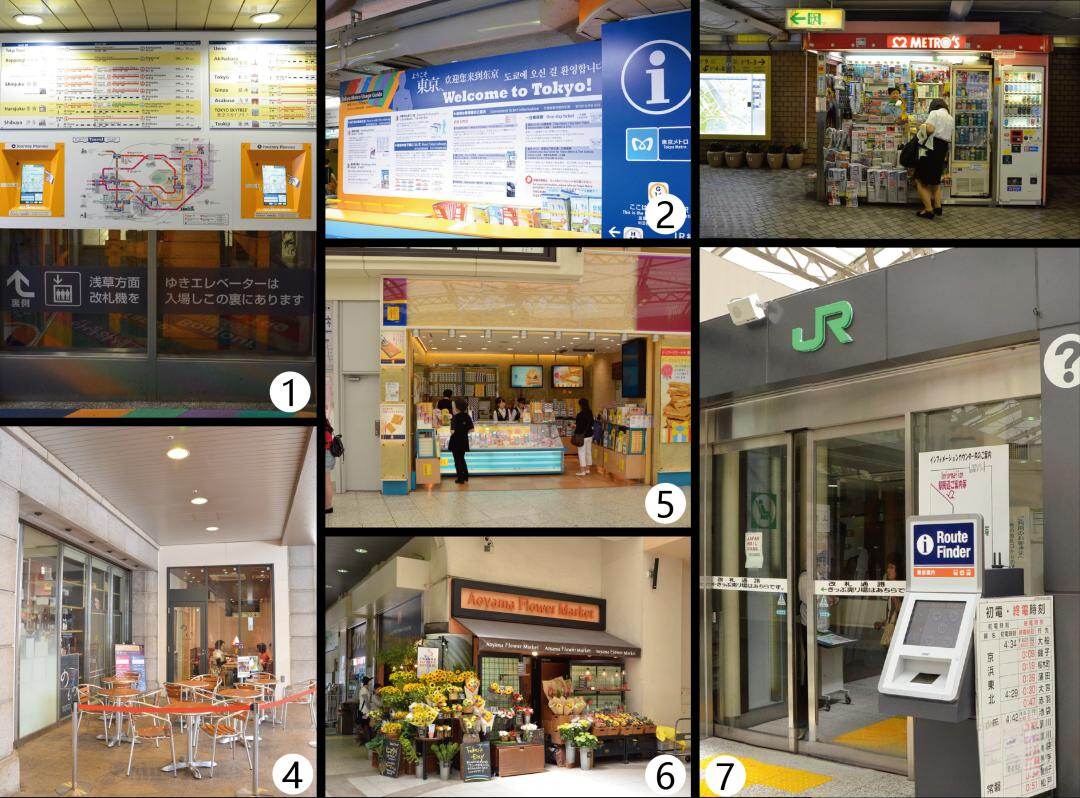
1. A passenger-friendly itinerary planner helps passengers plan convenient itineraries.
2. A bulletin board providing subway information for passengers arriving in Tokyo.
3. A convenience store within the station.
4. A sweets and cafe where passengers can stop by.
5. A cookie shop within the station where passengers can purchase souvenirs.
6. A flower shop within the station.
7. JR information counter and transfer information machine.
8. Ticket vending machine.
Keisei Ueno Station
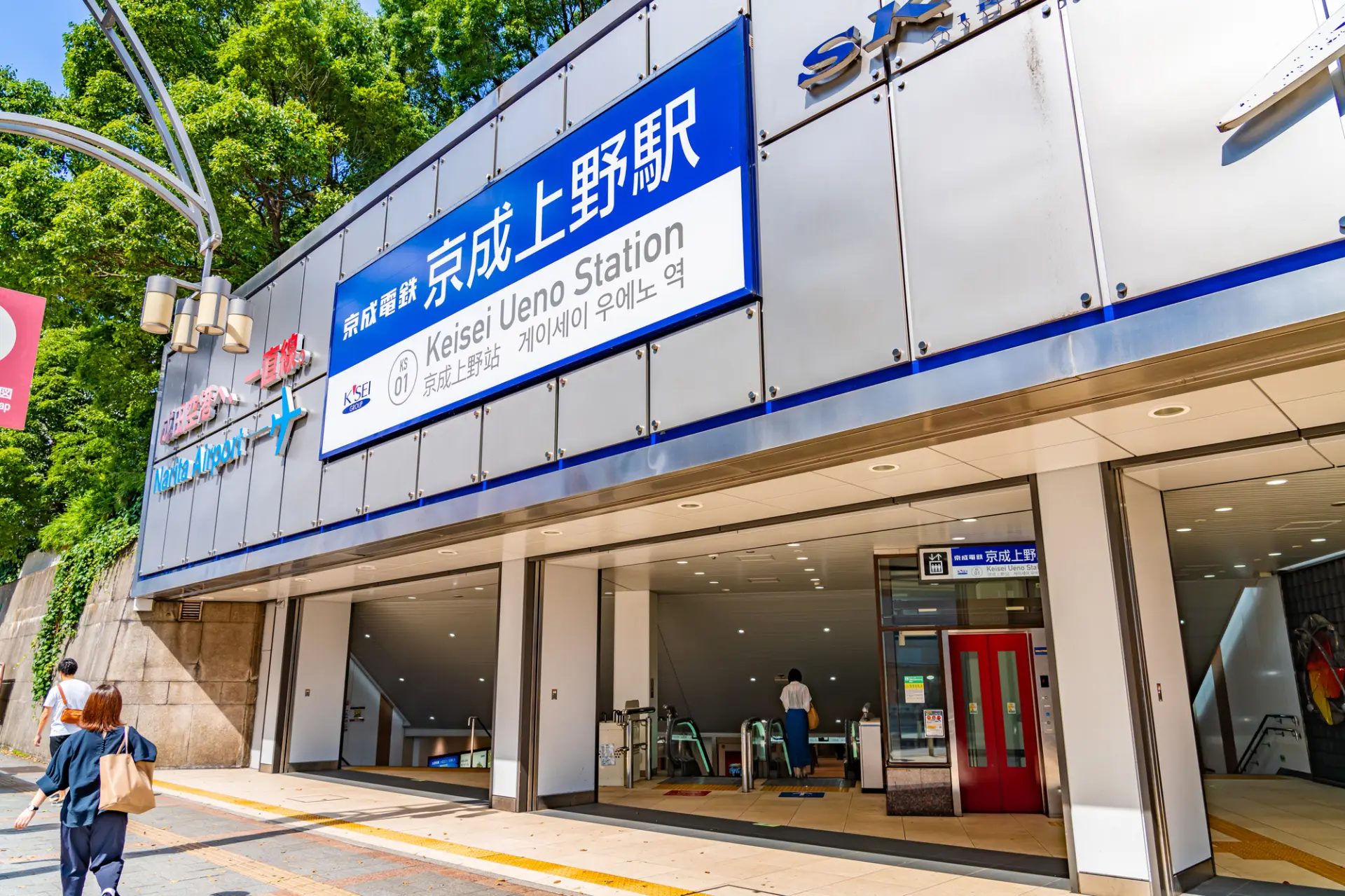
Keisei-Ueno Station is renowned for its convenient direct access to Narita Airport, particularly via the Keisei Skyliner, which takes only approximately 45 minutes. The station is close to popular attractions such as Ueno Park and Ameyoko-cho, making it a crucial transportation hub for visitors to Japan using Narita Airport. It's a great base for sightseeing in Tokyo or for exploring the Ueno area before heading to Narita Airport. The station is also small and well-organized, with easy access to the city streets and abundant English and other language services, making it highly convenient for international visitors.
2.1 Main Lines from the Station
The station is served by the Keisei Electric Railway, primarily serving Narita Airport, Nippori, Edogawa River, and Aoto.
2.2 Getting to Keisei-Ueno Station from Major Tokyo Stations
From JR Tokyo Station to Keisei-Ueno Station: Take the JR Ueno-Tokyo Line to Ueno Station and walk from the Shinobazu Exit. Travel time: Approximately 10 minutes. Alternatively, take the JR Yamanote Line Inner Loop or the Keihin-Tohoku Line.
From JR Shinjuku Station to Keisei-Ueno Station: Take the JR Yamanote Line Outer Loop to Ueno Station and walk from the Shinobazu Exit. Travel time: Approximately 30 minutes.
From JR Shinagawa Station to Keisei-Ueno Station: Take the JR Tokaido Main Line (Ueno-Tokyo Line) to Ueno Station, then walk from the Shinobazu Exit of Ueno Station.
Travel time: Approximately 20 minutes. Alternatively, take the JR Yamanote Line Inner Loop or the Keihin-Tohoku Line.
From JR Shibuya Station to Keisei-Ueno Station: Walk from JR Shibuya Station to Shibuya Station on the Tokyo Metro Ginza Line. Take the Ginza Line bound for Asakusa and get off at Ueno Station. Walk from Exit 6 to Keisei-Ueno Station. Travel time: Approximately 40 minutes.
Tokyo Metro Ginza Line Ueno Station
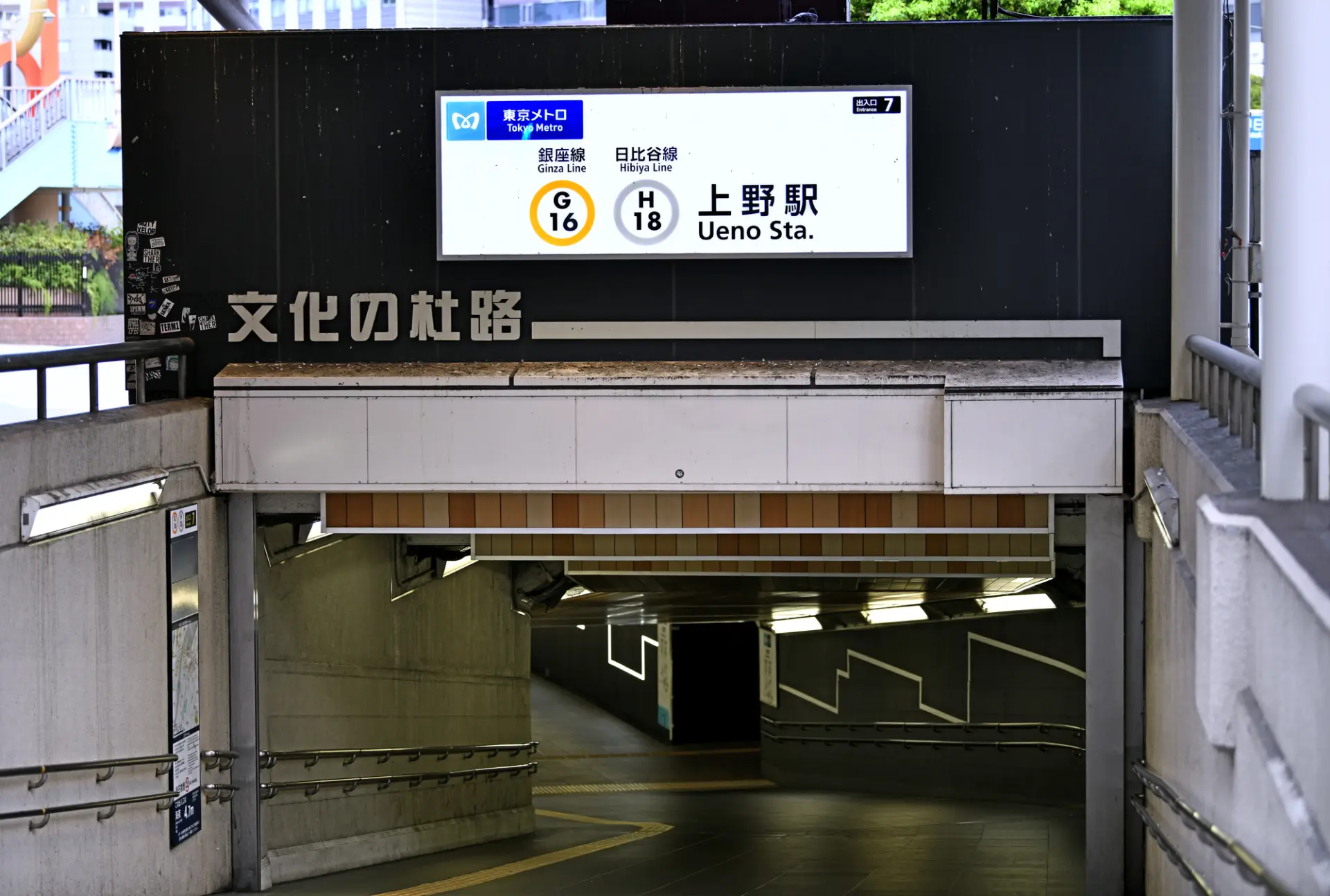
Ueno Station on the Tokyo Metro Ginza Line is an ideal base for exploring Tokyo's main sightseeing areas. The Ginza Line offers direct access to popular tourist destinations such as Shibuya, Ginza, and Omotesando, all in approximately 30 minutes, making it extremely convenient. The Ginza Line provides particularly good connections to Asakusa (approximately 5 minutes), perfect for visiting Senso-ji Temple and Tokyo Skytree. The station is also surrounded by famous attractions such as Ameyokocho and the Tokyo Metropolitan Art Museum, making it a great hub for exploring Ueno. Furthermore, the Ginza Line was Japan's first subway system, established in 1927. With nearly a century of history, the station's design exudes a nostalgic atmosphere, a key part of its charm.
3.1 Main Lines at the Station
Ueno Station on the Tokyo Metro Ginza Line primarily serves the Tokyo Metro Ginza Line, offering connections to Asakusa, Shinbashi, Omotesando, Shibuya, and more.
3.2 Getting to Ueno Station on the Tokyo Metro Ginza Line from Major Tokyo Stations
From JR Tokyo Station to Ueno Station on the Tokyo Metro Ginza Line: Take the JR Ueno-Tokyo Line to Ueno Station, then walk from the Central Gate to Ueno Station on the Ginza Line. Travel time: Approximately 8 minutes. Alternatively, take the JR Yamanote Line Inner Loop or the JR Keihin-Tohoku Line.
From JR Shinjuku Station to Ueno Station on the Tokyo Metro Ginza Line: Take the JR Yamanote Line Outer Loop to Ueno Station, then walk from the Central Gate to Ueno Station on the Ginza Line. Travel time: Approximately 30 minutes.
From JR Shinagawa Station to Tokyo Metro Ginza To get to Ueno Station on the JR Tokaido Main Line (Ueno-Tokyo Line), take the JR Tokaido Main Line (Ueno-Tokyo Line) to Ueno Station. From the Central Gate, walk to Ueno Station on the Ginza Line. Travel time: approximately 20 minutes. Alternatively, you can take the JR Yamanote Line Inner Loop or the JR Keihin-Tohoku Line.
To get to Ueno Station on the Tokyo Metro Ginza Line on the JR Shibuya Station, take the JR Shibuya Station to Shibuya Station on the Tokyo Metro Ginza Line. Travel time: approximately 30 minutes.
Guide to the nearest exits to popular Ueno attractions
After understanding the three most common stations for sightseeing in Ueno, choosing the right exit is crucial for reaching your destination quickly.
Each station has multiple exits leading to different directions. Exiting from the wrong exit can lead to unnecessary time and even loss of direction.
JR Ueno Station, the largest of its size, is particularly prone to being lost for first-time visitors.
Therefore, below is an introduction to the nearest station exits and walking times to Ueno's major tourist attractions. It's recommended to refer to this when planning your trip.
4.1. Ueno Zoo
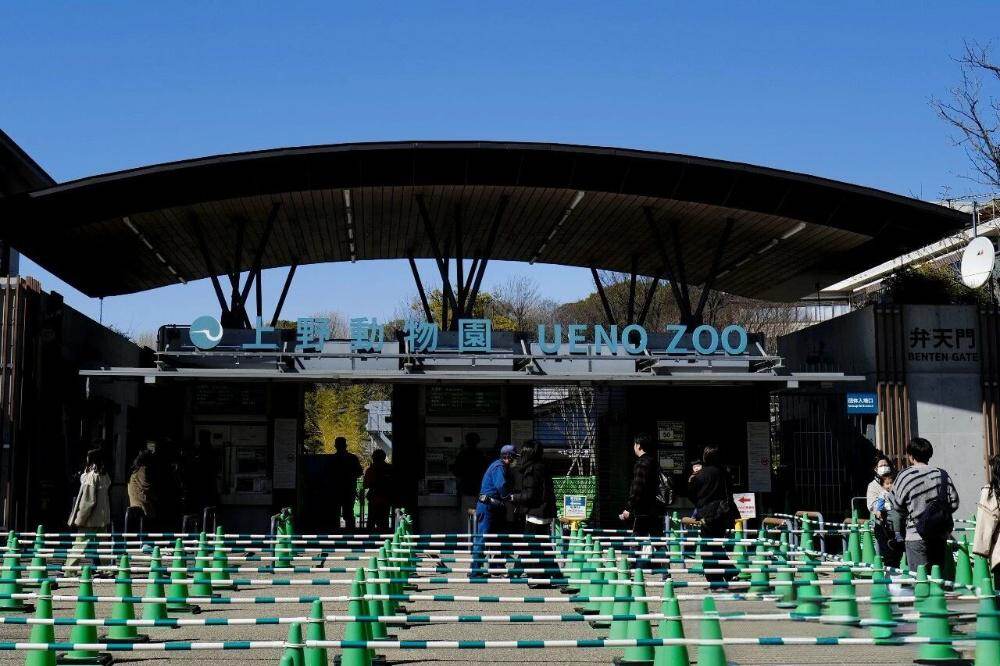
Ueno Zoo, Japan's oldest zoo, opened in 1882. A beloved tourist attraction representing the Ueno area, it attracts visitors from both domestic and international audiences. Home to approximately 3,000 animals from 300 species, the zoo offers a glimpse into not only adorable animals like giant pandas, but also rare species from around the world.
The fastest way to reach the zoo is a five-minute walk from the Park Exit or Shinobazu Exit of JR Ueno Station, or the Main Exit of Keisei Ueno Station. Ueno Zoo is divided into three main entrances: the East Garden and the West Garden, each with its own distinct character. Choosing the appropriate entrance in advance is recommended to save time.
4.2. Ueno Park
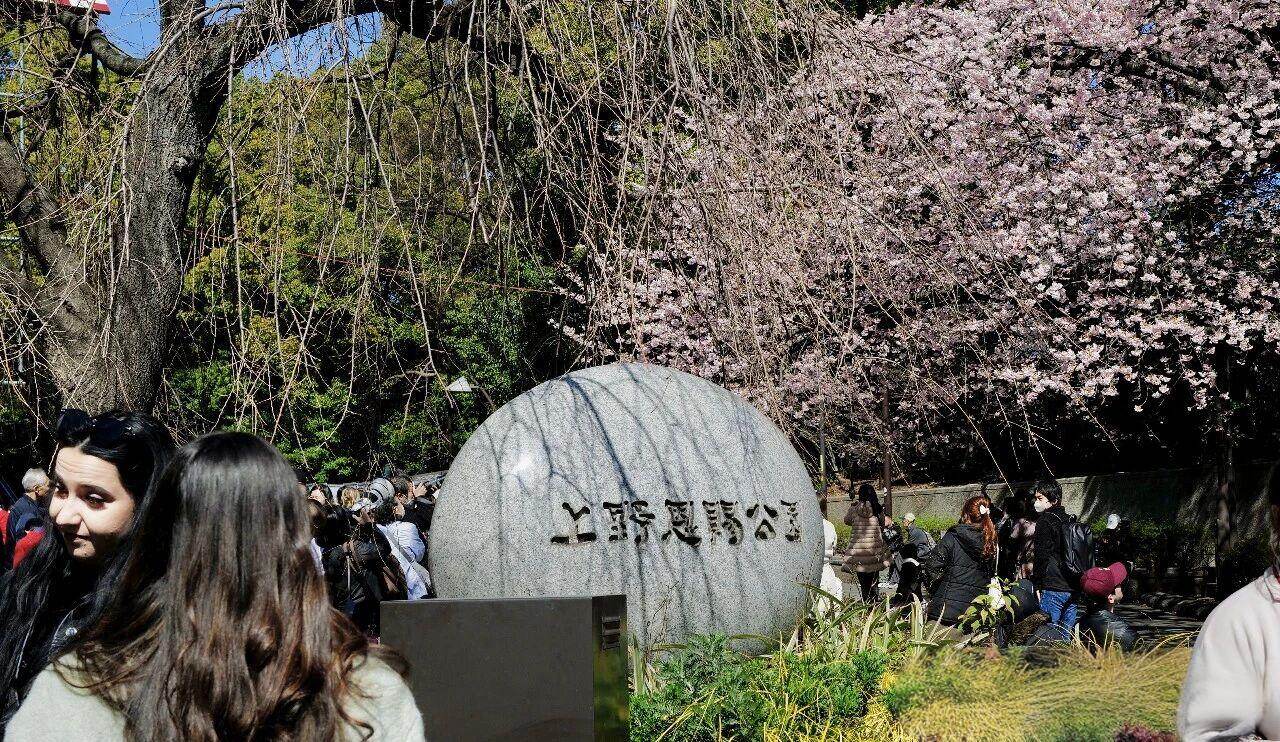
Ueno Park, officially known as Ueno Onshi Park, is a large urban park that blends nature and culture, serving as a green oasis within downtown Tokyo. With its spacious lawns, seasonal flower gardens, and famous cherry blossoms, the park attracts crowds daily. A leisurely ride on a pedalo or swan boat across Shinobazu Pond is highly recommended, allowing you to enjoy the scenery. The park is also surrounded by numerous cultural facilities and historical buildings, including museums and art galleries, ensuring you'll enjoy a full day. JR Ueno Station or Keisei Ueno Station are recommended for convenient access.
4.3. Ameyokocho Shopping Street
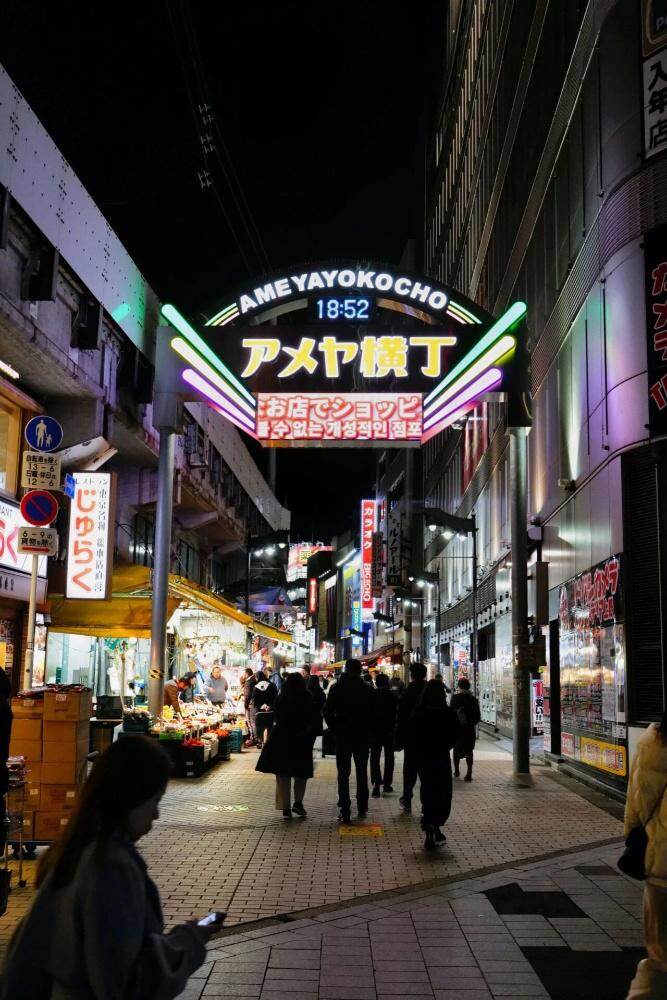
Ameyokocho Shotengai (Ameyokocho Shotengai), located between Ueno and Okachimachi Stations, is a vibrant shopping street stretching approximately 500 to 600 meters. Locals affectionately call it "Ameyoko." Currently, it boasts approximately 400 shops and is renowned as Tokyo's premier shopping street. Strolling through the street offers a unique immersion in the nostalgic atmosphere of Japan's downtown area.
A wide variety of goods are available, from fresh seafood, meat, and dried goods to fashionable clothing, household goods, and brand-name cosmetics. The ability to find what you're looking for at affordable prices is a key attraction of Ameyokocho.
You can also enjoy a variety of street food, such as yakitori (grilled chicken skewers), takoyaki (takoyaki), and fruit skewers, making it a great place to eat while strolling.
It's easily accessible from the Shinobazu Exit of JR Ueno Station or the Masahiro Exit of Keisei Ueno Station, ensuring you won't get lost.
It's also easily accessible from the North Exit of JR Okachimachi Station. From Okachimachi Station, walk through Ameyokocho Shopping Street and finally reach JR Ueno Station.
4.4. Tokyo National Museum
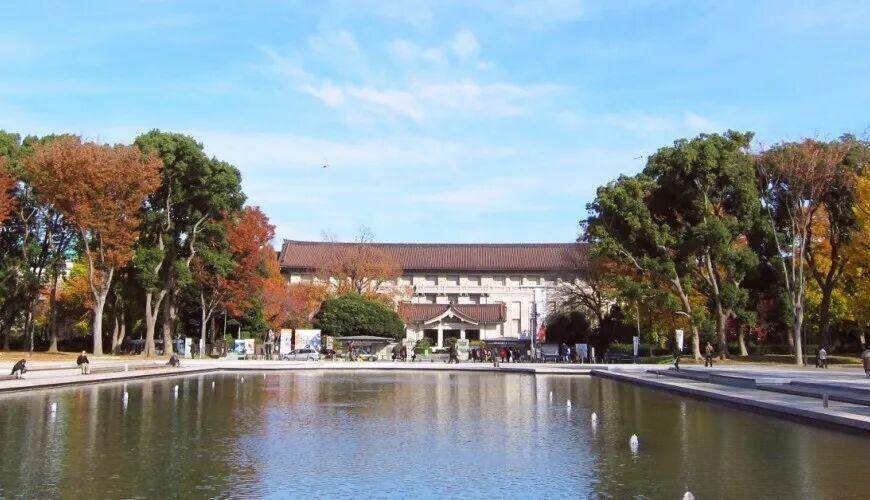
Founded in 1872, the Tokyo National Museum is Japan's oldest museum. It comprises six exhibition halls and houses approximately 120,000 artifacts, including numerous National Treasures and Important Cultural Properties. The main exhibition halls are the Main Building (Japan Wing), showcasing Japanese history and traditional culture, perfect for those seeking a deeper understanding of Japanese culture; and the Toyo Wing (Asia Wing), showcasing the cultural essence of various Asian countries. Furthermore, major special exhibitions, held three to five times a year, attract visitors from both Japan and abroad to immerse themselves in the culture and history of the museum. The museum is located within Ueno Park, approximately a 10-minute walk from the Park Exit of JR Ueno Station.
Two Recommended Routes from JR Ueno Station to Keisei Ueno Station
The walk between JR Ueno Station and Keisei Ueno Station takes approximately 5 to 7 minutes. Access can be via the Shinobazu Exit or the Central Interchange, depending on your preferred route.
Multilingual signage is available along the route, making it easy to navigate even for first-time visitors. If you have any questions, please ask the nearest station staff.
The following are two recommended routes.
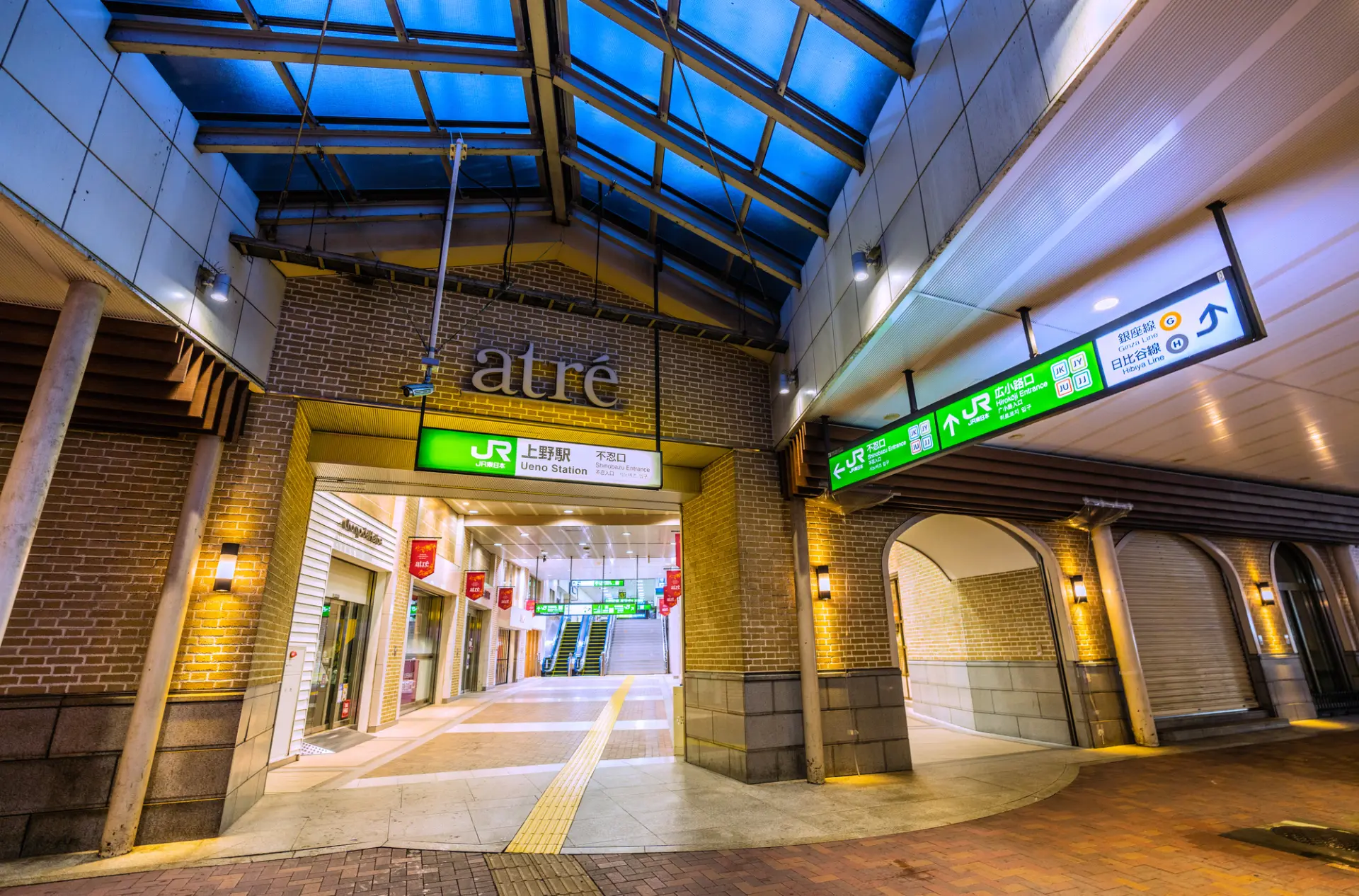
5.1 From the Shinobazu Exit
1. After passing the Shinobazu Exit gate, walk straight and take the escalator. Continue straight and exit the station through the Shinobazu Exit.
2. Walk right. When you see the crosswalk, cross the street and continue walking left.
3. After about a one-minute walk, you will see the Keisei-Ueno Station entrance. Take the escalator downstairs to reach the Keisei-Ueno Station gate.
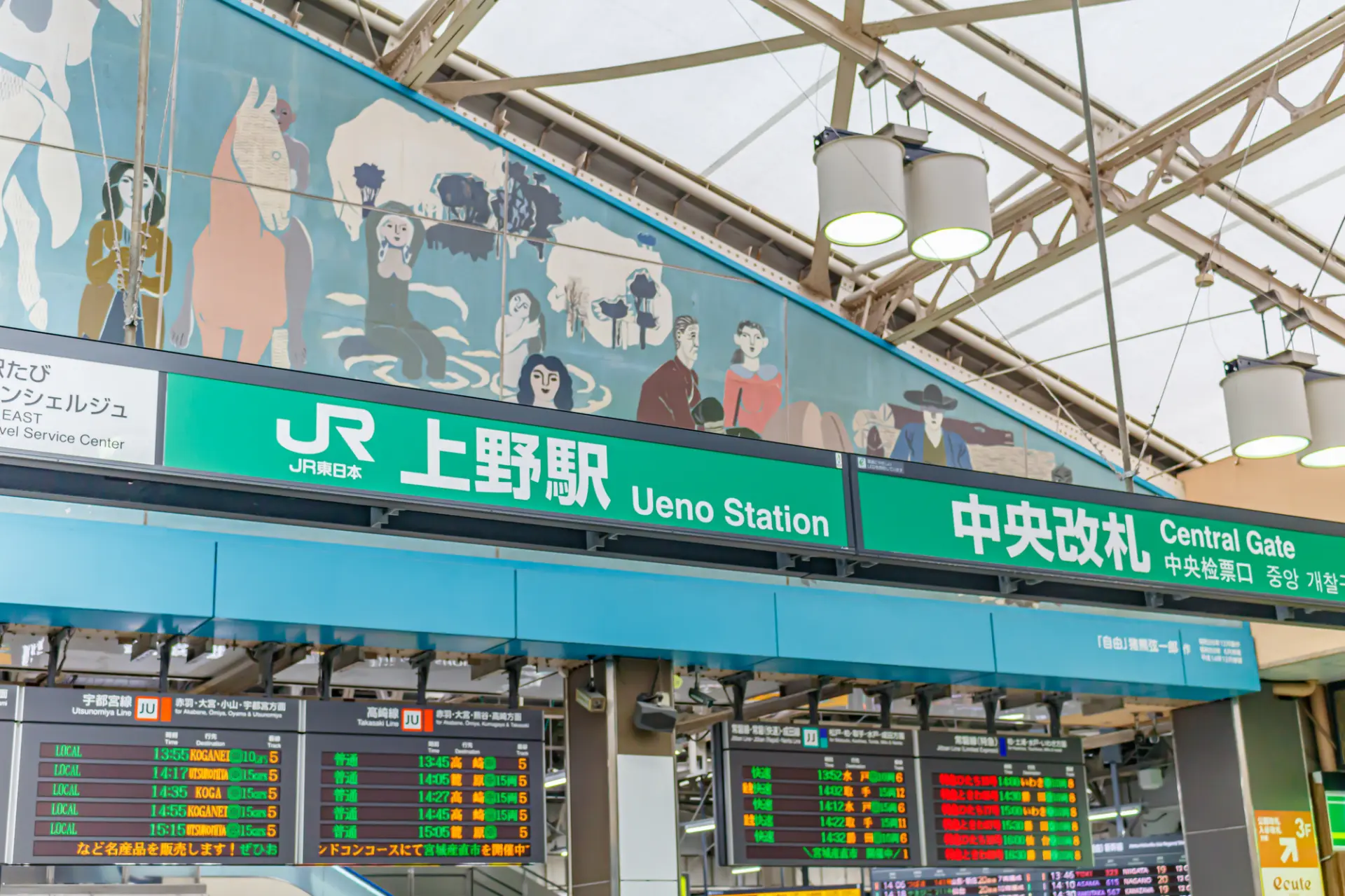
5.2 Directions from the Central Gate
1. After passing through the Central Gate, walk straight for about one minute and exit at the "Hirokoji Exit."
2. After exiting, turn right and follow the signs for "Keisei Ueno Station."
3. Continue straight until you see the crosswalk. After crossing, turn left and walk for about one minute to the entrance of Keisei Ueno Station.
6.能連接各上野站的「上野中央通地下步道」
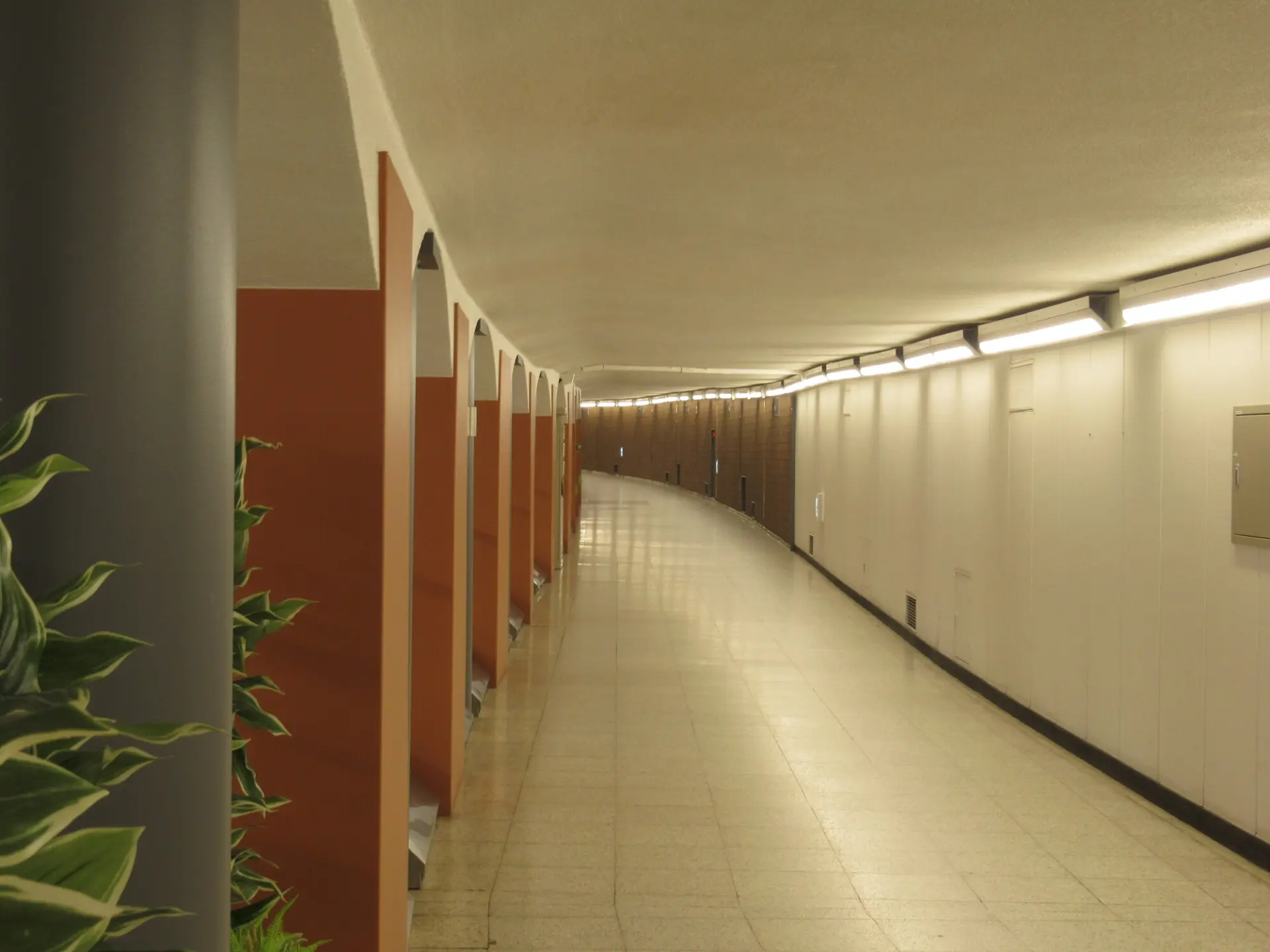
The Ueno Chuo-dori Underground Walkway connects JR Ueno Station, Keisei Ueno Station, and Ueno Station on the Tokyo Metro Ginza and Hibiya Lines.
The walkway also features convenient restaurants, shops, and vending machines.
Features of this walkway include:
- Spacious and Clean: The walkway is spacious and clean, making it a comfortable walk.
- No Traffic Lights: The walkway connects directly to all stations, eliminating the need to cross the road, making it safer and more convenient.
- Weather-Resistant: The walkway provides a comfortable experience, whether rainy or hot.
The walkway also connects to major tourist attractions like Ueno Park and Ameyokocho. We highly recommend considering the Ueno Chuo-dori Underground Walkway when planning your itinerary.