Tokyo Station Guide & Map: Navigate Exits & Transfers [2026]
![Tokyo Station Guide & Map: Navigate Exits & Transfers [2026]](https://static.japantrain.net/images/articles/cover-1778347074161.png?x-oss-process=image%2Fresize%2Cw_1600%2Climit_0%2Fformat%2Cwebp)
Key Takeaway: Navigating Tokyo Station takes about 15 minutes if you know the difference between the Yaesu (Shinkansen) and Marunouchi (Imperial Palace) exits. A standard reserved ticket on the Tokyo to Kyoto Shinkansen costs ¥14,170 and the ride takes 2 hours and 15 minutes. Skip the massive ticket office lines entirely and book train tickets online before you arrive.
Four thousand trains arrive here daily. The sheer scale of this massive transit hub can easily overwhelm even the most seasoned travelers. Our Tokyo Station Guide 2026: Map, Exits, Transfers & Tips cuts through the confusion entirely. This Tokyo Station Guide covers everything from platform layouts to the best food spots. You will learn exactly how to find your platform without breaking a sweat. And you might even find the perfect bowl of ramen along the way.
Quick Overview: The Ultimate Tokyo Station Guide
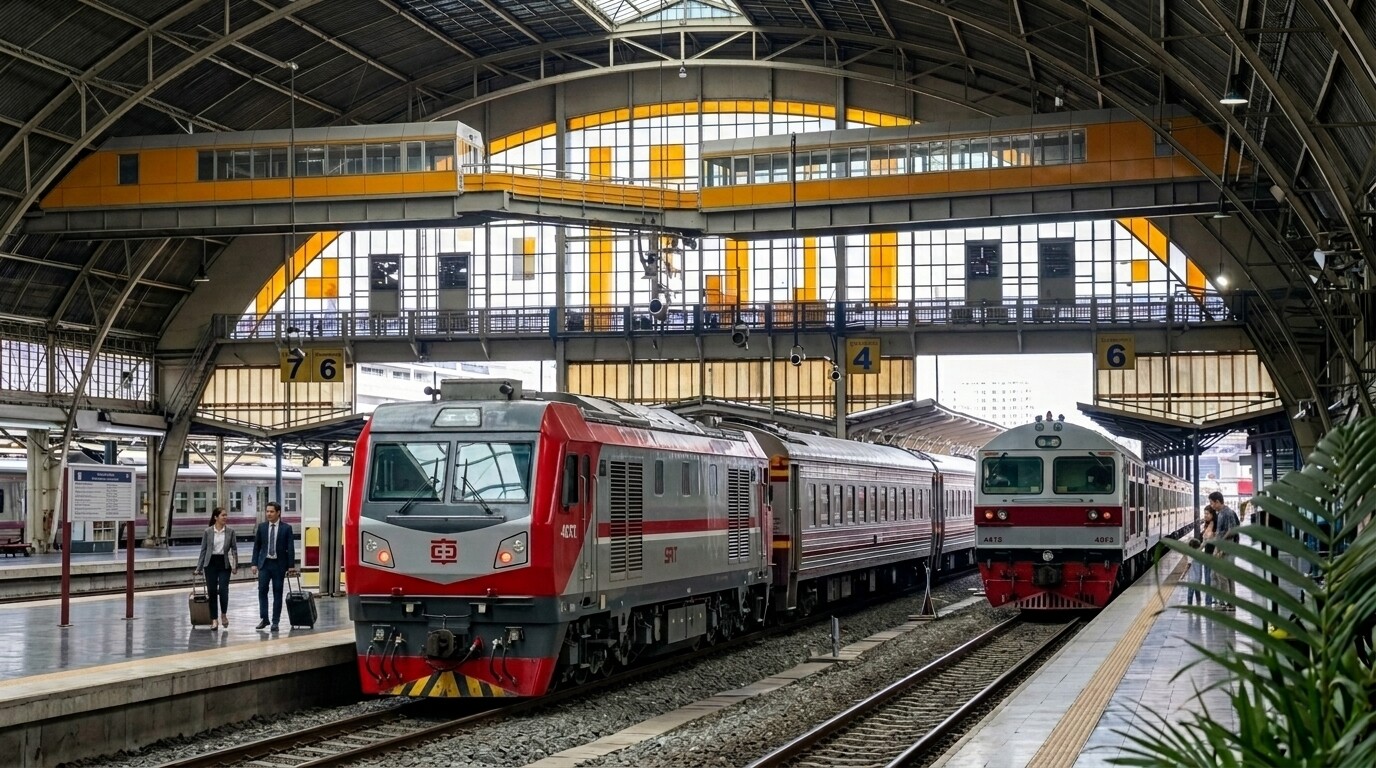
I still remember getting hopelessly lost here on my first trip. The station map looks exactly like a plate of tangled spaghetti thrown against a wall. But mastering this station just requires a few basic facts, and using a reliable Tokyo Station navigation guide is essential for first-time visitors. Tokyo Station handles over half a million passengers daily, making it Japan's busiest terminal by train volume. You simply need to memorize the layout.
- Two Main Sides: The station is split into the Yaesu side (East) and the Marunouchi side (West).
- Platform Levels: Ground floor tracks handle standard JR lines and Shinkansen departures.
- Underground Labyrinth: Deep basements house the Keiyo Line, Sobu Line, and Tokyo Metro Marunouchi Line.
- Transfer Times: Always budget 15 to 20 minutes for bullet train connections.
Decoding the Map: Yaesu vs. Marunouchi Exits
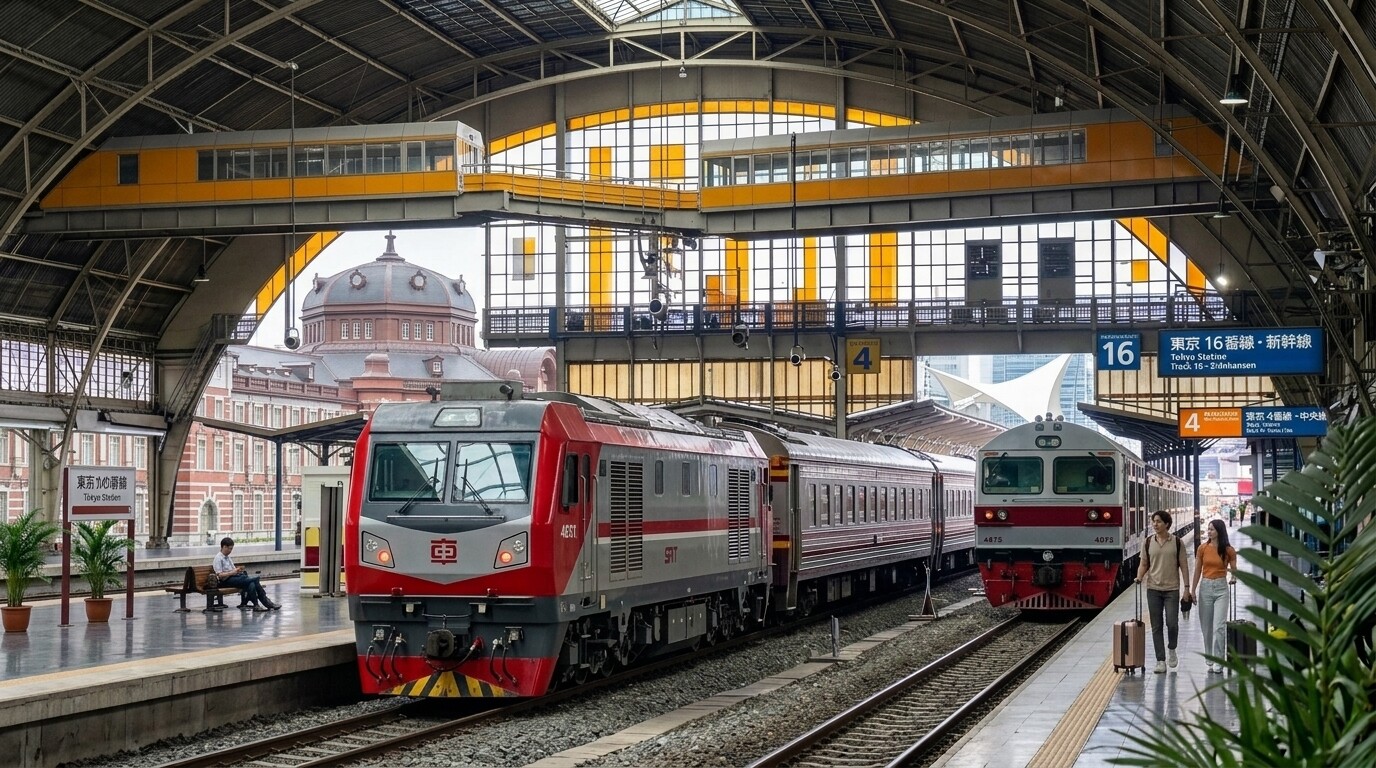
Most navigation errors happen the moment you step off the train. Travelers wander aimlessly looking for a specific exit. You must pick a side immediately. A proper Tokyo Station Guide always emphasizes this critical split. This Tokyo Station exit guide will help you pick the right door every time.
The Marunouchi Side (West)
This is the photogenic red-brick facade facing the Imperial Palace. You exit here for high-end hotels, corporate offices, and beautiful architecture. The Marunouchi side connects directly to the Tokyo Metro, but it is a 10-minute walk from the main Shinkansen platforms. If you are heading to Shinjuku via the Chuo Line, you will be closer to this side.
The Yaesu Side (East)
This side screams modern convenience. It sits right underneath the towering GranRoof structure. If you are catching a bullet train, this is your side. The Tokaido Shinkansen gates are steps away from the Yaesu Central exit. Whenever you are ready to leave the city, check latest prices on japantrain.net to secure your seat.
| Station Side | Best For | Shinkansen Access | Vibe | Action |
|---|---|---|---|---|
| Marunouchi (West) | Imperial Palace, Metro | 10-minute walk | Historic & Scenic | Book Tickets |
| Yaesu (East) | Bullet Trains, Buses | 1-minute walk | Modern & Fast | Book Tickets |
Mastering Shinkansen Transfers in 2026
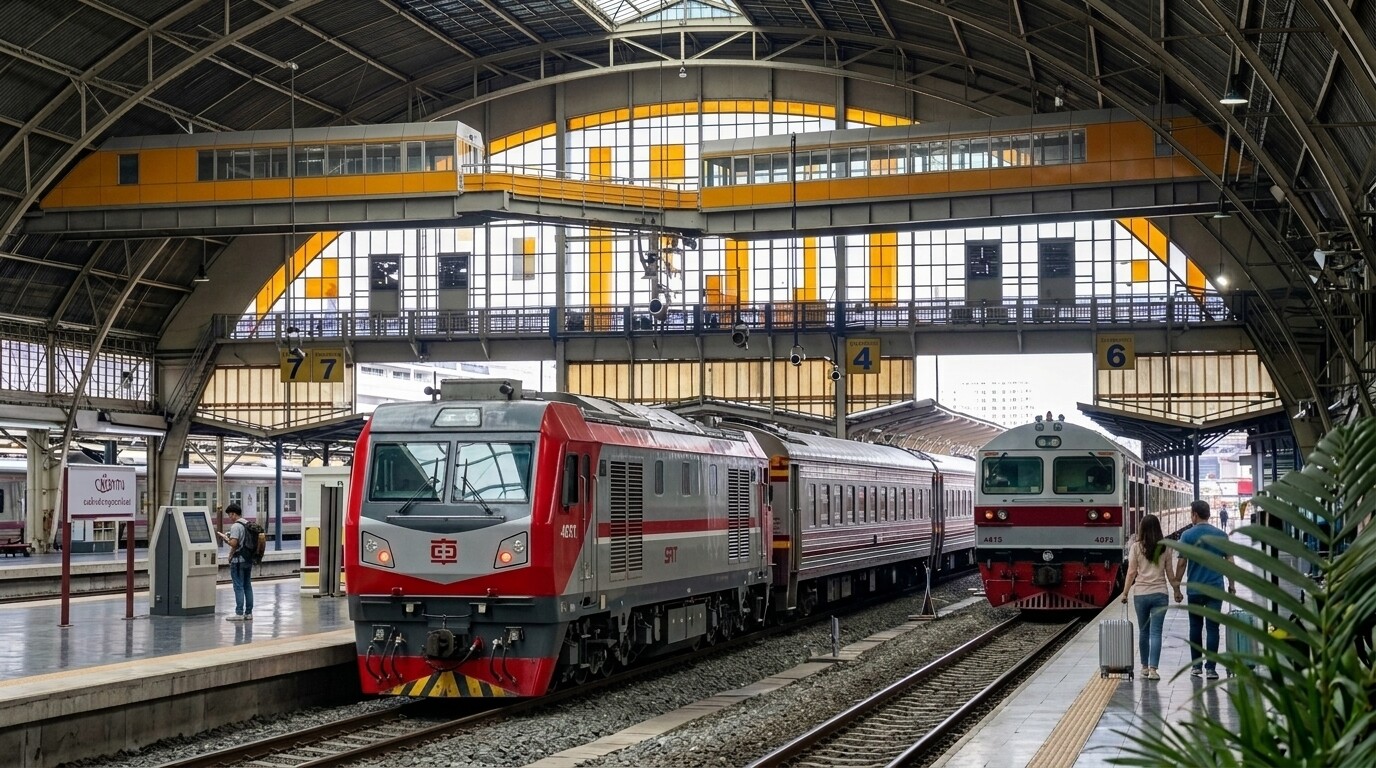
Most travelers just want to find their bullet train quickly. And JR makes this slightly confusing by operating two separate high-speed zones inside the same building. Any comprehensive Tokyo Station Guide must clarify these specific zones. Following a Tokyo Station travel guide ensures you do not miss your southbound train due to a simple signage misunderstanding.
JR Central vs. JR East Gates
The blue signs point to the Tokaido and Sanyo Shinkansen operated by JR Central. These trains run south to cities like Osaka and Hiroshima. The green signs lead to the Tohoku, Joetsu, and Hokuriku Shinkansen operated by JR East. These head north to places like Sendai or the snowy mountains of Nagano.
Always check the color of the Shinkansen signs—blue for southbound trains to Osaka, green for northbound trains to Hokkaido.
It takes about 12 minutes to walk from the local JR Chuo Line platforms to the bullet train gates. So do not cut it close. You can easily book your train tickets online to bypass the ticket machines entirely.
| Destination | Line (Color) | Avg. Duration | 2026 Base Fare | Reserve Seat |
|---|---|---|---|---|
| Tokyo to Osaka | Tokaido (Blue) | 2h 30m | ¥14,720 | Book Now |
| Tokyo to Nagano | Hokuriku (Green) | 1h 25m | ¥8,340 | Book Now |
| Tokyo to Sendai | Tohoku (Green) | 1h 35m | ¥11,410 | Book Now |
| Tokyo to Kanazawa | Hokuriku (Green) | 2h 30m | ¥14,380 | Book Now |
Airport Connections: Narita and Haneda Access
Getting to and from the airport is a major concern for international arrivals. No comprehensive Tokyo Station Guide would be complete without mentioning airport access. Tokyo Station serves as a primary hub for both Narita and Haneda airports, making it a critical point in your journey.
Narita Express (N'EX)
The Narita Express arrives at the deep underground Sobu Line platforms. The journey from Narita Airport to Tokyo Station takes exactly 53 minutes and costs ¥3,070 for a reserved seat. When you arrive, be prepared for a long escalator ride up to the main concourse. If you are transferring to a bullet train, allow at least 20 minutes to navigate from the Sobu platforms to the Shinkansen gates. Book your onward Shinkansen tickets in advance to ensure a smooth transition.
Haneda Airport Routes
Haneda Airport is much closer. You can take the Tokyo Monorail to Hamamatsucho and transfer to the JR Yamanote Line, which takes about 30 minutes total. Alternatively, the Keikyu Line connects to the Toei Asakusa Line, though this requires a short walk from nearby stations. For most travelers, the Monorail route is the simplest path into the main JR network.
Where to Eat and Store Luggage
Dragging a massive suitcase through crowded concourses is pure misery. A food-focused Tokyo Station Guide would point you straight to the basement levels. I highly recommend ditching your bags early so you can explore the station's massive underground food halls.
Finding Coin Lockers
Another essential Tokyo Station Guide tip is to avoid dragging bags while you eat, though finding an empty locker here feels like winning the lottery. Tokyo Station features over 4,000 coin lockers, but the ones near the main Yaesu exits fill up completely by 9:00 AM daily. Head down to the B1 level instead. The Gransta underground mall operates a massive baggage storage facility. It costs ¥800 per day for a large suitcase, according to the official JR East Station Guide.
Tokyo Ramen Street & Ekiben Matsuri
You cannot ride a bullet train without an ekiben (station bento). Ekiben Matsuri on the ground floor sells over 200 regional varieties from across Japan. If you have an hour to kill, head to Tokyo Ramen Street in the Yaesu underground. Rokurinsha serves an incredible tsukemen (dipping ramen). You will wait in line for 20 minutes. The rich, pork-heavy broth is entirely worth the wait. Make sure you check latest prices on japantrain.net and secure your departure time before you sit down to eat.
Shopping and Architecture: Beyond the Trains
For those interested in architecture, this Tokyo Station Guide highlights how the station is a destination in itself. The Marunouchi Station Building, originally completed in 1914, was beautifully restored to its pre-war glory in 2012. The domed ceilings inside the North and South Marunouchi exits feature stunning relief sculptures of the zodiac signs.
Gransta and Daimaru
If you need last-minute gifts, the Gransta shopping complex spans the basement levels inside and outside the ticket gates. You can find everything from high-end matcha sweets to exclusive Tokyo Banana flavors. On the Yaesu side, the Daimaru department store occupies the lower floors of the GranTokyo North Tower. The basement food floor (depachika) offers gourmet takeaway options that rival top restaurants.
6 Pro Tips for Surviving Tokyo Station
This Tokyo Station Guide wouldn't be complete without a few insider secrets:
- Look up, not down. The ceiling signs are highly accurate and color-coded. Follow the yellow signs for exits and the green/blue signs for bullet trains.
- Avoid the Keiyo Line transfer trap. Walking to the Keiyo Line (for Tokyo Disney) takes 15 minutes of fast walking through deep underground tunnels. Budget your time.
- Buy tickets digitally. The Midori-no-Madoguchi (ticket office) lines often exceed 45 minutes during peak seasons. You save massive amounts of time when you book via japantrain.net.
- Use the Marunouchi Underground exits for Metro transfers. This is the fastest way to reach the Marunouchi subway line. If you are tracking service changes, read the Namboku Line Status: Tokyo Metro Live Updates [2026].
- The Suica card is your best friend. Tap through local gates effortlessly. You can even link some digital Shinkansen tickets directly to your IC card.
- Know your train name. The Tokaido Shinkansen runs Nozomi, Hikari, and Kodama trains. They depart from the same tracks but make vastly different stops.
Frequently Asked Questions
How long does it take to transfer at Tokyo Station?
According to our Tokyo Station Guide, you should budget at least 15 to 20 minutes for transfers at Tokyo Station, especially when moving between the Shinkansen platforms and local JR lines.
What is the difference between the Yaesu and Marunouchi exits?
The Yaesu side (East) provides the fastest access to Shinkansen gates and modern shopping, while the Marunouchi side (West) features the historic red-brick facade.
How much is a train ticket from Tokyo to Kyoto?
A standard reserved seat on the Shinkansen from Tokyo to Kyoto costs approximately ¥14,170 and the journey takes about 2 hours and 15 minutes. Book your tickets online to guarantee a seat.
Where is the best place to book Tokyo train tickets?
Travelers can book train tickets online at japantrain.net to skip long ticket office lines and secure their seats before arriving at the station.
Which exit is best for the Tokyo Metro Marunouchi Line?
The Marunouchi Underground exits provide the most direct access to the Tokyo Metro Marunouchi Line and the surrounding Otemachi business district.
Is Tokyo Station the busiest station in Japan?
As this Tokyo Station Guide explains, Tokyo Station is Japan's busiest terminal by train volume, handling over 4,000 trains and more than half a million passengers every single day.