2026 Japan Train Guide: Shinkansen, JR Pass & Travel Tips

Japan’s extensive and high-precision transportation network is a cornerstone of its tourism appeal, offering unparalleled efficiency for independent travelers. While the sheer variety of transit modes—spanning high-speed rail, intricate urban subways, and regional bus networks—can initially seem daunting, mastering the system is the key to a seamless Japanese adventure.
This comprehensive 2026 guide deciphers the complexities of Japan’s transit infrastructure. We provide expert insights into the most cost-effective ticketing strategies, professional terminology, and logistical tips to ensure your journey across the archipelago is both smooth and economical.
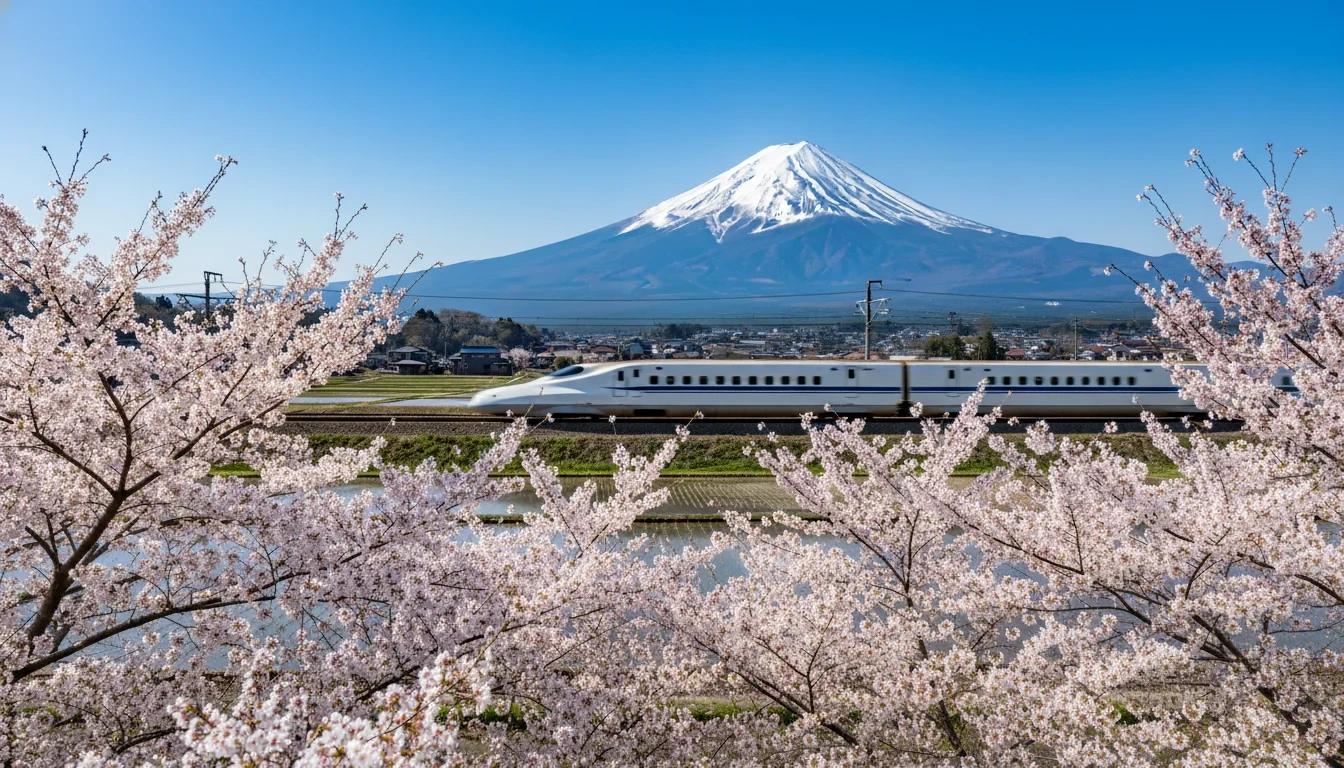
1. The JR Railway Network: The Backbone of Intercity Travel
The Japan Railways (JR) Group operates the most significant portion of the country’s rail infrastructure. This nationwide network is categorized into various service levels designed for different travel distances and speeds.
Understanding Service Categories
The Japan Rail Pass (JR Pass) in 2026
The Japan Rail Pass remains a powerful tool for multi-regional itineraries. It provides unlimited travel on most JR-operated lines. However, travelers should note that the "Nozomi" and "Mizuho" Shinkansen services require a special supplemental ticket even with the pass. In the 2026 landscape, evaluating the cost-benefit ratio of the JR Pass is crucial given the recent price adjustments; it is most effective for those covering long distances (e.g., Tokyo to Hiroshima or Hokkaido) within a 7, 14, or 21-day window.
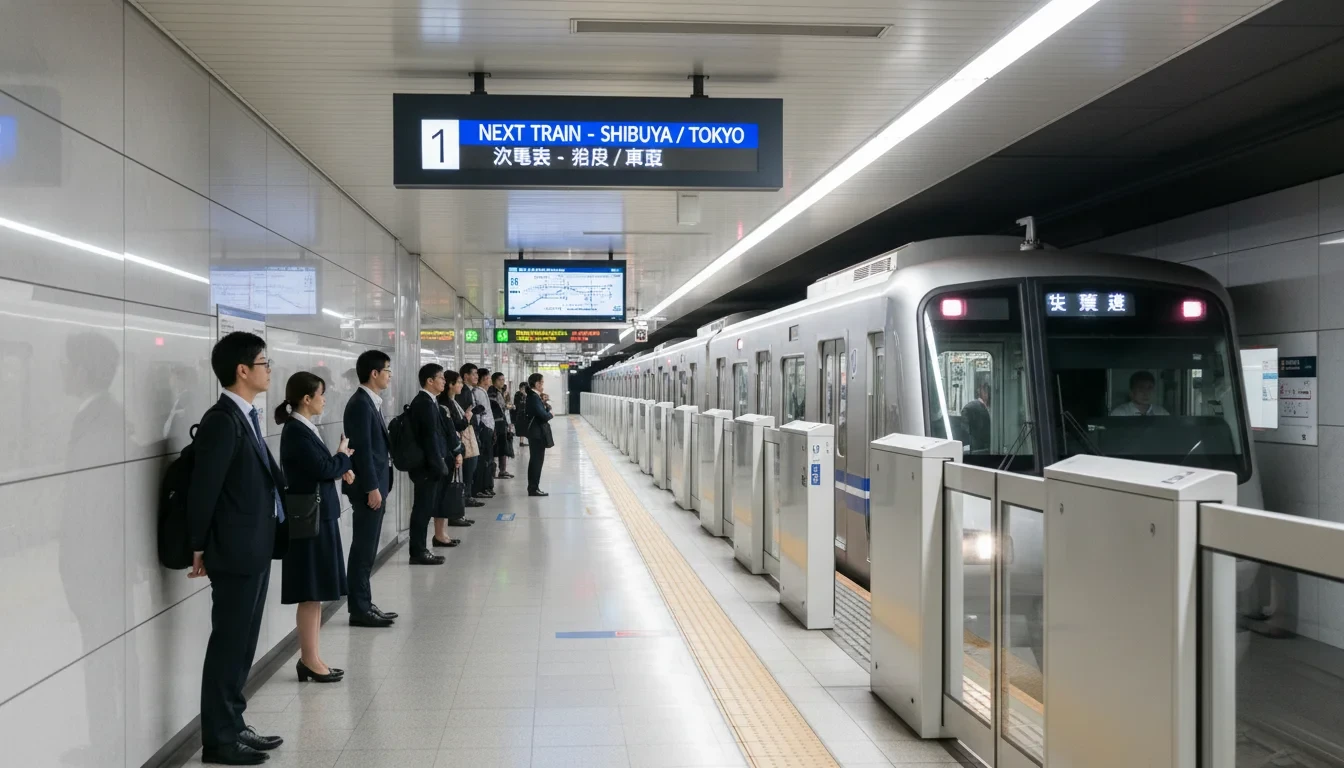
2. Urban Mobility: Subways and Municipal Transit
In Tier-1 cities like Tokyo, Osaka, and Nagoya, the subway is the most efficient mode of transport. These systems are often a mix of public and private operators, such as Tokyo Metro and Toei Subway.
Navigating Transfers and Ticketing
Urban transit often involves transferring between different operators. To streamline this, IC Cards (Integrated Circuit cards) like Suica, PASMO, and ICOCA are indispensable. By 2026, most travelers utilize mobile versions (Apple Wallet/Google Pay) for "touch-and-go" entry. For heavy sightseeing days, consider the "Subway 24-hour Ticket" which can significantly reduce the "cost-per-ride" in dense metropolitan areas.
3. Regional and Rural Access: Bus Systems
Buses are vital for reaching destinations where the rail gauge doesn't reach, such as the historic districts of Kyoto, the mountainous regions of Nagano, or the coastal areas of Okinawa.
Operational Etiquette and Fare Payment
Most Japanese regional buses utilize a "rear-entry, front-exit" system. Upon boarding, passengers should take a Seiri-ken (numbered boarding ticket). This ticket corresponds to a digital fare board at the front of the bus, which updates in real-time. Fares are paid at the Ryogeki (fare box) next to the driver upon disembarking. While IC cards are increasingly accepted nationwide, carrying small denominations of yen is still recommended for rural routes.
4. Specialized Transport: Taxis and Private Charters
While public transit is the gold standard, certain scenarios call for private vehicular transport.
Taxis and Ride-Hailing
Standard taxis are premium-priced but offer unmatched convenience for "last-mile" connectivity. Apps like S.RIDE and Go are the dominant platforms in Japan, while Uber primarily functions as a dispatch service for licensed taxi companies.
Private Chartered Cars
For high-net-worth travelers, families with elderly members, or small groups, a Private Charter (Ryokousha) provides a customized itinerary. This is particularly advantageous for exploring the "Deep Japan" regions—like the shrines of Nikko or the villages of Shirakawa-go—where public transit schedules can be restrictive.
5. Expert Tips for Seamless Navigation
Summary: Choosing Your Transport Strategy
Travel Scenario Recommended Mode Key Advantage Cross-Country (e.g., Tokyo to Osaka) Shinkansen / JR Pass Extreme speed and punctuality Major City Exploration Subway / Day Pass High frequency and density Remote Temples & Nature Local Bus / Private Charter Direct access to off-beaten-path spots Late Night / Heavy Luggage Taxi / Uber Door-to-door convenience
By integrating these professional transit strategies, your 2026 trip to Japan will be defined by discovery rather than logistics. Safe travels on the world's most sophisticated rail network.
Frequently Asked Questions
Q: What are the different types of JR train services in Japan?
A: The JR network is divided into several service levels: Shinkansen (Bullet Train) for high-speed intercity travel, Tokkyu (Limited Express) for fast travel between major stations, Kyuko (Express) and Kaisoku (Rapid) for faster local service, and Futsu (Local) which stops at every station.
Q: Do all Japanese trains require a supplemental fee?
A: The Shinkansen and Tokkyu (Limited Express) trains require a supplemental fee in addition to the base fare. Usually, Express and Local trains do not require extra fees.
Q: Is the Japan Rail Pass still a good option for travelers in 2026?
A: Yes, the Japan Rail Pass remains a key tool for international travelers in 2026, providing unlimited travel on most JR-operated lines, which is especially cost-effective for multi-regional itineraries.