JR Yamanote Line: Map, 30 Stations, Tickets & Passes

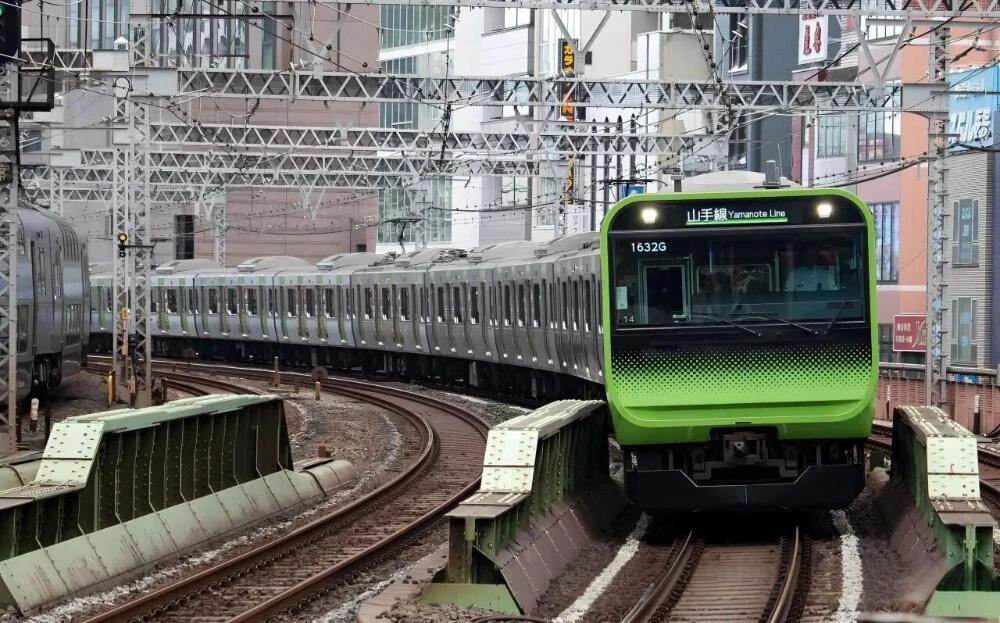
Cover: a JR East E235-series train on the Yamanote Line, shown as one example of Tokyo urban rail. Based on a 2017 reference; this image is not a current station or boarding guide. Reference: aqz-tmin · CC0 1.0. Visual adaptation.

Key takeaway: The JR Yamanote Line connects 30 stations around central Tokyo. Choose the shorter direction, check the station display before boarding, and compare individual fares with a day pass for your actual itinerary. The line is operated by JR East; a subway-only ticket does not cover it.
Use this JR Yamanote Line guide to find the complete station list, open the official Tokyo railway map, choose tickets or passes, and plan around busy periods and the last train. Tokyo, Shinjuku, Shibuya, Shinagawa, Ueno and Ikebukuro are among its useful interchange stations.
Yamanote Line map and all 30 stations
Open JR East's official Tokyo railway and subway map (PDF) to see the Yamanote loop alongside connecting lines. The map reviewed for this guide is marked April 1, 2026. It also shows the wider Suica/PASMO network: that map is not a diagram of one day pass's coverage.
The following list runs clockwise from Tokyo. Tokyo is shown once; after Kanda the next station is Tokyo again. Takanawa Gateway belongs between Tamachi and Shinagawa.
- Tokyo
- Yurakucho
- Shimbashi
- Hamamatsucho
- Tamachi
- Takanawa Gateway
- Shinagawa
- Osaki
- Gotanda
- Meguro
- Ebisu
- Shibuya
- Harajuku
- Yoyogi
- Shinjuku
- Shin-Okubo
- Takadanobaba
- Mejiro
- Ikebukuro
- Otsuka
- Sugamo
- Komagome
- Tabata
- Nishi-Nippori
- Nippori
- Uguisudani
- Ueno
- Okachimachi
- Akihabara
- Kanda
Inner loop or outer loop: which direction should you take?
Outer loop means clockwise; inner loop means counterclockwise. From Tokyo, the clockwise route starts toward Yurakucho and Shinagawa; the counterclockwise route starts toward Kanda and Ueno. Compare both directions for the station you want rather than following the same direction for every trip.
Check the line name, direction and destination on the platform display. Other JR services can share a station or run beside the Yamanote Line. A circular route does not mean every departure continues around the entire loop, particularly near the end of service. If you miss your stop, check the next station and remaining services before deciding how to return.
Yamanote Line tickets, fares and IC cards
For an ordinary Yamanote Line journey, use a valid paper ticket or a compatible IC card such as Suica or PASMO. These commuter trains do not use Shinkansen-style reserved-seat tickets. Buy the correct ticket at a station machine, or tap in and out with the same IC card and enough balance for the journey.
The fare depends on the origin, destination and applicable ticket rules. Check the current station machine or journey planner for your exact trip. JR East's Tokyo 1-Day Ticket page currently gives an example of JR fares from ¥160, with the amount depending on the route; this is not a universal fare for every Yamanote trip. Paper and IC fares can differ, so do not assume one always saves a fixed amount.
An IC card is a convenient payment method, not automatically an unlimited-travel pass. A single ticket also does not permit repeated exits and re-entry for sightseeing. Compare the total for your planned separate journeys before buying a pass.
Which day pass covers the Yamanote Line?
The prices below are the JR East official published prices checked on October 10, 2026. Adults are age 12 and older; child prices apply to ages 6–11. Both products are valid for one day. Confirm current conditions and the permitted area before buying.
| Product | Adult / child | Coverage to compare with your plans |
|---|---|---|
| Tokyo Metropolitan District Pass (Tokunai Pass) | ¥870 / ¥430 | Non-reserved seats in ordinary cars of JR East ordinary and rapid trains within Tokyo's 23 wards, including the Yamanote Line. |
| Tokyo 1-Day Ticket (Tokyo Free Kippu) | ¥1,720 / ¥860 | The permitted JR East ordinary/rapid trains in the 23 wards, Tokyo Metro and Toei Subway, Nippori-Toneri Liner, Tokyo Sakura Tram and eligible Toei buses. |
The Tokunai Pass is useful to compare for a day of several JR journeys. It does not include Tokyo Metro or Toei Subway. The broader Tokyo 1-Day Ticket may suit a mixed itinerary, but it does not include every private railway or bus operator; late-night and reserved-seat Toei buses are excluded.
For either pass, add up the journeys you actually intend to make and compare the total with the pass price. A pass does not guarantee savings if you only take a few short trips. JR East lists reserved-seat ticket vending machines within the usage area as purchase locations. See the official Tokunai Pass conditions and Tokyo 1-Day Ticket conditions for the current area and rules.
Can you use the Japan Rail Pass?
A valid nationwide Japan Rail Pass covers ordinary Yamanote Line travel. Do not assume a regional pass has identical coverage, and do not assume the nationwide pass covers Tokyo Metro, Toei Subway or every private connection. Read the product's official coverage rules. If you already hold a valid pass, take that coverage into account before buying another JR day pass.
Busy times, luggage and service frequency
The Yamanote Line is a commuter railway. For sightseeing with luggage, allow for crowding during weekday morning and evening commuting periods. As a practical planning buffer, consider traveling outside roughly 07:00–09:00 and 17:00–19:00 when possible; these are broad planning windows, not measured peak times for every station or carriage. Events, weekends and disruptions can also create crowds.
Trains normally run frequently during the day, but intervals change by time, direction and operating conditions. Check the next departures rather than relying on a fixed daily train count or a guaranteed interval. Let passengers leave first, keep doorways clear and avoid blocking the aisle with bags.
First and last trains: check your station and destination
There is no single last-train time for the whole Yamanote Line. The last usable service depends on your boarding station, direction, destination, date and any onward connection. Check a current journey planner and station departure information for the actual trip. A late train may finish before your destination or leave you without a connecting service.
For a late evening out, check the return journey before you leave your hotel. Keep a margin for walking to the station, finding the correct platform and changing lines. Recheck service information on the day if there is a disruption.
Useful stations and onward connections
Tokyo
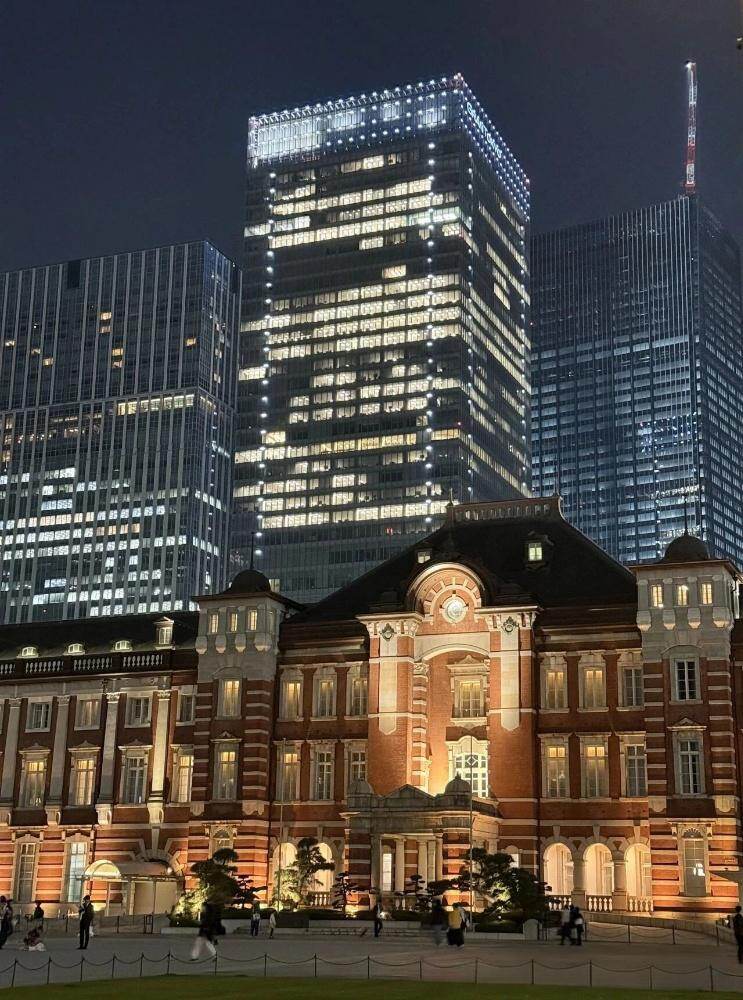
Tokyo is a major interchange for local JR services and multiple Shinkansen routes. Choose the Marunouchi or Yaesu side for your destination and leave time to reach the correct gate. Kawaguchiko is not a direct Shinkansen destination. For onward travel, use our Tokyo Station map guide and Tokyo–Kyoto ticket guide.
Shinjuku
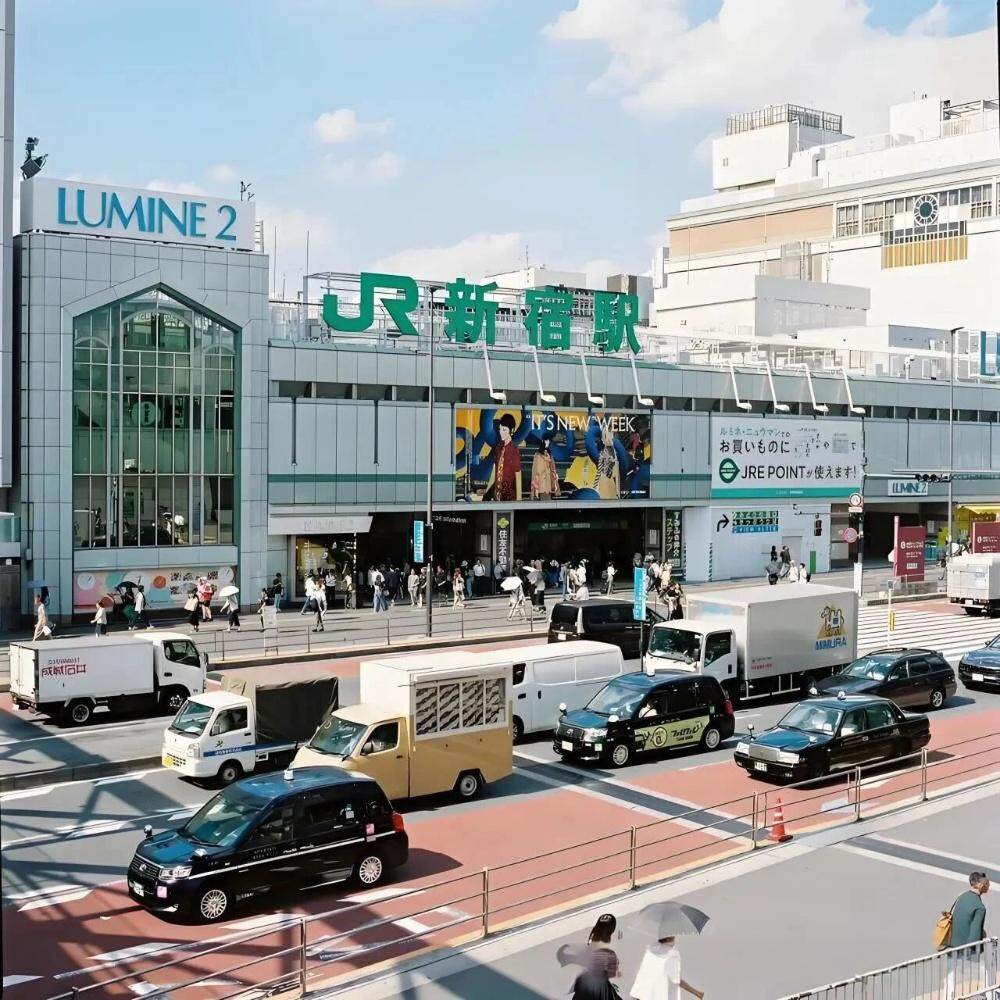
Shinjuku connects several JR and private railway lines. Decide which exit serves your hotel or attraction before arriving; the station has multiple gates and passages. Follow signs for the exact operator and line when changing trains.
Shibuya
Shibuya is useful for the crossing, Hachiko area and surrounding shopping streets. Major redevelopment means walking routes can change. Miyashita Park is in the Shibuya area; it should not be described as directly connected to Harajuku Station. Use current station and attraction access information.

Ikebukuro
Ikebukuro offers JR, subway and private railway connections. Check east or west access for your destination, and allow time for an unfamiliar interchange.
Ueno
Ueno is useful for Ueno Park and museums, as well as onward JR journeys. JR Ueno and Keisei Ueno are separate stations; allow time to walk if your itinerary uses both.
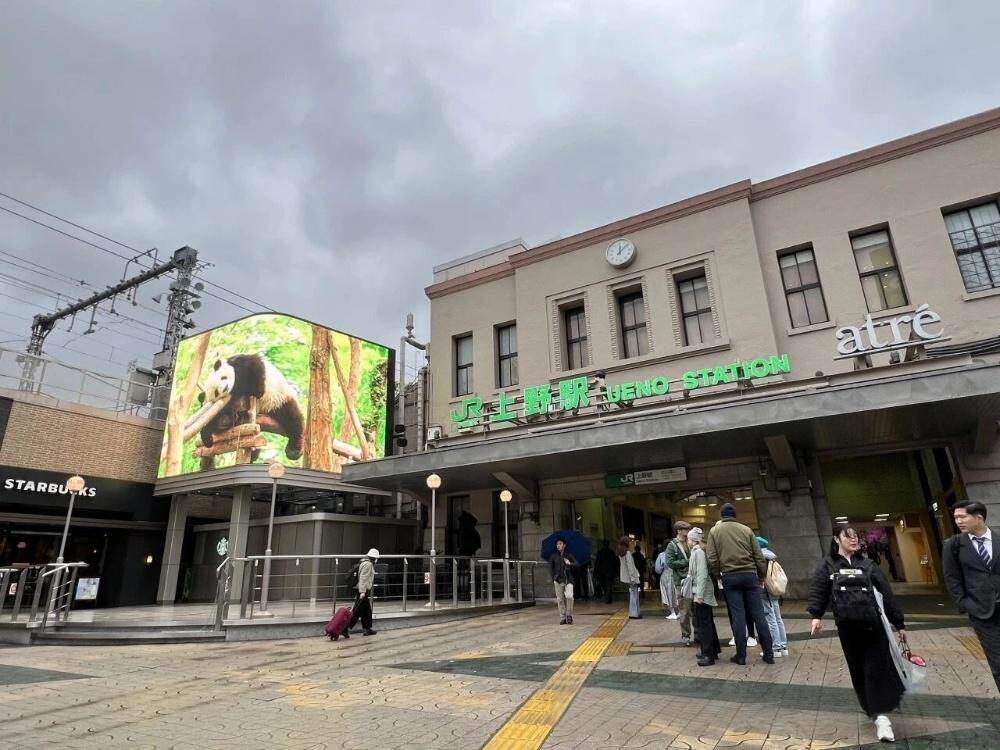
Takanawa Gateway
Takanawa Gateway is a Yamanote and Keihin-Tohoku Line station between Tamachi and Shinagawa. Include it when reading the current 30-station loop. Check official access information for nearby facilities rather than relying on an old redevelopment opening date.
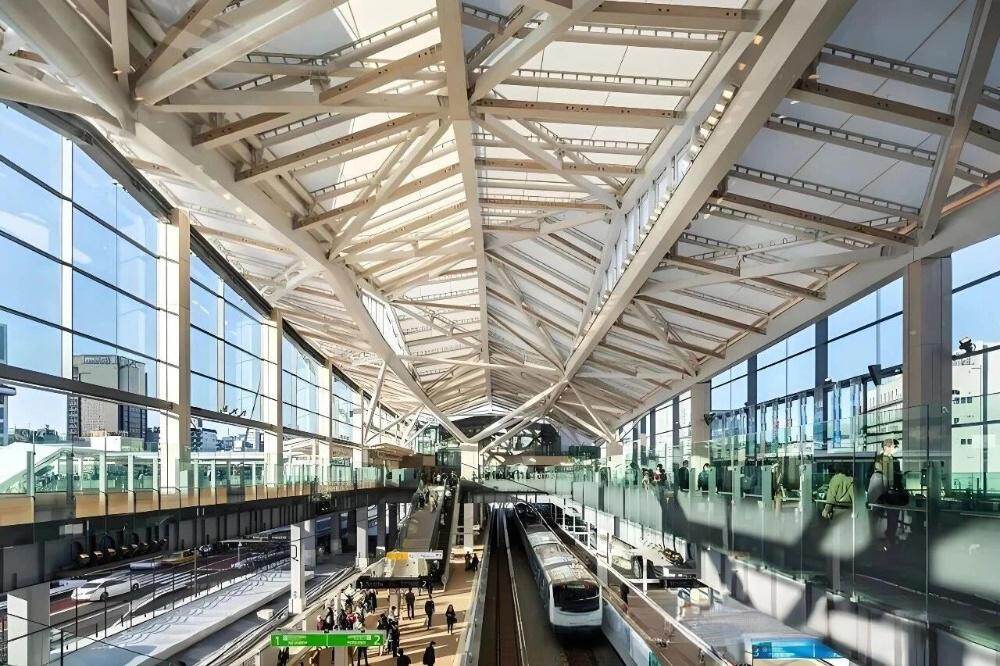
Shinagawa
Shinagawa is useful for the Tokaido Shinkansen and Keikyu connections toward Haneda Airport. Airport travel requires changing services; the Yamanote Line itself does not go to Haneda. See our Shinagawa Station guide.
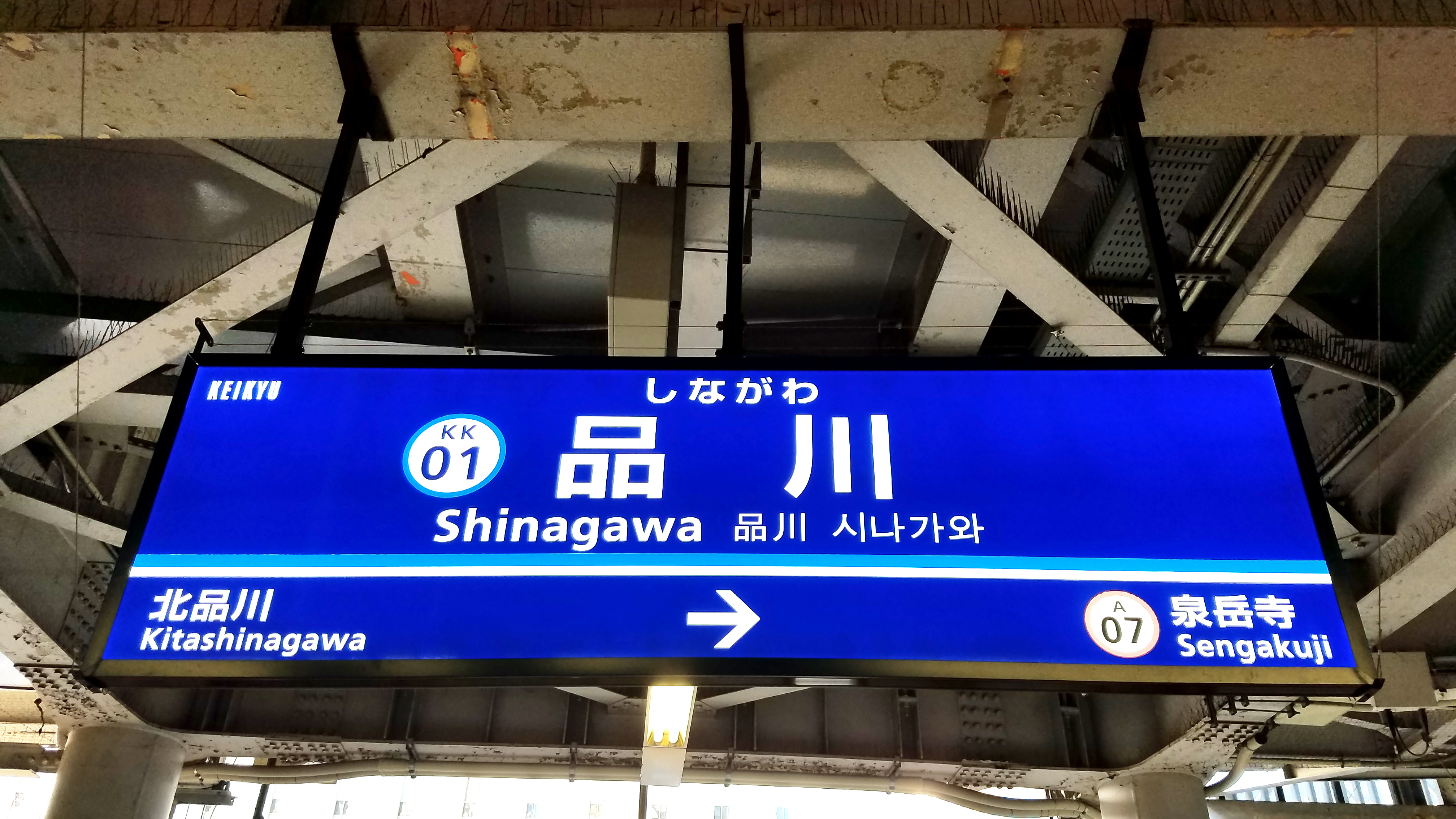
Photo: LERK · Keikyu-railway-KK01-Shinagawa-station-sign-20190122-152248.jpg / Wikimedia Commons · CC BY-SA 4.0. Source photograph, no additional edits.

Akihabara
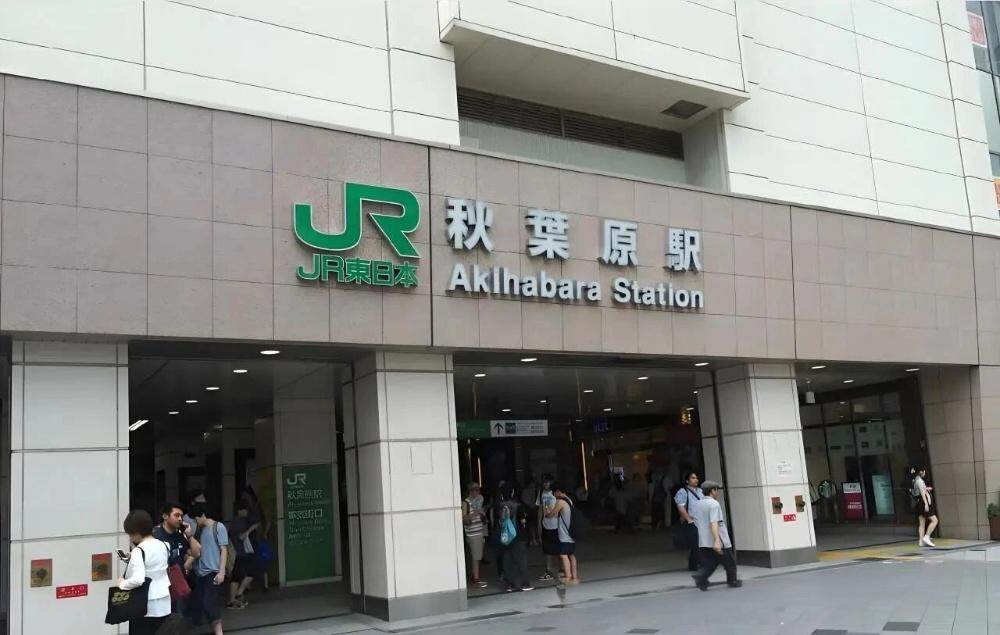
Akihabara is useful for electronics, anime and gaming shops. It is also an interchange with other rail services. Select the correct exit for your destination rather than assuming every attraction is beside the same gate.
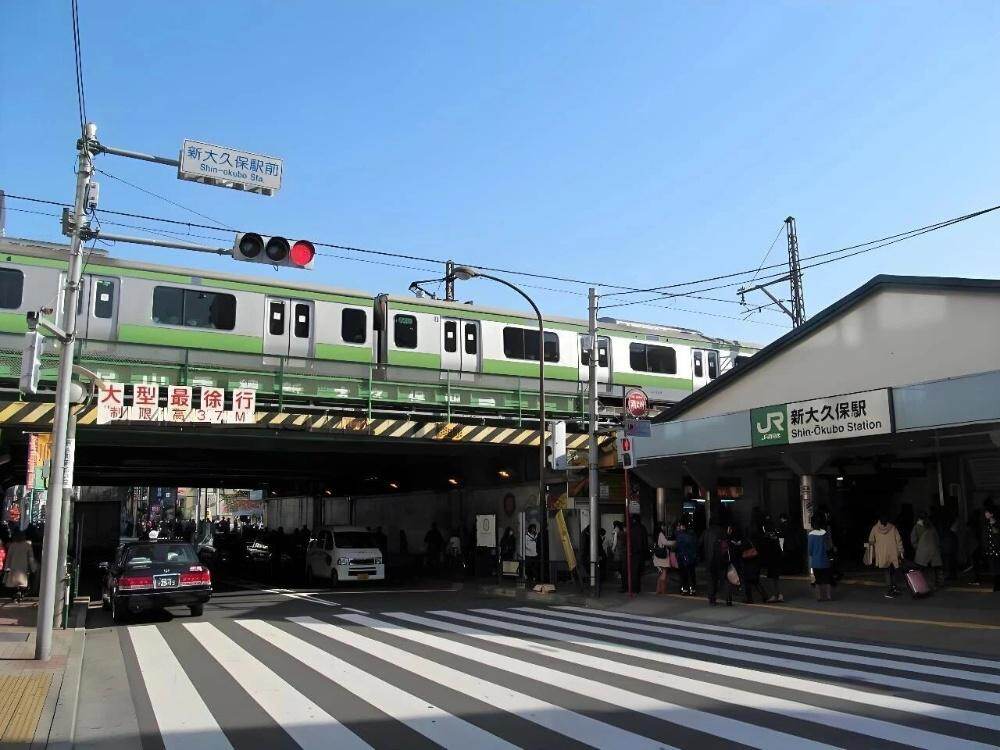
Shin-Okubo
Shin-Okubo is the Yamanote stop next to Shinjuku toward Takadanobaba. It serves the surrounding restaurant and shopping district. Nearby Okubo Station is a different JR station, so check the name carefully.
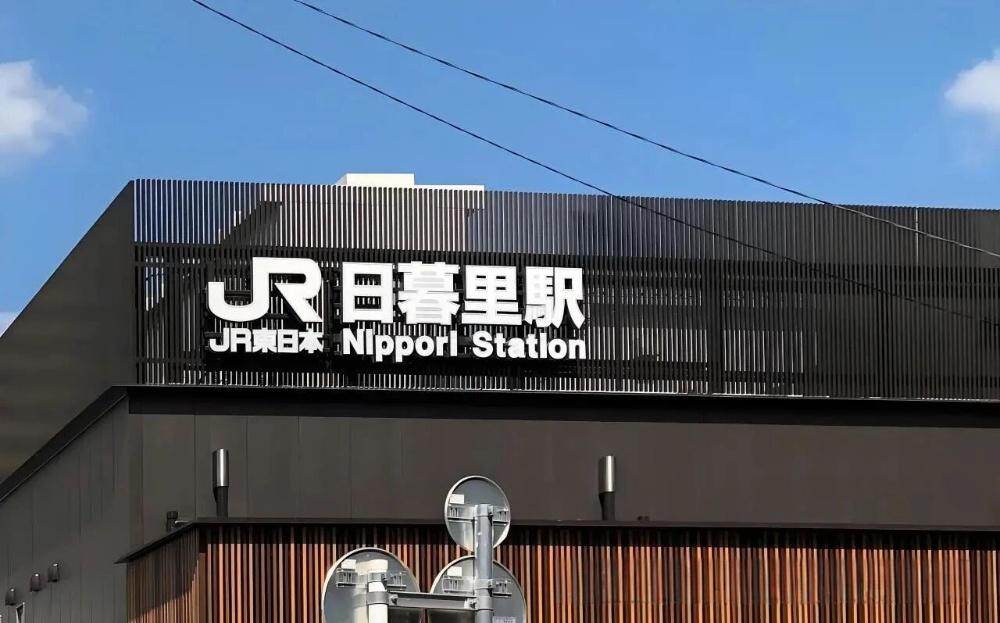
Nippori
Nippori connects JR lines, Keisei services and the Nippori-Toneri Liner. It is useful for Keisei journeys toward Narita Airport and for the Yanaka area. Nippori itself is not a Tokyo Metro station; the Chiyoda Line interchange is at neighboring Nishi-Nippori.
Frequently asked questions
How many stations are on the Yamanote Line?
The Yamanote Line has 30 stations, including Takanawa Gateway between Tamachi and Shinagawa. Use the full station list and JR East's current Tokyo network map in this guide.
Which direction is the Yamanote inner loop?
The inner loop runs counterclockwise and the outer loop clockwise. From Tokyo, the inner loop starts toward Kanda and Ueno; the outer loop starts toward Yurakucho and Shinagawa. Check the departure display for your destination.
Do I need to book a Yamanote Line ticket?
Ordinary Yamanote journeys do not require a reserved-seat booking. Use a valid paper ticket, a compatible IC card with sufficient balance, or an eligible rail pass, and check the correct fare for your trip.
How much does the Yamanote Line cost?
The fare depends on the origin, destination and ticket rules. JR East currently gives an example of JR fares from ¥160, depending on the route. Check your exact journey at a station machine or current planner rather than treating that amount as a flat fare.
Which day pass includes the Yamanote Line?
The Tokunai Pass covers eligible JR East journeys within Tokyo's 23 wards and costs ¥870 for adults or ¥430 for children ages 6–11. The Tokyo 1-Day Ticket costs ¥1,720 or ¥860 respectively and adds specified subway, tram, liner and bus services. These official prices were checked on October 10, 2026; compare current coverage and your planned fares before buying.
Is the Yamanote Line covered by the Japan Rail Pass?
Ordinary Yamanote Line travel is covered by a valid nationwide Japan Rail Pass. Regional passes have their own conditions. Tokyo Metro, Toei Subway and private railway connections should be checked separately.
When are Yamanote Line trains busiest?
Weekday commuting periods can be crowded. For sightseeing with luggage, consider avoiding roughly 07:00–09:00 and 17:00–19:00 when practical. These are broad planning windows, not exact peak times for every station; events and disruptions can also affect crowds.
What time is the last Yamanote Line train?
The last usable train depends on your boarding station, direction, destination and date. Check a current journey planner and the station display, including any onward connection. Do not assume a late departure completes the entire loop.