Tokyo Station Guide 2026
Tokyo Station is not only the transportation hub of Tokyo, but also a symbol of Japan's century-old railway history. This red-brick building, first constructed in 1914, now handles over 460,000 passengers daily, making it one of Japan's busiest and most complex transportation centers. This guide will provide a detailed analysis of this maze-like station to ensure your Tokyo journey proceeds smoothly.
1️⃣ Tokyo Station Overview
Tokyo Station is located at 1 Marunouchi, Chiyoda Ward, Tokyo. It is a massive transportation complex with three above-ground floors and five underground levels, covering a total floor area of 182,000 square meters. Designed by the renowned architect Kingo Tatsuno, the station adopts a British Victorian architectural style and is a three-story Renaissance-style "red brick" structure. Its design was inspired by Amsterdam Central Station.
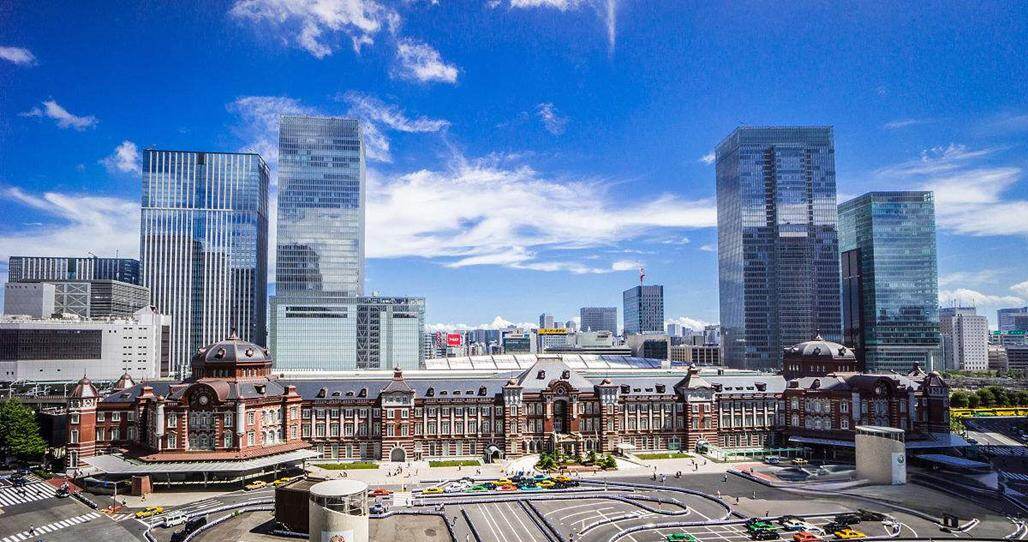
The station stretches 335 meters from east to west, with its distinctive red-and-white brick exterior and massive domed roof serving as its most iconic features. The elegant interior ceilings, constructed in a Neo-Baroque style, blend warm yellow tones with unique designs of eagles and constellations, creating a grand and majestic atmosphere. In 2003, Tokyo Station was designated as an Important Cultural Property of Japan—not merely a transportation hub, but a living architectural monument.
2️⃣ Railway Lines and Train Types
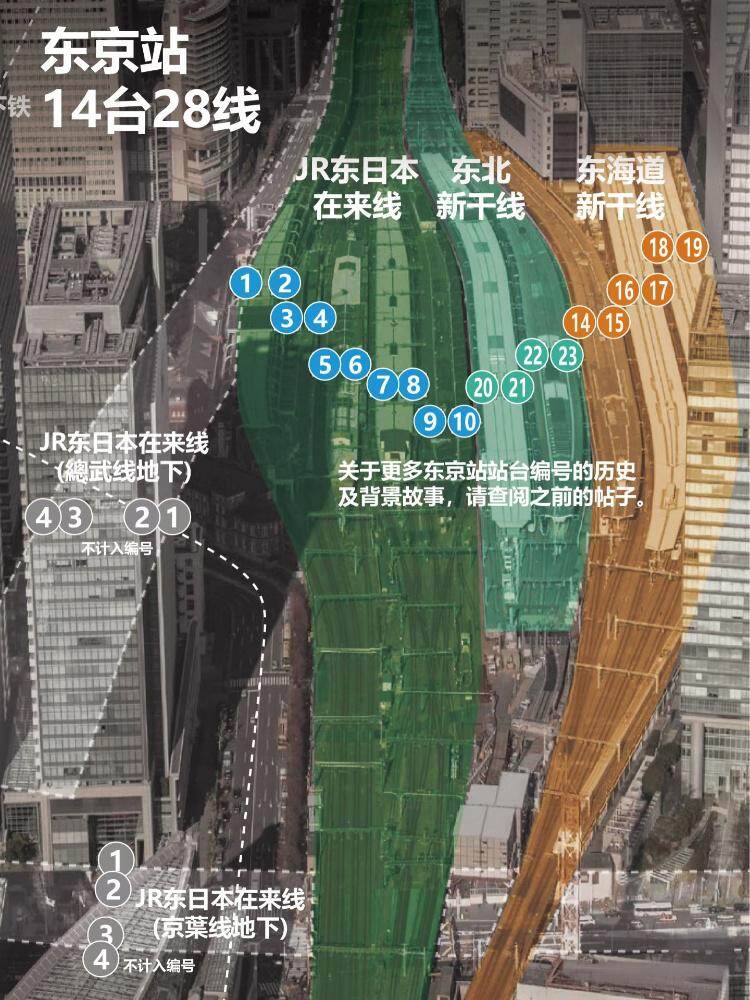
Tokyo Station serves as the core hub of Japan's Shinkansen network, featuring an expansive layout of 14 platforms and 28 tracks.
Major JR Lines:
- Yamanote Line (Green): Tokyo's loop line connecting major commercial districts like Shinjuku, Shibuya, and Ikebukuro.
- Chūō Line (Orange): Runs toward Shinjuku and Takao directions.
- Keihin-Tōhoku Line (Blue): Connects Ueno, Ōmiya, Shinagawa, and Yokohama.
- Tōkaidō Line: Services destinations like Yokohama, Odawara, and Atami.
- Ueno-Tokyo Line: Provides access to Utsunomiya and Takasaki directions.
- Keiyō Line: Direct access to Tokyo Disneyland and Tokyo DisneySea.
- Sōbu Line (including Narita N'EX): Runs toward Chiba direction and Narita Airport.
Shinkansen Lines
Tokyo Station serves as the central hub of Japan's Shinkansen network, providing high-speed rail services to destinations across the country.
Line Name Destination Main Train Types
Tokaido-Sanyo Shinkansen Nagoya, Kyoto, Shin-Osaka, Hakata N700 Series Mizuho, Hikari, Kodama
Tohoku Shinkansen Sendai, Morioka, Shin-Aomori E5 Series, E6 Series Hayabusa, Hayate, Yamabiko
Joetsu Shinkansen Takasaki, Niigata E2 Series, E4 Series Toki, Tanigawa
Hokuriku Shinkansen Nagano, Kanazawa, Tsuruga E7 Series, W7 Series Kagayaki, Hakutaka, Asama
Hokkaido Shinkansen Shin-Hakodate-Hokuto H5 Series Hayabusa
Kyushu Shinkansen Kumamoto, Kagoshima-Chuo N700 Series, 800 Series Tsubame, Sakura, Mizuho
Yamagata Shinkansen Shinjo E3 Series Tsubasa, Mini-Shinkansen
Akita Shinkansen Akita E6 Series Komachi, Mini-Shinkansen
3️⃣ Station Exits Guide
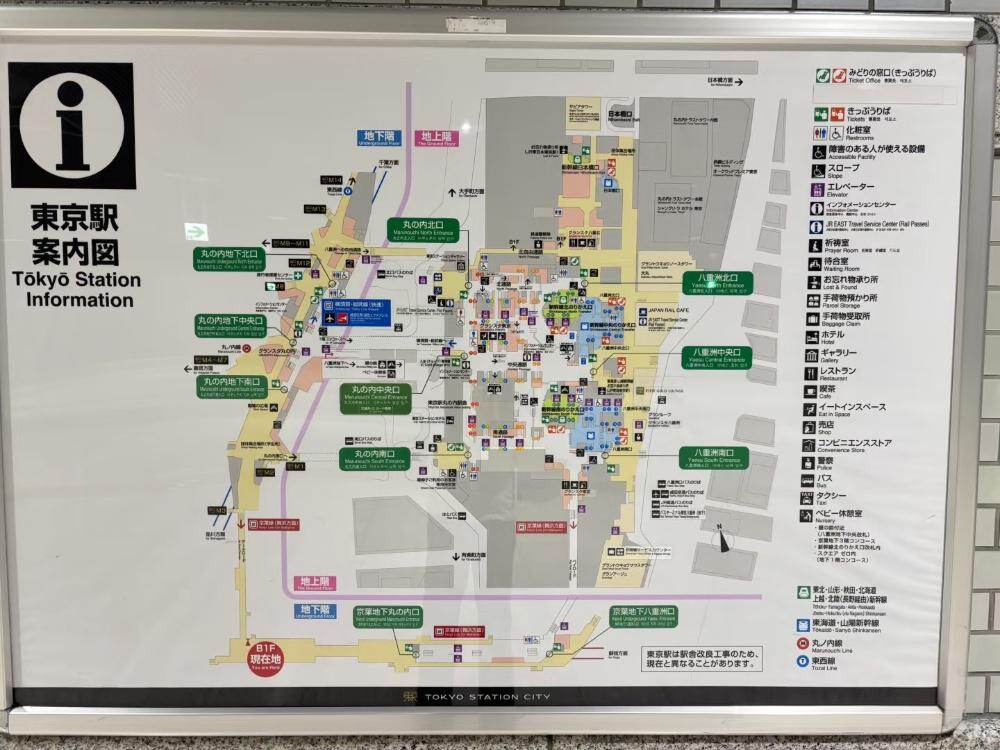
Tokyo Station features a complex layout with numerous exits, primarily divided into two major areas: the Yaesu Side (East) and the Marunouchi Side
(West)
•Yaesu Side Exits
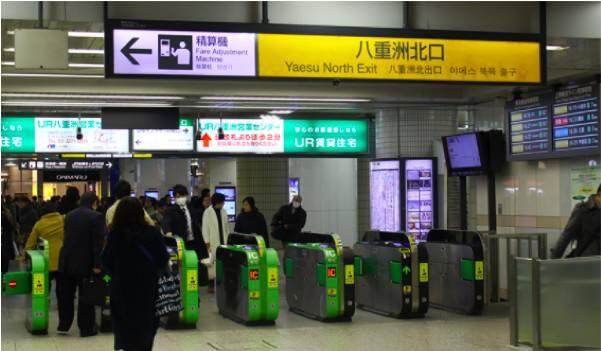
• Yaesu North Exit: Access to Daimaru Department Store Tokyo, TOKYO TORCH, and the Keisei Bus boarding area.
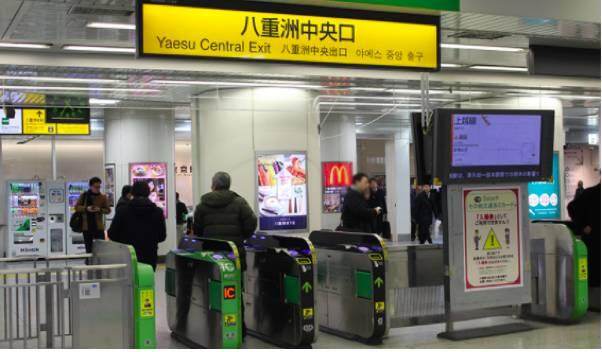
• Yaesu Central Exit: Connects to Daimaru Department Store Tokyo, JR Highway Bus Terminal, and Nihombashi Takashimaya.
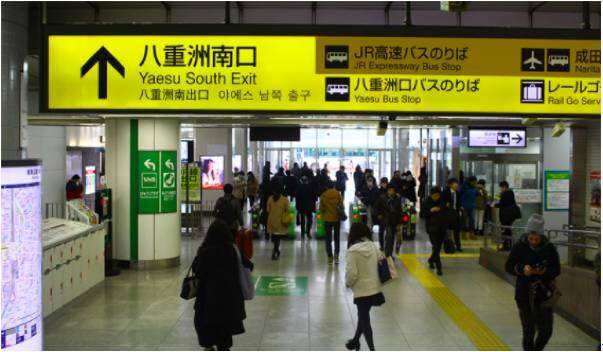
• Yaesu South Exit: Provides access to the JR Highway Bus Terminal and GRANSTA Tokyo.
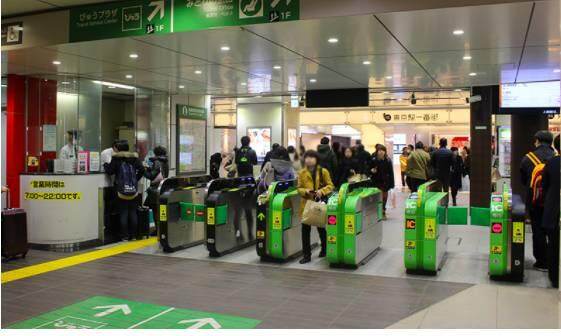
• Yaesu Underground Central Exit: Leads directly to Tokyo Station Ichibangai.
Marunouchi Side Exits
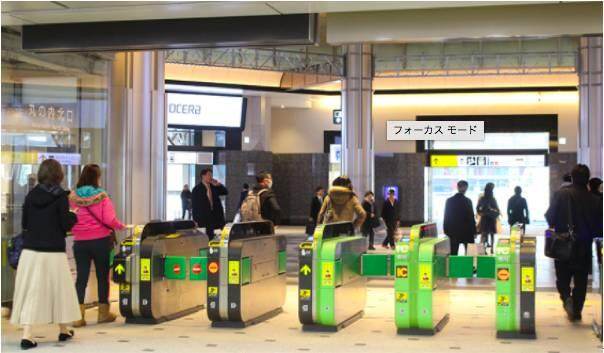
• Marunouchi North Exit: Provides access to the Shin-Marunouchi Building, the Imperial Palace, and Marunouchi Nakadori.
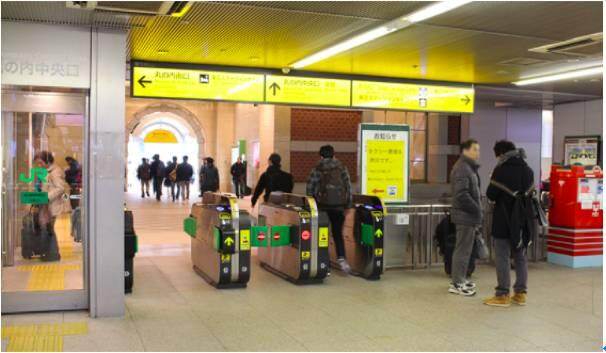
• Marunouchi Central Exit: Connects to the Imperial Palace, Tokyo Station Hotel, and Marunouchi Front Plaza.
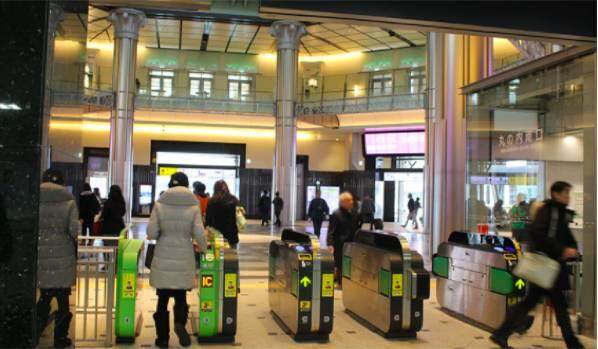
• Marunouchi South Exit: Provides access to the Marunouchi Building, KITTE Marunouchi, and Marunouchi Red Brick Square.
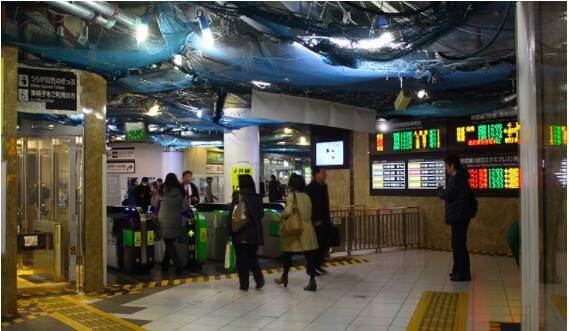
• Marunouchi Underground North Exit: Transfer to the Tokyo Metro Tozai Line (Ōtemachi Station).
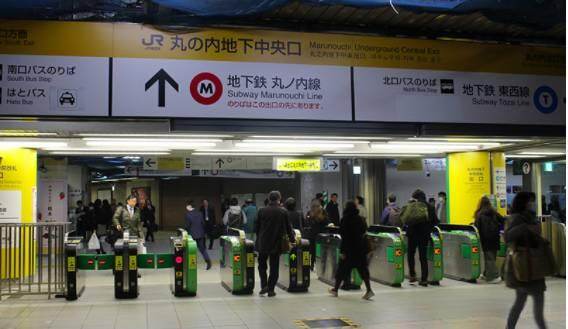
• Marunouchi Underground Central Exit: Transfer to the Tokyo Metro Marunouchi Line (Tokyo Station).
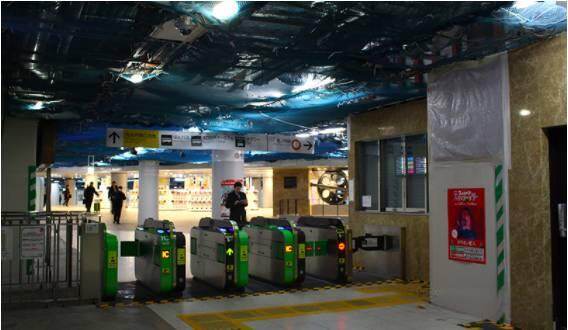
• Marunouchi Underground South Exit: Direct underground access to KITTE Marunouchi.
Important Tip: If you accidentally exit on the wrong side of the station, you can use the "North Free Passage" to move freely between the Yaesu and Marunouchi sides. There are two parallel corridors:
- The above-ground passage connects the Marunouchi North Exit and the Yaesu North Exit.
- The underground passage links the Marunouchi Underground North Exit and Tokyo Station Ichibangai.
4️⃣ Entry and Ticketing Guide
On-Site Ticket Purchase
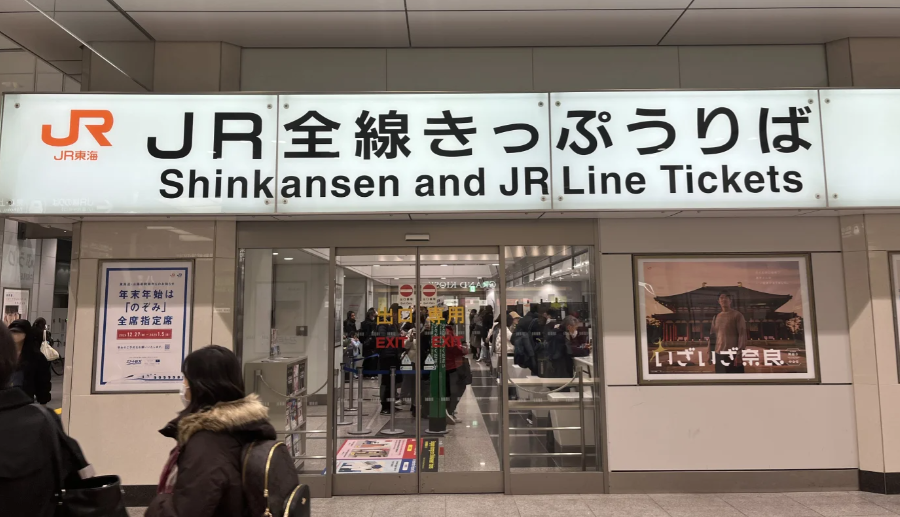
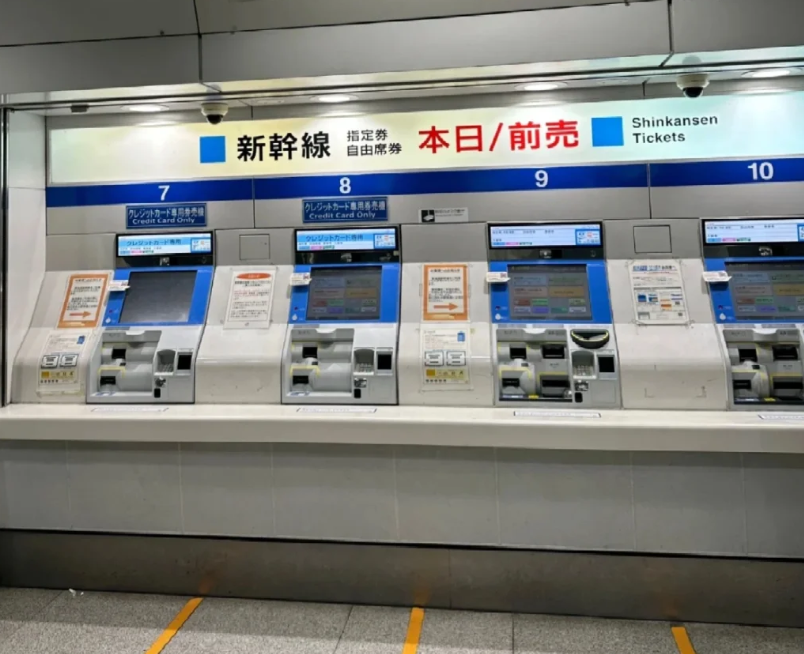
Tokyo Station has 11 Midori-no-Madoguchi (ticket counters) and dozens of self-service ticket machines. The staffed counters provide complex ticketing services, such as purchasing special passes or route consultations. The self-service machines offer user-friendly English interfaces and are ideal for buying regular train tickets or Shinkansen tickets.
Staffed Ticket Counters
Self-Service Ticket Machines
Buying Tickets with Japan Train
Japan train provides the most convenient option for foreign visitors to purchase Shinkansen tickets online. This service is designed specifically for international tourists and residents living in Japan.
The booking process is simple: after selecting your departure station, destination, and travel date online, you will receive a QR code by email. Bring this QR code to Tokyo Station, where you can exchange it for a physical ticket at designated machines or service counters.
This approach helps avoid language barriers and long waits at ticket offices. The platform supports multiple languages and offers customer assistance by phone, making it an excellent choice for those visiting Japan for the first time.
Boarding Process:
- After purchasing tickets, locate the corresponding ticket gate (Tokyo Station has 25 gates in total).
- Insert the physical ticket into the automatic gate or scan the QR code (if using an e-ticket).
- Retrieve your ticket after passing through (if using a paper ticket).
- Follow signs to find the correct platform and train.
- Note the distinction between above-ground platforms and underground platforms.
Special Note: Platforms for the Keiyō Line (to Disney), Yokosuka Line, and Sōbu Line (including N'EX) are not in the main station building. Allow about 15 minutes to reach them via underground passageways. Remember these landmarks:
- The Keiyō Line transfer route passes by a UNIQLO store.
- For Yokosuka and Sōbu Lines, head directly below the Marunouchi Central Exit.
5️⃣ Subway and Bus Connections
Subway Lines
Tokyo Station connects to multiple subway stations via underground passages:
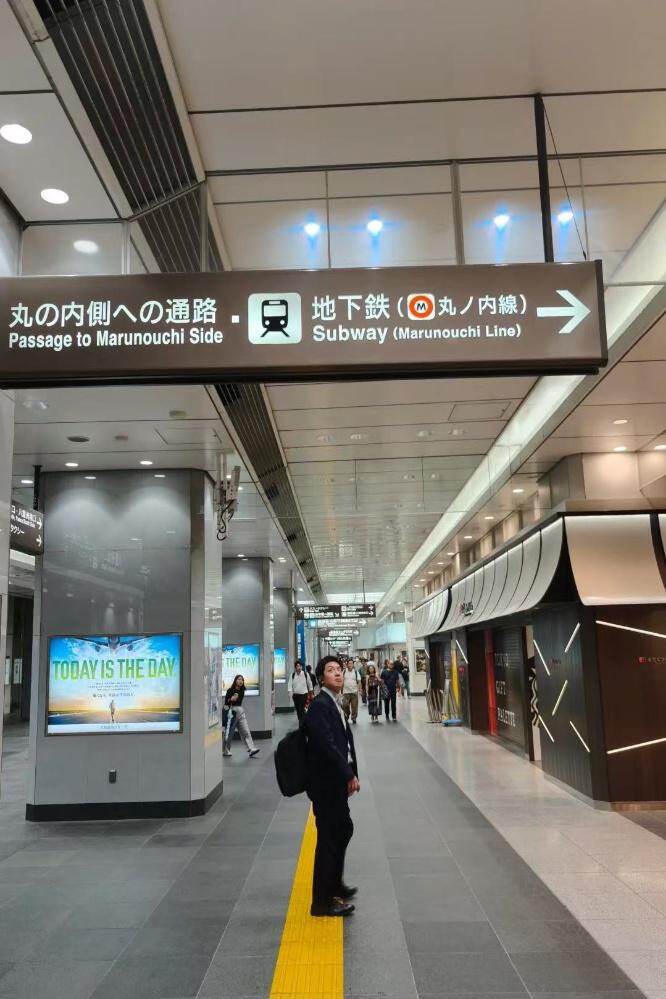
Tokyo Metro Marunouchi Line: Directly located on B2F of the station.
Otemachi Station (approx. 10-min walk): Transfer to Chiyoda Line, Tozai Line, Hanzomon Line, and Toei Mita Line.
Nijubashimae Station (approx. 10-min walk): Chiyoda Line.
Yurakucho Station (approx. 15-min walk): Yurakucho Line.
Nihombashi Station (approx. 15-min walk): Ginza Line, Tozai Line, Toei Asakusa Line.
Kyobashi Station (approx. 15-min walk): Ginza Line.
Bus Routes
Multiple bus stops are located around Tokyo Station. For budget-friendly day trips to areas like Kawaguchiko or Hakone, or even longer journeys to Osaka, JR Highway Buses are a convenient option. The JR Highway Bus Terminal is accessible directly after exiting the Yaesu South Exit ticket gates.
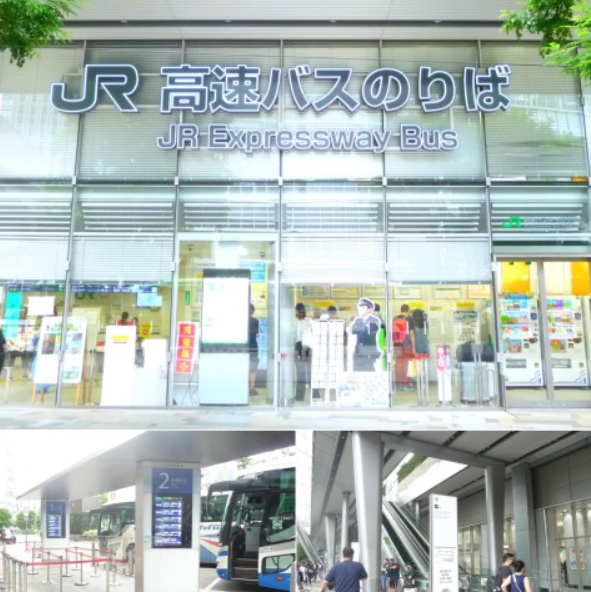
JR Highway Bus Terminal
This is the largest bus terminal in the Tokyo Station area, serving both departures and arrivals. Facilities include:
- An information counter labeled "JR Highway Bus"
- Ticket vending machines and waiting areas (as shown in the diagram)
- Waiting lounges, shops, and coin-operated lockers
- Staffed consultation counters for inquiries
Operating Hours: 06:00 to 00:00
Major Destinations:
Frequent services to Tohoku, Kanto, Hokuriku, Shin'etsu, Tokai, Kansai, and Shikoku regions.
Airport Routes:
Direct airport limousine buses to Narita International Airport.
6️⃣ Airport Transportation
How to get from Tokyo Station to Narita Airport:
Narita Express (N'EX)
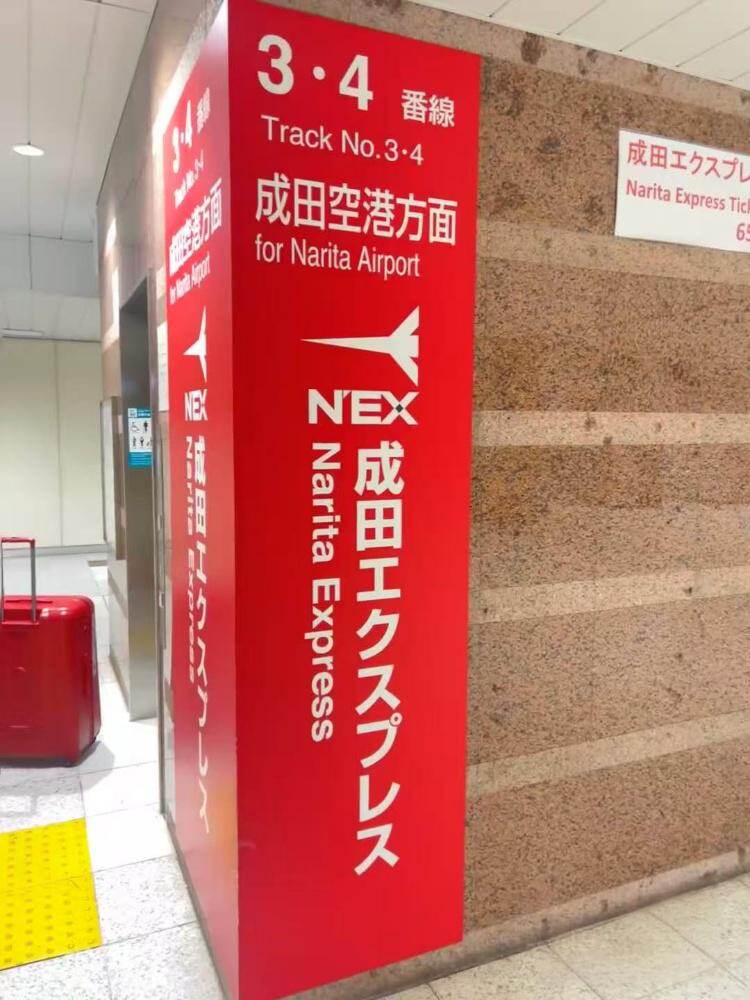
The Narita Express (N'EX) takes about 1 hour from Tokyo Station to Narita Airport with frequent departures, boarding at the underground Sōbu Line platforms marked by highly visible red signs with white text.
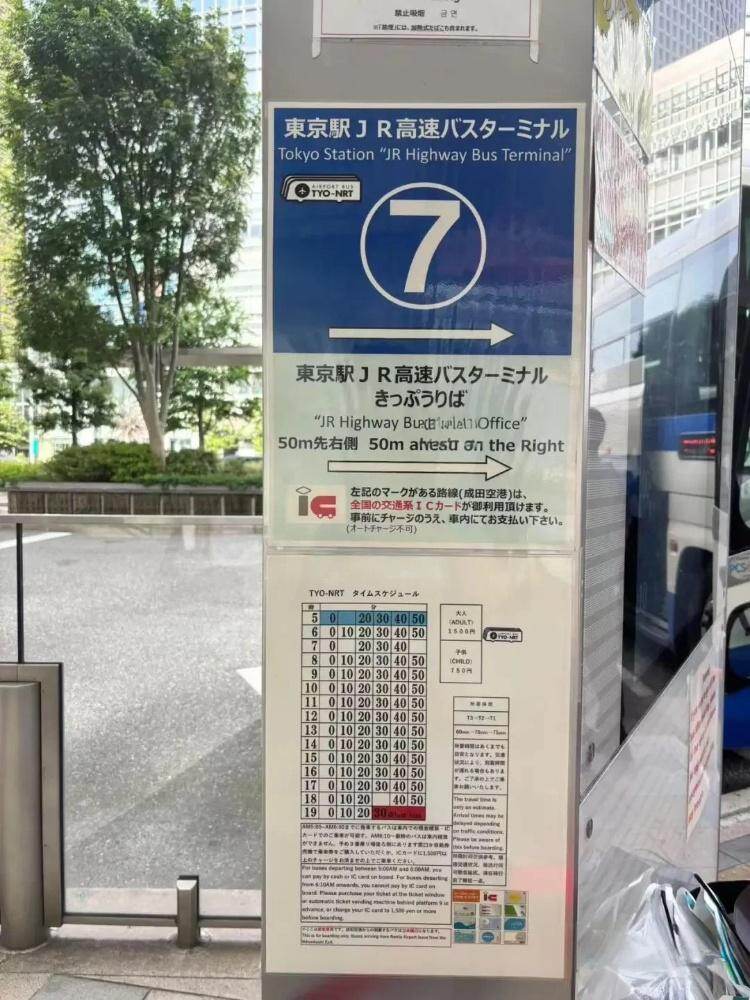
Airport Bus: Navigate via Google Maps to "JR Expressway Bus Terminal", purchase tickets on-site, and board at Bus Stop 7 for direct service to Narita Airport.
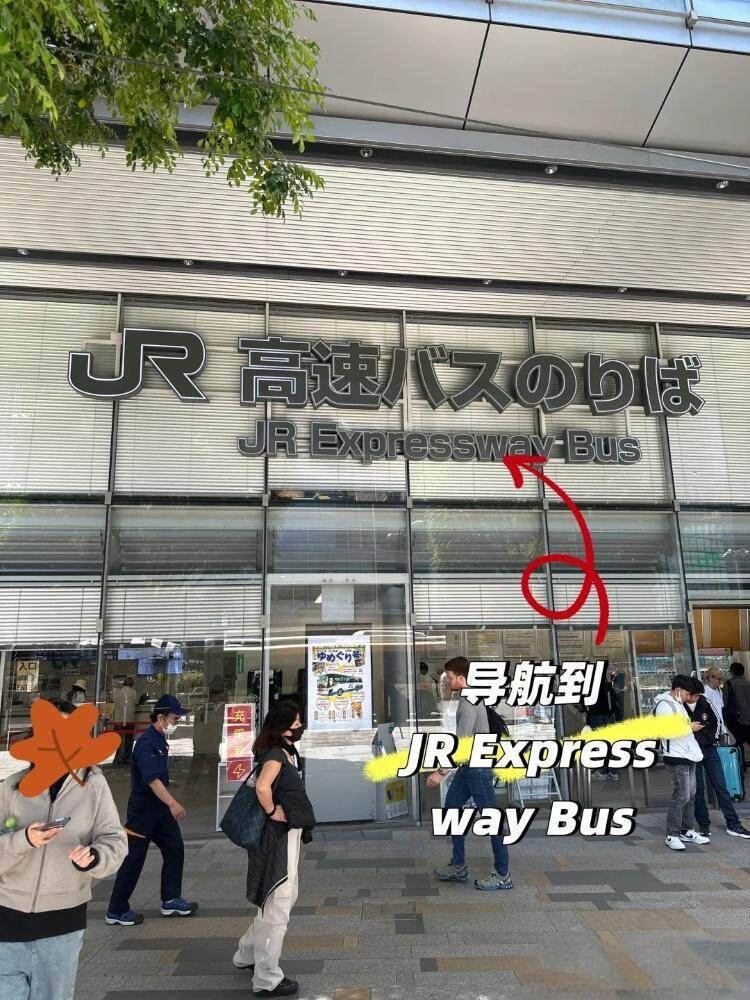
Bus Stop 7
How to get from Tokyo Station to Haneda Airport:
• Reaching Haneda Airport from central Tokyo typically involves a straightforward train transfer. One common route is to take the JR Yamanote Line or the JR Keihin-Tohoku Line to Hamamatsucho Station, and then transfer to the Tokyo Monorail which will take you directly to the airport.
Alternatively, you can take the JR Yamanote Line to Shinagawa Station and transfer to the Keikyu Line, which provides a direct connection to Haneda Airport. Both options offer frequent services throughout the day, with the entire journey taking approximately 30 minutes.
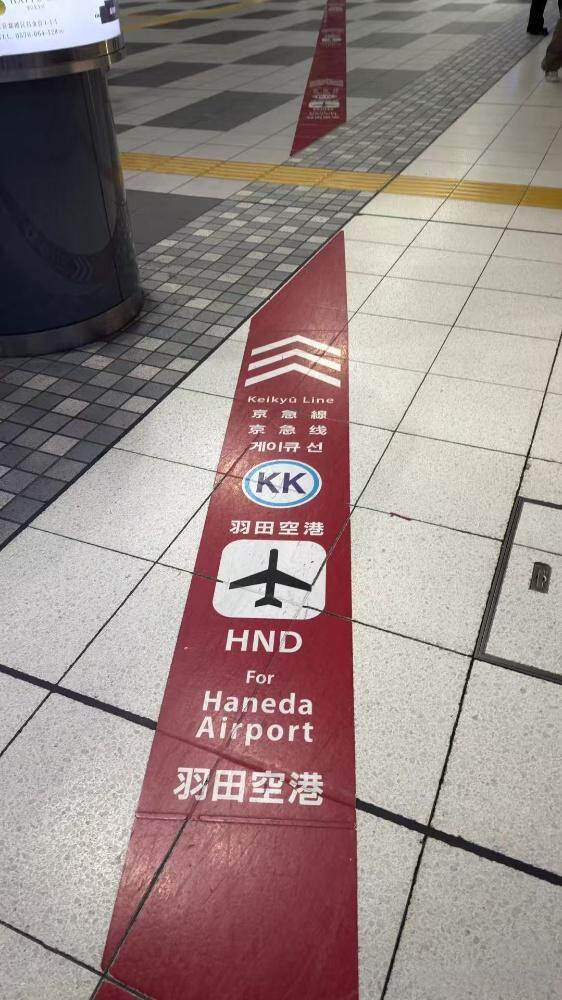
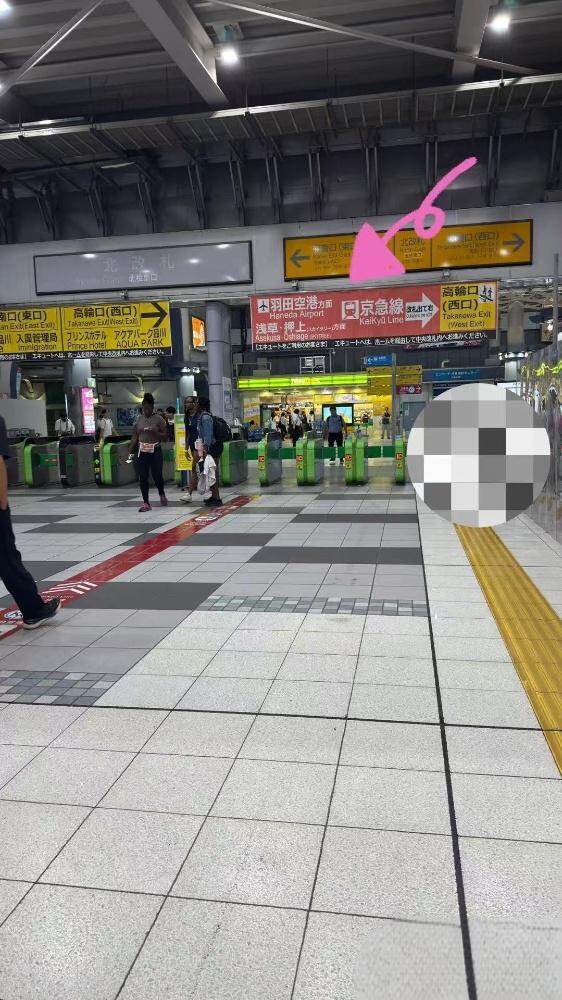
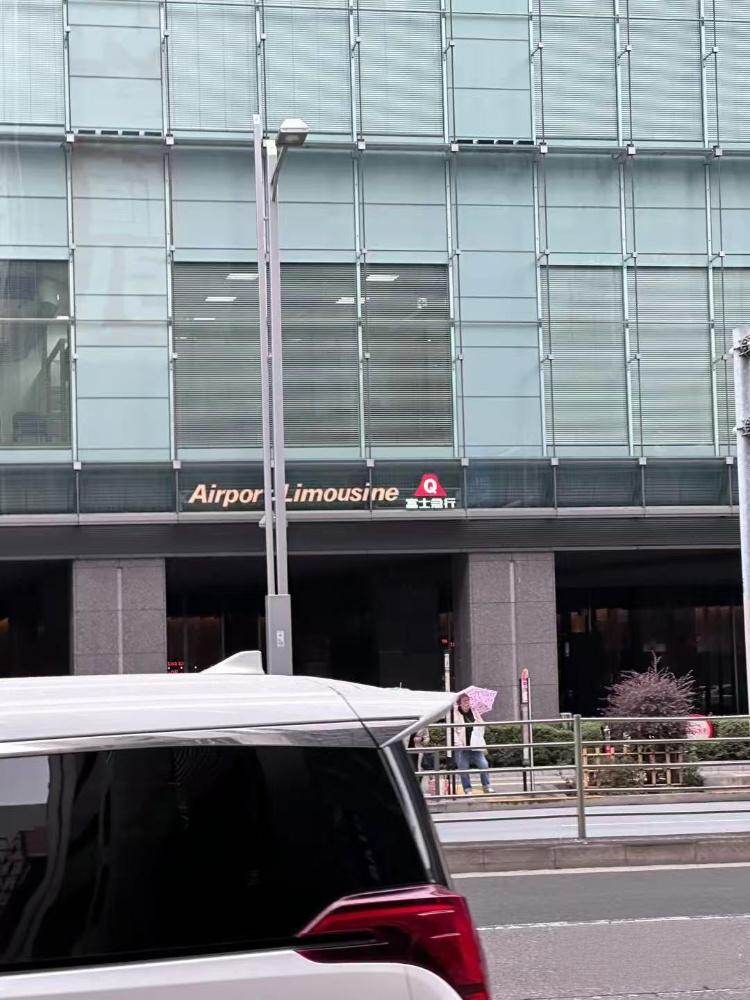
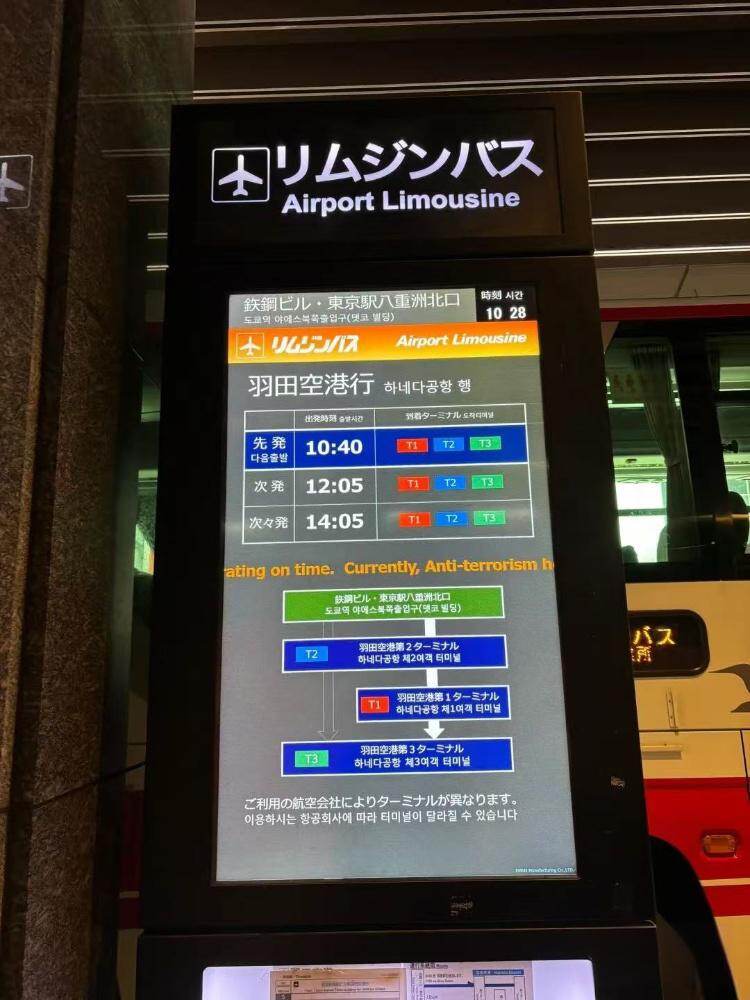
Airport Bus: Navigate to the Tekko Building via Google Maps, look for the Airport Limousine counter to purchase bus tickets, then proceed to the boarding point for direct service to Haneda Airport.
7️⃣ Station Facilities and Services
Luggage Storage
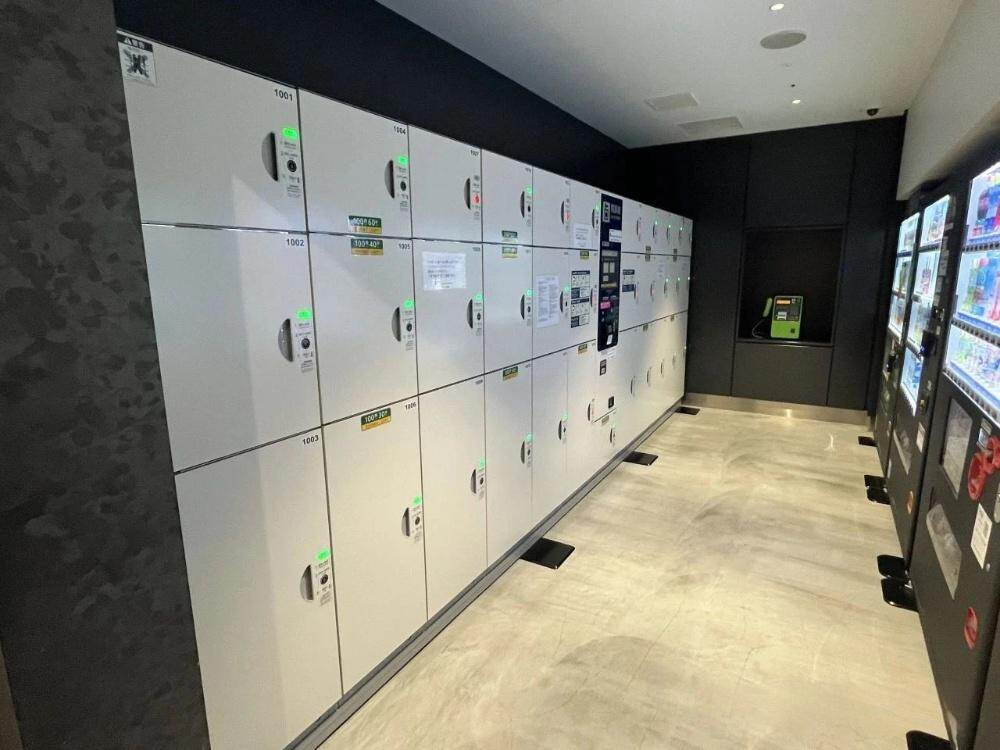
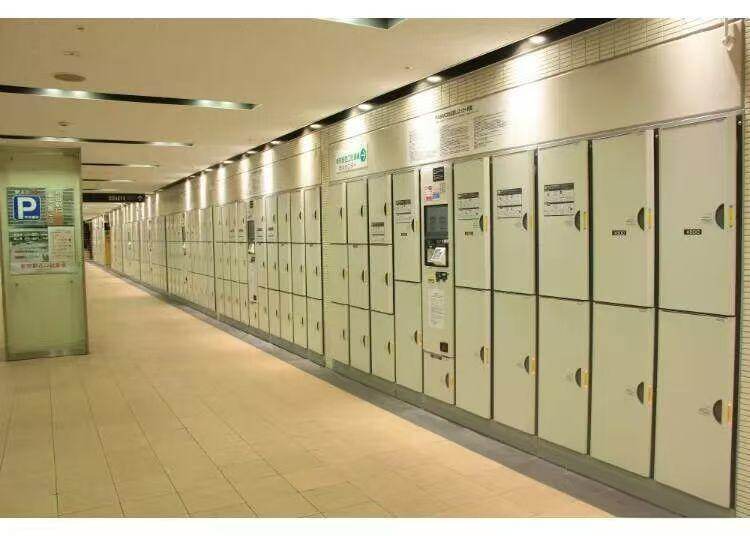
Tokyo Station offers both staffed luggage counters and coin-operated lockers on the 1F and B1 floors. Specific locations can be found by inquiring at information desks or checking station signs. Prices range from 400 to 900 yen per day depending on luggage size, making it a convenient service for short-term storage needs.
Staffed Luggage Counters
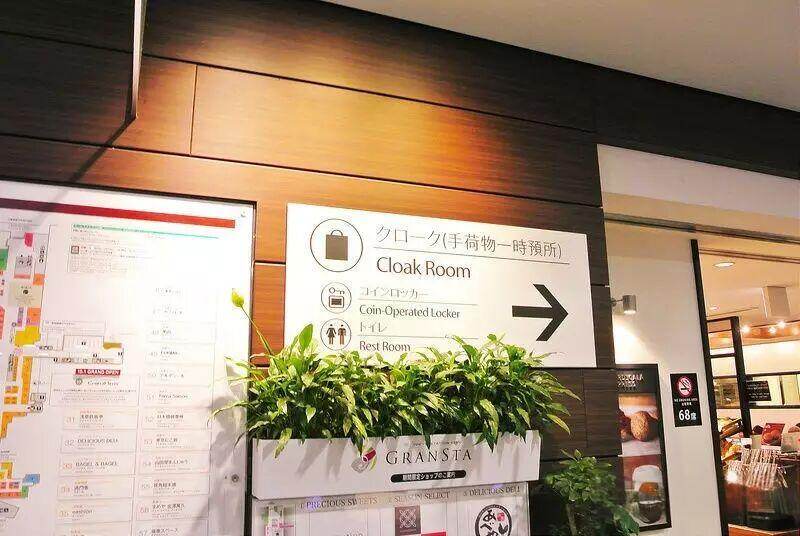
Coin-Operated Lockers
Restrooms & Parent-Child Facilities
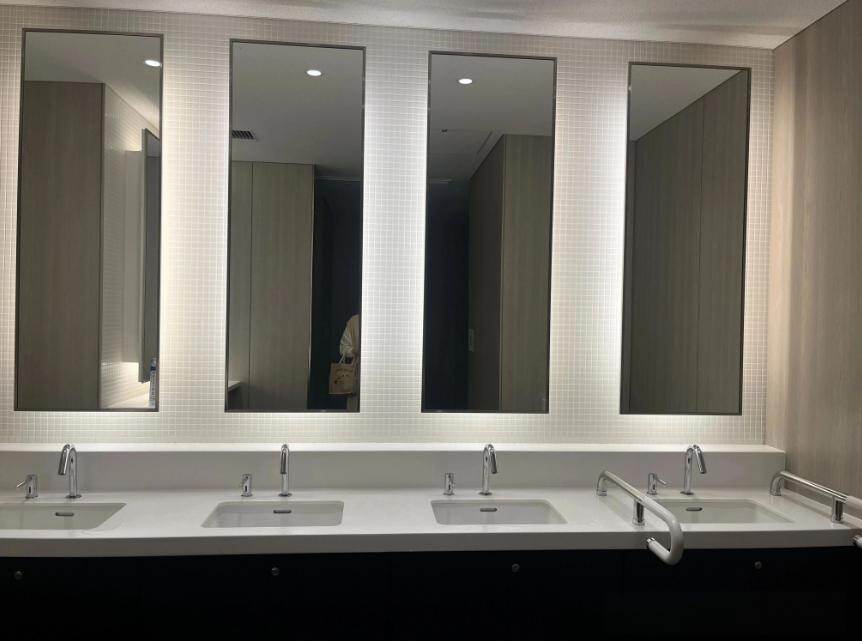
The station contains 25 restrooms, including 20 accessible facilities for disabled individuals. Additionally, 26 nursing rooms are available to provide convenience and privacy for travelers with infants.
Waiting Areas
Tokyo Station provides multiple waiting zones, including Shinkansen lounges and conventional train waiting areas. Additionally, many cafés and restaurants offer seating for relaxation.
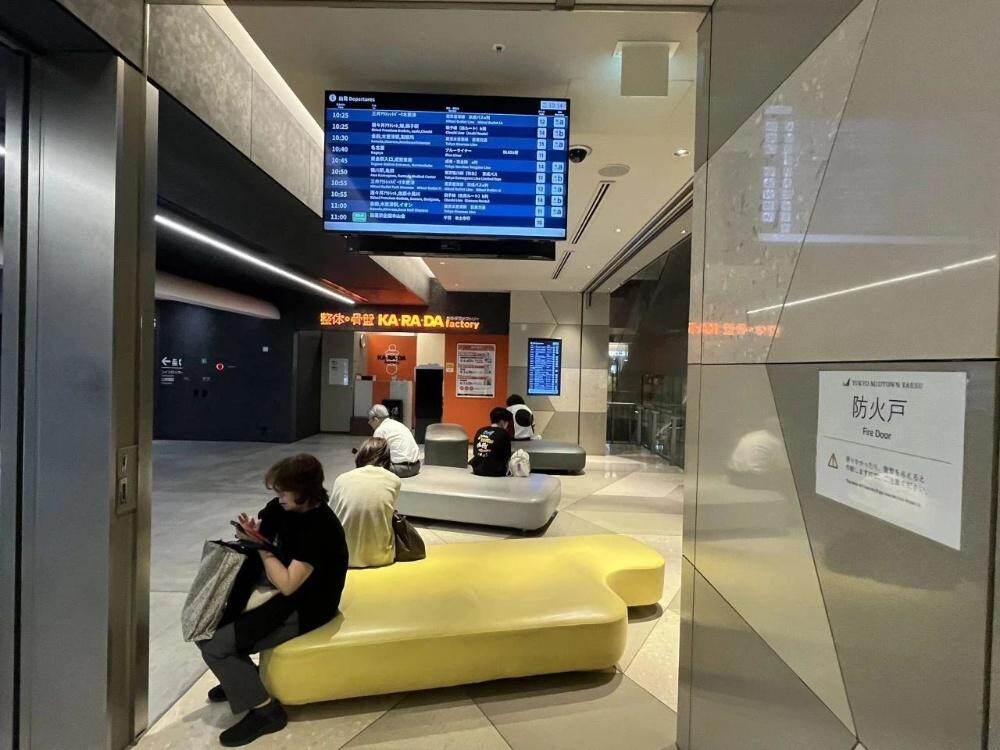
Dining & Shopping
Tokyo Station itself is a massive paradise for food and shopping:
• GRANSTA Tokyo: Located inside the ticket gates, offers various limited-edition souvenirs.
• ecute Tokyo: Also inside the ticket gates, features a wide range of goods and food options.
• Tokyo Ichibangai: Includes themed shopping areas like Anime Character Street and Tokyo Dessert Paradise.
• Tokyo Ramen Street: Located within "Tokyo Station Ichibangai", gathers 8 renowned ramen shops.
• GRANSTA Yaenaka: Opened in 2022, spans 3 floors with 45 restaurants.
• Kurobei Yokocho: Serves classic Japanese dishes like monjayaki, shabushabu, and eel rice.
Featured Recommendations:
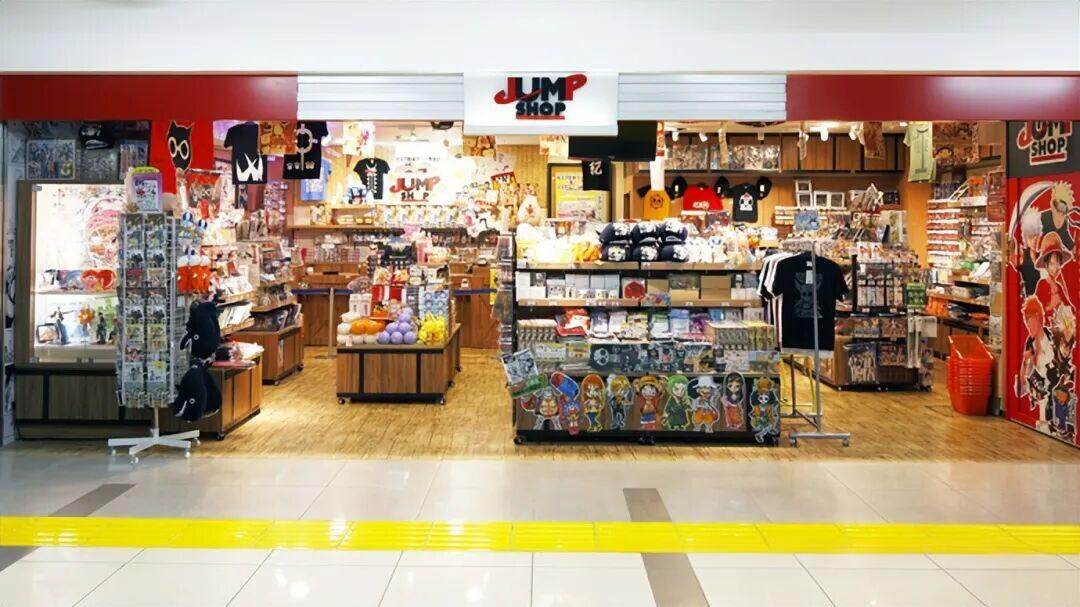
• Tokyo Anime Character Street: Located on B1 of Tokyo Ichibangai, houses official anime merchandise stores including the Pokémon Center and Ghibli stores.
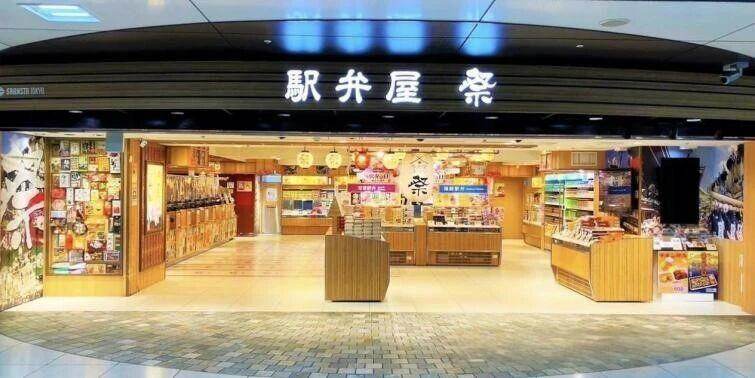
駅弁屋 祭: Sells over 200 types of regional Japanese railway bento, making it an ideal spot to experience Japan's unique bento culture.
8️⃣ Nearby Attractions Recommendations
There are many worthwhile attractions to explore around Tokyo Station.
• Imperial Palace Outer Garden: About a 10-minute walk from the Marunouchi exits, where you can admire beautiful Japanese-style gardens and expansive lawns.
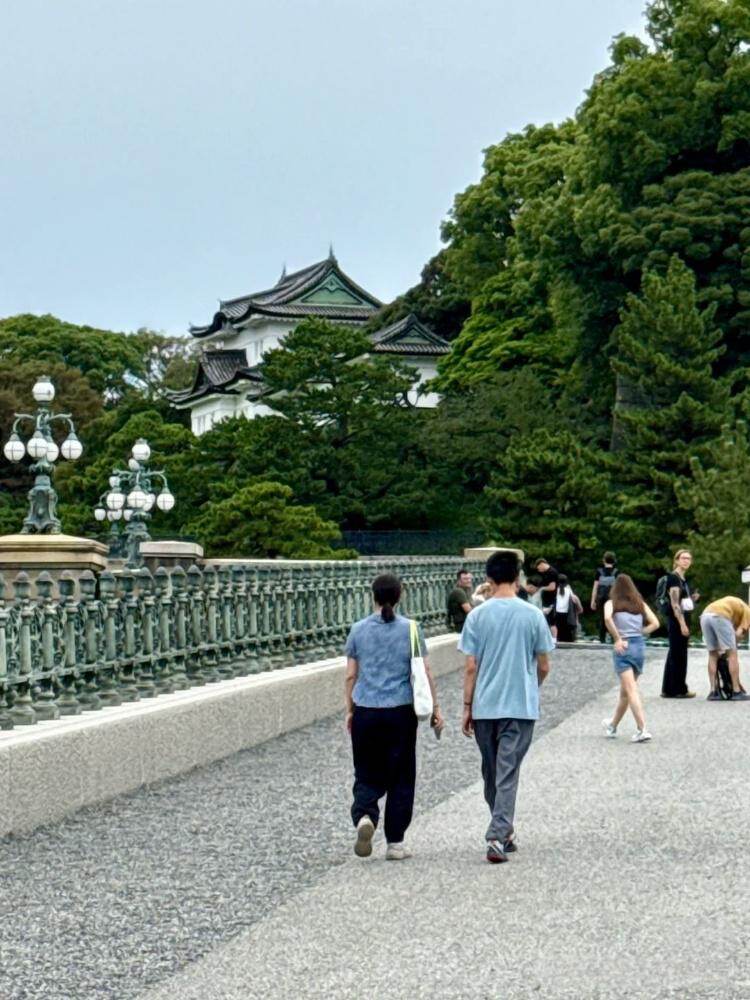
• KITTE Marunouchi: A shopping mall renovated from the old Tokyo Central Post Office building, featuring a rooftop garden on the 6th floor where you can capture the complete view of Tokyo Station's architecture.
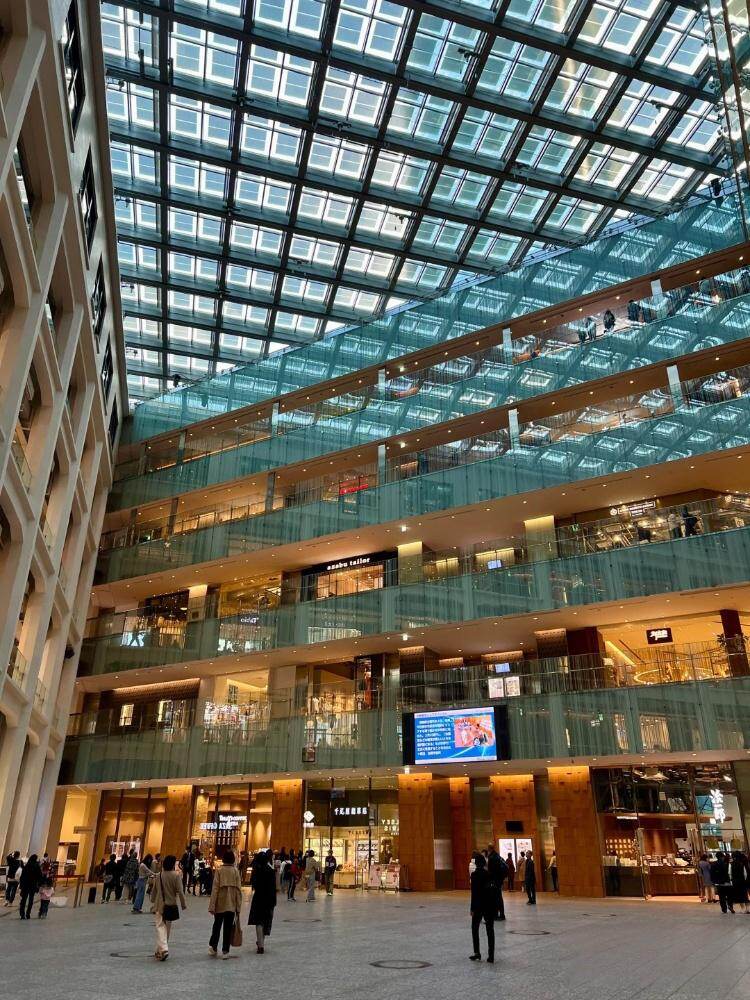
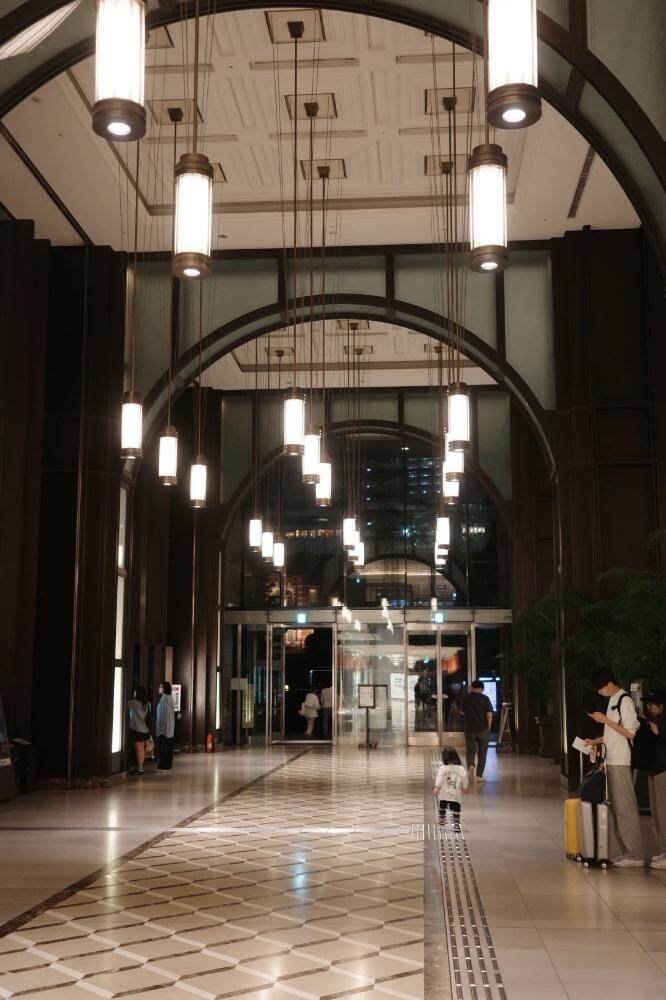
• Marunouchi Building / Shin-Marunouchi Building: An upscale shopping district with multiple restaurants and observation decks.
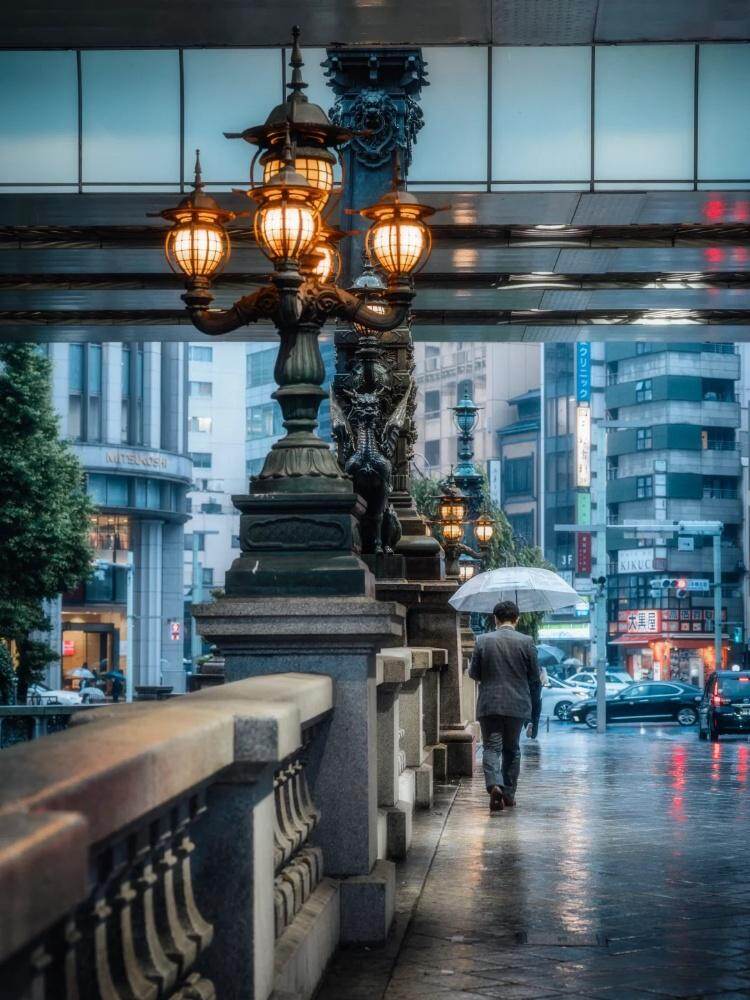
Nihombashi: Accessible from the Yaesu exits, featuring Coredo Muromachi and direct-from-producer specialty stores.
9️⃣ Practical Tips for Tokyo Station
- Avoid Crowds: The station is most crowded during morning and evening rush hours (7:30-9:30 & 17:30-19:30). Try to avoid transferring during these times.
- Rainy Day Solution: Tokyo Station’s extensive underground network connects to many nearby buildings and shopping malls, making it an ideal shelter on rainy days.
- Best Photo Spot: The free rooftop garden on the 6th floor of KITTE Marunouchi offers stunning full views of Tokyo Station, especially enchanting after dark when the lights illuminate the building.
- If You Get Lost: Use the information counters (located near major exits) or download the official Tokyo Station navigation app.
Tokyo Station is not just a transportation hub—it’s a multifaceted destination blending history, culture, shopping, and dining. Allow plenty of time to explore this "city within a city," and you’ll discover endless surprises and experiences. Wishing you a pleasant journey in Tokyo!
![JR Hokkaido Train Disruptions: Dohoku Delays [May 2026]](https://static.japantrain.net/images/articles/rail-news-cover-1778033100381.png)