2026 Japan Train Guide: Train Types, Ticket Options & Riding Tips | Japan Train
Traveling in Japan inevitably showcases the power of its railway system. Whether it’s urban trains and subways in major cities or Shinkansen bullet trains covering hundreds of kilometers, railways reach almost every corner of Japan. However, whether it’s your first visit or you’ve been multiple times—especially in cities like Tokyo—you might still share the same feeling: “Wow, there are just too many lines, and it’s so complicated!”Add to that the various ticket types and complex station transfers, and it can indeed feel overwhelming at times.
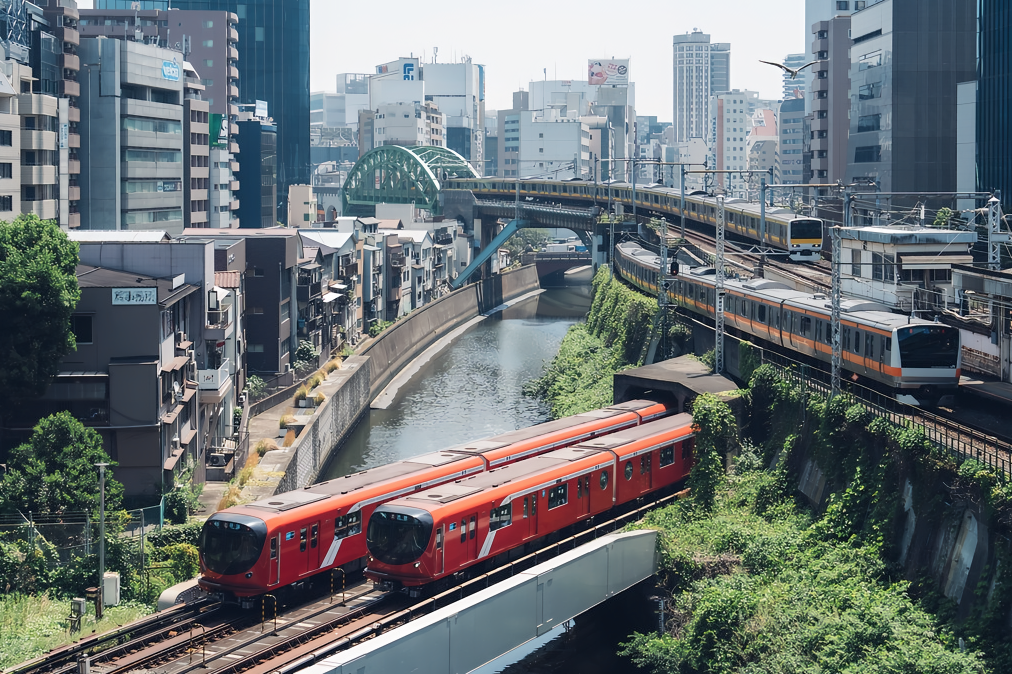
Actually, understanding Japan's rail system isn't that difficult if you understand a few basics.
For example, what are the types of trains and operating companies? What are the different ticket types? What are the differences between them? How do you properly ride the train? And what useful apps can help you quickly find your way? Understanding these questions will surely make traveling in Japan much easier.
When it comes to Japan's rail system, it's important to note that it's not a single system. Many people may wonder, "What's the difference between the subway and JR?" "Which category does the Shinkansen fall into?"
Don't worry, let's first discuss the various types of trains in Japan so you can have a clearer understanding when choosing a train or planning your trip!
Train Types and Features
Japan has a wide variety of trains, each with its own distinct speeds, stops, and onboard amenities. The following will introduce the features of these trains to help you easily understand the diversity of Japan's rail system.
1.1 Shinkansen
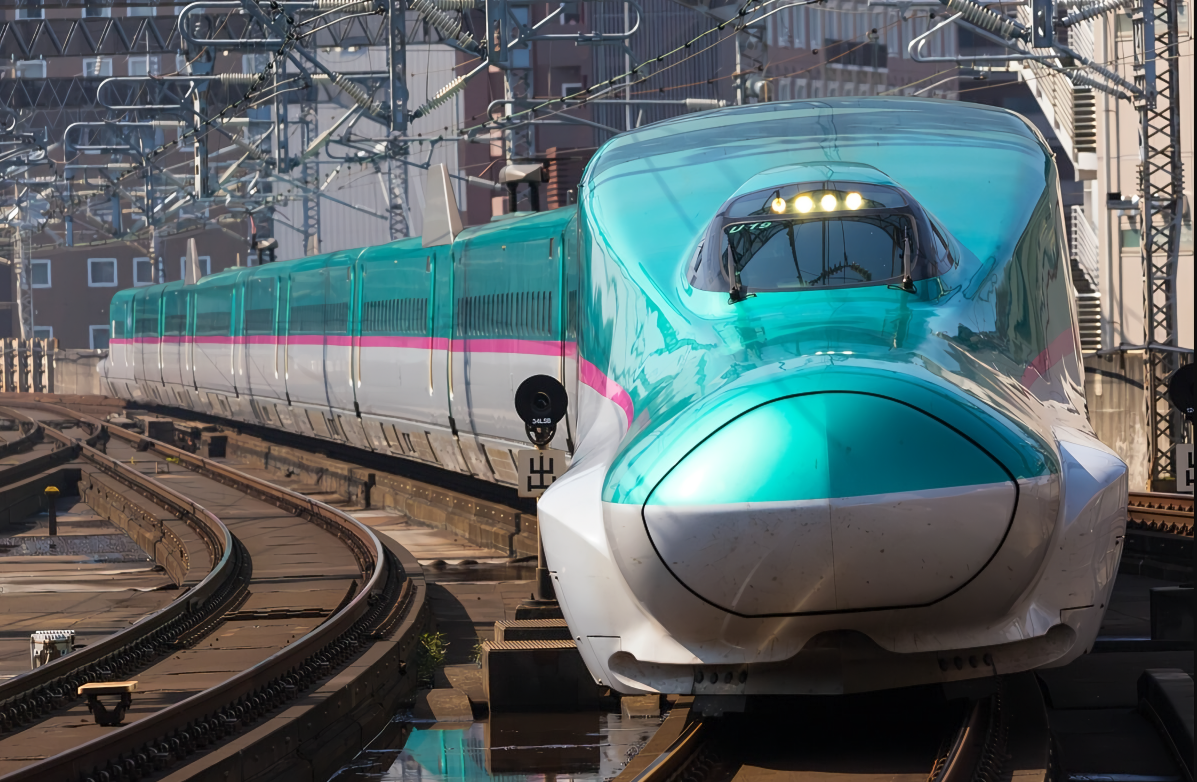
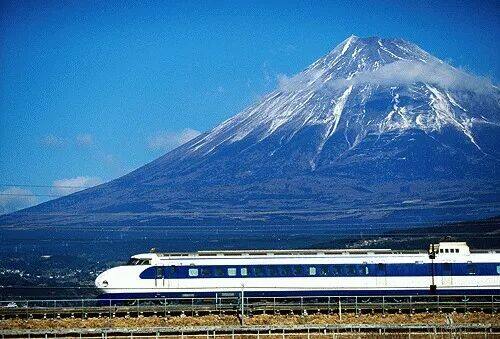
Shinkansen is Japan's high-speed rail system and the preferred mode of long-distance travel. Reaching a top speed of 320 km/h, it quickly connects major cities throughout Japan. Lines such as the Tokaido Shinkansen (Tokyo-Shin-Osaka) and the Tohoku Shinkansen (Tokyo-Shin-Aomori) cover nearly the entire country.
Shinkansen are known for their spacious seats and comfortable ride, with comprehensive amenities such as Wi-Fi.
Passengers can also choose from the reserved "Green Car" and the more luxurious "Gran Class" (available only on some JR East Shinkansen lines).
1.2 Limited Express
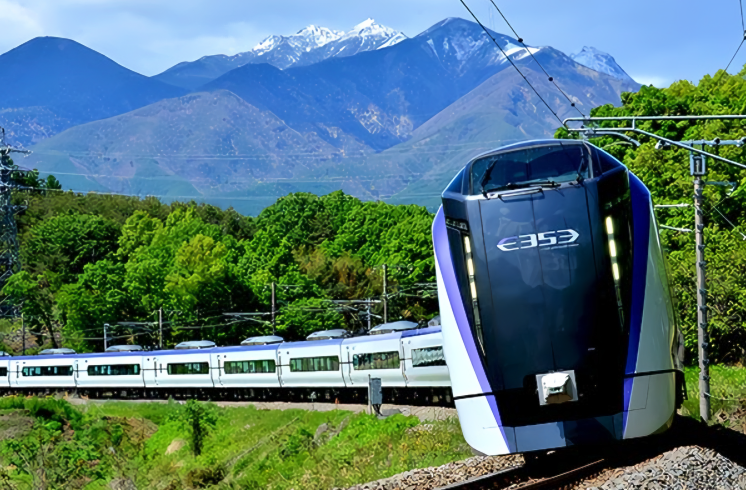
Tokugyu, short for "Special Express," is suitable for medium- and long-distance travel between cities. These trains typically stop only at major stations, offering fast speeds and short journey times, making them popular with travelers.
Most express trains require pre-purchased reserved seats, but some do offer unreserved seating. However, during peak travel seasons and rush hours, unreserved seats can be difficult to find.
1.3 Express
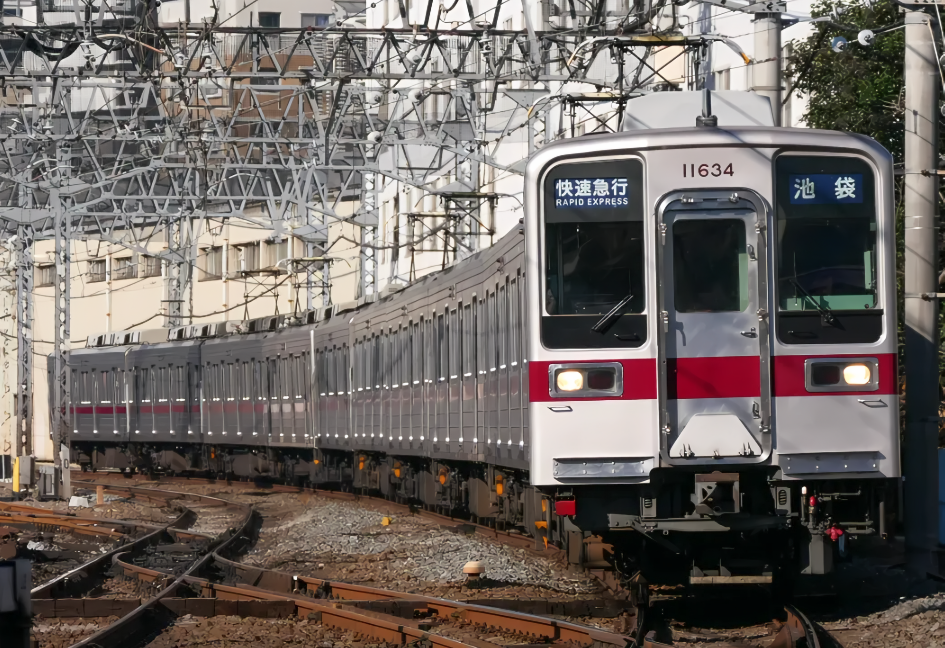
Express trains offer a speed and number of stops between limited express and local trains, balancing speed and convenience. They stop at more stations than limited express trains and are suitable for travelers traveling to regional areas. Some routes require the purchase of express tickets, but these fares are lower than limited express trains, making them more cost-effective.
1.4 Semi-Express
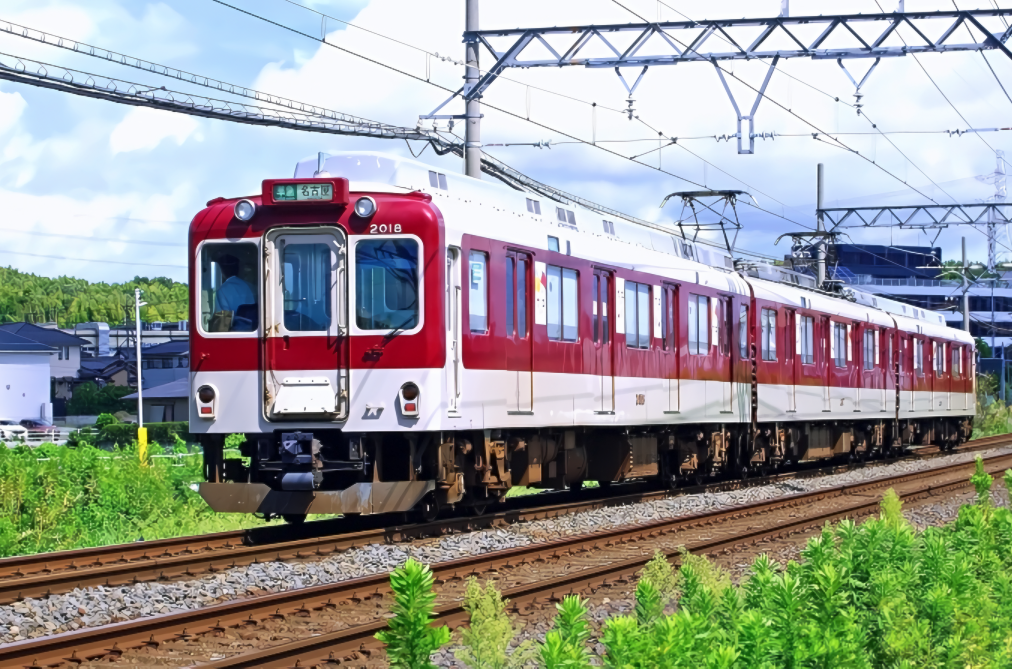
Semi-express trains stop at more locations than express trains and are typically used for commuting between cities or suburbs. They are a convenient and efficient option for commuters and students, especially for short trips from the city center to the suburbs.
Local Trains
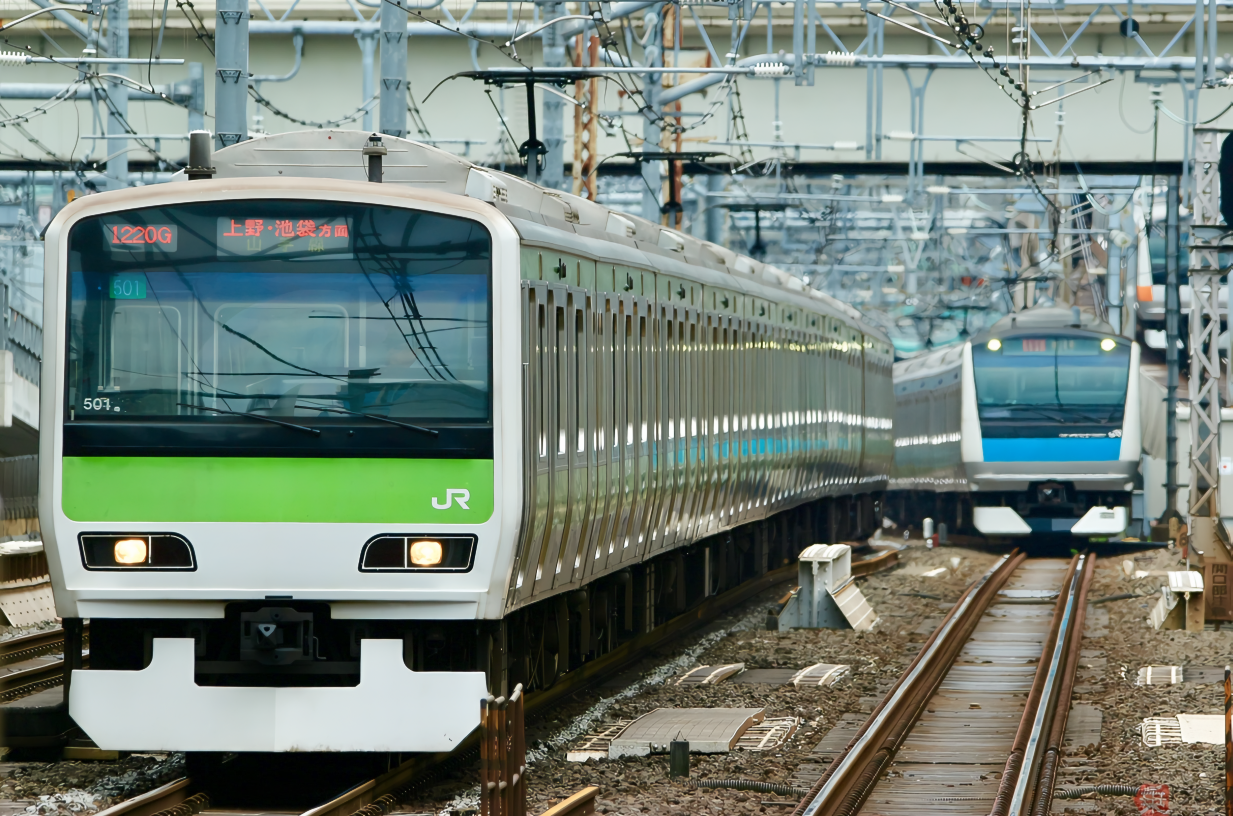
Local trains stop at all stations along their route and are the most basic and economical form of rail transportation, primarily used for local or short-distance travel. Local trains do not require seat assignments and are available on a whim. Fares are calculated based on distance, offering flexibility and making them ideal for travelers on a budget.
Types of Train Companies
2.1 Japan JR
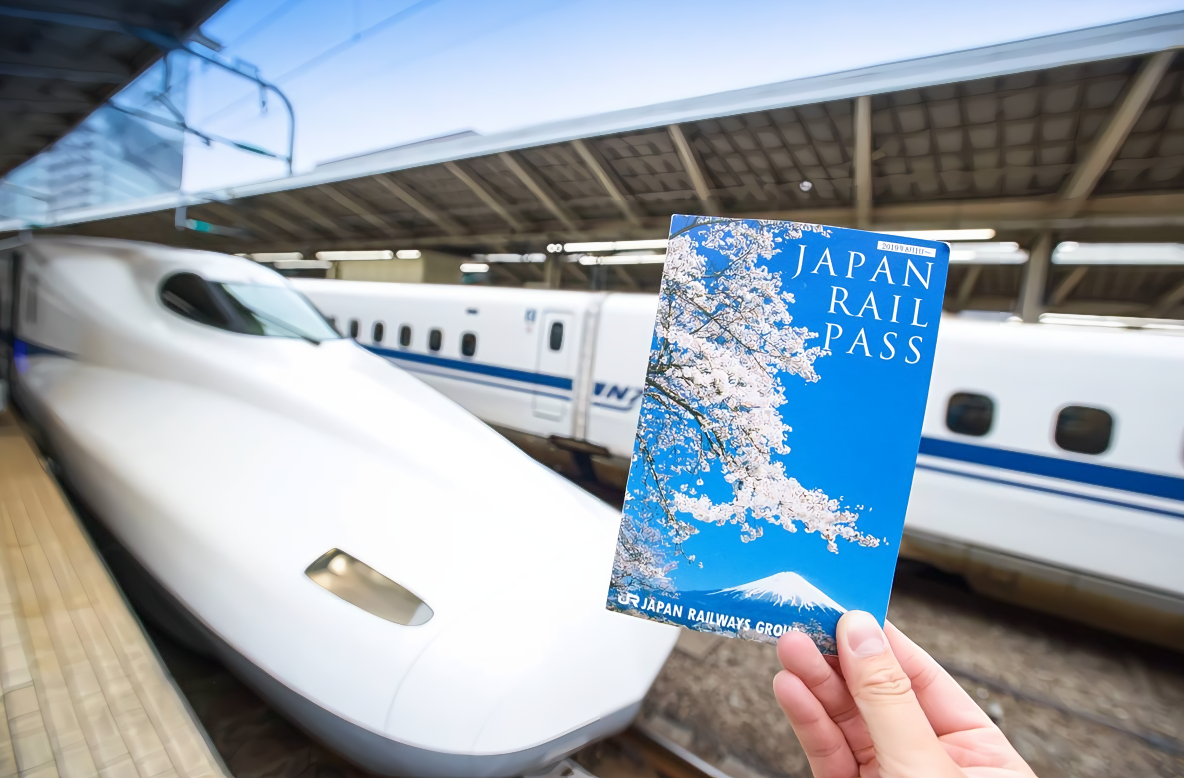
JR is the privatized subsidiary of the former Japan National Railways (JNR). Following privatization in 1987, it was split into several independent companies, each based on its region. Examples include JR East and JR West. JR also offers rail passes covering a wide range of areas, such as the JR EAST PASS, which are suitable for travelers who travel extensively and frequently.
2.2 Subway
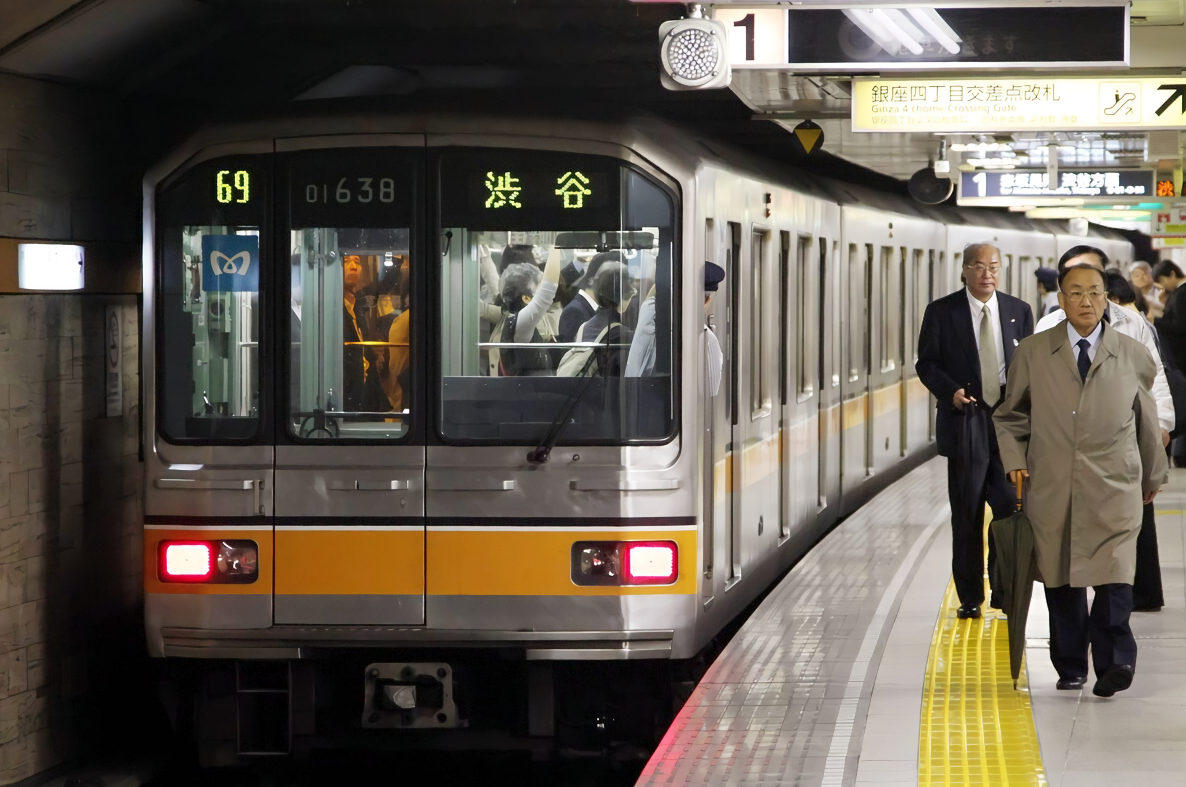
Subways are a convenient mode of transportation within cities, allowing seamless transfers to surface trains. In Tokyo, there's the Tokyo Metro, and in Osaka, the Osaka Metro. Major cities have well-developed subway networks, providing significant convenience for daily commuters and tourists.
2.3 Private Railways
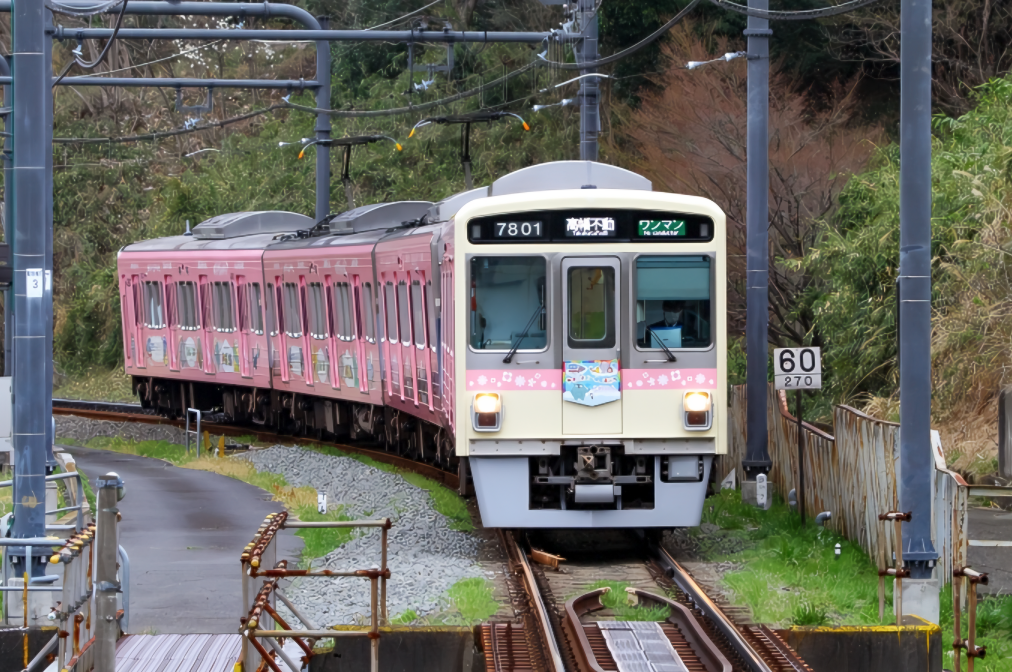
Private railways refer to railway systems operated by private companies in various regions, each with its own distinct lines. For example, in the Kanto region, there are the Odakyu Line and the Keio Line; in the Kansai region, there are the Hankyu Railway and the Hanshin Electric Railway. Private railways typically serve local residents with independent routes, but they also offer convenient access to popular tourist attractions, making them a great choice for tourists exploring the region.
Ticket Types and Differences
3.1 Tickets
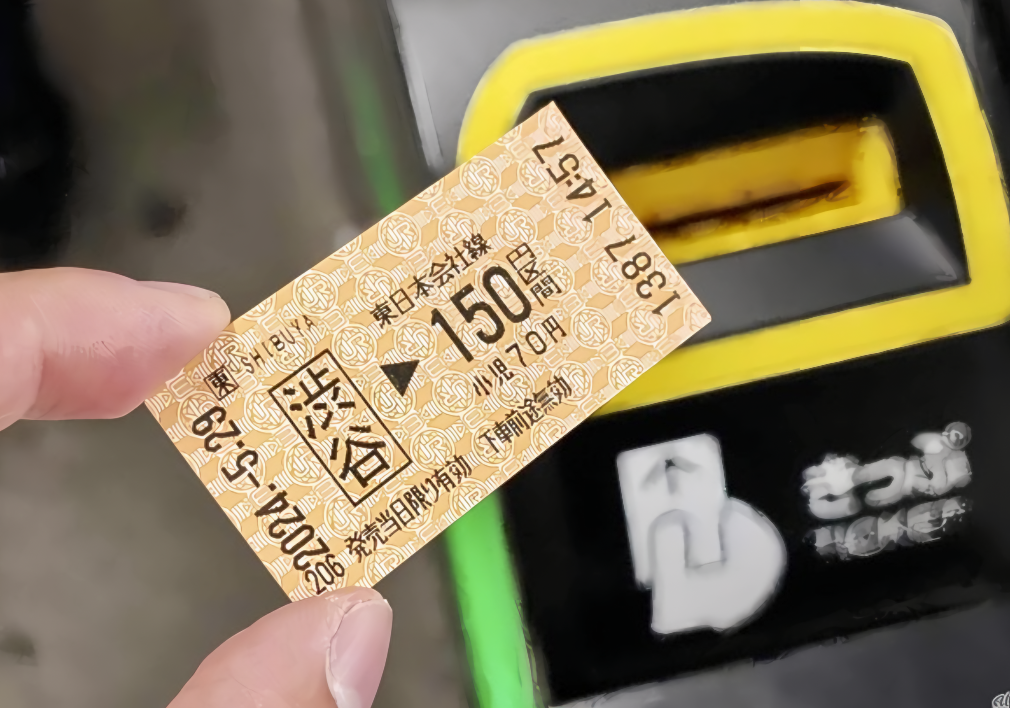
When traveling by train in Japan, you must purchase a ticket to define your travel route. Below are some common ticket types and their characteristics.
· Ordinary Ticket: A regular ticket is valid once, valid for a single trip from a designated starting point to a designated destination. This is the most basic ticket type and suitable for occasional travelers.
· Commuter Ticket: A commuter ticket is suitable for daily commutes or frequent travelers traveling within a specific route. Within the specified validity period, a commuter ticket allows unlimited travel within the designated route, whether on weekdays or weekends, making it very economical and practical.
3.2 Limited Express Ticket
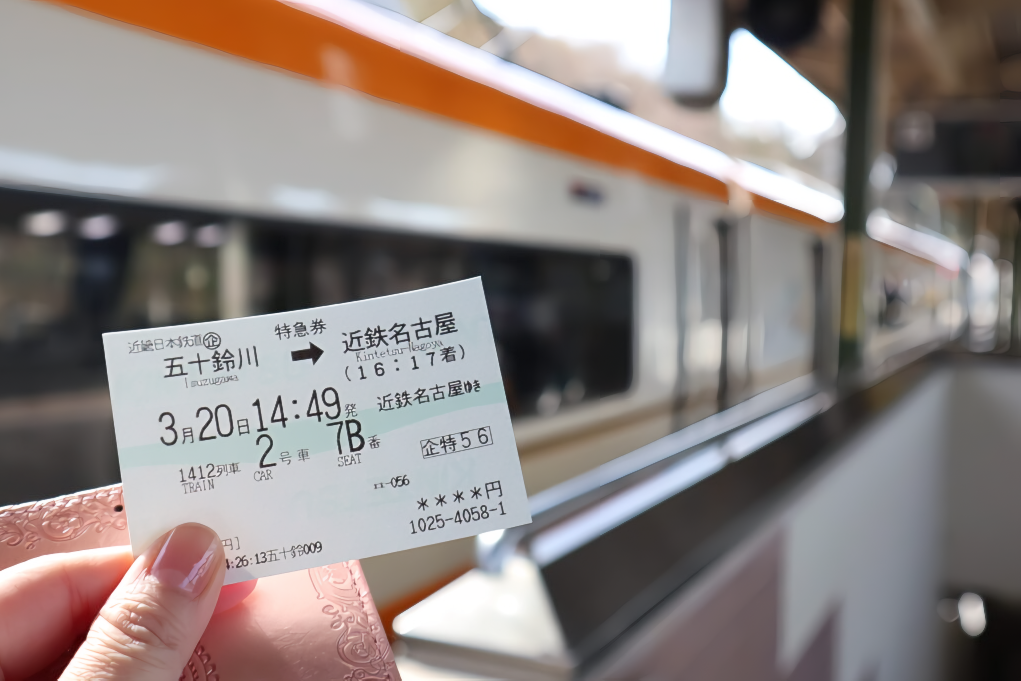
If you need to ride a limited express train, you must purchase a limited express ticket in addition to a regular ticket. Limited express tickets come in two types:
· Reserved Seat Ticket: This ticket assigns you a fixed seat in advance, guaranteeing a seat upon purchase. This is a good option for long-distance travel or those seeking a more comfortable ride.
· Unreserved Seat Ticket: This ticket does not assign seats, allowing passengers to choose any available seat. However, during peak hours or when the train is crowded, you may need to stand for a while.
3.3 How to Purchase Tickets

When traveling by train in Japan, you must purchase a ticket to secure your travel route. The following are common ticket types and their characteristics.
· Self-service ticket machines: Self-service ticket machines are typically located near station ticket gates, accepting both cash and credit card payments. These machines allow you to purchase limited express tickets, top up your IC card, and check your balance. They are simple and convenient, making them ideal for travelers with a clear itinerary and a clear destination.
· Ticket counters: If you have a complex itinerary or need to purchase complex ticket types like limited express tickets or reserved seats, you can consult with staff and purchase tickets directly at the station ticket counter. This method is ideal for travelers who require detailed guidance or customized service, such as foreign tourists unfamiliar with the route or local travelers with complex itineraries.
· Online booking: You can purchase e-tickets in advance through Japanese train ticket booking websites such as Japan Train. This method saves time queuing at stations and is ideal for modern users familiar with mobile devices.
How to take a train at a Japanese train station
4.1 Steps through a station gate
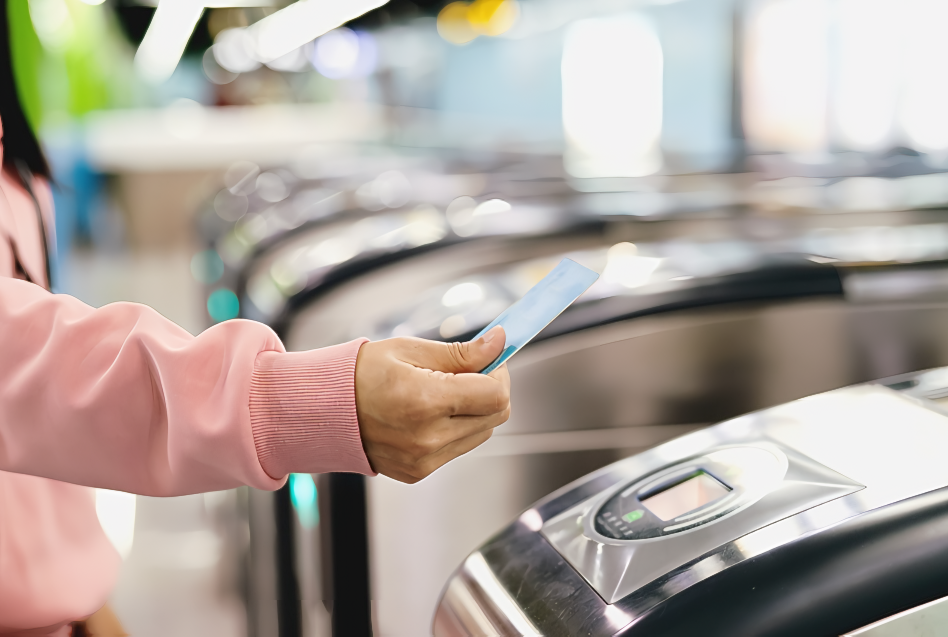
① Using a Ticket or IC Card: If you're using a paper ticket, insert it into the gate's input slot. If you're using an IC card (such as Xigua Card or ICOCA), simply place the card lightly against the gate's sensor area. The gate will automatically read the card and allow you to pass.
② Passing through the gate: Listen carefully for the gate's prompts and check the display. If you receive an error message or are unable to pass through, please contact the nearest station staff for assistance.
③ Retrieving Your Ticket: Passengers using paper tickets should remember to retrieve their tickets from the gate exit and keep them securely. You'll need them when you exit the train. Passengers using IC cards can proceed directly through without having to retrieve their tickets.
④ Reusing Your Ticket or IC Card When Exiting the Train: Upon arrival at your destination, you'll need to pass through the gate again. IC card users simply place their cards against the sensor area as they did when boarding. Paper ticket users insert their previously saved tickets into the gate's input slot. The gate will open after this operation. After passing through, the paper ticket will typically be reclaimed by the gate, indicating the end of your journey.
4.2 Things to note on the station platform
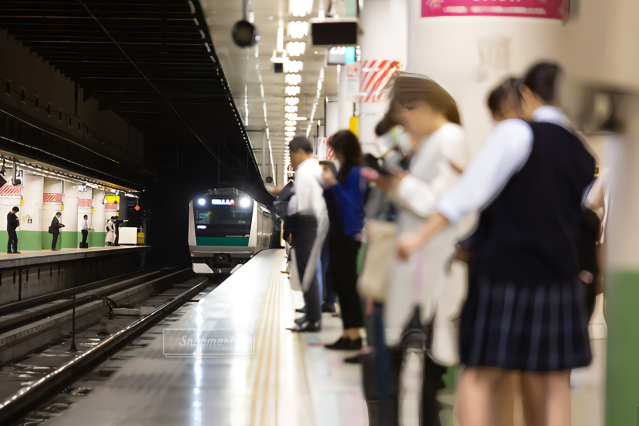
Waiting for a Train
When waiting for a train on the platform, stand inside the yellow safety line for your own safety. When the train arrives, step back slightly and avoid standing too close to the platform edge to allow other passengers safe space to get on and off. Also, try not to stand directly in front of the train door to avoid obstructing others.
Getting Off the Train
When the train is about to arrive at your destination, stand near the door in advance for easier and faster exiting. Wait until the train has stopped before exiting, and watch your step to avoid bumping into other passengers.
4.3 Precautions Inside the Train
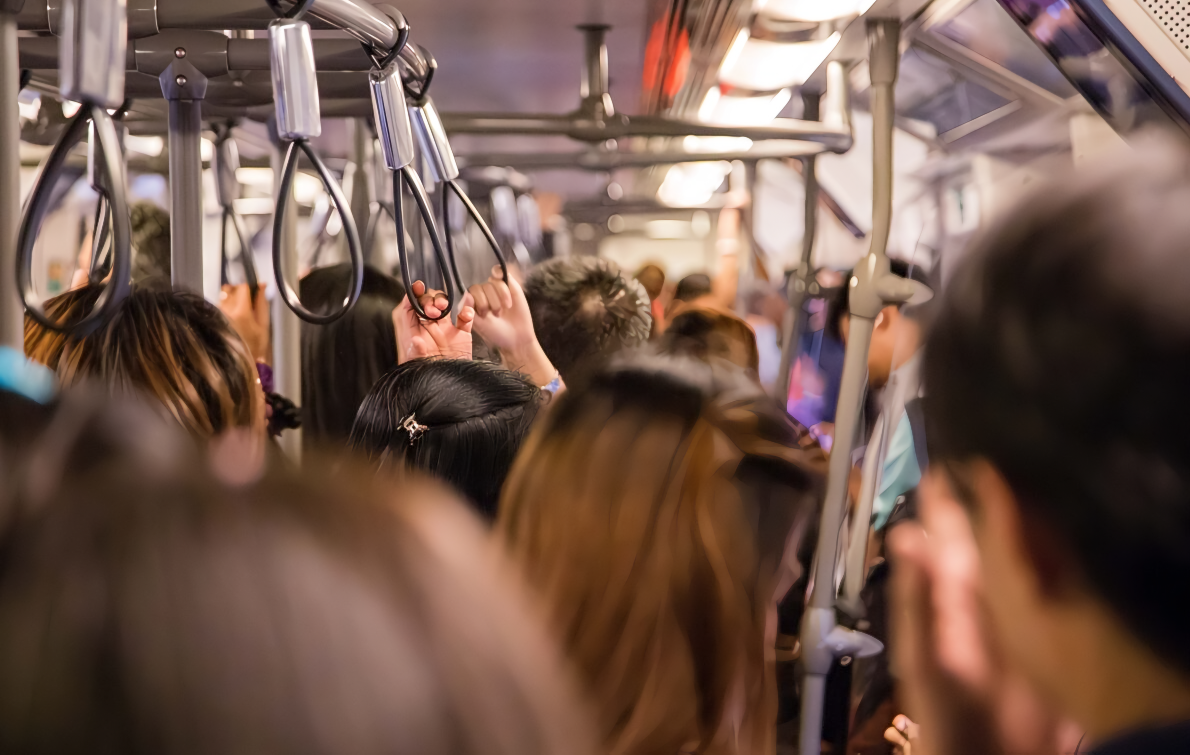
Basic Behavior
Large luggage should be placed on the luggage rack or at your feet, avoiding blocking the aisle and causing inconvenience to other passengers. While on board, it is recommended to set your mobile phone to silent or vibrate mode and avoid making or receiving calls (if necessary, cover your mouth with your hand and speak softly) to avoid disturbing other passengers. Regarding food and drink on board, it is recommended to limit it to chewing gum, candy, snacks, or bottled drinks, but be careful not to emit strong odors or create loud noises (except in special circumstances, and all eating should be avoided if the train is crowded). Of course, many people on the Shinkansen eat "ekiben," which is common and not considered rude.
Using Priority Seats
Priority seats are designed for the elderly, pregnant women, those with physical discomfort, or those with mobility impairments. They are not recommended for the general public. If you are already seated and see someone in need, offer your seat as a courtesy and consideration.
How to Handle Problems
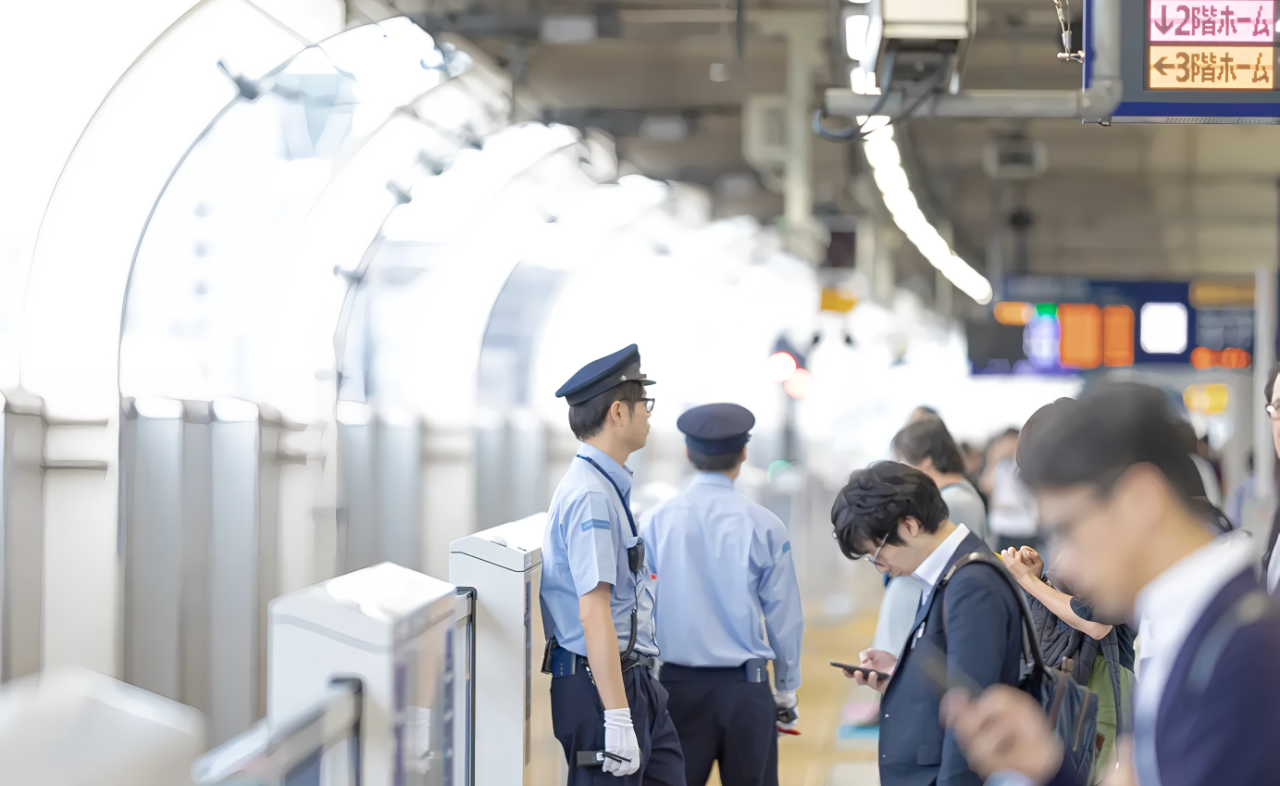
5.1 Missing a Train: If you accidentally miss a train, the most common solution is to take the next available train. If you hold a limited express ticket or a reserved seat ticket, you should promptly report the situation to the station counter and request a refund or transfer. Please note that some limited express tickets may be valid only for a specific train and cannot be used on other trains, so it's best to confirm with station staff in advance.
5.2 Delays and Suspensions: If a train is delayed or suspended, please monitor the station's electronic screens or announcements and follow the instructions to confirm your next departure. Most railway companies will offer refunds or alternative transportation in these situations. If you require proof of a delay, you can obtain one at the station counter or through their official website to facilitate future adjustments or as a voucher.
5.3 Lost Property: If you discover you've lost something on board or in a station, it's recommended that you contact the nearest station staff immediately to report the situation. They will assist you in locating the item. If the item is of particular importance, you may also wish to file a police report for further assistance.
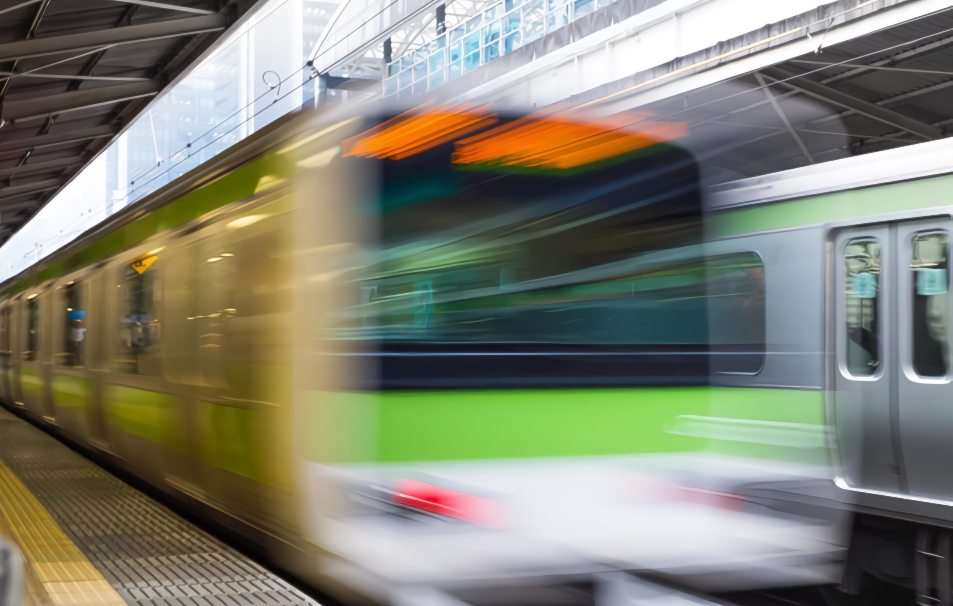
While Japan's rail system may seem a bit complex, with a little research and these practical tools and tips, your journey can be efficient and hassle-free. And if you encounter minor issues like missing a train, delays, or even forgetting something, simply follow the steps outlined in this article. Station staff are incredibly helpful.