2026 Tokyo to Kyoto Transportation Guide: Shinkansen, Flight, Bus & Drive | Japan Train
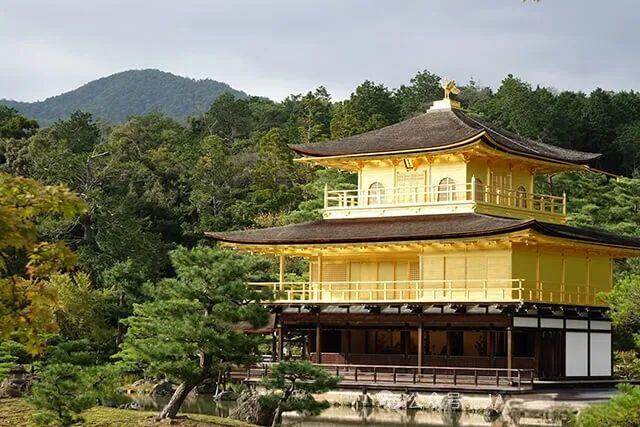
Kyoto is a captivating ancient capital with a history spanning millennia, brimming with Japan's unique cultural charm and home to numerous must-visit historical buildings, pavilions, temples, and shrines, making it a top choice for travelers. If you find yourself in the bustling, modern city of Tokyo and yearn to experience the allure of ancient traditions, consider taking a short trip to Kyoto. What transportation options are available for traveling from Tokyo Station to Kyoto? Generally, travelers can choose between the Shinkansen, conventional trains (local or limited express), flights, self-driving, or even overnight buses. Note that Kyoto does not have its own airport; if opting for a flight, you will need to travel via Osaka International Airport (Itami Airport) or Kansai International Airport and then transfer to Kyoto.
This article will compare the four most commonly chosen transportation options—Shinkansen, flights, highway buses, and self-driving—highlighting their differences, as well as provide details on how to ride the Shinkansen, ticket prices, travel duration, advantages, and other essential information.
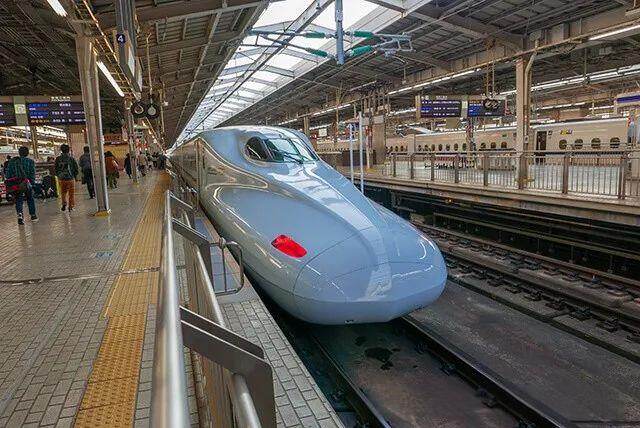
Shinkansen (Bullet Train)
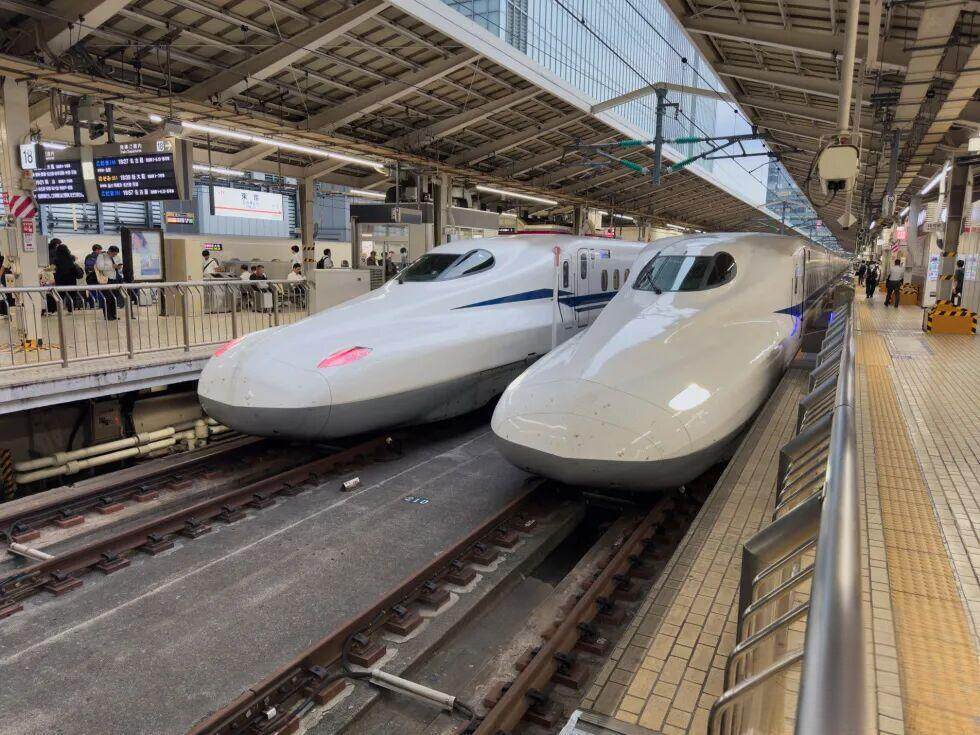
Traveling from Tokyo to Kyoto by Shinkansen is an excellent option due to its frequent departures. The Shinkansen offers multiple train types with varying numbers of stops: the NOZOMI (fastest, with minimal stops) takes approximately 2 hours and 10 minutes; the HIKARI (moderate stops) requires about 2 hours and 40 minutes; while the all-stations KODAMA takes around 3 hours and 40 minutes. Fares range from ¥13,320 to ¥19,040 depending on seat class and ticket type.
Advantages include extremely frequent departures (with trains as often as every 3 minutes during peak hours), the flexibility to board any train after purchasing a ticket (excluding reserved seats without prior booking), direct access to Kyoto Station without transfers, and comfortable spacious seating—including the optional Green Car (first-class) for enhanced comfort. The main drawbacks are the relatively high cost and limited discount opportunities.
1 Seat Types
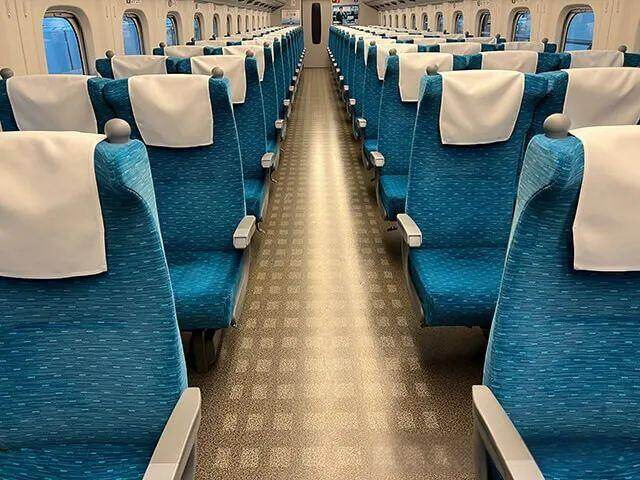
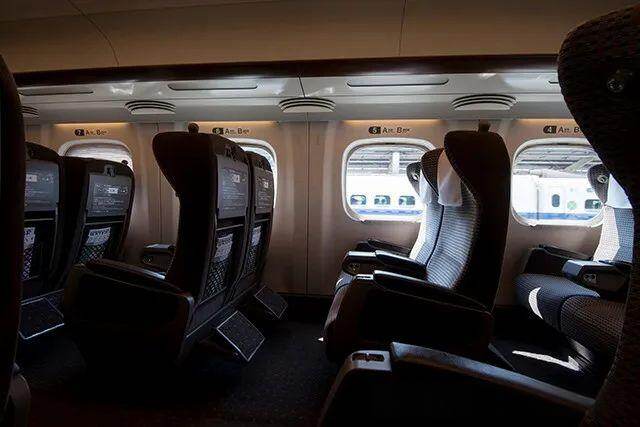
The Shinkansen offers two cabin classes: Standard Class and Green Car. The Green Car (first-class) requires all seats to be reserved, featuring only four seats per row for greater spaciousness and comfort, making it ideal for travelers seeking to reduce journey fatigue. However, Green Car tickets are considerably more expensive, costing ¥19,040 for a NOZOMI train from Tokyo to Kyoto. Standard Class is more affordable and includes both Reserved Seats and Non-Reserved (Unreserved) cars, with five seats per row: seats ABC on the left side (ocean view) and DE on the right side (mountain view) when facing Shin-Osaka. Seats A and E are window seats. For daytime travel to Kyoto, choosing seat E offers opportunities to enjoy views of Mount Fuji and Lake Hamana, while seat A may be subject to strong sunlight exposure if traveling before noon. Non-Reserved cars are typically located in cars 1-3. Among these, car 2 is most recommended as it has the most seats (100 total), followed by car 3. Car 1 has the fewest seats and slightly reduced legroom due to the driver's cabin.
In recent years, to address the issue of passengers carrying large luggage, the Shinkansen has implemented regulations requiring travelers with oversized luggage to notify staff when purchasing tickets. Ticket personnel will then assign seats with dedicated storage space for large baggage.
2 How to Purchase Tickets
Many international travelers find the Shinkansen fare structure unfamiliar as it consists of two components: the Basic Fare Ticket (乗車券, jōshaken) and the Limited Express Ticket (特急券, tokkyūken), with the total fare being the sum of both. For example, for a NOZOMI train from Tokyo to Kyoto, the Basic Fare is ¥8,360 and the Limited Express Ticket (reserved seat) is ¥5,810, resulting in a total of ¥14,170. For Green Car travel on the same route, the Basic Fare remains ¥8,360 while the Green Car Limited Express Ticket costs ¥10,680, totaling ¥19,040.
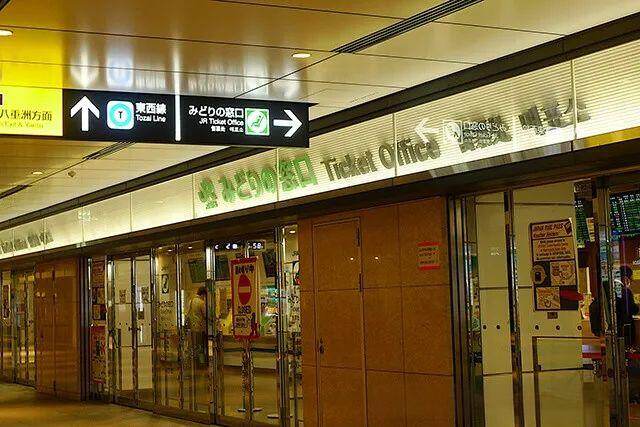
Tickets can be purchased through JR station counters, JR automated ticket machines, the JR official website, or via travel agencies. For first-time buyers, the simplest method is to visit a JR station counter: inform the staff of your destination and preferred train or departure time, then pay by cash or credit card. Major stations also provide automated ticket machines with step-by-step on-screen instructions for self-service purchases.
3 Purchasing Shinkansen Tickets via Japan Train
Japan Train offers the most convenient online ticket booking service for foreign tourists, specifically designed for international visitors and foreign residents in Japan. The process is straightforward: after selecting the departure station, destination, and travel date online, a QR code will be sent via email. Simply bring this QR code to Tokyo Station and exchange it for a physical ticket at designated self-service machines or staffed counters. This method effectively avoids language barriers and long queues at ticket windows. The platform supports multiple languages and provides telephone customer support, making it an ideal choice for first-time travelers to Japan.
4 Ticket Gates and Passage
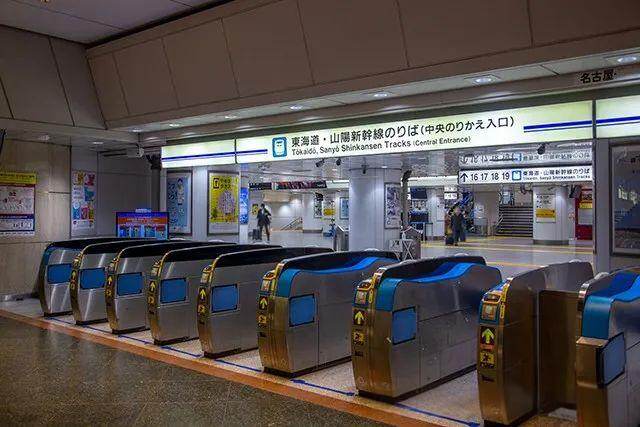
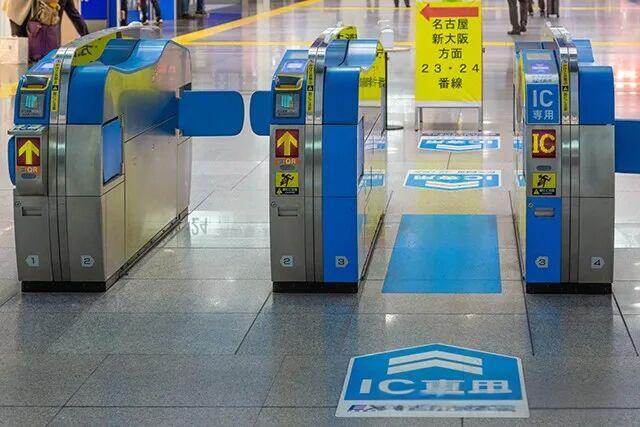
The Shinkansen ticket gates at Tokyo Station are located on the first floor. While there are also ticket gates at the Nihonbashi Exit, the Yaesu Exit gates are generally faster and more convenient. If you're coming from the Marunouchi side, you'll find ticket gates just after entering the Marunouchi Central Exit and walking straight ahead. It's worth noting that the Tokaido-Sanyo Shinkansen bound for Kyoto has dedicated ticket gates on the Yaesu side; don't confuse them with the Tohoku Shinkansen's platform.
When passing through the ticket gates, insert your train ticket and limited express ticket together into the ticket machine. The gates will open and allow you to pass through. You can then retrieve both tickets from the ticket gate ahead.
After arriving at Kyoto Station, you can exit through the Central Exit or Hachijo Exit. You can also transfer to JR trains via the Central Interchange or East Interchange. If you're transferring to the Kyoto City Subway, exit through the Hachijo East Exit gates. For Kintetsu trains, it's more convenient to exit through the Central Exit gates.
5 How to Board
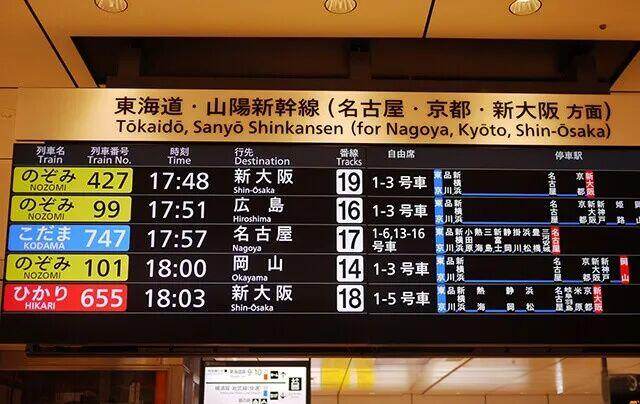
After passing through the ticket gate, look up at the electronic sign to confirm your intended platform number. The Tokaido-Sanyo Shinkansen trains bound for Kyoto generally depart and arrive at platforms 14-19 at Tokyo Station. Check the train number and departure time on your ticket and proceed to the platform indicated by the "○番線発" sign.
If you purchased a reserved seat ticket, such as a Green Car or a reserved seat, also confirm the car number and seat number shown on your ticket and wait at the designated boarding area on the platform. Shinkansen trains are very long, with 16 cars, so if you board at the wrong location, you may end up having to walk a long way to your seat. Furthermore, if you purchased a non-reserved seat car, the Tokaido Shinkansen's non-reserved seats are generally located in cars 1-3 (this will be indicated on the electronic sign on the platform, so please double-check). Arrive at the boarding area for these three cars in advance and board the train in order.
After boarding the train, the conductor will come to check your tickets during the journey. Simply present your two tickets to the conductor to verify that they match your train number and seat. Avoid loud conversations or phone calls while in the train. If you need to make a call, go to the aisle (connecting cars). When playing videos, do not use amplification; use headphones to listen to them.
Shinkansen boarding and alighting times are very short. Once you hear the announcement that you are about to arrive at your station, you must prepare your luggage and get off. Once you get off the train, you must insert your two tickets together into the ticket machine and exit through the gate.
6 First and Last Train Information
The Tokaido-Sanyo Shinkansen departs Tokyo for Kyoto very frequently, with trains running from morning till night, allowing you to choose your preferred route. However, since the station closes after midnight, the last train of the day arrives at Kyoto Station before noon. The first train to Kyoto in the morning is the Nozomi No. 1, departing at 6:00 AM and reaching Hakata Station at 8:08 AM. Arriving this early provides ample time for sightseeing and allows you to plan your trip to the fullest. The last train is the Nozomi No. 265, departing at 9:24 PM and reaching Shin-Osaka Station at 11:31 PM. Arriving this late, you'll definitely want to find accommodations. After a night's rest, getting up early to begin your sightseeing might be a good option.
7 Station Information
The Tokaido Shinkansen runs from Tokyo to Kyoto. The following stations are served on this line:
Tokyo/Shinagawa/Shin-Yokohama/Odawara/Atami/Mishima/Shin-Fuji/Shizuoka/Kakegawa/Hamamatsu/Toyohashi/Mikawa-anjo/Nagoya/Gifu-Hashima/Maihara/Kyoto/Shin-Osaka.
Travelling from Tokyo to Kyoto, you can choose to board the bus at either Tokyo Station or Shinagawa Station.
Highway Bus
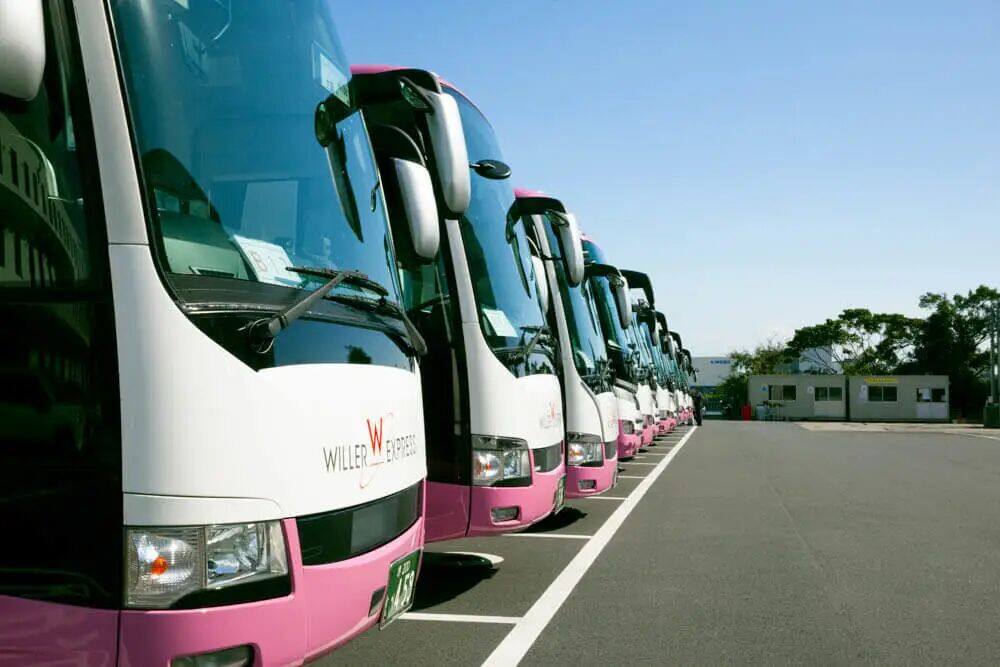
A relatively economical public transportation option for traveling from Tokyo to Kyoto is the highway bus. Japan's highway buses typically run between cities or connect cities with specific tourist attractions. They are generally cheaper than flights or trains and operate day and night. If your schedule is flexible, the highway bus is a good option.
If you want to save time traveling and sleep, you can take a night bus. Taking a night bus from Tokyo to Osaka or Kyoto is actually similar to the Shinkansen route, which is Tokyo-Nagoya-Kyoto-Osaka.
1 Bus Pros and Cons Comparison
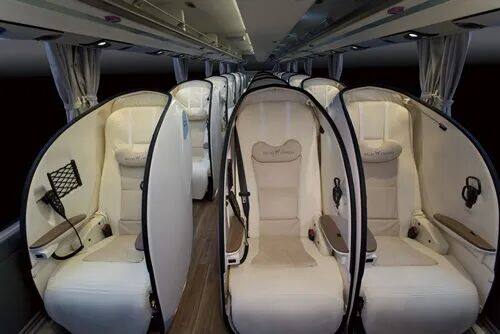
Pros: Affordable, frequent, some night buses are equipped with toilets, electrical outlets, Wi-Fi, and comfortable seats with blankets. Many buses are also available as luxury buses.
Cons: Journey time is slightly longer, less comfortable than the Shinkansen, and can be tiring.
2 Travel Time
The journey takes 7 to 9 hours, but since most buses run at night, you can save on a night's accommodation and still start your day early in the morning. This makes it a great option for travelers who sleep well and have plenty of energy.
3 Bus Fares
Bus fares vary by company. Buses from Tokyo to Kyoto typically cost around 2,000 to 8,000 yen. If you're lucky, you can find discounts during off-peak hours, even for just over 2,000 yen.
Highway bus and night bus fares vary depending on the month and holidays, and tickets can be hard to come by during peak season. It's recommended to book your ticket online before departure. If there are seats available on the bus, you can also purchase tickets at the bus counter.
4 Ticket Purchase Methods
Most long-distance buses require seat reservations. Reservations can be made at major bus terminals, through travel agencies, by phone (usually in Japanese only; phone numbers are listed on the bus company websites), or online. Searching "night bus" on Google will bring up bus company websites or bus price comparison websites. You can book directly there.
5 Getting There
Major night bus departure points are the bus terminal at the Yaesu Exit of JR Tokyo Station and Busta Shinjuku at the South Exit of JR Shinjuku Station. Both are convenient destinations, and many tourists base their trips in Tokyo before traveling across Japan.
6 Bus Notes
Some buses have restrooms, while others do not. However, buses stop every two to three hours for restroom breaks.
Since seats are limited on each bus type, bus arrangements are made by the bus company, so you cannot specify the bus type, bus number, or seat.
Generally, you can only bring one piece of luggage, and the maximum size of a carry-on suitcase is 28 inches.
Airplane
Kyoto has no airport. The closest airport is Osaka Itami Airport. Only regular airlines like JAL and ANA fly to Tokyo. Budget airlines fly to Kansai International Airport. To fly to Kyoto from Tokyo, you must first fly to Osaka and then take the JR line to Kyoto. From Osaka Kansai International Airport to Kyoto Station, you can take the JR Haruka Limited Express train directly. The journey takes one hour and 20 minutes and costs 3,640 yen. To get to Kyoto Station from Itami Airport, you first need to take the monorail to Hotarugaike Station, transfer to the Hankyu Takarazuka Line, and then transfer to the JR Kyoto Line at Osaka Umeda Station. The journey takes about one hour. You can also take a direct bus to Kyoto Station's Hachijo Exit, which also takes about one hour.
Tokyo has two airports: Narita Airport and Haneda Airport. Haneda Airport is closer to the city center, while Narita Airport is farther away. Therefore, if you're choosing to fly, if airfares are similar, choose Haneda Airport to save time.
1 Pros and Cons of Airplanes
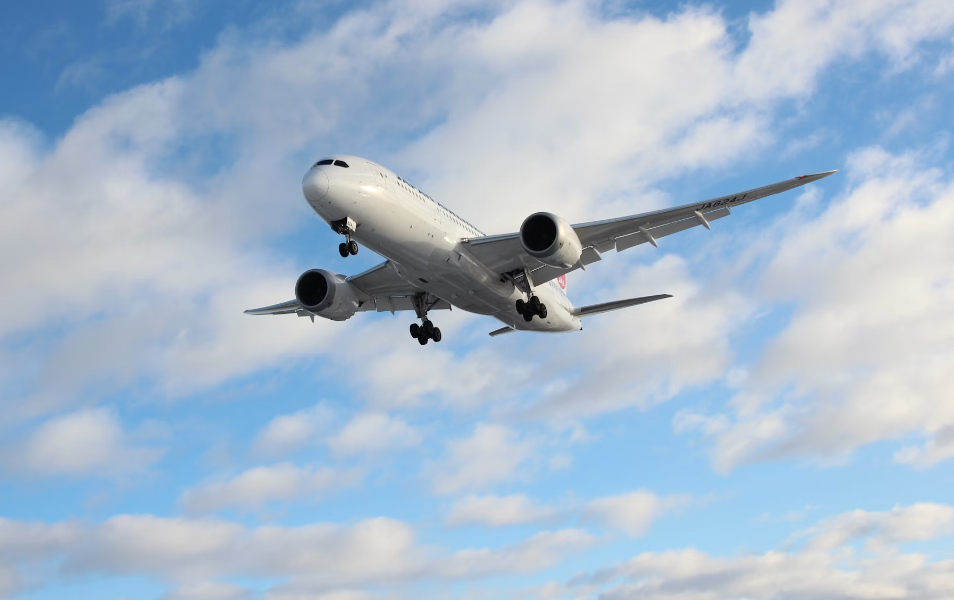
Pros: Fastest and most comfortable
Cons: Expensive airfare, and the airport is not located in the city.
2 Travel Time
Flights from eastern Tokyo to Osaka take about an hour to an hour and a half. However, factoring in baggage check-in and baggage inspection, the journey can sometimes take longer than the Shinkansen. After arriving in Osaka, you'll need to transfer to other transportation to Kyoto.
3 Airfare
Airplane fares are certainly cheaper than the Shinkansen, but they can be more cumbersome. Consider the time spent waiting, going through security, and getting from the airport to the city. Fares vary depending on the airline. One-way fares range from approximately 13,000 yen to 35,000 yen. Airfares fluctuate yearly during peak and off-season periods.
Renting a Car and Driving Your Own Car
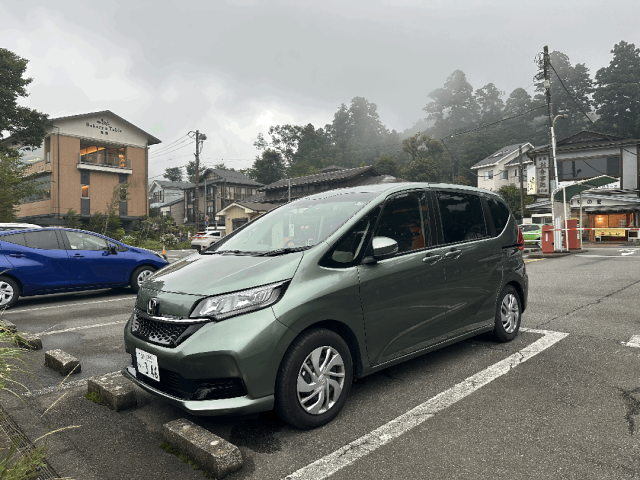
If you're traveling with a group and have a long vacation with frequent stops along the way, driving your own car can be a good option. However, you'll need an international driver's license recognized in Japan, so prepare this in advance.
From the Tokyo Expressway, you can go to Kyoto via the Tomei Expressway, Shin-Tomei Expressway, Ise-Kangan Expressway, Higashi-Meihan Expressway, Shin-Meishin Expressway, and Meishin Expressway.
1 Travel Time
Approximately 4 hours, but the exact driving time will need to be adjusted based on specific circumstances.
2 Car Rental Costs
Car rental costs in Japan are generally calculated in two ways: by the day or by the hour (6, 12, 24 hours, etc.). A daily surcharge applies for trips exceeding one day. The base price varies depending on the rental company and the type of vehicle. According to the Japan National Tourism Organization, the average daily rental cost ranges from 6,000 to 40,000 yen.
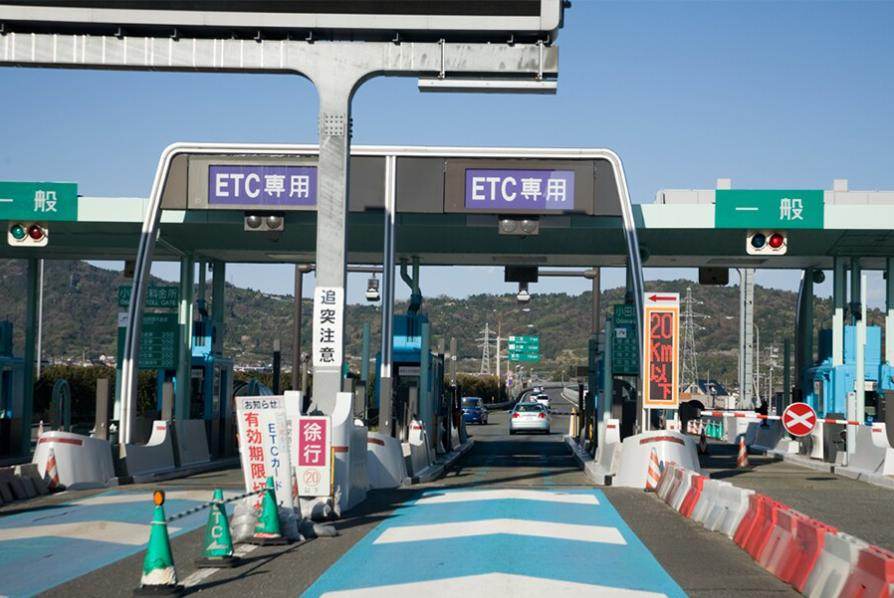
In addition to the rental cost, self-driving trips also include fuel, highway tolls, and parking fees. Fuel costs in Japan are approximately ¥150 per liter, and highway tolls vary depending on the highway section. Parking is more expensive in cities, while parking in suburban areas is generally free.
3 Car Rental Methods
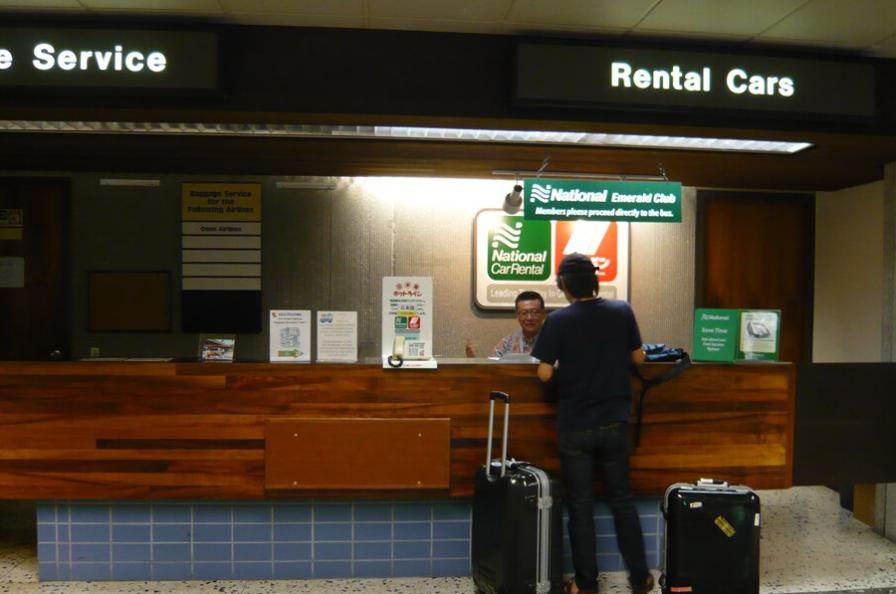
1) Booking through the rental company's official website. With the exception of small, local companies, all Japanese car rental companies have official websites, and the rental process is handled online, without any human intervention.
2) Car Rental Agents. Besides renting directly through the rental company's website, you can also rent through a rental agent. These include domestic companies such as ToCoo!, Rakuten Travel Japan, and Jyarannet, as well as international companies, including international rental websites, online travel agencies and travel platforms, and local travel agencies.
Summary and Recommendations
• Top Recommendation: For most travelers, the Shinkansen is undoubtedly the best choice for balancing time, comfort, and convenience. If your budget allows, it's highly recommended.
• Budget Prioritized: If you have plenty of time and a tight budget, overnight express buses are a reliable and cost-effective option.
• Trip Planning: Regardless of your choice, it's always a good idea to plan and book in advance (especially for reserved Shinkansen seats and overnight buses), especially during peak travel seasons (such as cherry blossom season, autumn foliage season, and Golden Week).
We hope this detailed transportation guide helps you embark on a smooth journey to Kansai and create wonderful memories in the ancient capital of Kyoto!