2026 Shinjuku Station Guide: Transfers, Exits & Route Tips | Japan Train

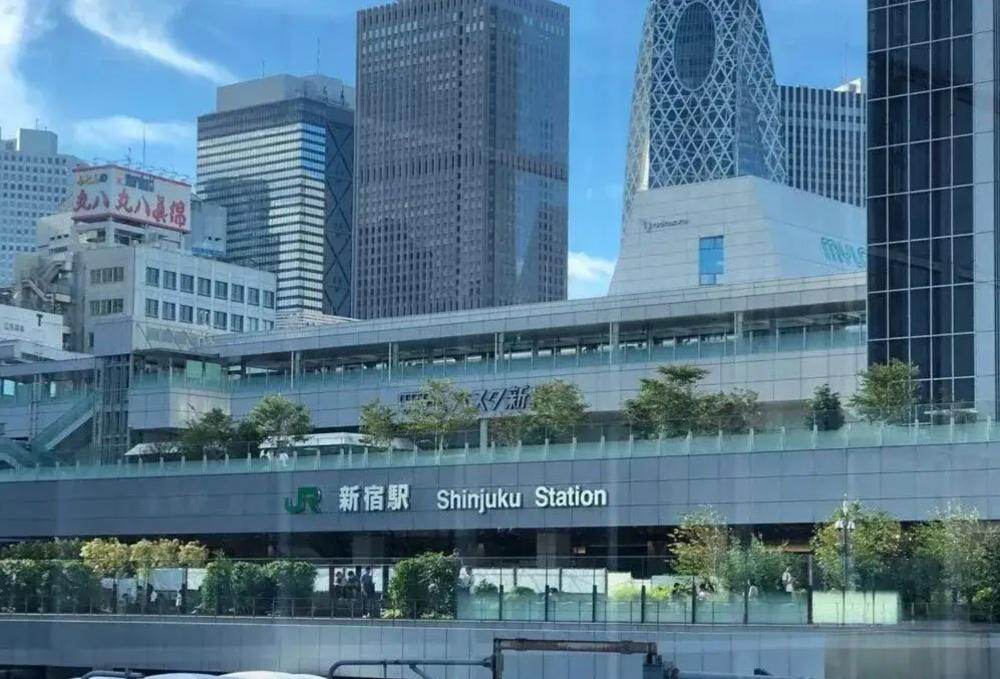
Shinjuku Station is located between Shinjuku Ward and Shibuya Ward in Tokyo, serving as one of the city's major transportation hubs and the busiest railway station in the world by passenger traffic.
1. Introduction to Shinjuku Station
Shinjuku Station, one of the world's busiest stations, serves 11 lines, including East Japan Railway (JR Yamanote Line, Saikyo Line, Shonan-Shinjuku Line, Chuo Line, and Chuo-Sobu Line), Keio Electric Railway (Keio Line and Keio New Line), Odakyu Electric Railway (Odawara Line), Tokyo Metro (Marunouchi Line), and Toei Subway (Toei Shinjuku Line and Toei Ōedo Line). The Odawara Line and Keio Line are terminus stations, while the Keio New Line operates directly between the Toei Shinjuku Line and the Toei Shinjuku Line.
Other connecting stations via underground passages include Seibu Shinjuku Station (Seibu Shinjuku Line), Shinjuku Nishiguchi Station (Toei Ōedo Line), Nishi-Shinjuku Station (Marunouchi Line), Shinjuku-Sanchome Station (Fukutoshin Line and Marunouchi Line), and Tochomae Station (Toei Ōedo Line).
Shinjuku Station has 36 platforms, including 16 for JR lines, 9 for Odakyu Electric Railway, 5 for Keio Electric Railway, 2 for Tokyo Metro, and 4 for Toei Subway. Shinjuku Station has 69 exits. Including the five connected stations, there are 51 platforms in the surrounding area, and over 200 exits leading into the building.
2. Introduction to Shinjuku Station Train Routes
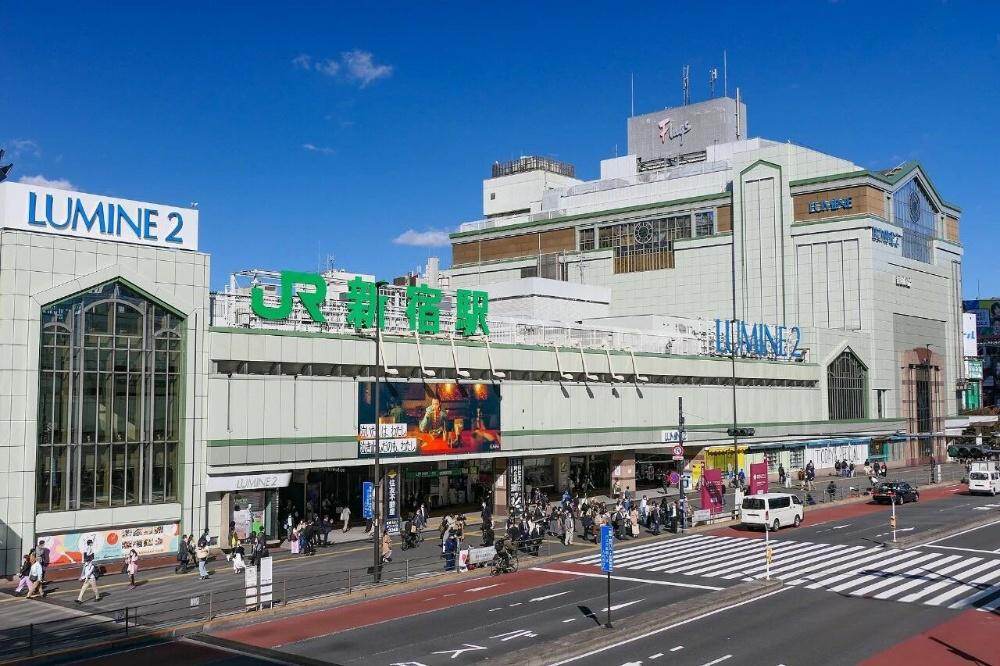
Shinjuku Station is a three-story structure, divided into above-ground and underground stations, as well as platforms and train lines. JR Shinjuku Station is above ground, while Keio Electric Railway Shinjuku Station, Toei Subway, and Tokyo Metro are all underground. Odakyu Electric Railway Odawara Line Shinjuku Station is both above ground and underground. Conventional one- or two-story stations often have ticket gates on one level, with relatively simple routes between them and the platforms, making them easier to identify. However, with a three-story structure, Shinjuku Station's ticket gates are located on the second and basement levels, while the platforms are located on the first level, making transfers more complex.
Shinjuku Station connects Tokyo with trains and subways within and beyond. When people mention "Shinjuku Station," they often think of JR Shinjuku Station. The station has 16 platforms and 10 exits. JR lines include the Yamanote Line, Chuo Line, Sobu Line, Saikyo Line, and Shonan Shinjuku Line. In addition, there are "Tokyo Metro" Marunouchi Line, "Toei Subway" Shinjuku Line, Oedo Line, "Odakyu Electric Railway" Odakyu Line, "Keio Electric Railway" Keio Line, Keio New Line and "Seibu Railway" Seibu Shinjuku Line in the surrounding area.
3. Transfers within Shinjuku Station
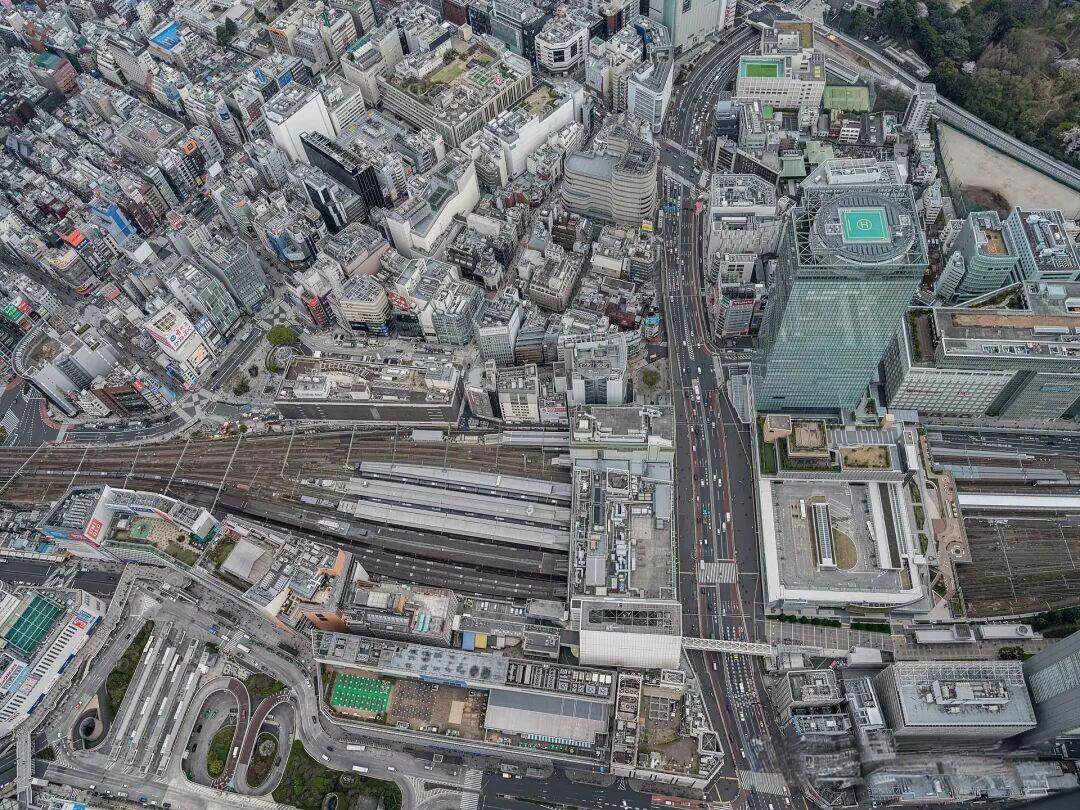
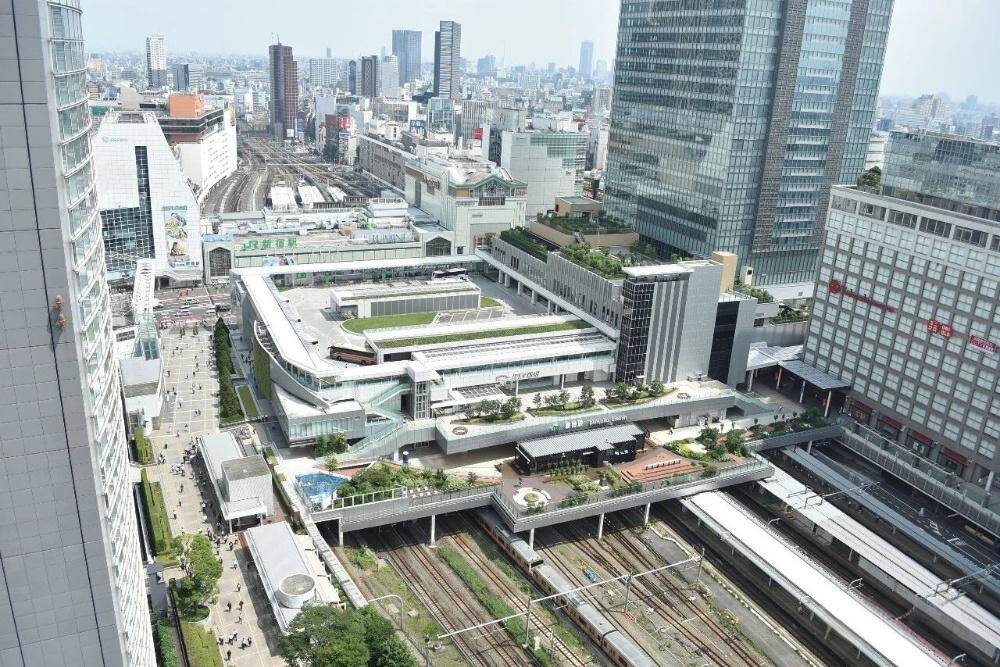
JR Shinjuku Station's exits are broadly divided into three areas: the East, West, and South. The East side includes the East Exit and the Central East Exit; the West side includes the West Exit and the Central West Exit; and the South side includes the South Exit, the Southeast Exit, the Shin-Minami Exit, the Koshu Kaido Exit, and the Mirain Tower Exit (red blocks in the left image). The East and West exits are underground, while the South exit is above ground.
Simply put, the platforms are located on the first floor. To exit toward the East or West, walk down to the platform level below. To exit toward the South, walk up to the platform level above.
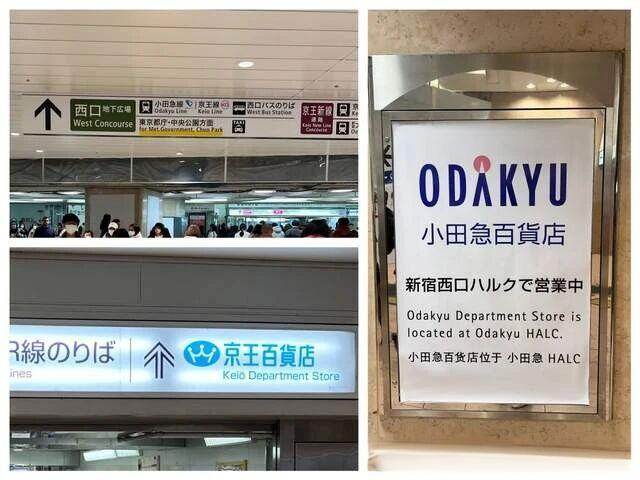
JR Shinjuku Station lacks a North Exit, so transfers typically occur through the West or South Exits. Most JR, Odakyu, and Keio lines are concentrated here, and the South Exit provides a direct link to Toei Subway Shinjuku Station, making transfers relatively convenient. The East Exit offers easy access to Tokyo Metro Shinjuku Station and Seibu Shinjuku Station. Shinjuku-Nishiguchi Station on the Toei Subway can be reached from either the East or West Exit.
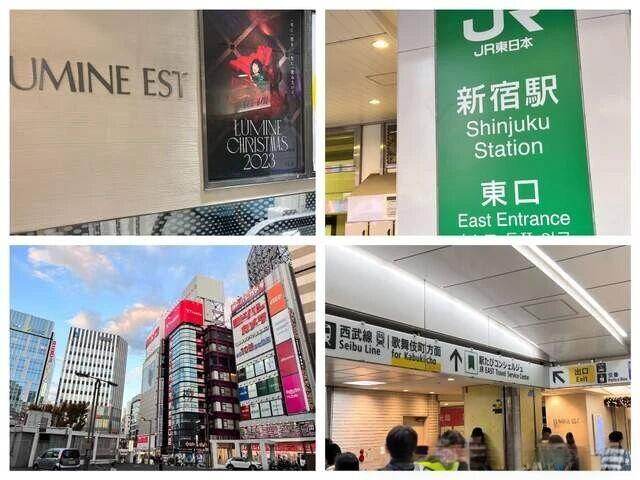
If you're transferring from JR to the Odakyu or Keio lines, the most convenient way is to transfer directly within the JR station. Since the platforms for these two lines are connected, there's no need to exit the station or re-print your ticket, saving both time and effort. The Seibu Shinjuku Line, on the other hand, is the only line that requires you to walk outdoors to transfer. Since Seibu Shinjuku Station isn't located within the main Shinjuku Station area, but rather a short distance north, you'll have to leave Shinjuku Station and walk a few minutes to reach it. This is especially important to note to avoid wasted time finding your way around.
4. How to Avoid Getting Lost in Shinjuku Station
✅ Remember which exit you came from.
✅ Use Google Maps or the official station app to locate your location.
✅ Follow the signs; don't just exit from a different exit.
✅ Don't be fooled by claims that something is "close, just across the street."
✅ First time here? Allow at least 30 minutes for transfers.
✅ If all else fails, find the nearest exit and head up to the ground level. This will give you a clearer sense of the area and provide a better signal for your phone.