Complete Guide to the JR Yamanote Line (2026 Edition)
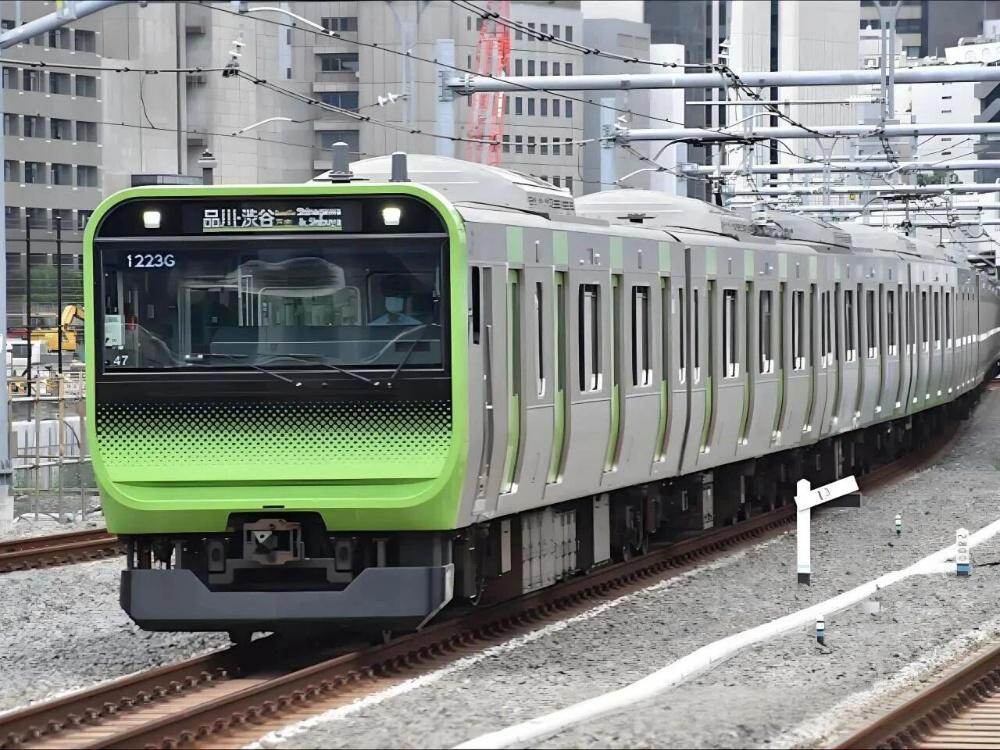
1. Introduction to the JR Yamanote Line
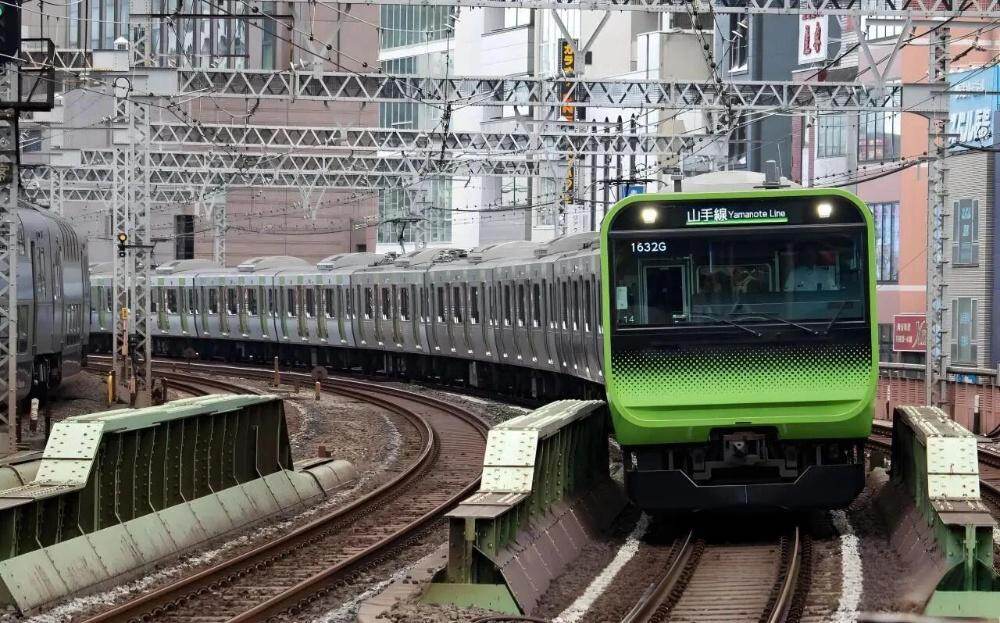
The JR Yamanote Line is a circular railway line centered in central Tokyo, passing through major stations such as Ueno, Tokyo, Shinagawa, Shibuya, Shinjuku, and Ikebukuro. It is a vital transportation artery for Tokyo. Starting at Shinagawa Station and ending at Tamachi Station, the line connects to other prefectures and cities throughout Japan via the Shinkansen. Transfers to Shinagawa or Hamamatsucho Station also provide direct access to Haneda Airport. Because the line passes through major commercial stations, rush hour for commuters occurs between 7:30 and 8:40 AM. If you have large luggage on board, avoid these times.
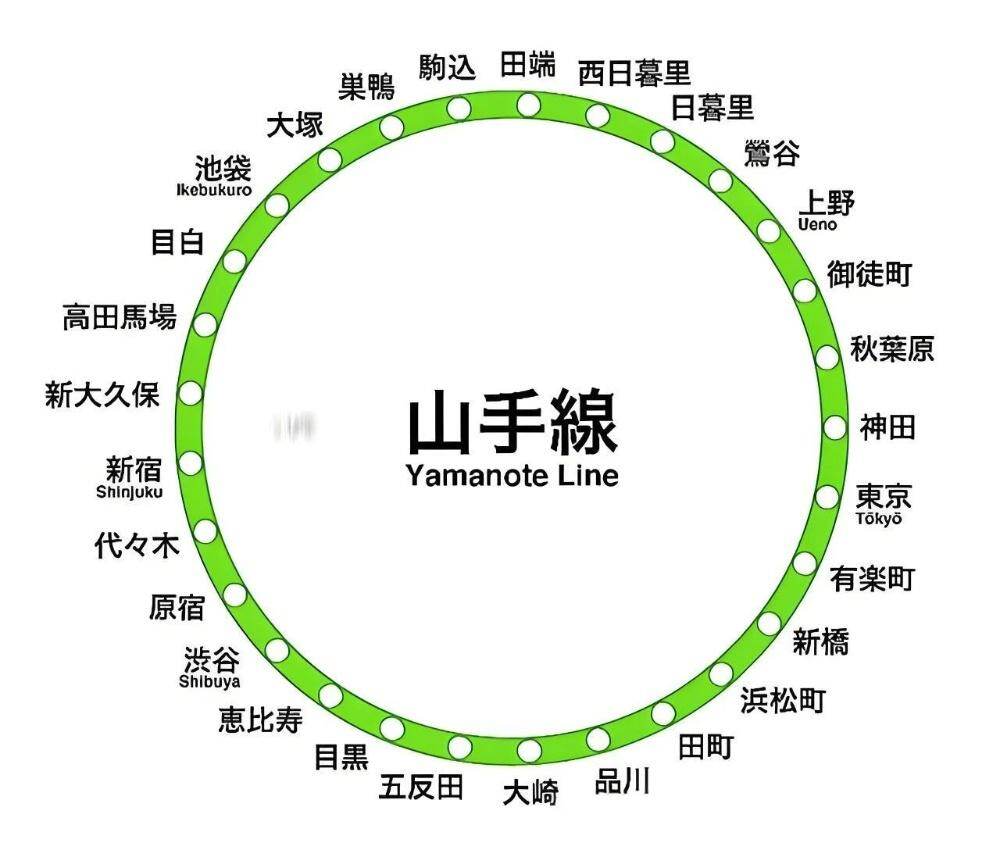
Tokyo's Yamanote Line, a circular route with 30 stations, is one of Tokyo's two major loop lines, along with the Toei Ōedo Line, encircling the city center. The Yamanote Line stretches approximately 35 kilometers, divided into two directions: the "Inner Loop" (inner loop, counterclockwise) and the "Outer Loop" (outer loop, clockwise). A full circuit takes approximately 60 minutes. The Yamanote Line stops at every station, offering a virtually unlimited circuit, so there's no need to worry about getting on the wrong train or missing your destination. Furthermore, the Yamanote Line has the shortest distances between stations in JR East, making it easy to walk directly to the next station and then catch a train to other areas.
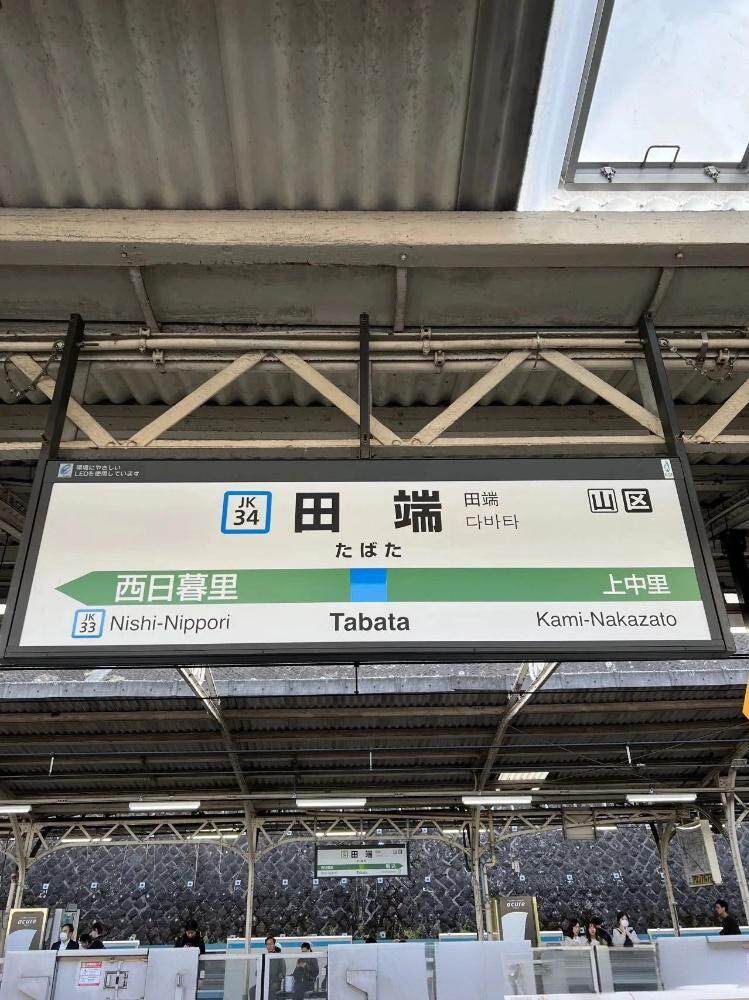
Every station along the Yamanote Line is a major transfer hub. Tokyo Metro, Toei Subway, Tokyo Monorail, Seibu, Keio, Odakyu, and other private railways all use the Yamanote Line as a major transfer hub, radiating outwards throughout Tokyo. Therefore, if you're traveling throughout Tokyo, you're likely to transfer on the Yamanote Line.
2. JR Yamanote Line Information
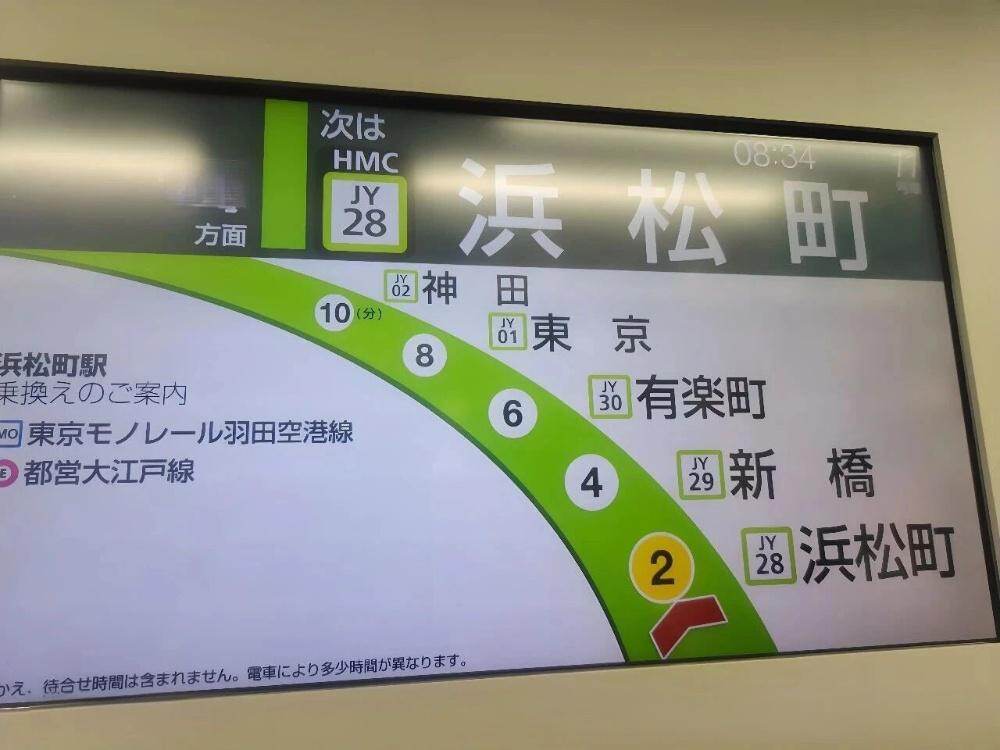
The JR Yamanote Line loops approximately 34.5 kilometers and takes about 60 minutes. As a circular line, it operates in two directions: the "Outer Loop" (clockwise) and the "Inner Loop" (counterclockwise). However, since the line ultimately loops, even if you accidentally take the wrong route, you'll still return to your original station. Consider which direction will get you there faster. On weekdays, there are 328 "outer loop" and 322 "inner loop" trips per day, totaling about 650 trips per day. This is more than the weekend trips and the frequency is very dense, with an average of one trip every 2 minutes and 20 seconds to ease the weekday commuting crowds.
3. Yamanote Line Fares
Yamanote Line fares are calculated based on distance: 1-3 kilometers from the starting station cost 150 yen, 4-6 kilometers cost 170 yen, 7-10 kilometers cost 180 yen, 11-15 kilometers cost 210 yen, and 16-20 kilometers cost 280 yen. However, since the Yamanote Line is a loop line, the further you travel from the farthest diagonal station, the lower the fare, the closer you get to the starting station. The above prices are for paper tickets purchased in cash. Using an IC card like Suica or Pasmo offers slightly lower prices, so we recommend using an IC card for economical and convenient travel.
3.1.Tokyo Metropolitan Area Pass (Tokunai Pass)
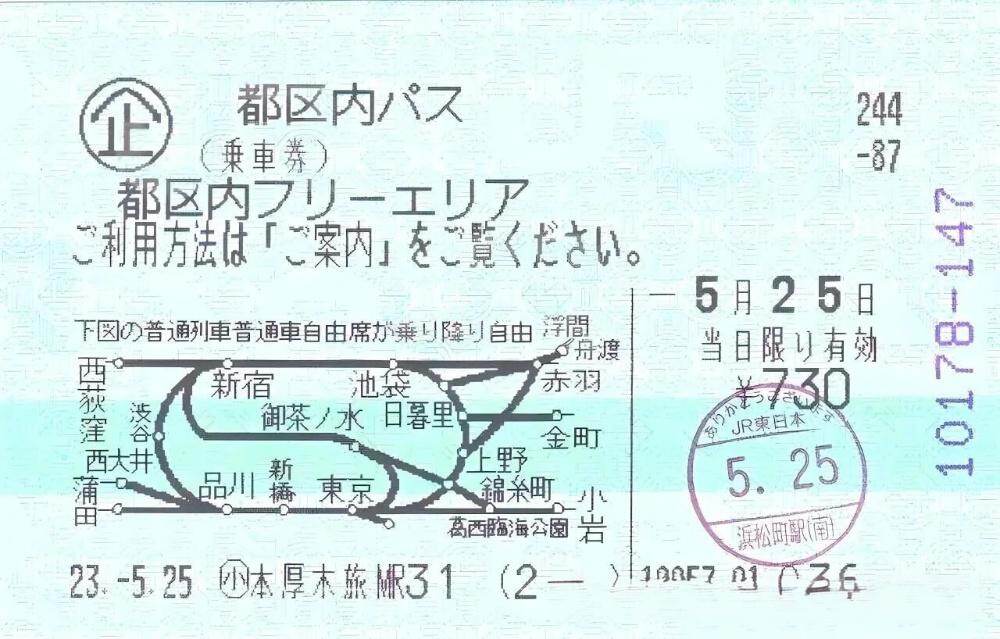
JR East has launched the super-value one-day pass, the "Tokyo Metropolitan Area Pass (Tokunai Pass)": For just 760 yen, it grants unlimited JR travel within the area shown below for one day. The more you ride, the better the discount, and it also saves you the hassle of buying a ticket each time you travel. You can purchase this pass directly from the ticket vending machine at every JR station by clicking on the "Discount Pass." It's recommended to check if your planned destinations have JR train routes and calculate whether the full-day fare will exceed 760 yen. If so, purchase this pass and enjoy a stress-free day!
3.2. Unlimited JR, private rail, and bus travel: Tokyo One-Day Pass (Tokyo Freekip)
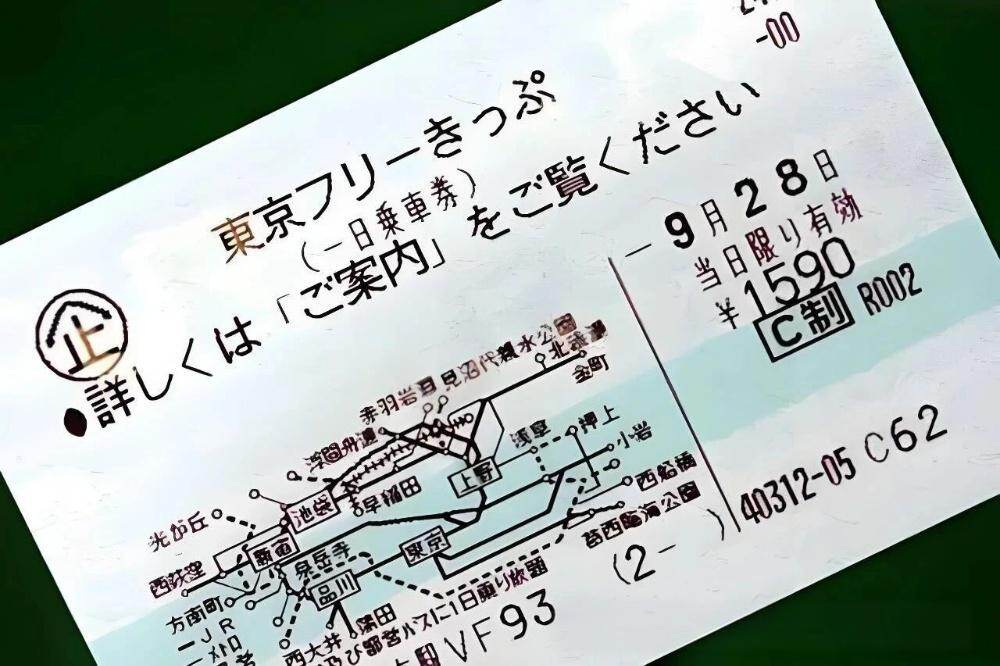
The biggest feature of the Tokyo Freekip (Tokyo One-Day Pass) is that it allows unlimited rides on not only JR trains, but also the Tokyo Metro, Toei Subway, Toden Arakawa Line, Nippori-Toneri-Toneri Line, and Toei buses for just ¥1,600 a day! As you can see from the map below, the JR range remains the same, but with the addition of many new gray radial routes, the coverage area is wider. Buses within the yellow area are also covered. If you want to save time walking and explore Tokyo and its surrounding areas, this pass is recommended. It can be purchased at any JR East reserved seat ticket machine within the valid range.
4. Key Stations on the Yamanote Line
4.1. Tokyo Station
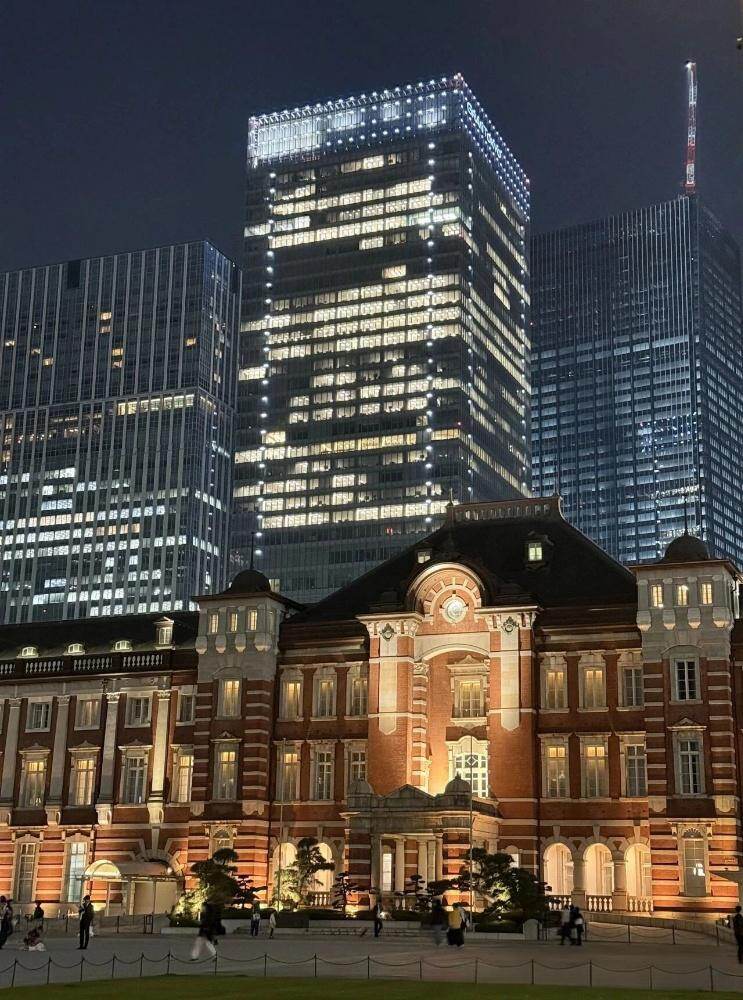
The most important station on the Yamanote Line is Tokyo Station, the gateway to Tokyo. It not only offers access to numerous train lines, but is also a major Shinkansen terminal, offering connections to nearby areas such as Karuizawa, Kawaguchiko, and Nagano. Tokyo Station boasts the most convenient and comprehensive transportation network in Japan, offering connections to all prefectures. The station's exits are broadly divided into the Yaesu and Marunouchi sides. Surrounded by commercial buildings, business hotels, and shopping malls, Tokyo Station is close to the Imperial Palace, offering both historical and cultural attractions and commercial tourism. Tokyo Station, originally built in 1914, has been restored to its original appearance. Beyond its transportation function, the station itself is a major tourist attraction.
4.2 Shinjuku Station
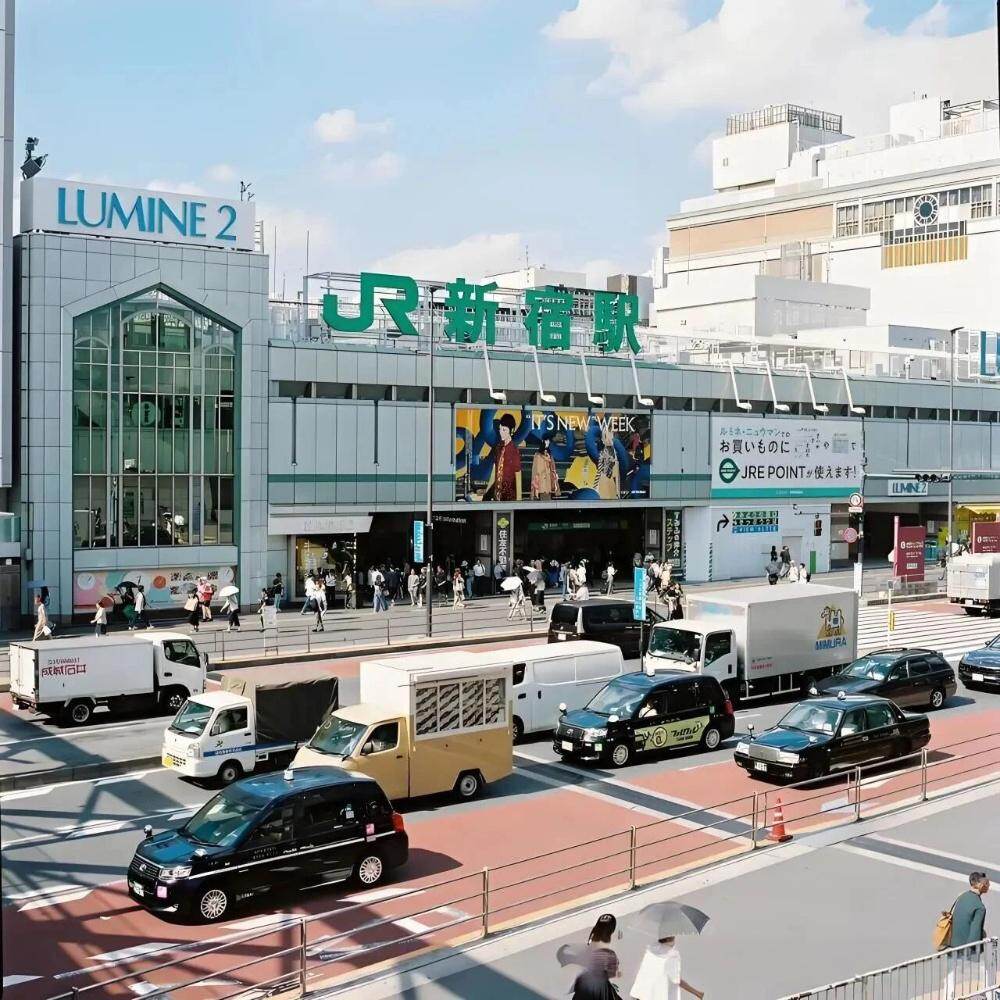
Shinjuku Station boasts the highest daily passenger volume in the world and is often hailed as one of Japan's busiest destinations, home to numerous department stores, electronics stores, movie theaters, and other commercial facilities. The atmosphere at Shinjuku Station's East and West Exits is distinct. The East Exit area, bustling with shops and Kabukicho, is bustling, while the West Exit area, home to office buildings and the Tokyo Metropolitan Government Building, is relatively quiet.
4.3 Shibuya Station
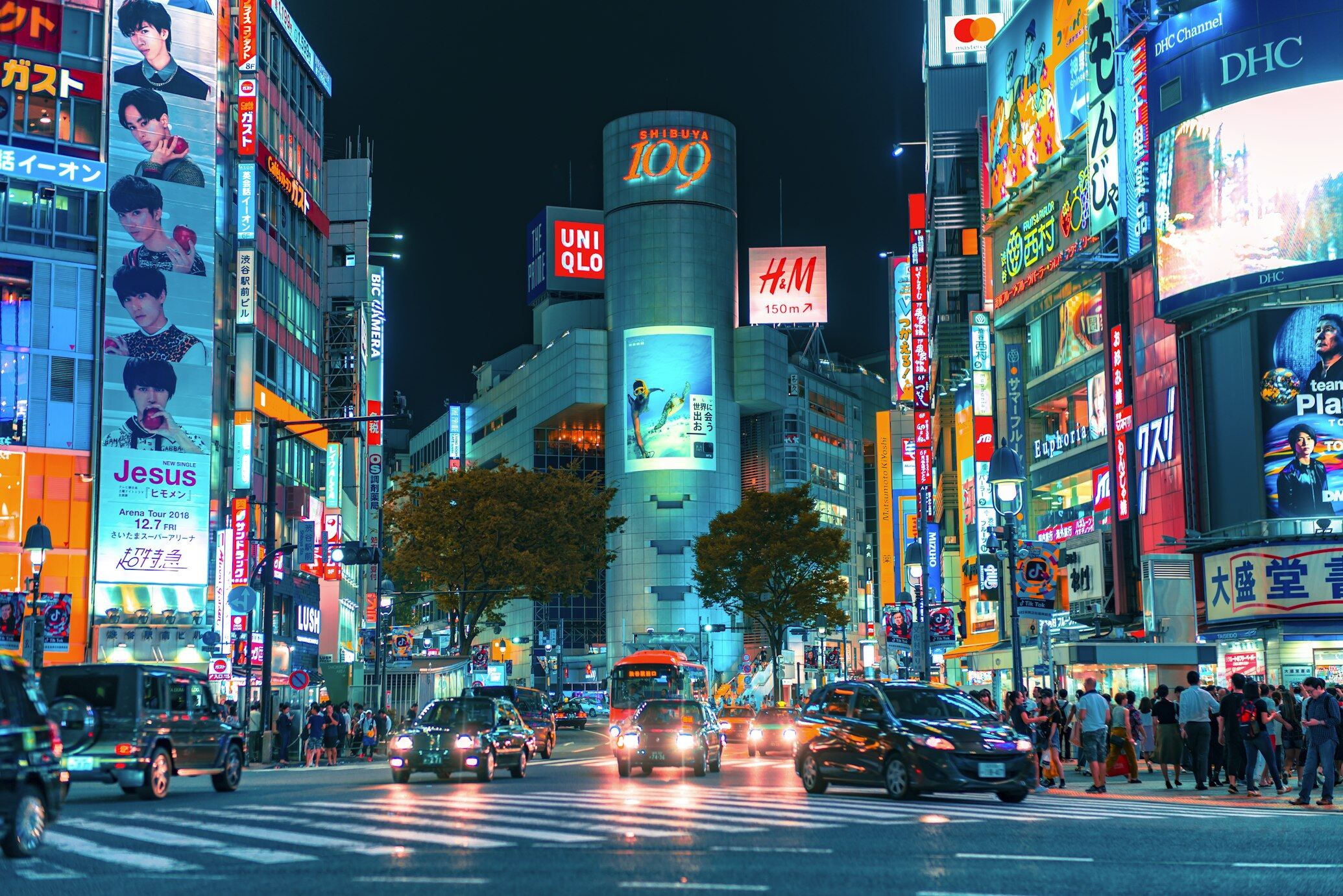
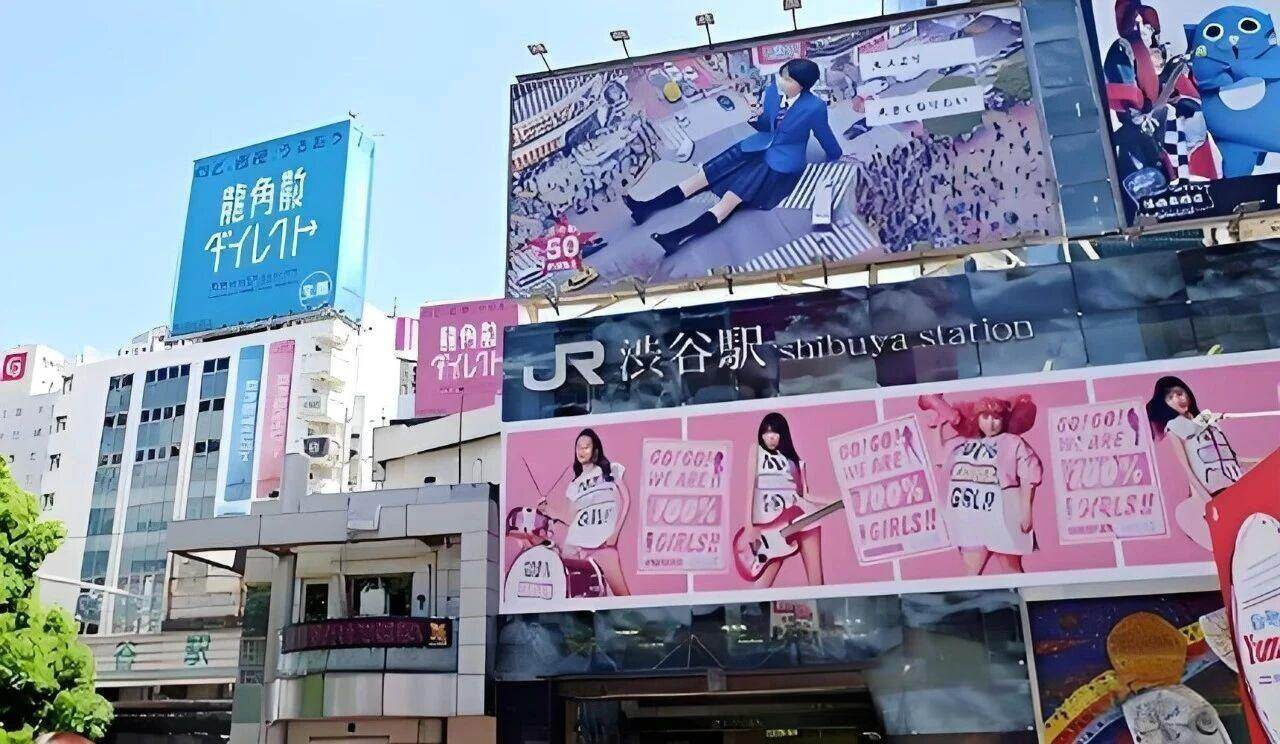
Shibuya Station boasts a world-renowned intersection. The spectacular sight of pedestrians swarming in all directions whenever the red light turns green is not only a popular photo opportunity for international tourists, but has also been frequently featured in major film and television productions. A statue of the loyal dog Hachiko, standing just outside the JR station, commemorates the spot where Hachiko once waited for his master, Professor Ueno, to return home, and continues to attract numerous tourists from both Japan and abroad. In recent years, the Shibuya redevelopment project has spawned numerous new attractions, including the iconic Shibuya Tsutaya intersection landmark, the Shibuya Scremble Square, renowned for its rooftop Shibuya SKY observation deck, Miyashita Park, a rooftop park directly connected to Harajuku Station, and the Shibuya Sakura Stage, which opened in 2026. Shibuya, long a symbol of trendy fashion, has continued to develop in recent years, adding numerous new and unique attractions and making it an even more popular tourist destination. Let Shibuya's fashion leadership continue to update with the times and last forever!
4.4 Ikebukuro Station
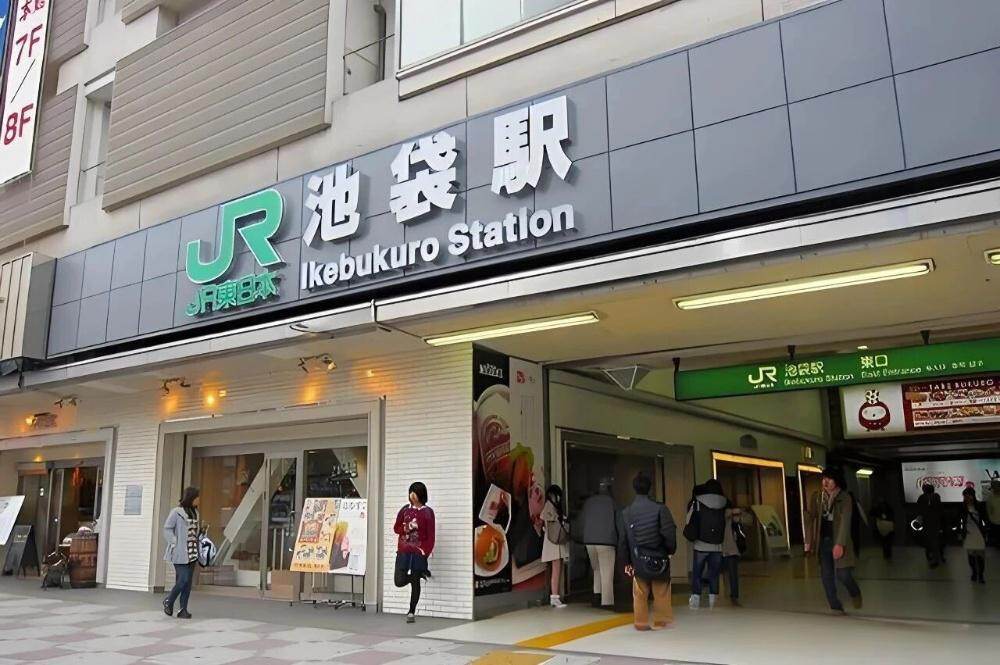
Ikebukuro Station is one of the larger stations in western Tokyo. A vast underground shopping arcade connects the East and West Exits, creating a stark contrast between the two. The East Exit boasts numerous department stores, Japanese clothing stores, and electronics stores. The pedestrian-friendly shopping area, Sunshine Street, is not only a great place for shopping but also boasts numerous video game stores, leading directly to the Sunshine City shopping mall. The West Exit, once known as Ikebukuro West Exit Park, boasts a more diverse selection of restaurants, primarily Chinese restaurants and department stores, creating a subtle Chinatown feel. Besides being a popular lodging destination, this area is also a shopping paradise. With Seibu Department Store, PARCO, Biccamera, and Tangji located on the East Exit, and Tobu Department Store located on the West Exit, you can easily find everything you need.
4.5. Ueno Station
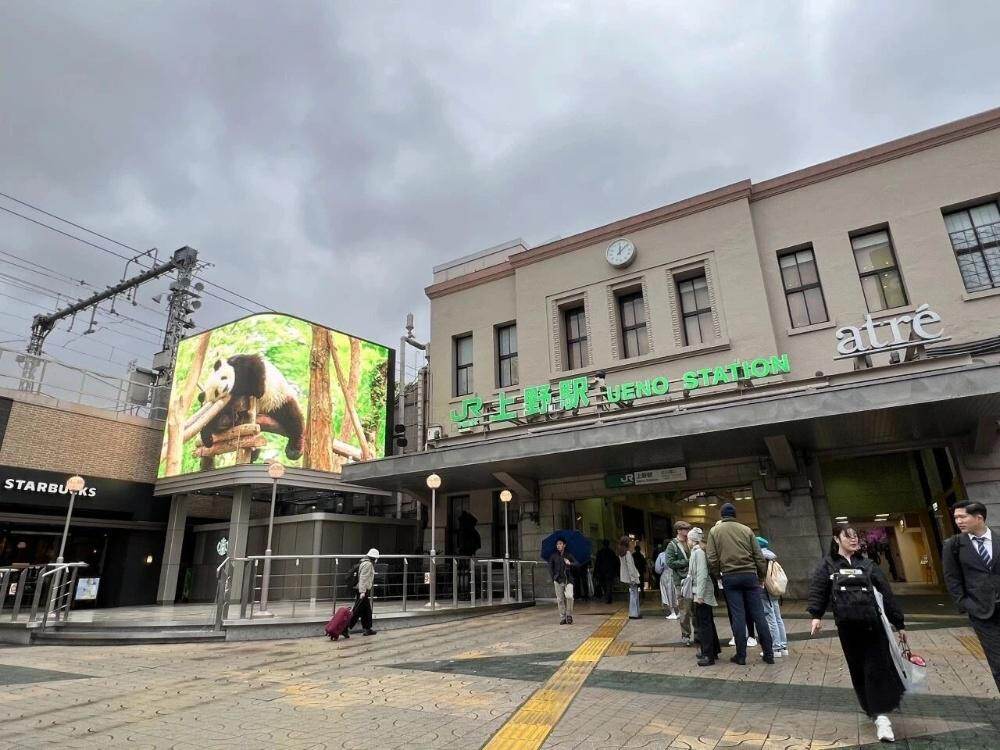
Ueno Station is a key transportation hub in Tokyo. JR East's Yamanote, Keihin-Tohoku, and Joban lines pass through it, as do the Tohoku, Joetsu, and Hokuriku Shinkansen lines, alleviating the heavy traffic from Tokyo Station. Ueno Station is the first stop for many arriving in Japan and is a popular choice for overnight stays. The area is also home to numerous art galleries and museums, making it a great place for cultural outings. Ueno Park, a popular cherry blossom viewing spot, is also home to the Ueno Zoo, the Ueno Forest Museum, the Tokyo National Museum, the Tokyo Metropolitan Art Museum, the National Museum of Western Art, a World Heritage-listed building, and the National Museum of Nature and Science.
4.6 Takanawa Station
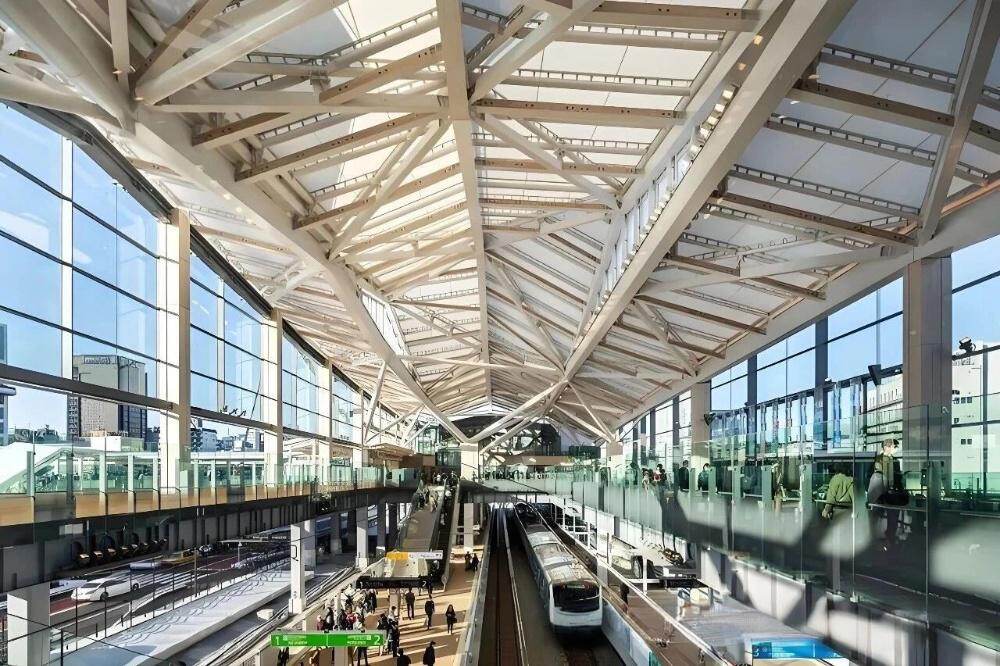
Originally opened in March 2020 to facilitate the flow of international visitors arriving for the 2020 Tokyo Olympics and to facilitate service to Shinagawa Station, Takanawa Gateway Station, the 30th new station on the Yamanote Line, has garnered significant attention since its public naming. Designed by architect Kengo Kuma, the station boasts a unique origami-inspired high-ceiling roof, making it a highly anticipated destination. JR East is also experimenting with new technologies at the station, aiming to create a new futuristic station. The station features unmanned shops, patrol robots, and even a virtual Vtuber-style staff at the customer service center. After five years of development, the surrounding redevelopment district, Takanawa GATEWAY CITY, is slated to open on March 27, 2026. The goal is to transform Takanawa Gateway and Shinagawa into a world-class metropolitan area, featuring a large international convention center, top-tier hotels, a cultural and creative park, and an international school. It will become the first international living area within Haneda Airport's Tokyo metropolitan area.
4.7 Shinagawa Station
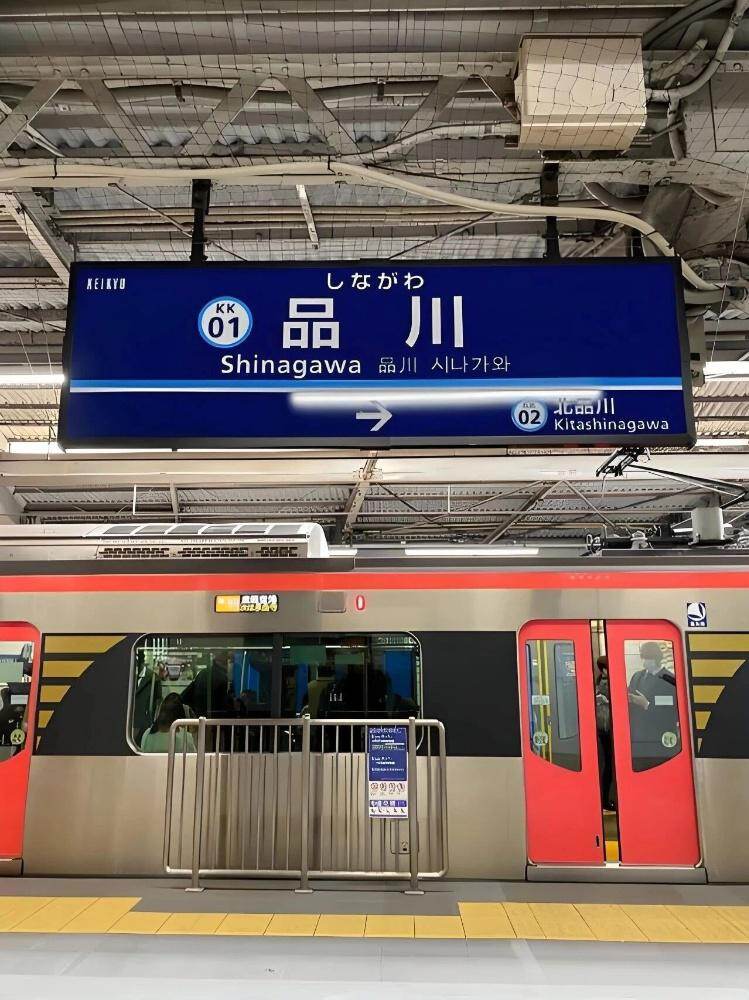
Shinagawa Station is the first major station encountered upon entering the city from Haneda Airport, Japan's gateway. As such, the area surrounding the station is home to a wealth of hotels, shopping facilities, restaurants, and sightseeing spots. For example, shopping malls like Atre Shinagawa and ecute Shinagawa are directly connected to the station. Nearby are family-friendly attractions like Shinagawa Aquarium and Aqua Park Shinagawa. Many Japanese commuters travel domestically through Haneda Airport for business trips, resulting in numerous high-rise buildings directly connected to Shinagawa Station. Many world-renowned multinational corporations have also established offices in Shinagawa, making it a major station with a vibrant international atmosphere.
4.8 Akihabara Station
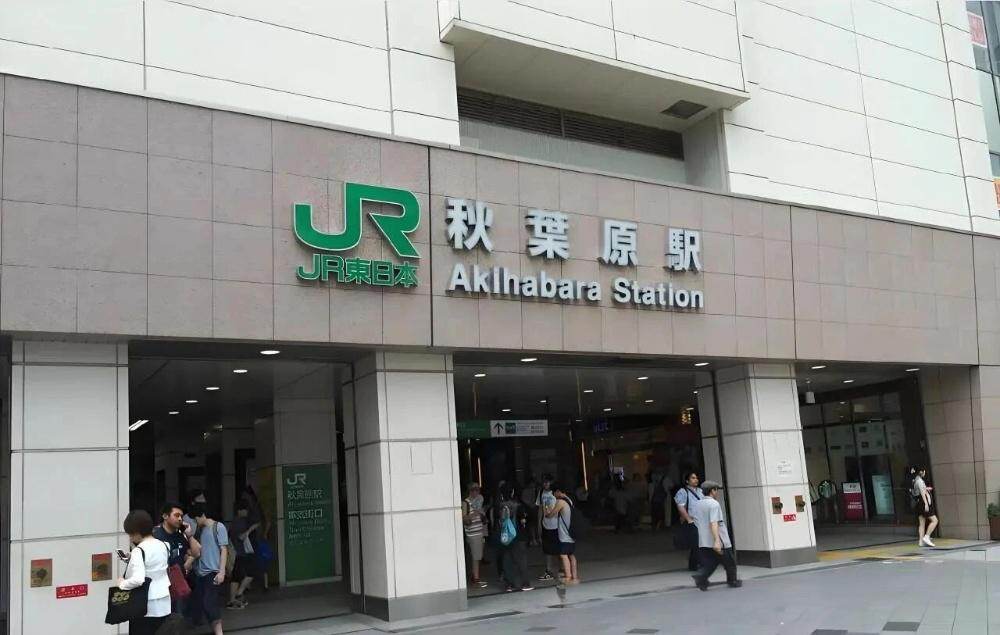
Akihabara is a world-renowned electronics district, overflowing with anime and gaming merchandise. Many Japanese underground idols have made their mark here, earning it a reputation as an otaku's paradise, attracting anime fans from all over the world. Game centers like SEGA Akihabara and TAITO STATION Akihabara have numerous branches. Strolling the streets, you'll often see girls in maid outfits soliciting customers. The unique "maid culture" is a must-see in Akihabara! Akihabara is a renowned electronics shopping district and a mecca for gaming and anime subcultures. With numerous anime and game specialty stores and themed collaboration cafes, it's a destination many people aspire to visit.
4.9. Shin-Okubo Station
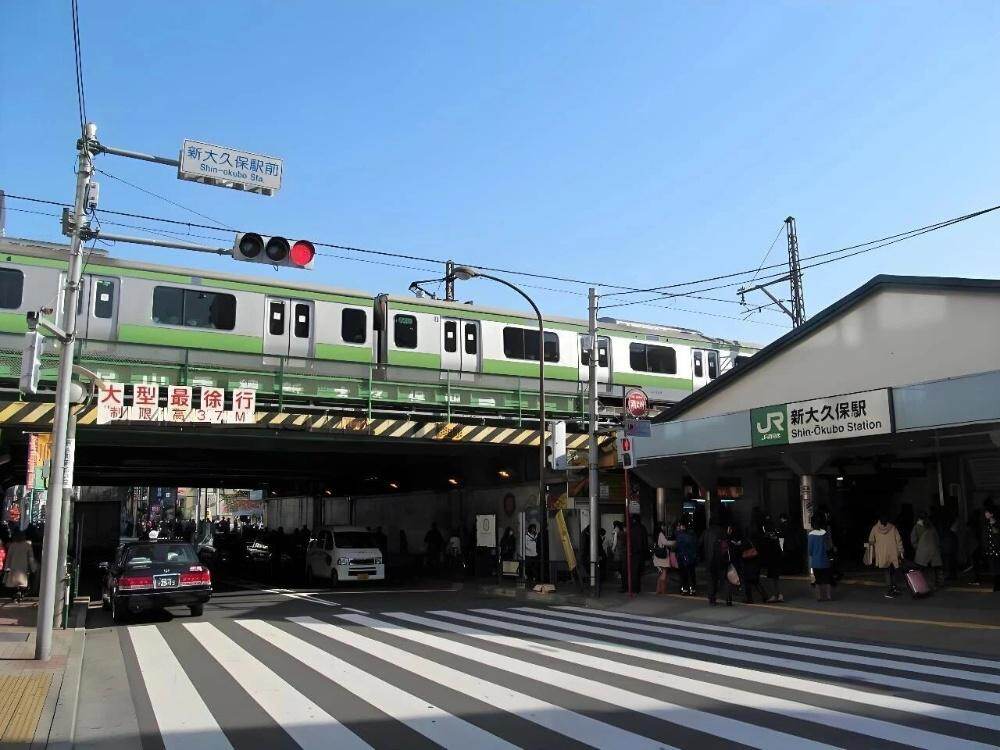
Shin-Okubo Station is a small station just one stop from Shinjuku Station, with a single entrance. However, this area is home to Tokyo's famous Koreatown, where you'll find Korean restaurants, Korean cafes, Korean idol merchandise stores, and Korean drugstores everywhere. K-Pop music is everywhere, making this the perfect spot for Korean food in Tokyo! With the recent influx of Southeast Asian and Chinese immigrants, there are also many delicious Chinese and Indian restaurants, making this station a melting pot of diverse cultures.
4.10. Nippori
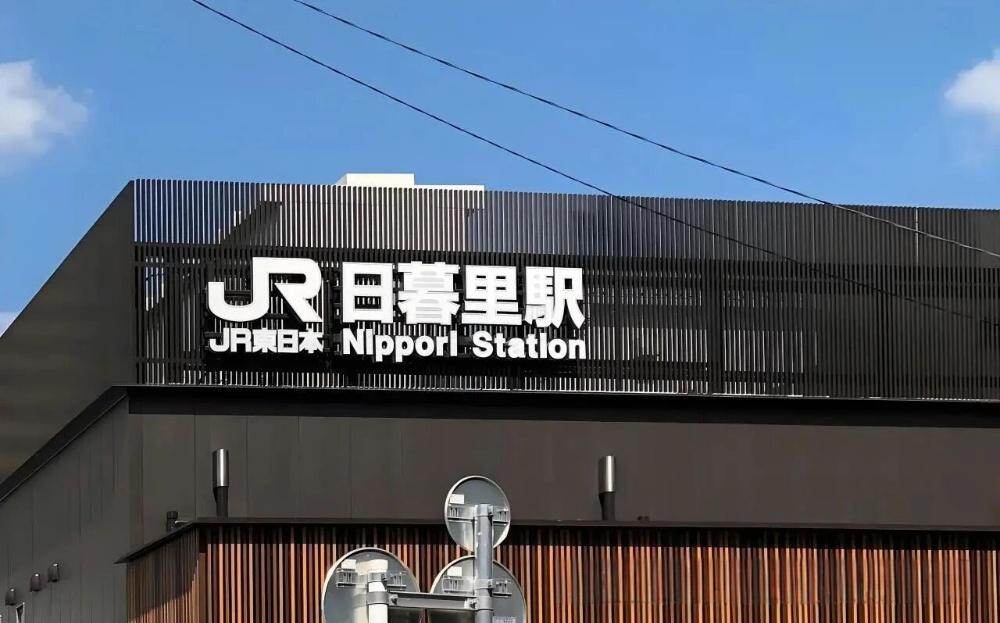
Nippori Station is served by JR, Tokyo Metro, and Keisei Electric Railway lines, making it a popular transfer point for those traveling in and out of Tokyo from Narita Airport. The west exit boasts the charming Yanaka Ginza Shopping Street, offering traditional Japanese confectionery, clothing, sundries, daily necessities, and a variety of snacks and sweets, making it a popular spot for Tokyoites to stroll on weekends. The east exit boasts Nippori Textile Street, where craft enthusiasts come to find fabrics, yarn, and other materials. Furthermore, a leisurely 40-minute walk from Nippori to Ueno takes you past attractions like the Tokyo National Museum, the Tokyo Metropolitan Art Museum, and Ueno Zoo.