Shibuya Station Guide 2026: Exits, Transfers & Nearby Attractions | Japan Train
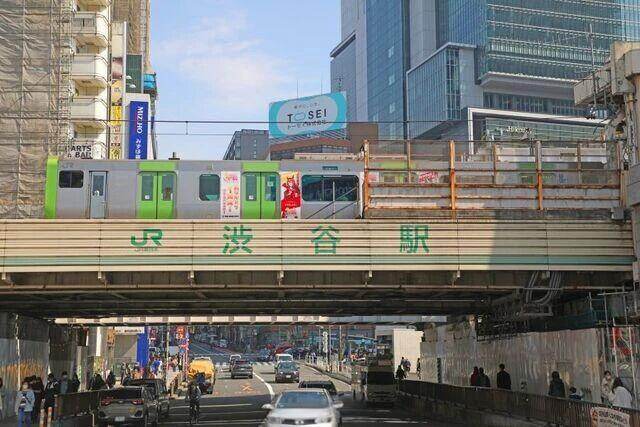
If you are a dog lover and admire canine loyalty, you must have heard of "Hachi: A Dog's Tale"—the story of a devoted dog who, even after his owner's passing, continued to wait every day at the station where he used to greet his master after work. Though he never again heard the voice that would say, "Let's go home," while gently patting his head, Hachi never gave up. This film was adapted from a true story that took place in Japan in 1935. The real-life station where Hachi waited faithfully for his owner is none other than Shibuya Station.

Shibuya Station, a major transportation hub in Tokyo famous for its "scramble crossing," can often be confusing for first-time visitors when transferring between lines. With nine train lines converging here and a structure spanning three floors above ground and five below, the station is like a three-dimensional maze. Its interconnected passageways can easily lead you in the wrong direction if you're not careful. As someone who used to commute through this station daily, I'll guide you step-by-step through the intricacies of transferring at Shibuya Station. Next time you visit, you'll be able to navigate it with ease!
1. Station Transportation Overview
Getting to Shibuya from various parts of Tokyo is very convenient. The station is served by three major transportation systems—JR, private railways, and the subway—with a total of 10 train lines passing through. Below is a breakdown for your reference:
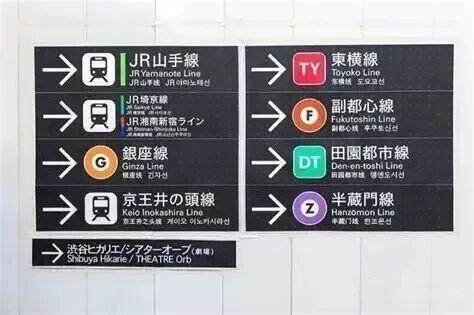
・JR East: Yamanote Line, Saikyo Line, Shonan-Shinjuku Line, Narita Express (N'EX)
・Tokyo Metro: Ginza Line, Hanzomon Line, Fukutoshin Line
・Tokyu Corporation: Toyoko Line, Den-en-toshi Line
・Keio Corporation: Inokashira Line
Overall, compared to major stations like Tokyo, Shinjuku, or Ikebukuro, the commercial area around Shibuya Station is relatively more concentrated. If you’re planning to go shopping in Shibuya, simply head to the Hachiko Exit—this will give you easy access to most of Shibuya’s main shopping districts and department stores. That said, due to the multiple transportation systems and branch lines passing through Shibuya, familiarizing yourself with the station’s layout in advance can save you a lot of time when transferring.
2. Station Interior Layout
2.1 Station Layout – Three Floors
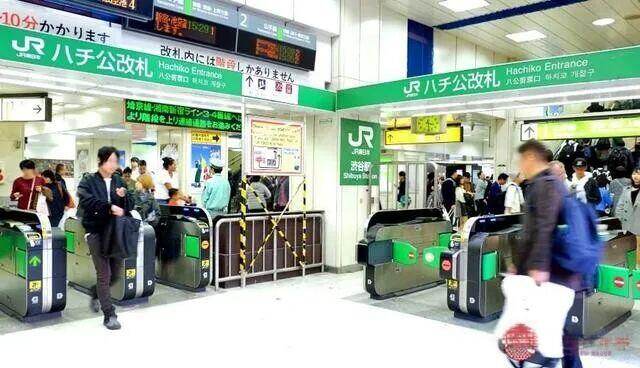
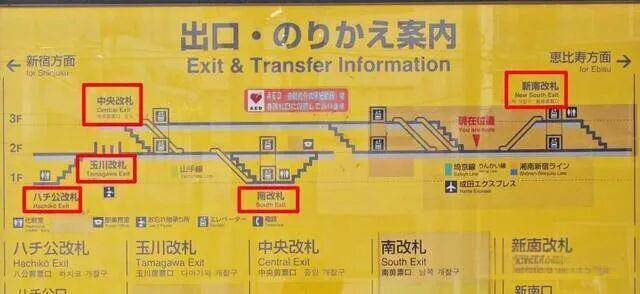
JR Shibuya Station has five ticket gates distributed across three different floors:
- 1F (Ground Floor): Hachiko Ticket Gate, South Ticket Gate
- 2F (Second Floor): Tamagawa Ticket Gate
- 3F (Third Floor): Central Ticket Gate, New South Ticket Gate
All train platforms are located on the 2nd floor. To navigate efficiently, it’s recommended to confirm your intended ticket gate before moving through the station.
2.2 Four JR Lines at Shibuya Station
JR Shibuya Station is served by four lines: the Yamanote Line, Saikyo Line, Shonan-Shinjuku Line, and Narita Express (N'EX). These lines operate across a total of four platforms:
- Platform 1: Yamanote Line (Outer Loop) → heading to Harajuku, Shinjuku, Ikebukuro, and beyond.
- Platform 2: Yamanote Line (Inner Loop) → heading to Ebisu, Shinagawa, Tokyo Station, and beyond.
- Platforms 3 & 4: Shared by the Saikyo Line, Shonan-Shinjuku Line, and Narita Express (N'EX).
Thanks to through services between the Saikyo Line and the Rinkai Line, travelers can conveniently take the Saikyo Line directly from Shibuya to Odaiba.
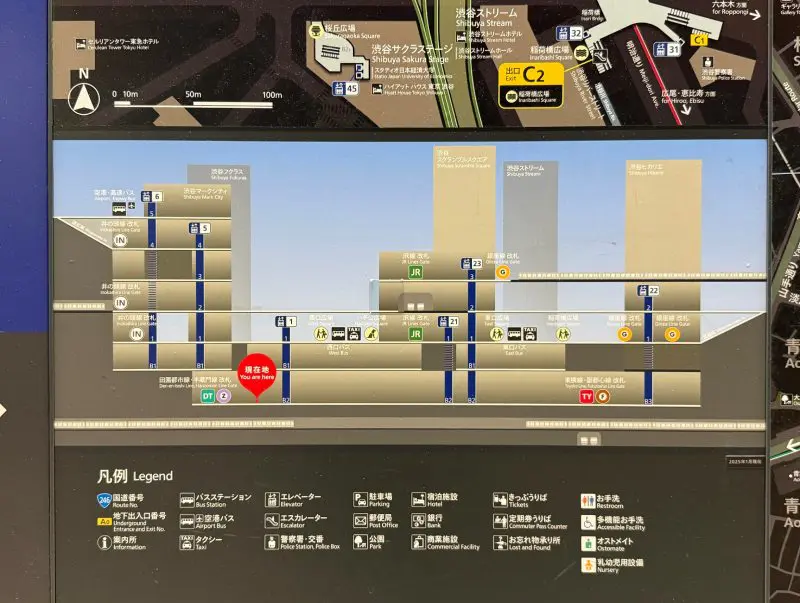
3 Transferring Between Platforms Requires Moving Across Different Floors
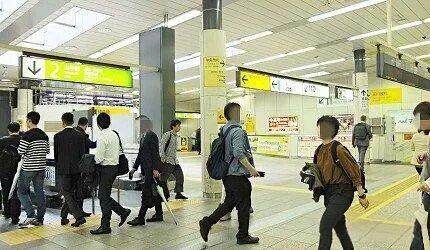
Moving between platforms at Shibuya Station requires transitioning across different floors. Platforms 1 and 2 of the Yamanote Line are designed as side platforms, meaning each platform serves a single track. Therefore, to move between these two platforms, passengers must use the passages on either the 3rd or 1st floor. If transferring from the Yamanote Line to Platforms 3 or 4, the only accessible route is via the connecting passageway on the 3rd floor, which takes approximately 5 minutes on foot.
Shibuya Station Transfer Guide
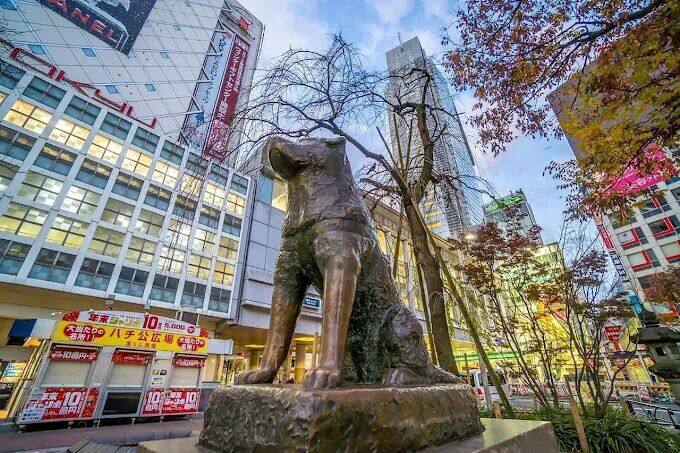
Shibuya Station is massive, with multiple levels both above and below ground. It's easy to lose your bearings while navigating through it. If you find yourself disoriented, don't panic. A helpful tip is to head to the Hachiko Memorial Statue Square—it serves as a "compass" for Shibuya Station, as the entrances to nearly all train lines can be easily located from this point.
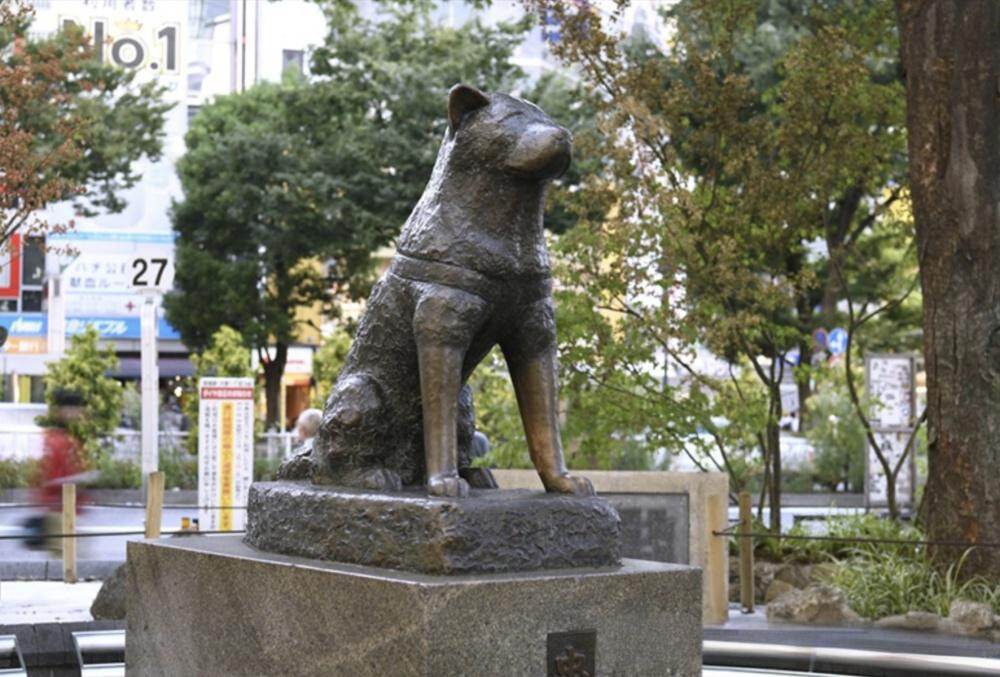
The bronze statue of the loyal dog Hachiko, lying at rest in the square, is an iconic landmark of Shibuya and is often surrounded by tourists taking photos. From the square, the entrances to various train lines can be easily found in different directions.
JR Lines: The most convenient entrance is directly opposite the Hachiko Statue.
If you need to take JR lines (such as the Yamanote Line or Saikyo Line), simply enter through the entrance directly facing the Hachiko Statue—just look up for the "JR Shibuya Station" sign, which makes it easy to spot.
JR Shibuya Station is a three-story building:
- 1F (Ground Floor): Mainly consists of entrances and ticket machines. After entering, passengers can tap their tickets or IC cards at the ticket gates here.
- 2F (Second Floor): This is the platform level, where trains for the Yamanote Line, Saikyo Line, Shonan-Shinjuku Line, and Narita Express (N'EX) depart.
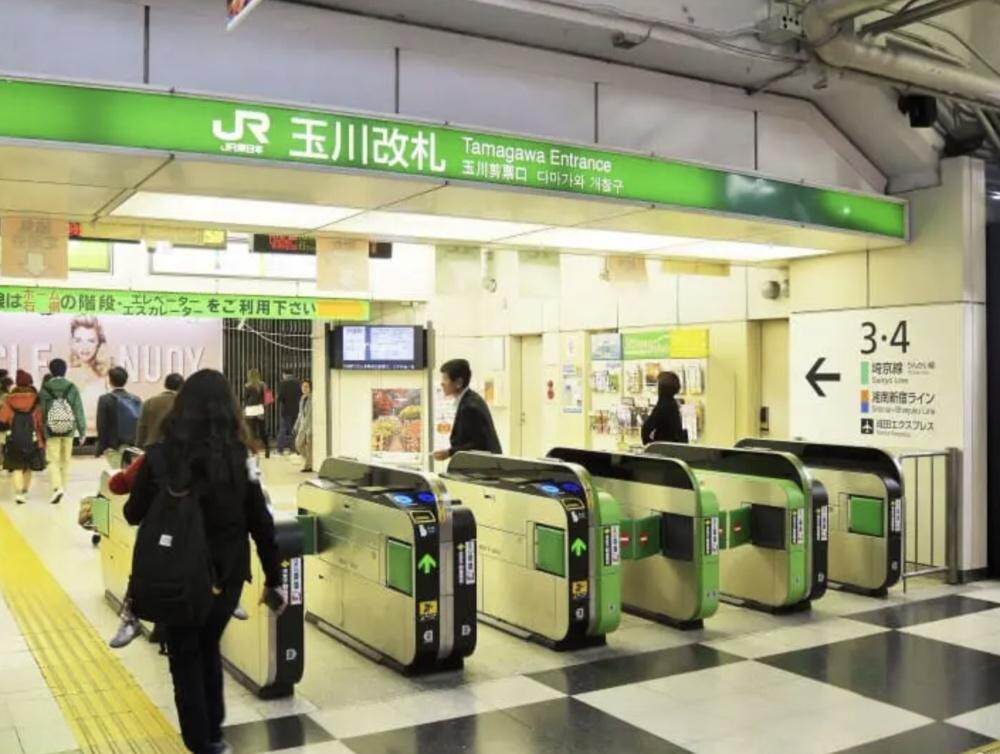
Additionally, the Tamagawa Ticket Gate on the 2nd floor connects directly to the Tokyu Department Store. From here, passengers can transfer to the Tokyo Metro Ginza Line and the Keio Inokashira Line without taking a detour.
Pro Tip: The electronic display boards on the JR platforms show the direction and departure time of the next train. For example, the Yamanote Line is marked as "Inner Loop" (clockwise, toward Shinjuku) or "Outer Loop" (counterclockwise, toward Harajuku). Make sure to check the display before boarding!
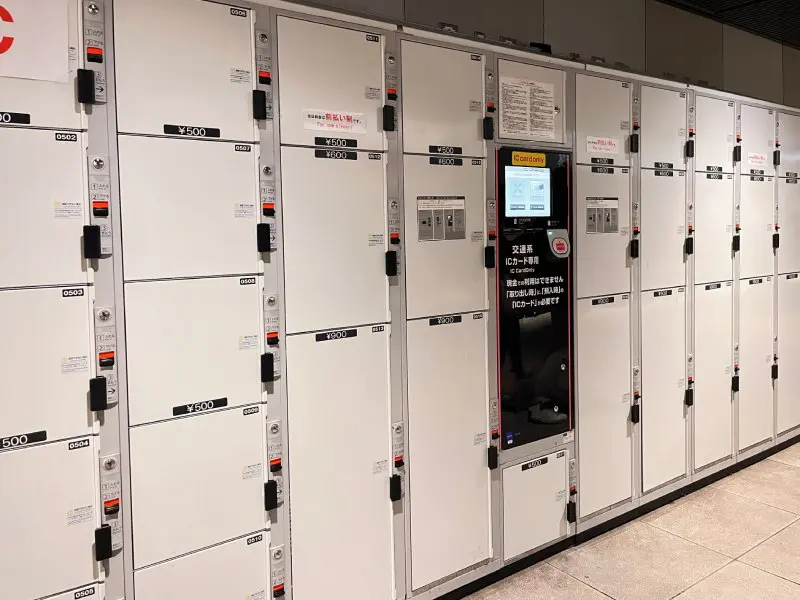
Luggage Storage Guide
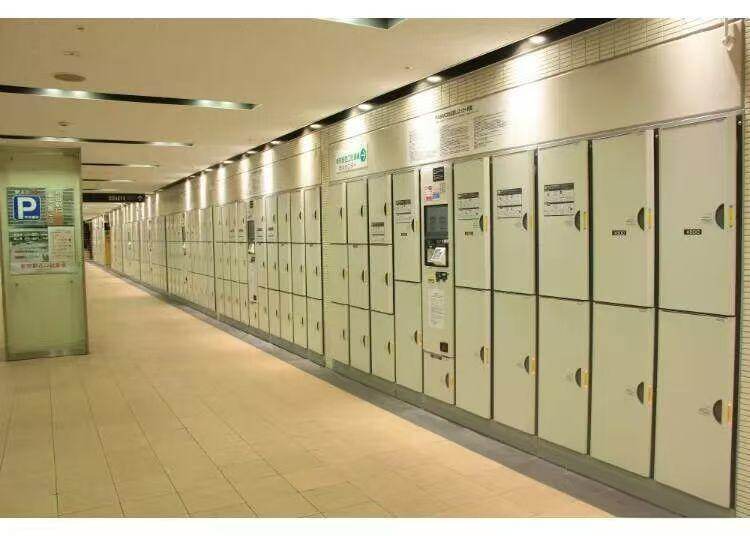
There are many lockers near Shibuya Station. If you need to leave your belongings at Shibuya Station, please refer to the locker information below. For more locations, visit the ecbo cloak website!
- JR Shibuya Station: Outside Hachiko Gate, Hachiko Exit Square, West Exit Green Window, South Gate, Central Gate
- Tokyo Metro Shibuya Station: Hanzomon Line Hachiko Gate, Dogenzaka Gate, Miyamasuzaka Central Gate, Miyamasuzaka East Gate
- Keio Inokashira Line Shibuya Station: Inside the West Exit, Outside the Central Exit
Recommended Nearby Attractions
1 Hachiko Statue
Upon arrival at Shibuya Station, exit through Exit A8 (or look for the "Hachiko" sign) and visit the Hachiko Statue, the inspiration for the film "Hachiko: A Dog's Story." It's usually crowded, so please queue up for photos. The wait should take about 10 minutes.
Hachiko Statue
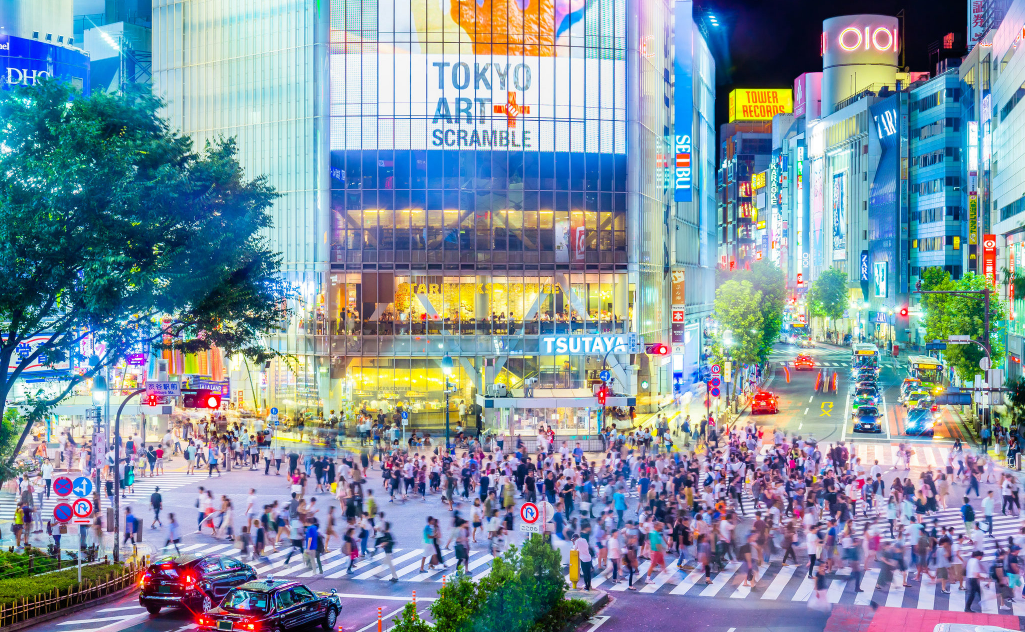
2 Shibuya Scramble Crossing
Turning right from the Hachiko statue and walking about 20 meters, you'll find Shibuya Scramble Crossing, considered the world's busiest. It's a Tokyo landmark, featured countless times in films, magazines, and blogs. During peak hours, approximately 1,000 to 2,500 people cross the crossing every two minutes, enough to quickly fill a football field.
Recommended photo spots at Shibuya Scramble Square
1. 2nd Floor: Starbucks. Enter through the side entrance, take the escalator, order a coffee, and take in the panoramic views. You can also take photos without spending money and leave immediately to minimize any disturbance to the businesses.
2. Rooftop Observation Deck: Minimum purchase 600 yen per person, free for children. There's a terrace, perfect for enjoying the evening breeze and the panoramic views.
3. Shibuya Scramble Square, 14th Floor: I didn't book Shibuya Sky in advance, but I found a free spot on the 14th floor of the same building. Search for Shibuya Scramble Square on the map, enter from the ground floor, take the direct elevator to the 14th floor, and take photos directly from the two windows on your left when you exit the elevator.
3 Shibuya's Highest Observation Deck, "Shibuya Sky"
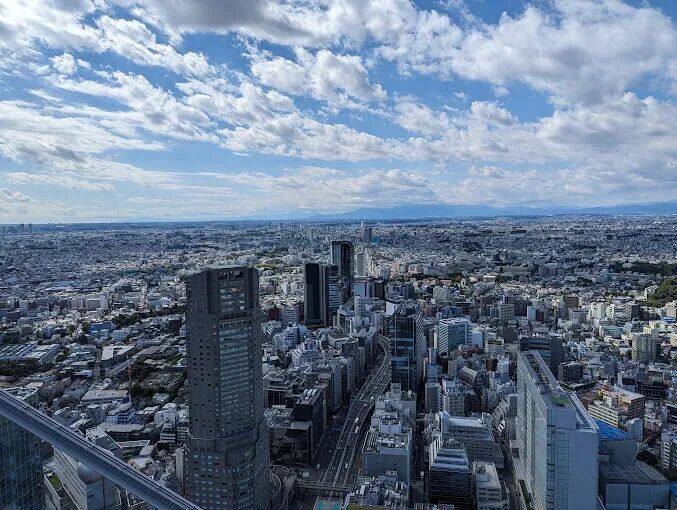
Tokyo's most beautiful observation deck offers panoramic views of Shibuya. Located in the Shibuya Scrambel Square shopping mall, take the elevator to the 14th floor, then transfer to another elevator to the 45th floor Sky Gate. The 46th floor houses the Sky Gallery, the main observation deck with a large lawn. The open-air escalator between the 45th and 46th floors is a popular spot for Instagram photos.
Tickets must be booked in advance for 2,200 yen per person. Reservations are timed accordingly, and the most popular evening time slots are very difficult to book, requiring an estimated one month in advance. If you're interested, make sure to book in advance.
If you can't get a reservation, I personally recommend going to the R floor of the Parco building. This floor has a large lounge area and offers equally impressive views of Shibuya, though the views are slightly less impressive, after all, it's free.
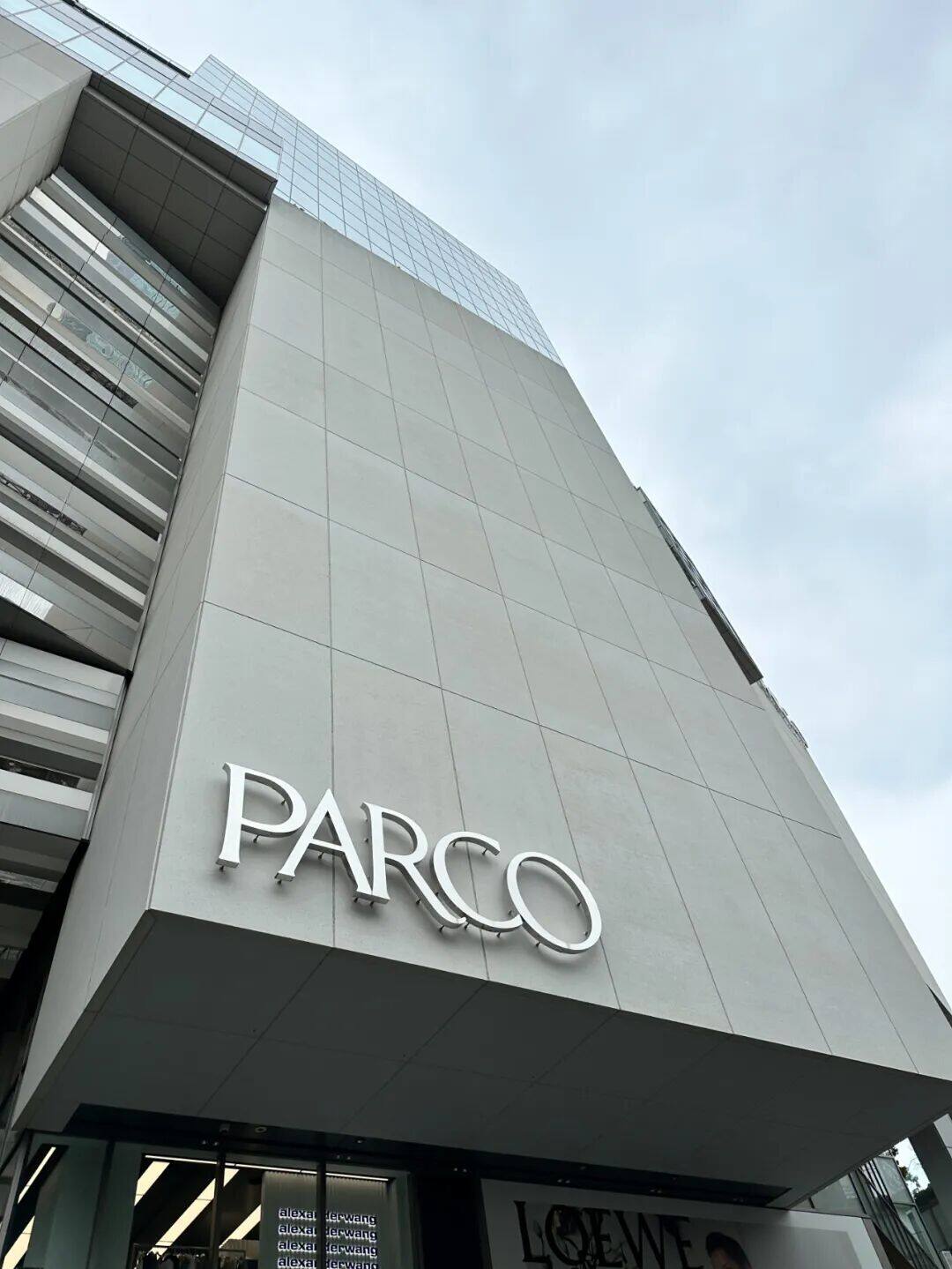
4 PARCO Building
Compared to other commercial buildings in Shibuya, I personally prefer Parco. It's about an eight-minute walk from the 109 Building, passing the Gong Cha shop along the way. For fans of the anime and manga genre, head straight to the sixth floor: home to the Nintendo flagship store, the Pokémon Center, the Jump Shop, and the Capcom flagship store. The other floors also offer a variety of figures, trendy clothing, cosmetics, and food. It's also a great place for families with children!
For those who missed Shibuya Sky, take the elevator up to the R-floor rooftop garden at Parco. Enjoy a panoramic view of Shibuya and the surrounding cityscape. It's a great place to relax on a bench, chat with friends, or let the kids take a quick jog.
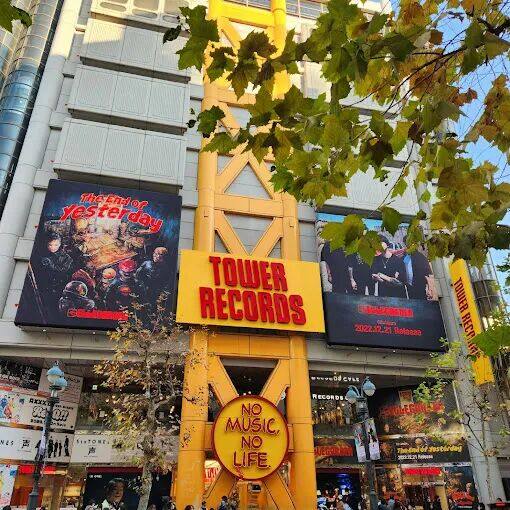
5 Tower Records
About a 5-minute walk from Parco is Tower Records, Tokyo's and Asia's largest record store. It features sections dedicated to popular artists and bands, including Utada Hikaru, Yoasobi, Kenshi Yonezu, and Ado. Whether you're a fan of J-pop or K-pop, or a die-hard fan of a Western diva or anime diva, this shop is a must-see!
1F: Hot New Albums
2F: Pop-up Cafe
3F: J-pop
4F: Japanese Idol, Anime, and Shotoku
5F: K-pop
6F: Vinyl and Rock
7F: European and American Club Classics