Shinagawa Station Guide 2026: Transfers, Shopping & Food | Japan Train
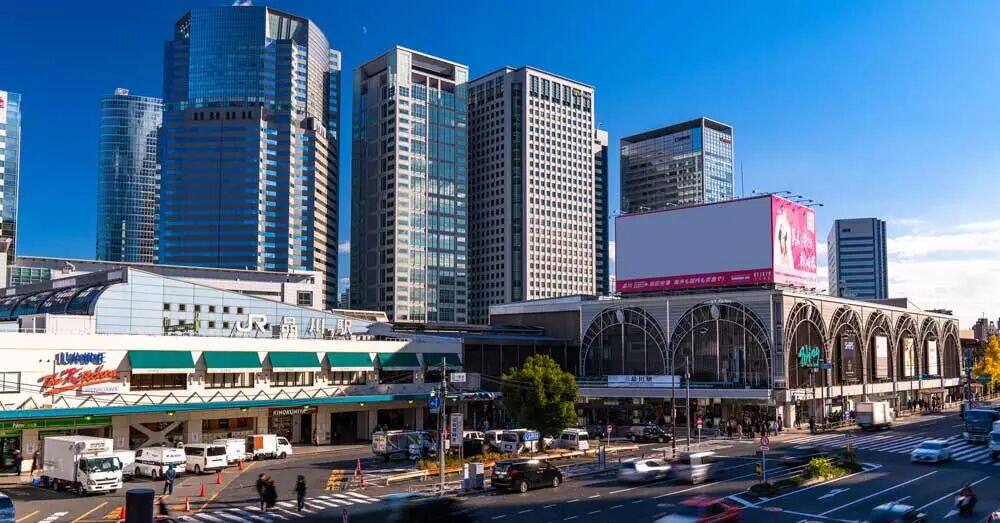
If you're a first-time Tokyo traveler, Shinagawa Station might seem like just a transfer point. Numerous train lines, including the Shinkansen and Yamanote Lines, pass through here, making it a convenient destination for both Narita and Haneda Airports. However, Shinagawa Station is also home to a wealth of shopping opportunities, attractions, shopping malls, supermarkets, drugstores, must-try restaurants, and must-buy souvenirs. There are also plenty of recommended hotels nearby!
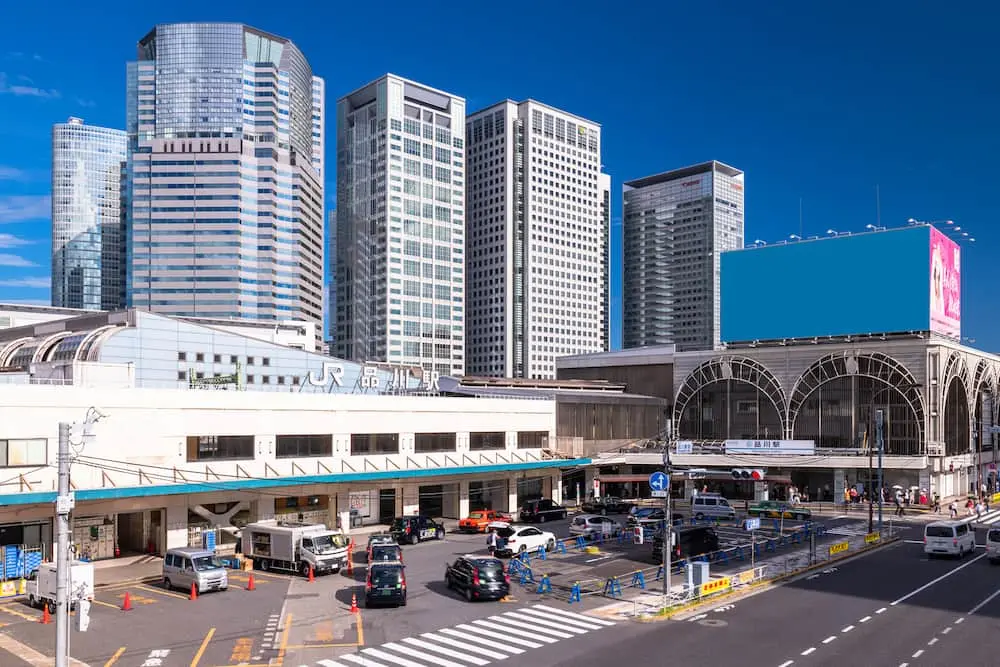
Introduction to Shinagawa Station
Shinagawa Station is arguably one of Tokyo's most important transportation arteries. It's not only a key stop on the JR Tokaido Shinkansen, offering quick and easy access to Nagoya, Kyoto, Osaka, and other destinations, but it also serves as a major transportation hub within Tokyo. In addition to the JR Yamanote Line, the most popular Tokyo destination, Shinagawa Station is also served by the JR Keihin-Tohoku Line, JR Yokosuka Line, JR Tokaido Main Line, and JR Ueno-Tokyo Line, offering seamless access to any corner of Tokyo.
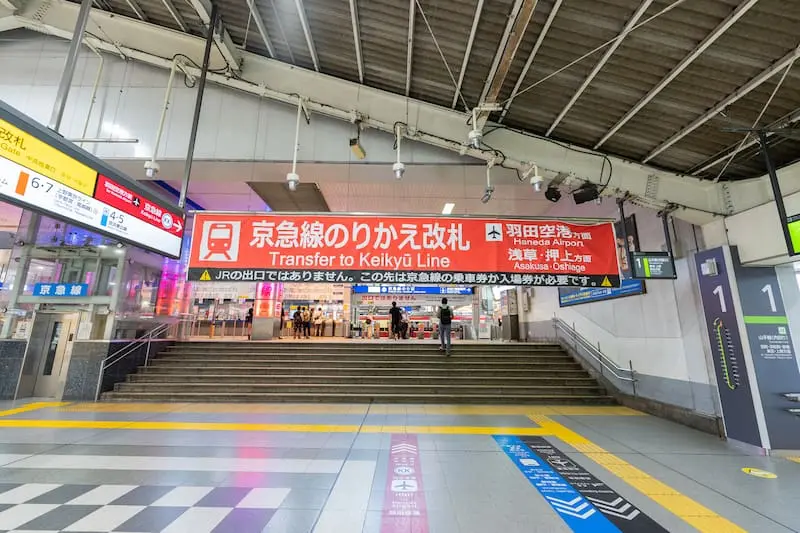
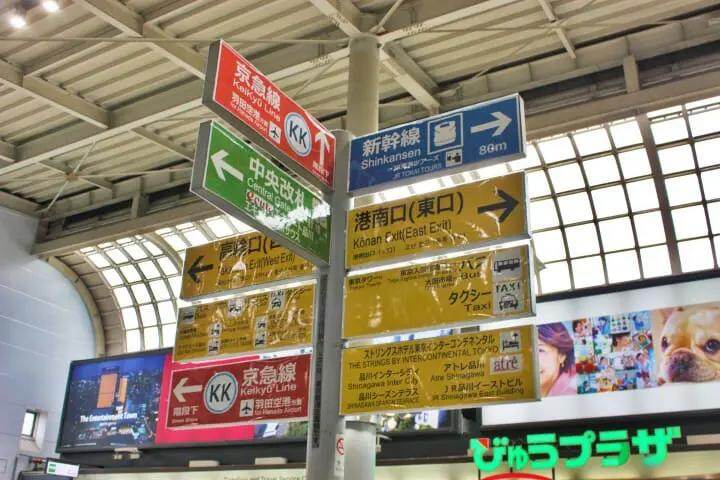
Airport transportation, a necessity for every traveler, is even more convenient here. Shinagawa Station offers connections to Narita Airport via the JR Yokosuka Line, as well as direct connections to Haneda Airport via the Keikyu Main Line of the Keikyu Electric Express. What everyone worries most about is getting lost when changing trains. But you don't have to worry about that inside Shinagawa Station. You can go directly to the Keikyu transfer ticket gate from the JR station. There are huge notices and signs on the ground. You don't have to exit and reenter the station, which saves time and is convenient.
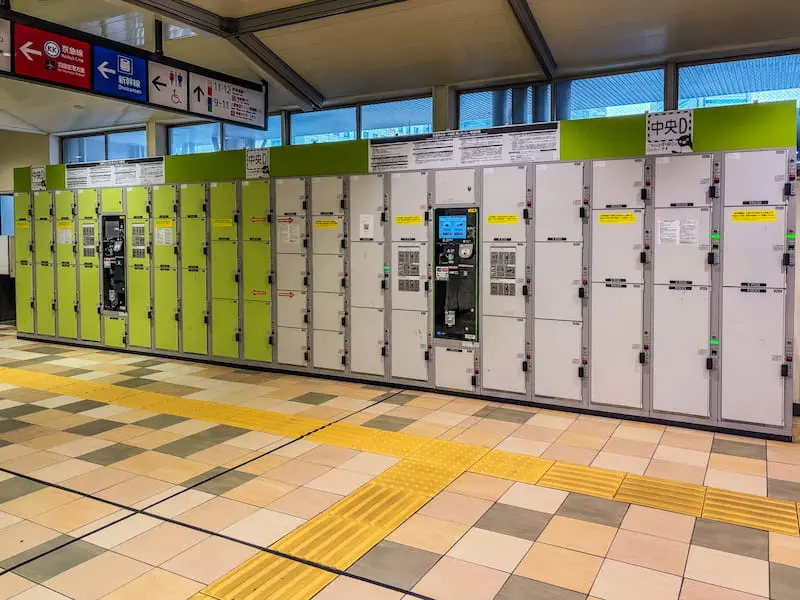
Luggage Storage at the Station
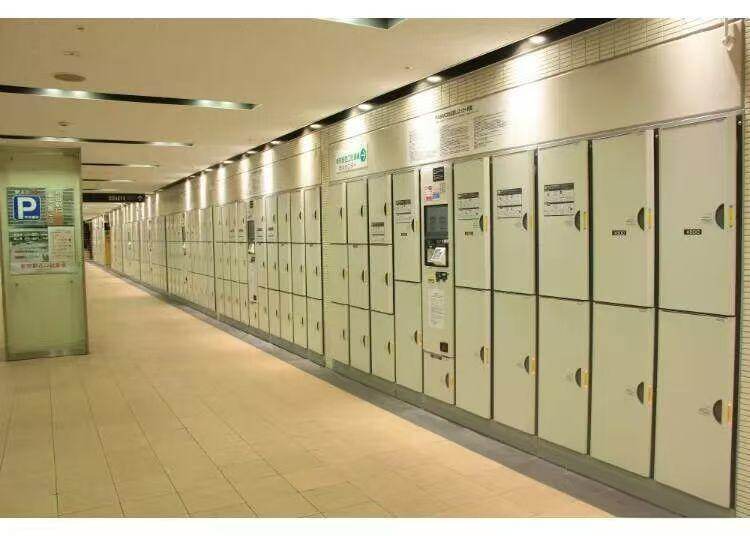
Carrying a lot of luggage, want to relax and enjoy some shopping or dining at Shinagawa Station? Shinagawa Station has ample coin lockers in various sizes, located in the corridors leading from the ticket gates to the outside. Whether you're just off a plane with a large suitcase or have a ton of luggage, you can find a locker to store your belongings and travel with ease.
Most lockers accept transportation IC cards like Suica, as well as cash, making them very convenient. You can leave your luggage at a locker near your planned train or main activity area, making it easier to retrieve your luggage at the end of your trip!
How to get to Shinagawa Station Exit
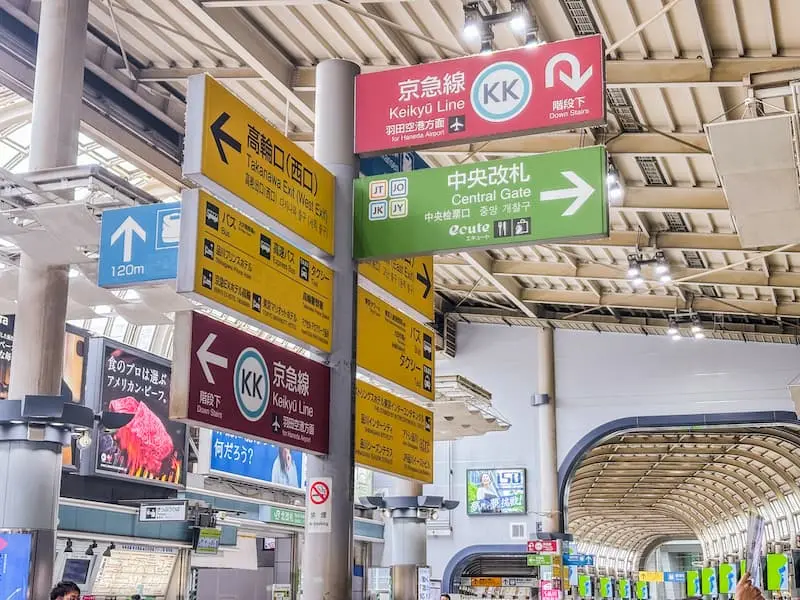
Shinagawa Station is so large, so which exit should you use? Don't worry, Shinagawa Station's exits are divided into two main directions: the Konan Exit (East Exit) and the Takanawa Exit (West Exit). Knowing which exit is closest to your destination will help you avoid getting lost!
The Konan Exit area is lined with tall buildings and exudes a cosmopolitan atmosphere, home to many businesses and trendy restaurants. Famous commercial facilities like Shinagawa Intercity, Shinagawa Central Garden, Atre Shinagawa, Shinagawa Season Terrace, and Shibaura Central Park are all located towards the Konan Exit.
From the other side of the Keikyu Line, the most direct exit from Shinagawa Station is the Takanawa Exit. For JR trains, exit the Central or North Gates and follow the signs for the Takanawa Exit. Compared to the more modern Konan Exit, the Takanawa Exit has a more relaxed atmosphere and is home to many historic hotels. The popular aquarium "Maxell Aqua Park Shinagawa" and the "Logistics Museum" are also located near the Takanawa Exit!
Transfer Methods
While it's generally referred to as JR Shinagawa Station, it actually serves numerous lines, including the Yamanote Line and the Keihin-Tohoku Line, and has numerous platforms. Therefore, first, let's get an overview of JR Shinagawa Station.
The platforms at JR Shinagawa Station are located on the first floor. After exiting the train, use the stairs, elevator, or escalator to reach the second floor, where the ticket gates are located.
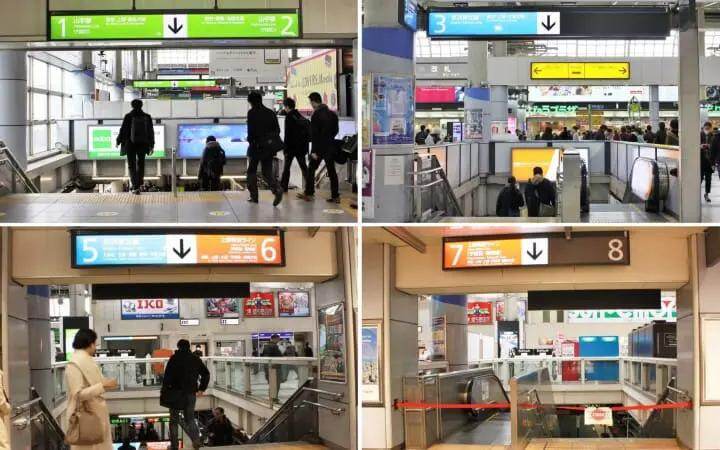
Keikyu Line to Haneda Airport and Asakusa
Now, let's learn how to transfer from JR Shinagawa Station to various lines! First, let's learn how to transfer to the Keikyu Line.
The Keikyu Line connects Tokyo with Yokohama, Yokosuka, and Misaki in Kanagawa Prefecture. To reach Haneda Airport, the fastest express train takes about 15 minutes (410 yen).
The Keikyu Line also runs directly with the Toei Asakusa Line, so you can reach Asakusa in just 20 minutes (400 yen) without changing trains. To take the Toei Asakusa Line, please board the Keikyu Line's Platform 2. However, please note that if you're taking a train bound for Sengakuji, you'll need to transfer at Sengakuji Station.
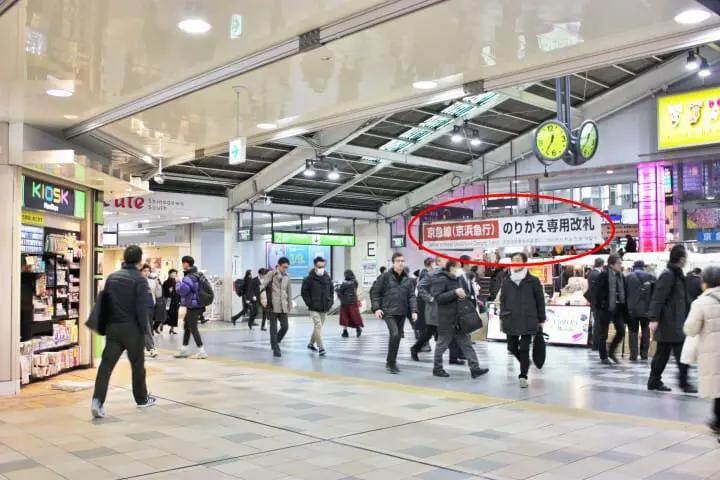
When transferring from JR to the Keikyu Line, the sign "Keikyu Line (Keihin Express) Transfer Gate" is a sign (see picture)!
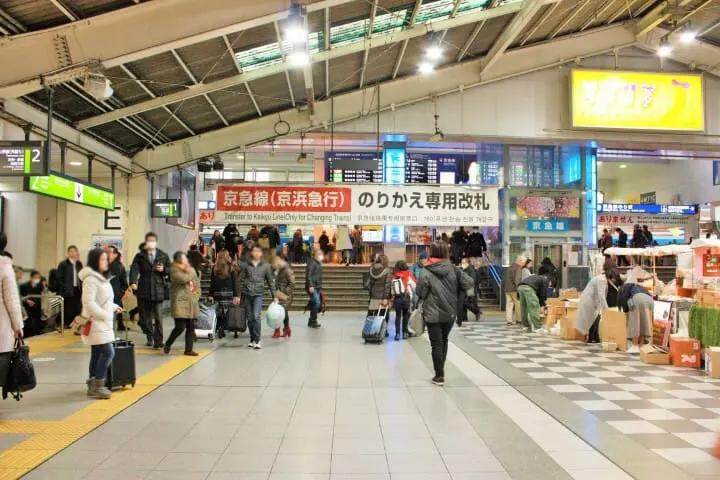
When transferring from Line 5 and later platforms, proceed in the opposite direction of the Shinkansen boarding area and head for the KIOSK convenience store.
Once you reach the KIOSK, you'll see a banner on your right. The Keikyu Line ticket gates are just beyond.
For those traveling to Haneda Airport via the Keikyu Line, enter the ticket gates and you'll reach Line 1 Platform. From there, take the train bound for Haneda Airport.
Shinkansen: How to Travel to Western Japan, Such as Osaka and Fukuoka
Next, let's learn how to transfer from JR to the Tokaido/Sanyo Shinkansen! Shinagawa Station is smaller and more compact than Tokyo Station, so transfers don't take too long.
From Shinagawa Station, you can take three types of Shinkansen: the Nozomi, Hikari, and Kodama. These are suitable for traveling to Western Japan, such as Nagoya, Kyoto, Osaka, Hiroshima, and Hakata.
How to Transfer from JR to the Shinkansen
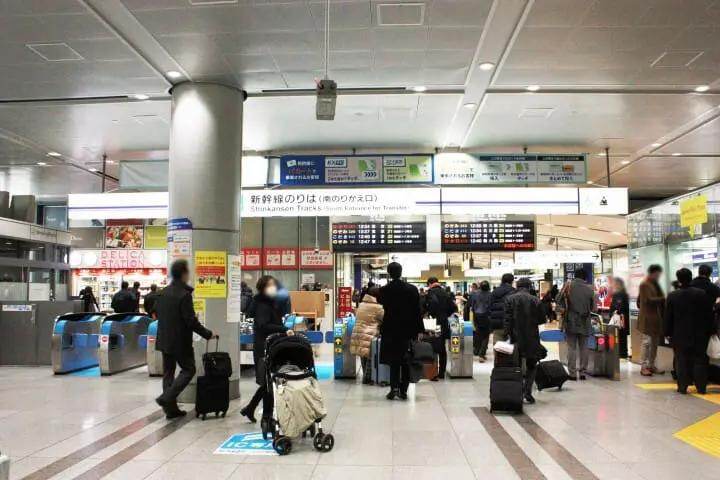
From the platform, ascend the stairs leading to either the Central Ticket Gate or the North Ticket Gate.
From the Central Ticket Gate, proceed to the Shinkansen Platform South Transfer Gate; from the North Ticket Gate, proceed to the Shinkansen Station Taipei North Transfer Gate. Follow the signs for the Tokaido/Sanyo Shinkansen at each location.
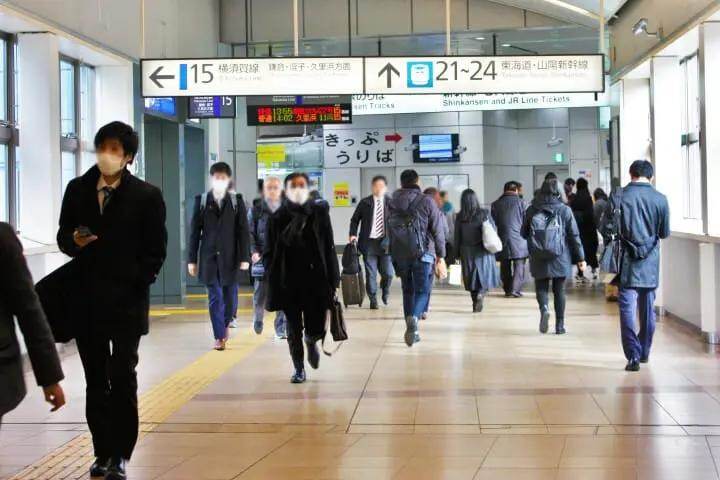
The entrance to Line 15 Platform is nearby. Further inside is the Shinkansen ticket gate.
Passengers on trains 1-5 should transfer from the South Gate; passengers on trains 6-16 are recommended to transfer from the North Gate for quicker seat access.
Transfers to the Shinkansen will be marked by signs indicating "Tokaido/Sanyo Shinkansen."
Buses depart for Odaiba and Roppongi.
From Shinagawa Station, you can take a bus directly to Odaiba and Roppongi.
To reach the bus station, first exit through the JR Central Gate. After exiting the Central Gate, there are two exits: the Konan Exit (East Exit) and the Takanawa Exit (West Exit), each with a bus stop.
Buses available from the Konan Exit are bound for Odaiba and Tokyo Tower.
Buses available from the Takanawa Exit are bound for Roppongi Hills.
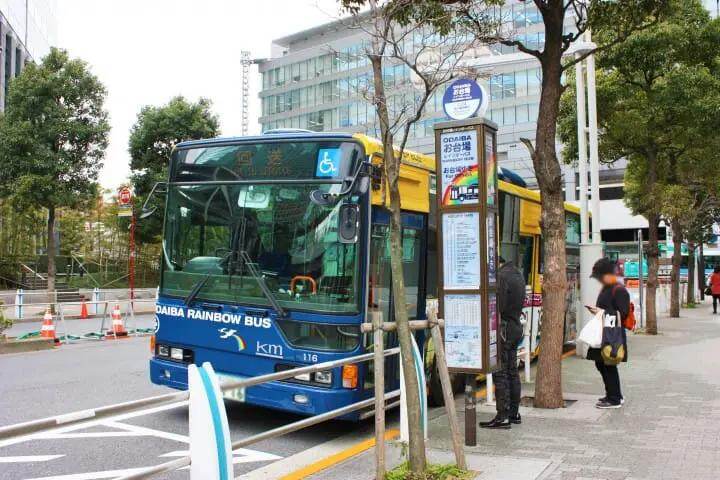
To visit Odaiba and Tokyo Tower, exit the Konan Exit. After exiting the JR Central Ticket Gate, walk right and walk down the stairs to the bus terminal. To reach Odaiba, take the Odaiba Rainbow Bus for about 17 minutes. To reach Tokyo Tower, take the Toei Bus "Hama 95 - bound for Tokyo Tower [Station]" for about 35 minutes.
Shopping and Dining Recommendations
Like Tokyo Station, Shinagawa Station has shopping malls within the station gates, and even shopping malls directly connected to the station. Shinagawa Station, on the other hand, has only two exits: Konan Exit (East) and Takanawa Exit (West). The Takanawa Exit (West) is home to the most popular shopping malls, entertainment facilities, and restaurants. Within 10 minutes of exiting the station, you can explore more than three shopping malls. And you won't get wet along the way, making it a great destination for rainy days and a great place to stop during a shopping break.
ecute Shinagawa
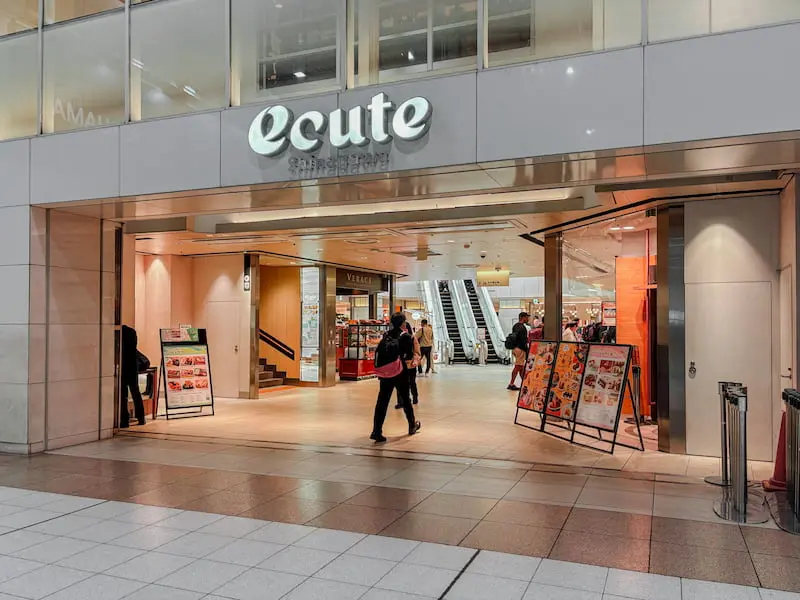
Even before you exit the JR train, Shinagawa Station boasts two shopping malls: ecute Shinagawa and ecute Shinagawa South. Whether you're looking for takeout ready-to-eat meals, limited-edition souvenirs, gourmet desserts, or Japanese-style clothing and cosmetics, they offer a wide selection.
The 3rd-floor supermarket, "FOOD & TIME ISETAN," operated by the renowned department store "Isetan," offers high-quality fresh produce, boxed meals, and a wide selection of snacks. It's perfect for picking up specialties to take back to your hotel or as souvenirs for friends and family.
Shinagawa Station is not only a transportation hub, but also a culinary hotspot! The food courts at ecute Shinagawa and atre Shinagawa are filled with delicious eateries, and there's also a wide variety of options available around the station.
For those who enjoy Japanese teppanyaki, try the okonomiyaki restaurant "OKONOMIYAKI KIJI SHINAGAWA." For refined Western cuisine, the authentic Italian restaurant "AROMAKURASHIKO" is also highly recommended.
For seafood lovers, the American-style "Grand Central Oysterbar" in Shinagawa is a must-try. With a wide variety of cuisines concentrated in this area, you'll find a satisfying meal for every taste.
Nearby Attractions
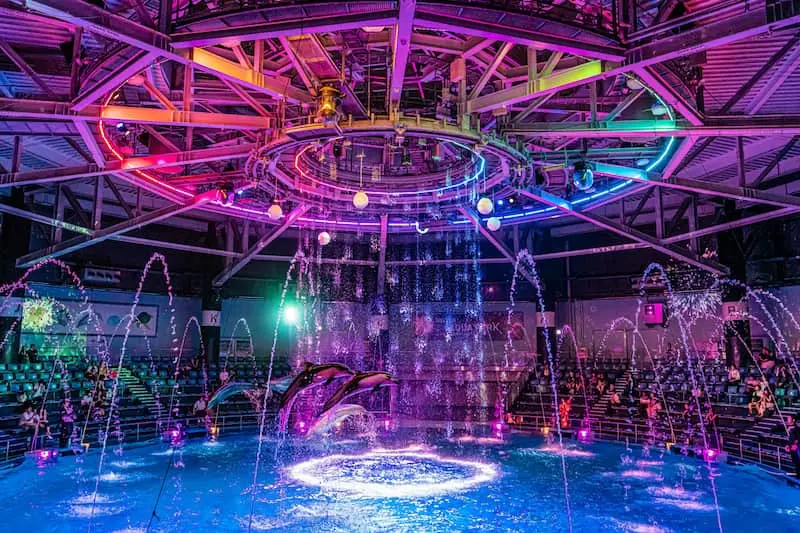
Shinagawa Station is home to more than just office buildings and shopping malls! There are also numerous attractions worth visiting, perfect for families, couples, or those seeking to immerse themselves in Japanese culture.
For example, the Maxell Aqua Park Shinagawa aquarium is located just a two-minute walk from Shinagawa Station's Takanawa Exit. It combines sound and light technology with marine life to create a magical atmosphere. The most popular attraction is the spectacular dolphin show, featuring a water curtain, lights, and music. It's truly breathtaking!
The historic Shinagawa Shrine is said to be over 800 years old. Its most unique feature is its man-made hill, called Fujizuka, where you can experience a miniature Mount Fuji climb and receive its blessings. There are also several green parks near the station, such as Shibaura Central Park near the Konan Exit, which is a great place for a stroll. Next time you visit Shinagawa, make sure to spend some time exploring these charming spots around the station!