Japanese Train Guide
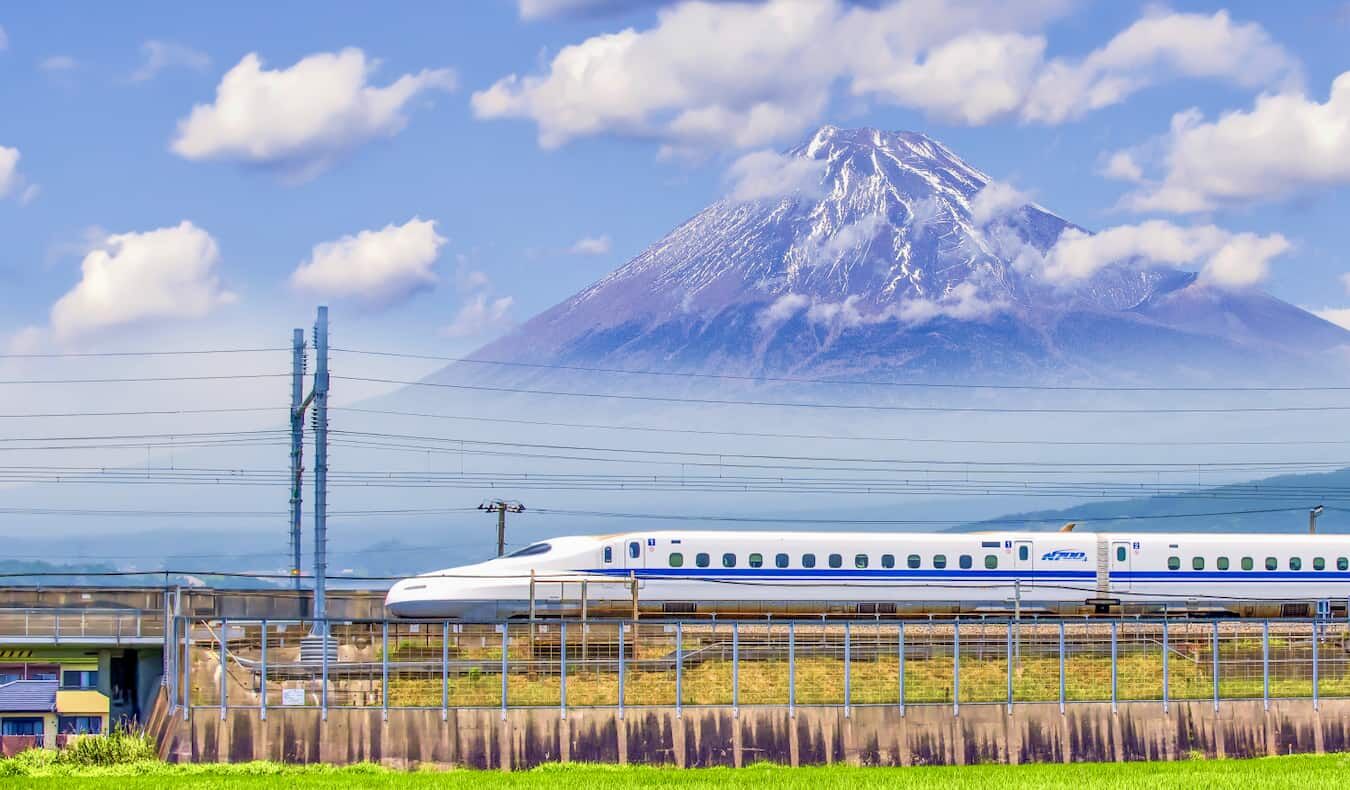
Japan is world-renowned for its train system, which is a blend of efficiency, punctuality, and comfort. Whether it’s the daily commuter hopping on a local train or travelers experiencing the speed and luxury of the Shinkansen, Japanese trains cater to a variety of needs. With extensive coverage across the country, they serve as the backbone of Japan’s public transport system.
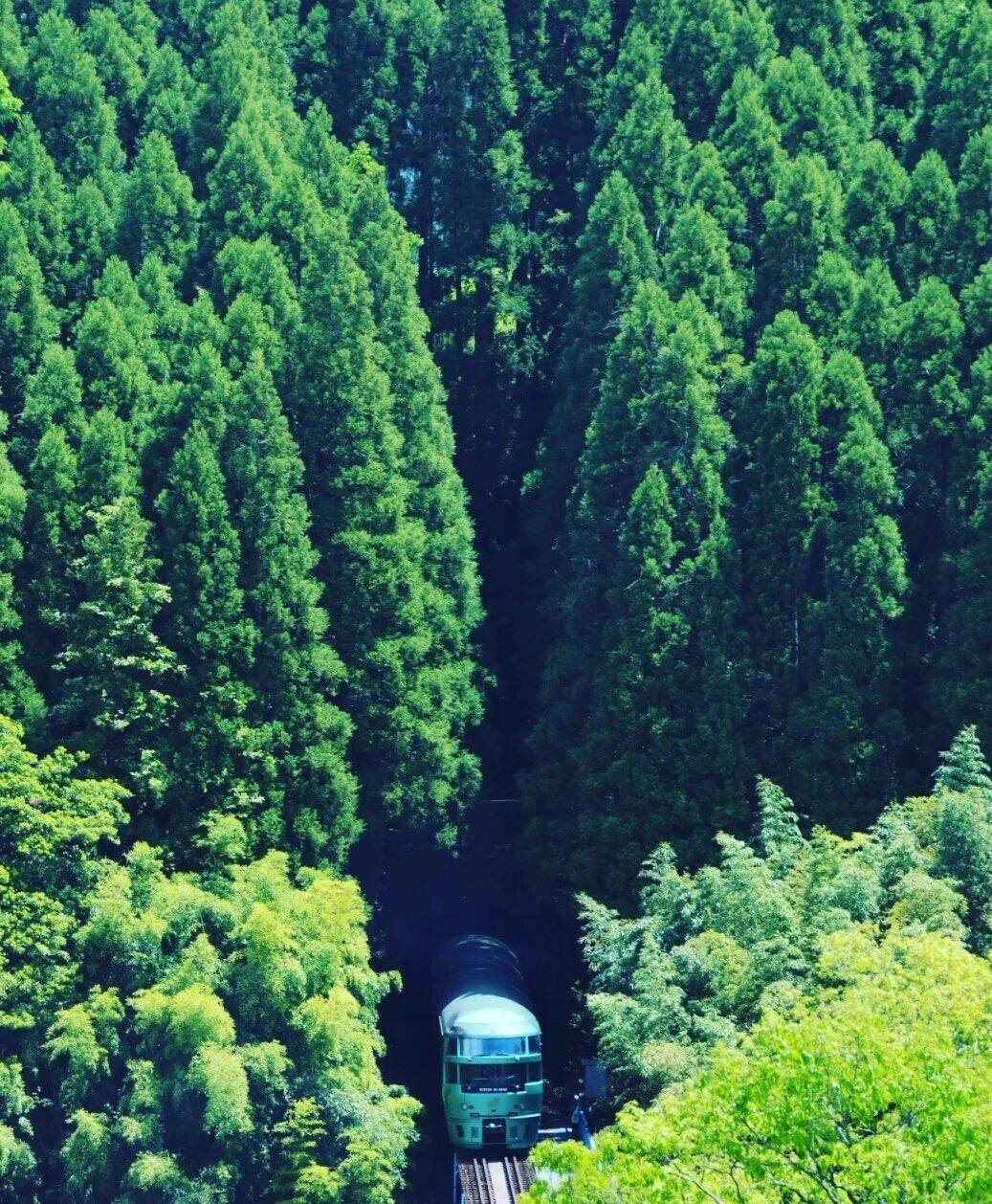
From the bustling subways of Tokyo to the serene views from a countryside train, each journey offers a unique perspective on Japan’s culture and landscape. Among the highlights are the legendary Shinkansen, or “bullet trains,” which epitomize speed and technology. Below, we dive into the seating options available, from the luxurious Shinkansen to regular commuter trains.
Shinkansen
Shinkansen trains offer a range of seating classes to suit different budgets and preferences.
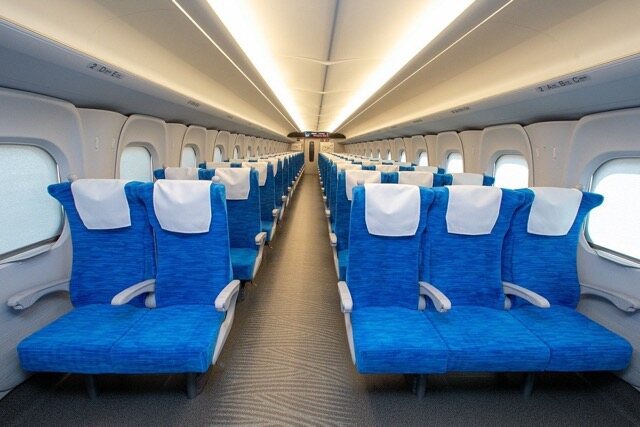
1. Non-Reserved Seats (自由席):
• Found on most Shinkansen routes. However, certain trains are reserved seats only.
• Tickets are cheaper but do not guarantee a specific seat.
• Ideal for off-peak travel or short journeys.
• You can take any train on the same route on that day, giving you maximum flexibility.
• On most trains, non-reserved seats offers the same comfort as reserved seats (exceptions do apply).
2. Reserved Seats (指定席):
• Guarantees a specific seat.
• Recommended during holidays or busy travel seasons.
• Even if you can't make the train you reserved, you can still take non-reserved seats of other trains.
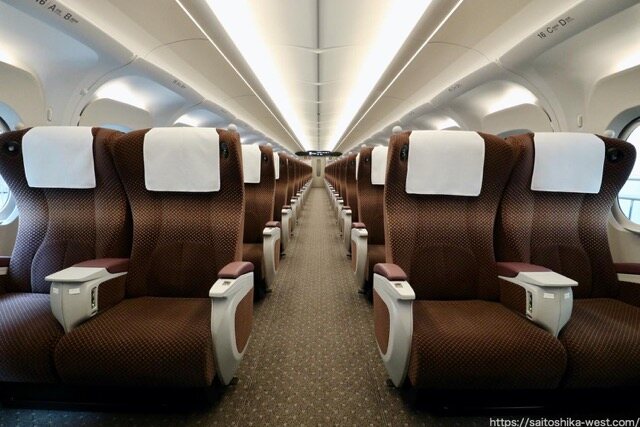
3. Green Car Seats (グリーン車):
• Equivalent to first class.
• More spacious, with wider reclining seats and additional amenities such as footrests and reading lights.
• Quieter and less crowded, ideal for business travelers or those seeking a comfortable journey.
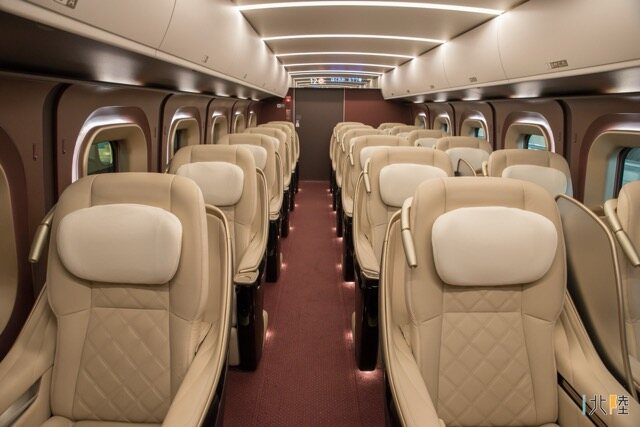
4. GranClass Seats (グランクラス):
• Available on Tohoku, Joetsu, and Hokuriku Shinkansen lines.
• The pinnacle of luxury, featuring private, leather-upholstered seats.
• Includes premium services like complimentary meals, drinks, and an attendant (not available on some trains).
• Fewer seats per car, ensuring privacy and exclusivity.
Commuter Train
Commuter trains in Japan are designed to transport large numbers of passengers, especially during peak hours. These trains are used for traveling within a city or short intercity trips.
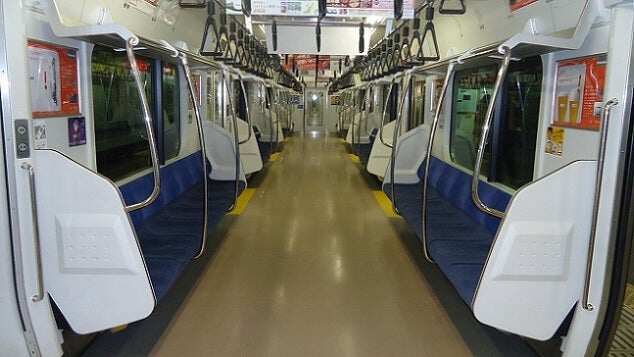
1. Bench-style Seating:
• Found in most commuter trains.
• Long benches line the sides of the train, maximizing standing space in the middle.
• Practical for short distances and high-capacity needs.
2. Priority Seats:
• Located at the ends of train cars.
• Reserved for the elderly, pregnant women, people with disabilities, and passengers with small children.
3. Non-reserved Policy:
• Seats are first-come, first-served.
• During rush hours, standing is common, especially in urban areas like Tokyo and Osaka.
End Note
Whether commuting in the city or traveling across regions at high speed, Japanese trains provide options for every traveler. The system’s thoughtful design ensures both efficiency for daily riders and luxury for those seeking a memorable journey. From standing on packed commuter trains to reclining in GranClass, riding Japan’s railways is an experience that captures the country’s blend of practicality and innovation.